




Why We Exist
Addressing barriers to student success through stable, Nation-led education.
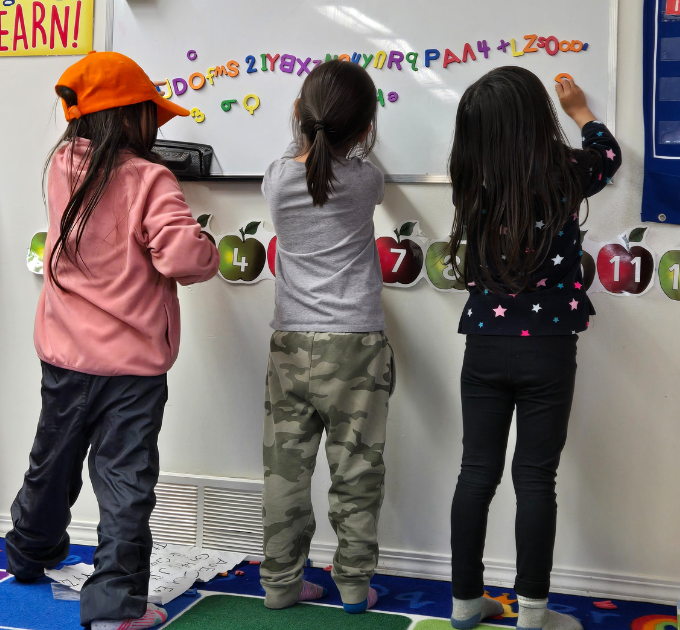
Across Canada, First Nations learners continue to face deep and persistent barriers to educational equity. While progress has been made in some regions, data show that gaps in educational attainment remain widest for First Nations people living in remote and northern communities, where infrastructure, staffing, and access to supports are most limited.¹ In these contexts, access to stable, qualified educators is often inconsistent.² As a result, fewer First Nations students complete high school or transition successfully into post-secondary pathways—not because of a lack of ability or ambition, but because learning has been repeatedly disrupted.³
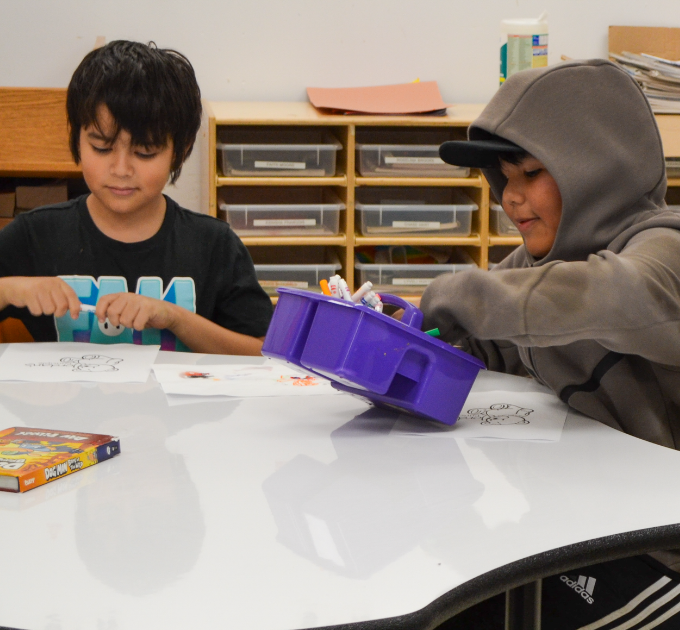
These inequities are compounded by a chronic shortage of certified teachers willing or able to work in remote First Nations schools. Recruitment and retention challenges are driven by factors such as isolation, housing shortages, and limited access to professional supports.⁴ Teacher turnover remains high, and with each departure, communities lose not only instructional stability but also relationships and trust that take years to build.⁵ For students, this instability can erode their sense of belonging—an essential foundation for learning and well-being.
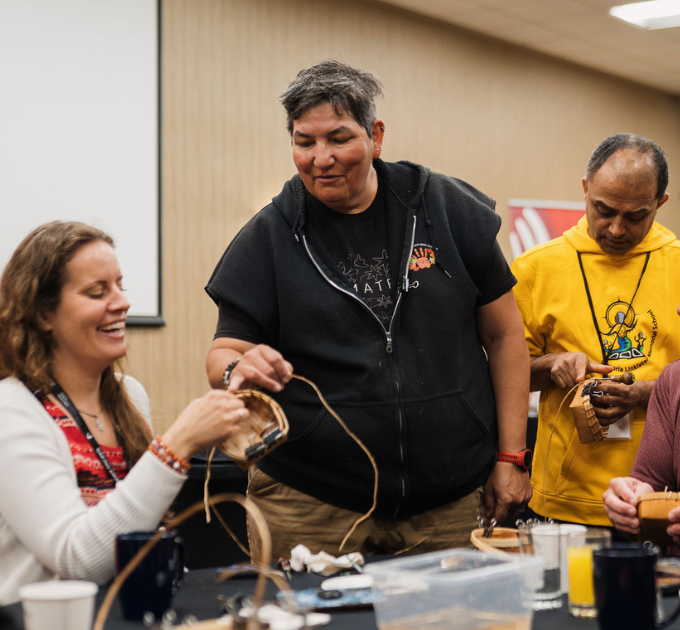
Gakino’amaage exists to address these inequities through partnership and action. Guided by the leadership and priorities of First Nations Community Partners, our work strengthens access to education that is rooted in community, culture, and place—so that students can learn in environments where they are known, supported, and able to succeed.
¹ Statistics Canada. Far From Home: High School Completion for First Nations People, Métis and Inuit (2025).
² Statistics Canada. Distance as a Factor for High School Completion—Remoteness Index (2023).
³ Assembly of First Nations & Centre for the Study of Living Standards. Closing the First Nations Education Gap in Canada: An Update Using 2021 Census Data (2023).
⁴ McIntyre, J., & Heppner, A. Northern Rural and Indigenous Teachers’ Experiences and Initial Teacher Education (ERIC, 2024).
⁵ Landertinger, L., Tessaro, M., & Restoule, J.-P. We Have to Get More Teachers to Help Our Kids: Recruitment and Retention Strategies in Remote First Nations Schools (2023).
JOIN THE MOVEMENT TO MAKE EDUCATION MORE EQUAL
“My own experience of being inspired by teachers is why I support Teach For Canada. I believe that Gakino’amaage: Teach For Canada could truly revolutionize the entire country.”
