


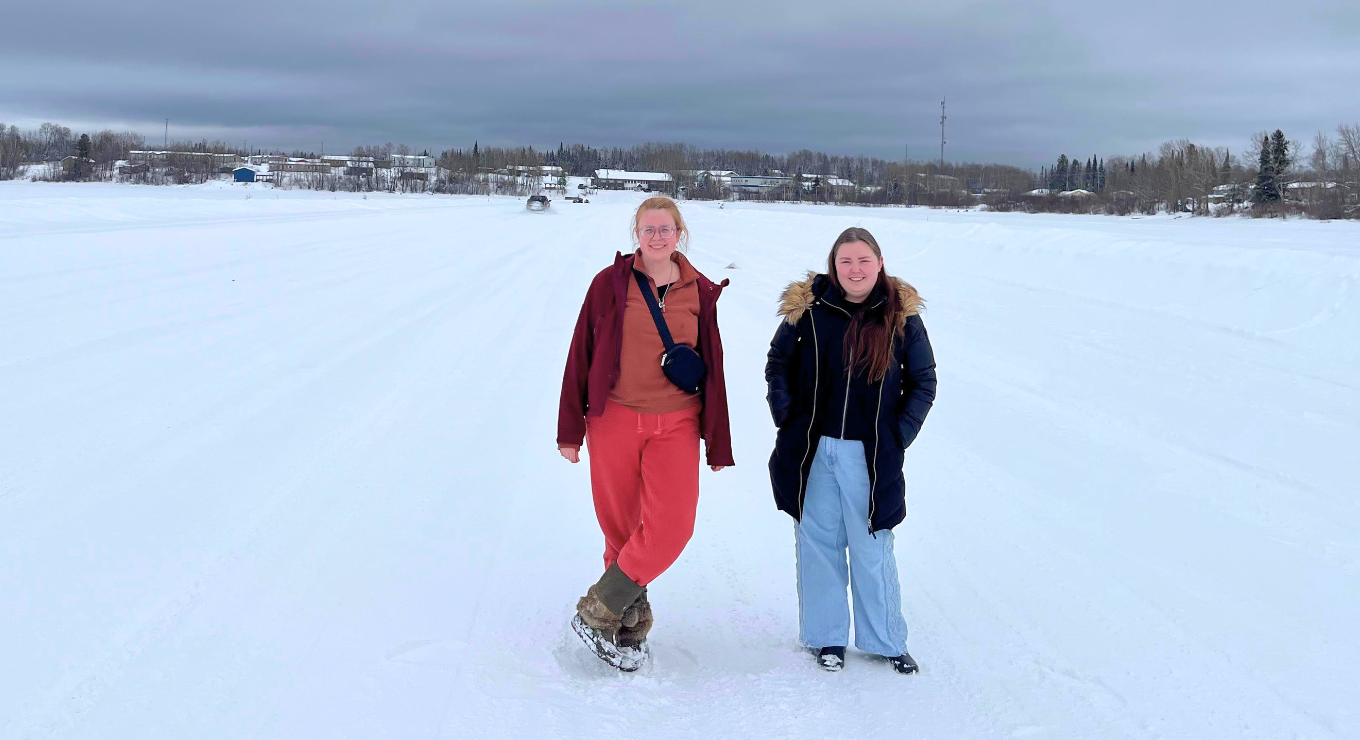
Ania is a certified teacher and member of the 2026 Gakino’amaage Cohort. They first became involved with Gakino’amaage through the Northern Practicum Program, where they were matched with Pikangikum First Nation to complete their final teaching practicum.
What began as a five-week placement soon became a calling to return. Through relationships with students, fellow teachers, and community members, Ania made the decision to return to Pikangikum this fall as a full-time teacher.
Now, while they prepared for the school year through Gakino’amaage’s First Nations-led Summer Enrichment Program, we connected with Ania to hear about what drew them to Pikangikum and how they’re preparing for the journey ahead.
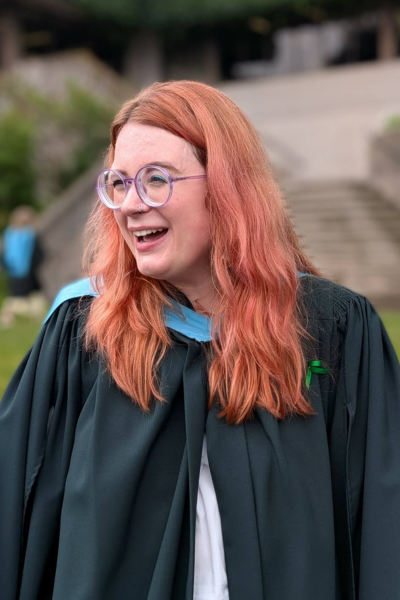
Ania, a certified teacher and member of the 2026 Gakino’amaage Cohort, is returning to Pikangikum First Nation this fall as a full-time teacher.
Teaching in a First Nation had been on Ania’s mind for several years. While completing their Bachelor of Education at Trent University, they took part in Gakino’amaage’s Northern Practicum Program, where they spent five weeks teaching Grade 11 and 12 Science in Pikangikum First Nation.
Like many teacher candidates, they expected to grow as an educator. What they didn’t expect was how quickly they would feel connected.
“There was such a strong sense of community in Pikangikum,” Ania says. “The teachers all knew each other.”
Ania is a multidisciplinary artist, having completed six years of formal visual arts training in Poland. Creativity has always been a big part of their life, and it quickly became one of the ways they connected with people in the North.
On weekends, they spent time in the school’s art room alongside teachers, students, and community members who gathered to sew, bead, work on regalia, and create together. It quickly became one of their favourite places to be. During their practicum, they also picked up beading, continuing to explore new creative mediums while learning from those around them.
“It was exactly what I needed,” they say. “I never felt lonely or bored. I felt connected.”
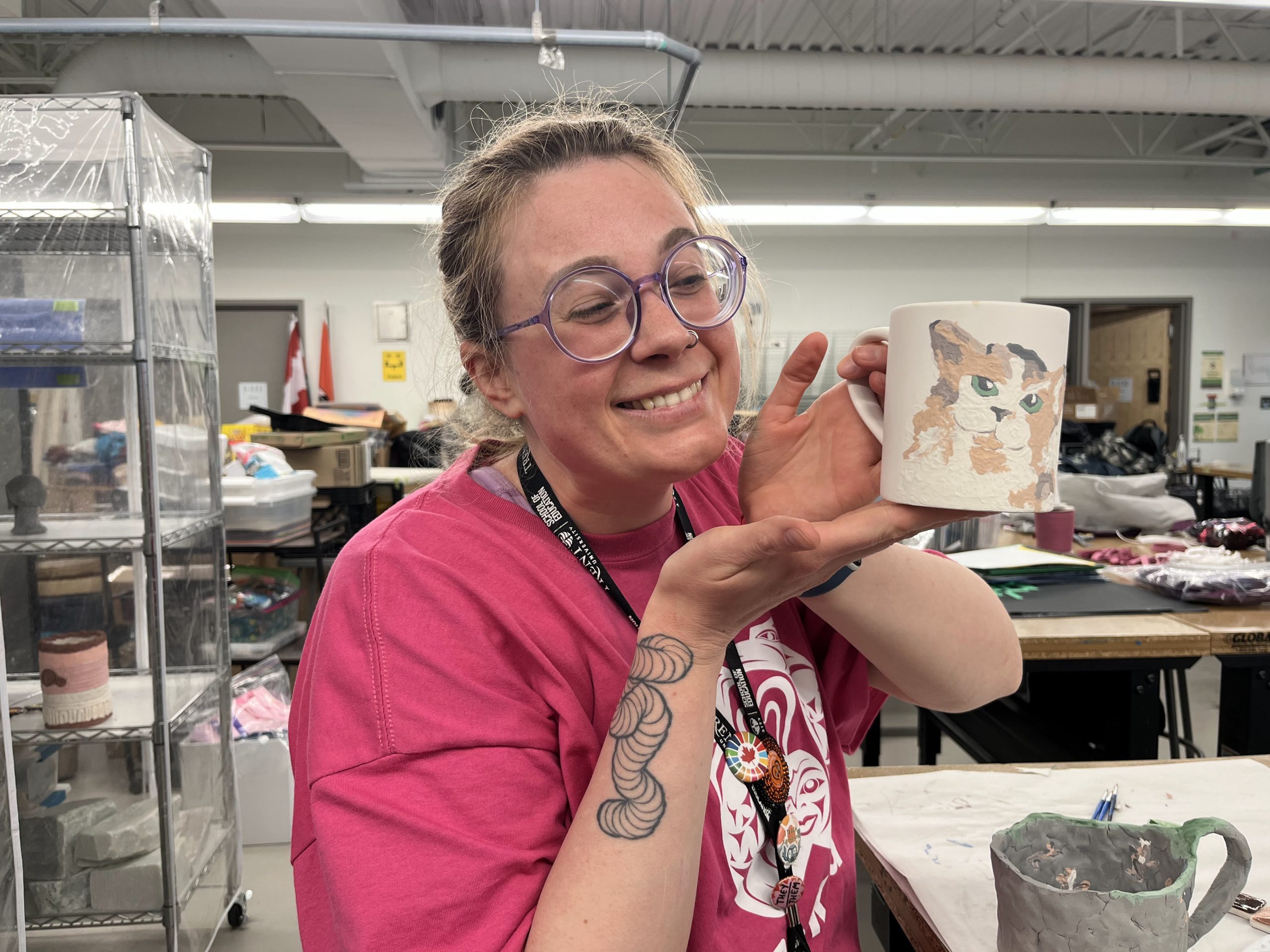
Ania and their mug in the art room in Pikangikum First Nation — a space that offered both creative expression and connection.
Their roommate also introduced them to a local sewing hub, where Elders would gather, visit, and speak Anishinaabemowin. Listening to those conversations and hearing students laughing together in their language was deeply moving.
“Hearing the students talking and laughing in Anishinaabemowin was so heartwarming.”
Growing up in a Polish family, Ania says learning about Indigenous histories has encouraged them to reflect more deeply on their own relationship with language and culture. While recognizing these histories are different, they have found meaningful points of reflection in the importance of preserving language and identity across generations.
“The more I learn about Indigenous histories and cultures, the more I reflect on my own,” they say.
Another thing that stayed with Ania was seeing how many teachers planned to return to Pikangikum the next school year.
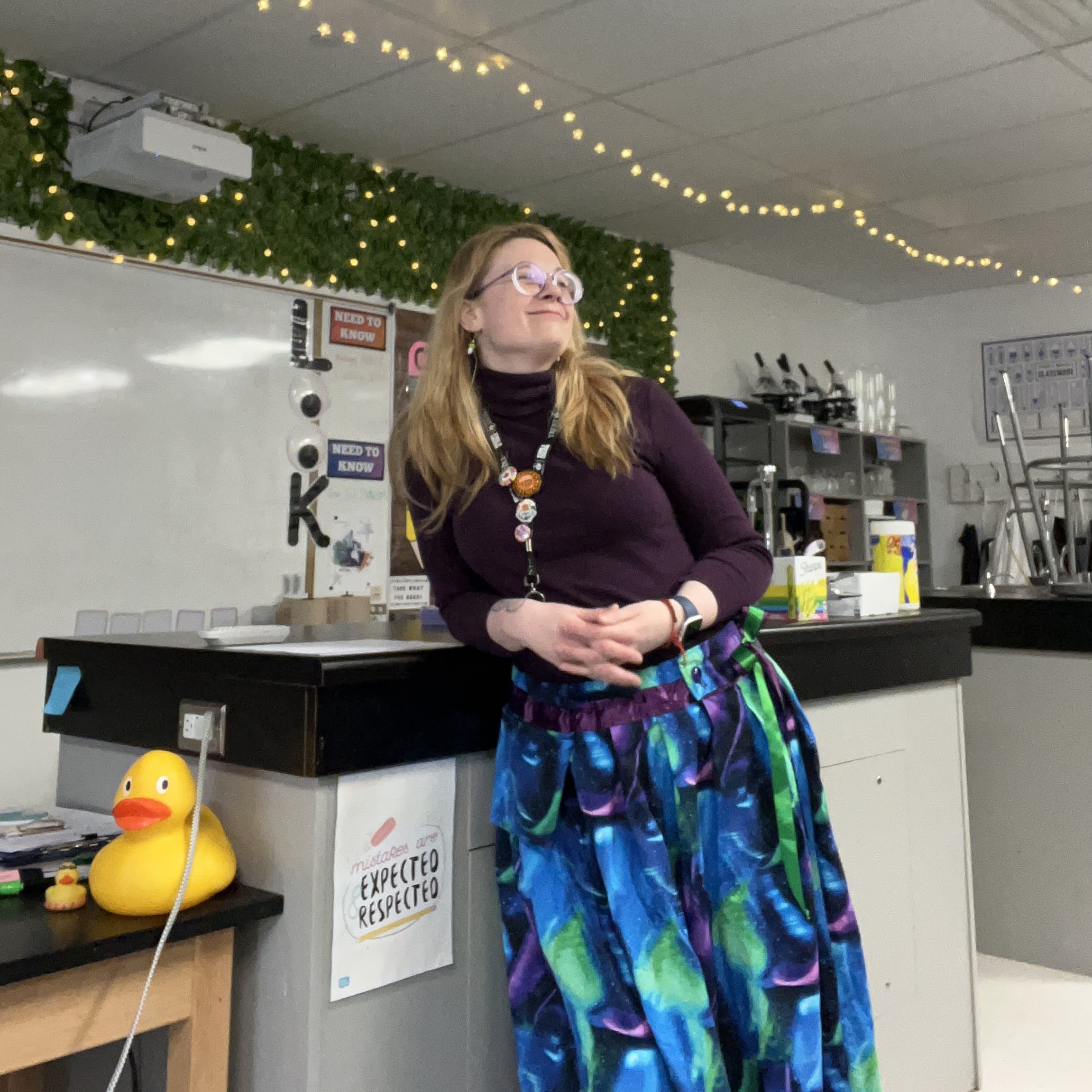
Ania in their classroom, wearing the ribbon skirt they made in an Elder-led sewing club — one of the ways they’ve found joy in the North.
“I was really happy to see the strong teacher retention,” they say. “Knowing people wanted to stay really mattered.”
By the end of the placement, Ania had made their own decision.
“I didn’t want to be someone who left. I didn’t want to come for five weeks and not commit.”
This fall, they will return to Pikangikum to teach Grade 9 and 10 Science, Healthcare, and World Cultures.
Before returning North, Ania spent a week taking part in Gakino’amaage’s First Nations-led Summer Enrichment Program. Through sessions led by Elders, Knowledge Keepers, First Nations leaders, and experienced educators, participants explored Indigenous histories, language, relationship-building, and approaches to teaching that will help prepare them for life in northern First Nations. The week is also an opportunity to build relationships with fellow educators and become familiar with the personal, peer, and professional supports available throughout their first years in the North.
For Ania, one support stands out.
“As someone who has experienced mental health challenges, I’m really grateful to have access to counselling,” they say. “Knowing that support is there throughout my time in the North means a lot.”
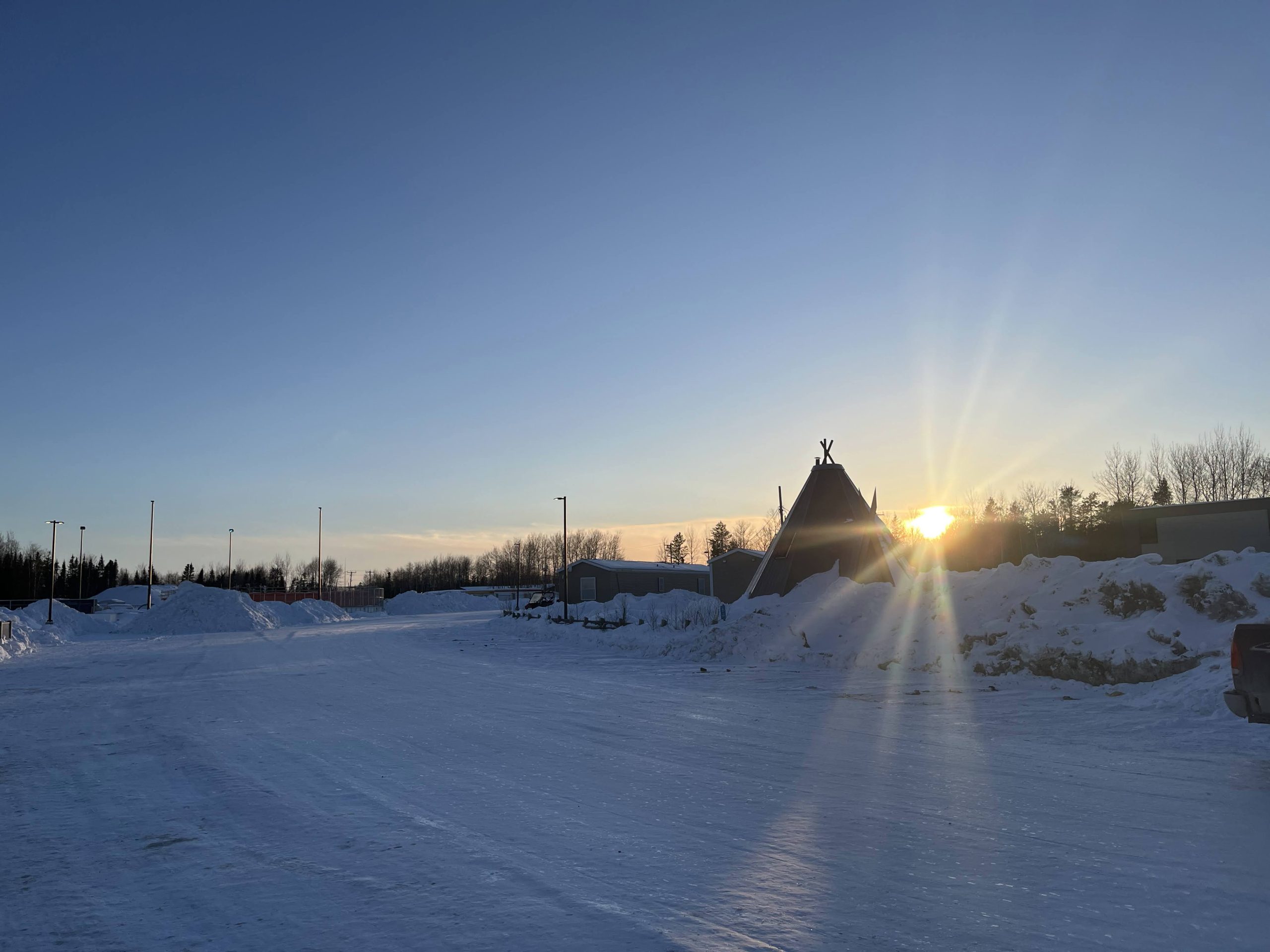
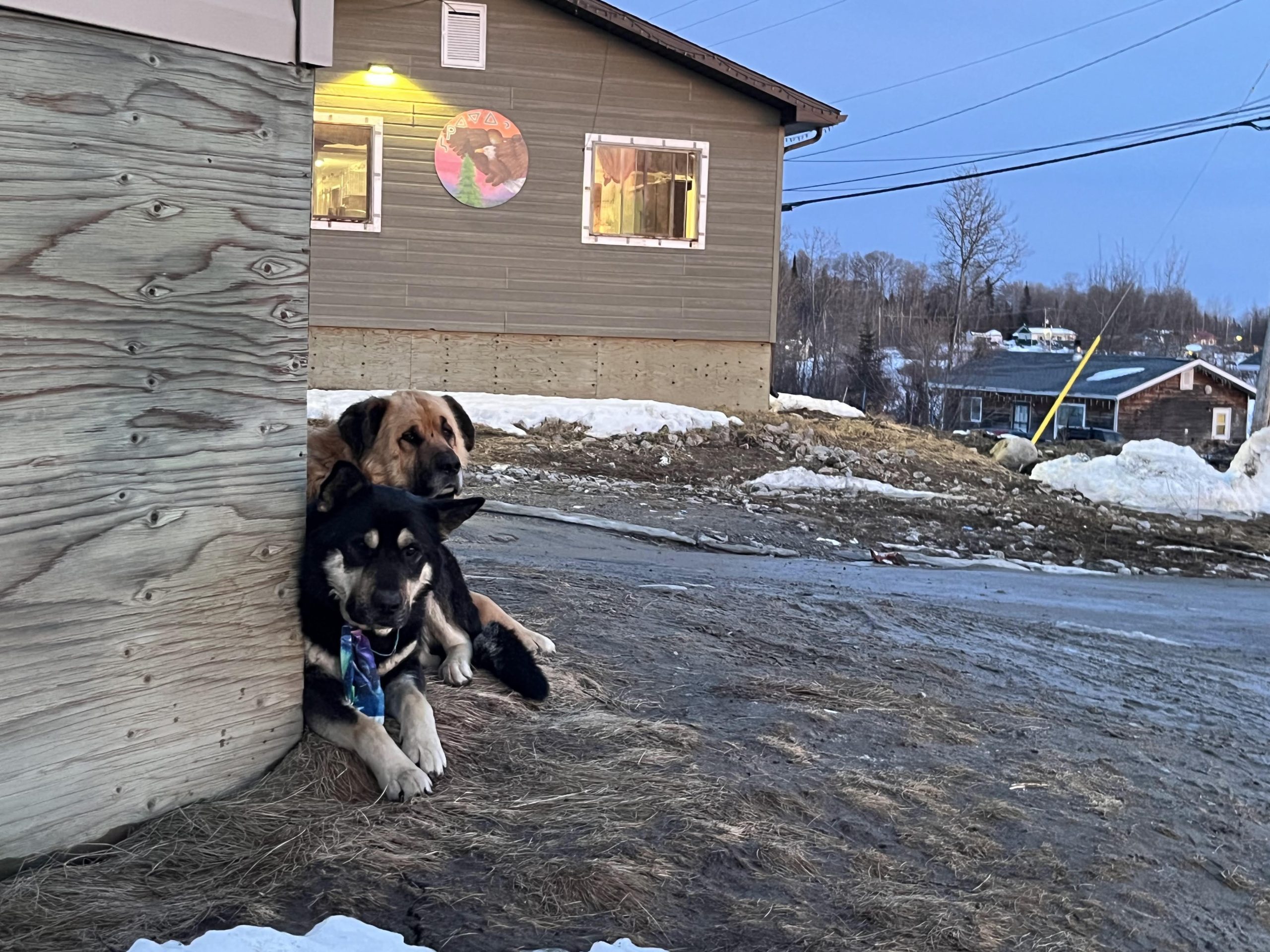
The sun shines in Pikangikum First Nation.
As September approaches, Ania is looking forward to returning to familiar faces, continuing to learn from the community, and teaching a new mix of courses. They’re especially excited to teach World Cultures and to continue learning alongside students.
They’re also looking forward to one experience they missed during their practicum.
“I didn’t get to go ice fishing,” they laugh. “I’m really looking forward to that this year.”
Ania is approaching the school year with one important reminder to themselves.
“I’m very enthusiastic,” they say. “I’m trying hard not to overcommit. I’m learning to pace myself.”
With the relationships they built during their practicum, and a week spent preparing alongside fellow educators through the Summer Enrichment Program, Ania is looking forward to returning to Pikangikum this fall—reconnecting with the community, continuing to learn, and building on the relationships that first inspired them to come back.
Interested in teaching in the North? Learn more about what it takes to join Gakino’amaage.