



For Tony Nozicka-Spence, working as an Education Assistant in the Sensory Room at Otayitiskiwin Kiskinwahamakikamik, an elementary school in Nisichawayasihk Cree Nation, is a way to give back to the community that raised him.
Tony grew up in Nisichawayasihk Cree Nation (NCN), attended the same elementary school where he now works, and went on to graduate from NNOC, the local high school. Today, he spends his days supporting students from Grades 1 to 6, helping them learn, express themselves, and build confidence.

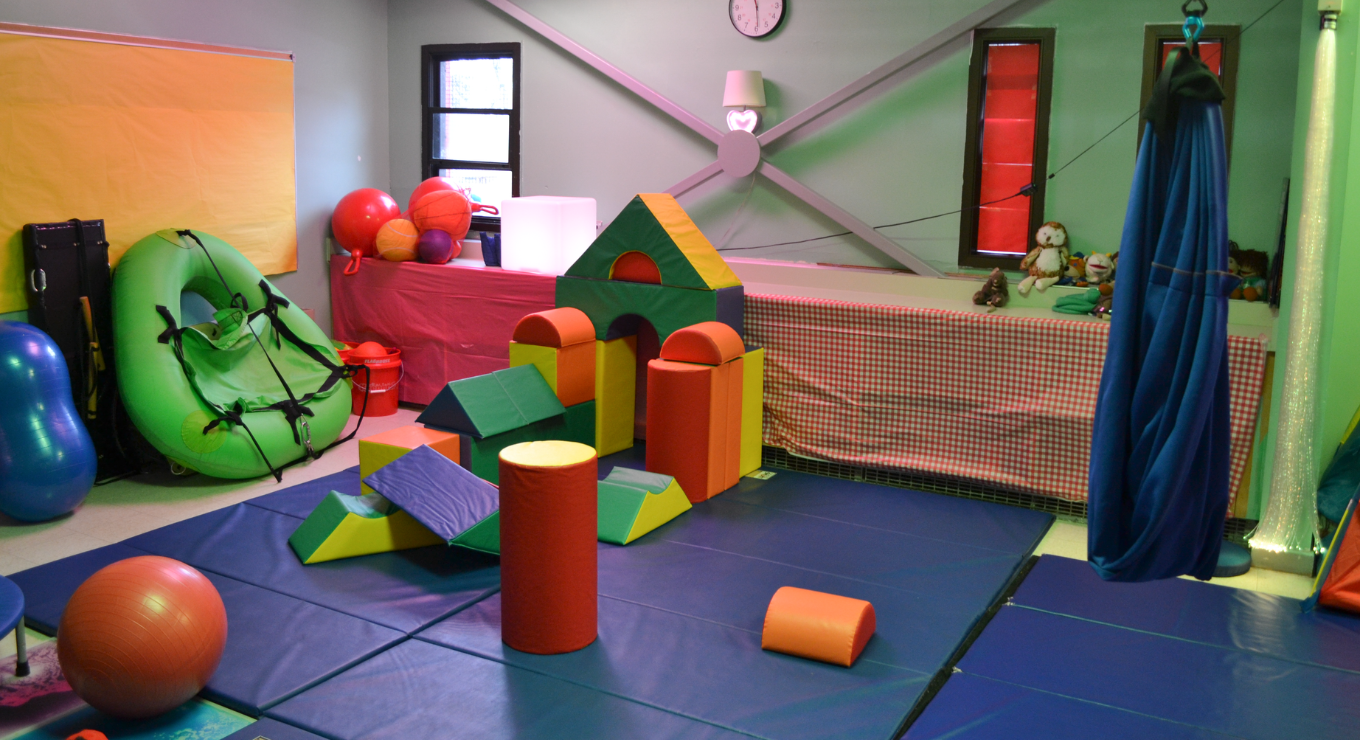
Meet Tony! Standing proudly next to the soft blocks in the Sensory Room at Otayitiskiwin Kiskinwahamakikamik (OK) School in Nisichawayasihk Cree Nation, a space dedicated to supportive and engaging learning experiences.
“In the Sensory Room we work with kids on the spectrum — both verbal and non-verbal, with differing abilities,” Tony explains. “We’ve got bicycles, trampolines, crash mats, swings, and building blocks so they can get their energy out or build houses and forts. And if they just need a quiet space, we’ve got weighted blankets, chairs, and slides where they can relax.”
The Sensory Room is a vibrant, welcoming space where every child belongs.
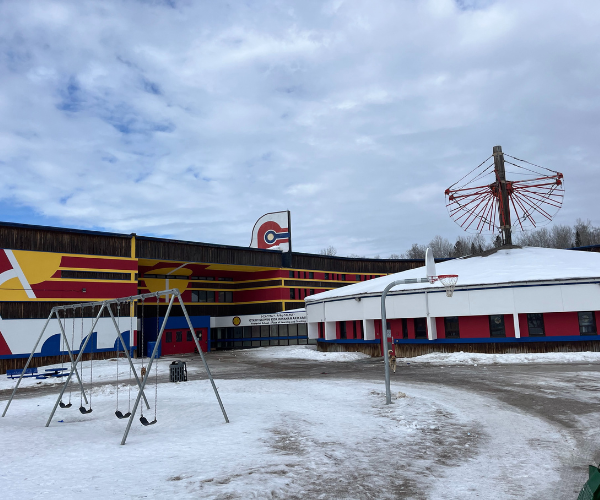
A growing place of learning: Otayitiskiwin Kiskinwahamakikamik is one of two schools in Nisichawayasihk Cree Nation, serving more than 500 students from Nursery to Grade 9 and helping shape the next generation alongside the community’s new high school.
Tony’s focus is simple: help students leave the room feeling good about themselves. “When I was in school, we didn’t have as much of a need for this kind of room,” he says. “Now, it’s such a great resource for our students. We make sure they leave feeling positive — that’s what matters.”
Having lived in NCN his whole life, Tony understands the power of connection. “I love being here — being with my family, seeing the kids, watching them grow. The best part is when they come up to me, hug me, tell me they love me. It makes my heart warm.”
Those small moments are what make the work meaningful — and what keep Tony committed to helping students succeed.
Over his five years working in education, Tony has witnessed the impact of teacher turnover firsthand. “Sometimes teachers leave without any reason — just up and go. It really affects the kids,” he says. “They try to have the EAs step up and teach, but we don’t have the proper structure or training to run a class. We need that support and experience.”
That’s part of why community-based education pathways matter so deeply. Programs like Endaayan: A First Nations-Led Pathway to Teacher Education — a Bachelor of Education program developed by Gakino’amaage in partnership with First Nations — are designed to support people like Tony: local educators who want to keep learning without leaving home.
“A lot of Indigenous people don’t like to leave home — they like to stay close,” Tony shares. “When I graduated high school, I was forced to go to university during peak COVID. Being so close with my family, I felt discouraged and disconnected without them. I ended up finishing my studies from home.”
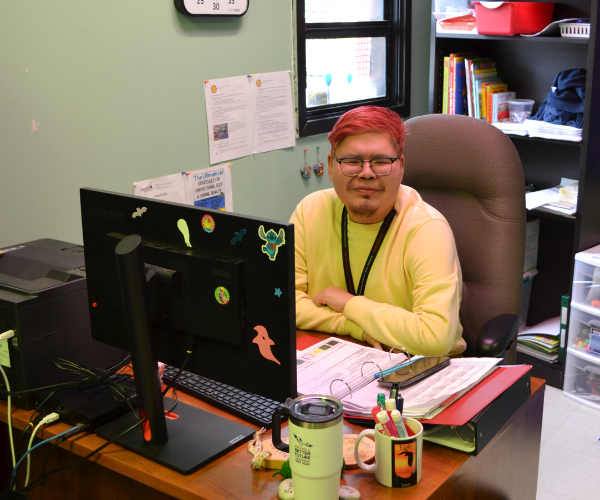
Rooted in community, Tony is building the kind of learning environment every child deserves, and showing why local pathways in education matter.
For Tony, and many others like him, the idea of training to become a certified teacher in their own community isn’t just convenient — it’s transformational. It keeps education grounded in place, language, and connection.
Just as Endaayan opens doors for aspiring teachers, Gakino’amaage’s Education Assistant Program strengthens the foundation that educators like Tony are already building in their communities. This First Nations–led program supports education assistants, tutor-escorts, and paraprofessionals in the First Nations Gakino’amaage serves by offering culturally grounded professional development, mentorship, and ongoing support.
Through in-person learning, skills training, and community-based coaching, the program helps EAs grow in confidence and capacity while remaining rooted at home. By investing in local talent and expanding pathways in education, the Education Assistant Program contributes to a stronger, more sustainable supply of educators — reinforcing the continuity, relationships, and local expertise that are so essential in supporting student success.
Stories like Tony’s remind us what becomes possible when education is rooted in community. If you’re interested in supporting or learning more about First Nations-led pathways for local educators, Gakino’amaage welcomes you to reach out, connect, and walk alongside this work.
