
adfafda

Project-based Learning Builds Pride

Posted by Meredith Stapon

Lora Kikuchi is a grade 7/8 teacher at Pegamigaabo School in Big Grassy River First Nation. She is currently in her second year as a Teach For Canada teacher. Before going North with Teach For Canada, Lora completed her Bachelor of Education at the Ontario Institute for Studies in Education (OISE), University of Toronto, and her Bachelor of Arts at York University. She has previously taught in New Zealand, Japan, and France. Lora is originally from Toronto.
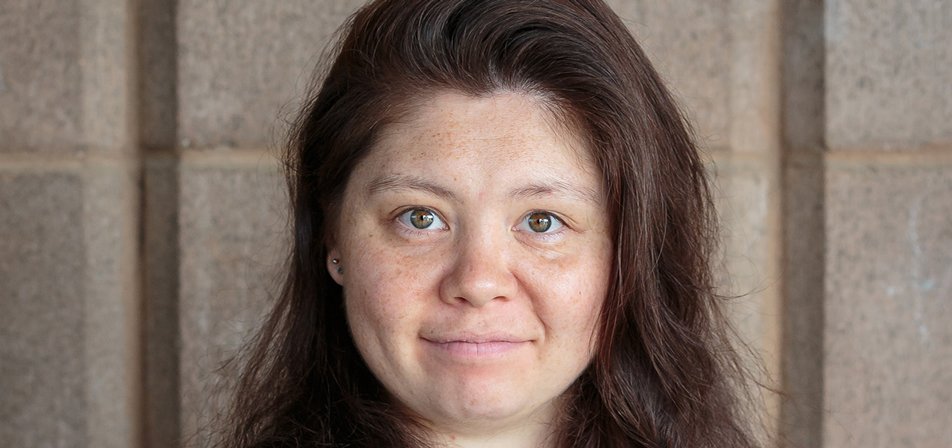
 

Lora Kikuchi is a grade 7/8 teacher at Pegamigaabo School in Big Grassy River First Nation.


Boozhoo.  My name is Lora Kikuchi and I am the grade 7/8 teacher at Big Grassy River First Nation. This is my second year teaching grade 7/8 in the North and my first year in Big Grassy River First Nation.  I am an Intermediate/Senior teacher with Health & Physical Education and French as a Second Language as my teachables. By now, you may have guessed that I probably feel totally out of my element to be teaching Language Arts, Science, Geography, History, Music, Art, Math, Native Language, etc.
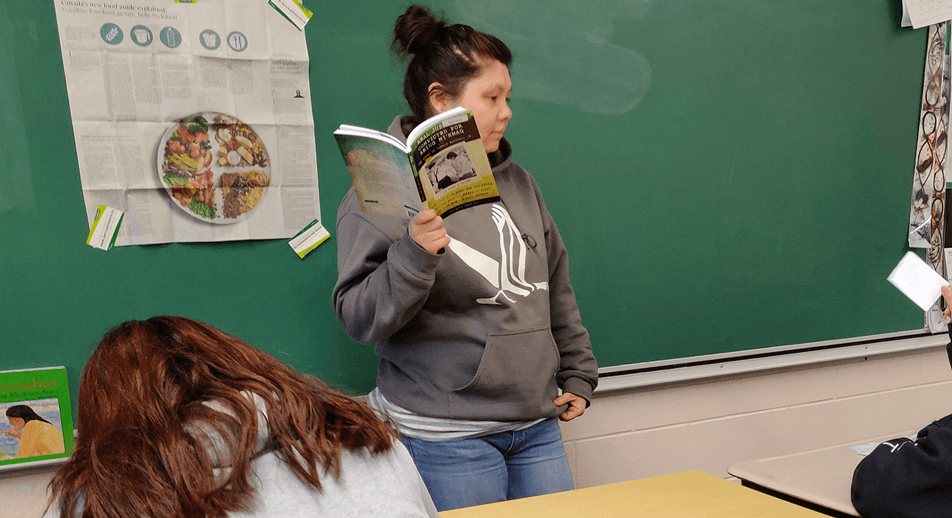
 

Teaching grade 7/8 has been challenging and rewarding for Lora.


I have interacted with and taught many young adults in my life, and I am learning slowly that grade 7/8 may be some of the toughest years to teach. I have been told, “It doesn’t matter who is in the classroom. The kids always seem to act up once they get to grade 7/8.” While this year has made question how much I can handle, I am definitely not known as a quitter.
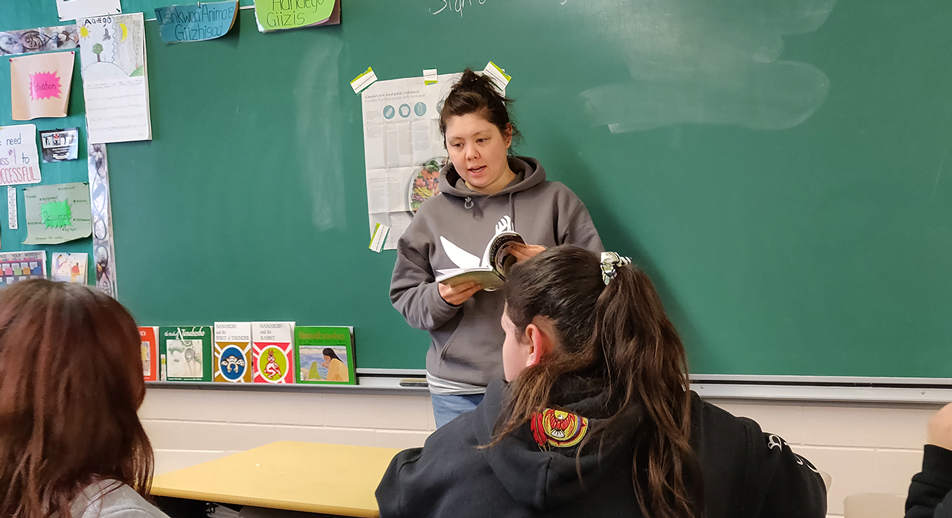
 

Feedback from Lora’s students helped her think of project-based learning.


Like many students their age, my students like to wander in and out of class, talk back, talk loudly, move their chairs to sit with their friends during lessons, and throw things across the classroom. Since September, I have been trying to think of ways to address this. My students often tell me they hate school and that they are bored. Regular classroom routines are clearly not working. My solution: no classes.
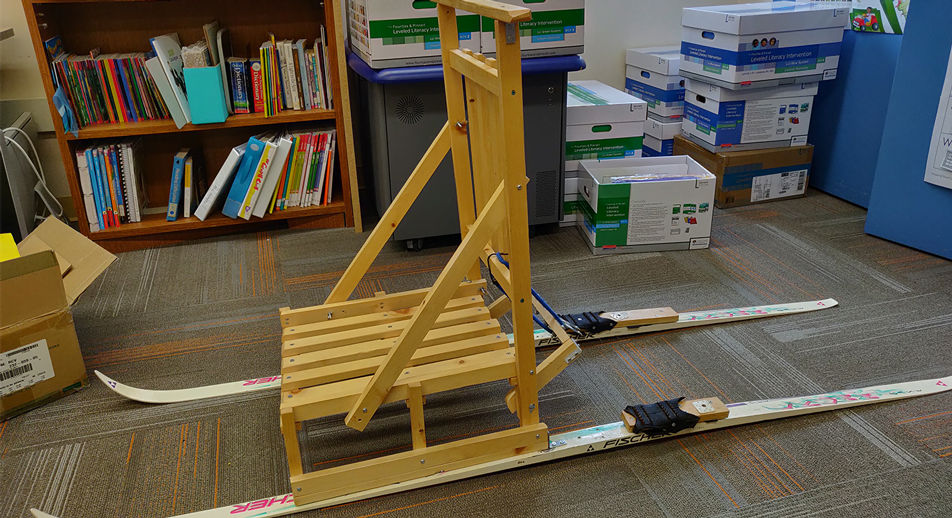
 

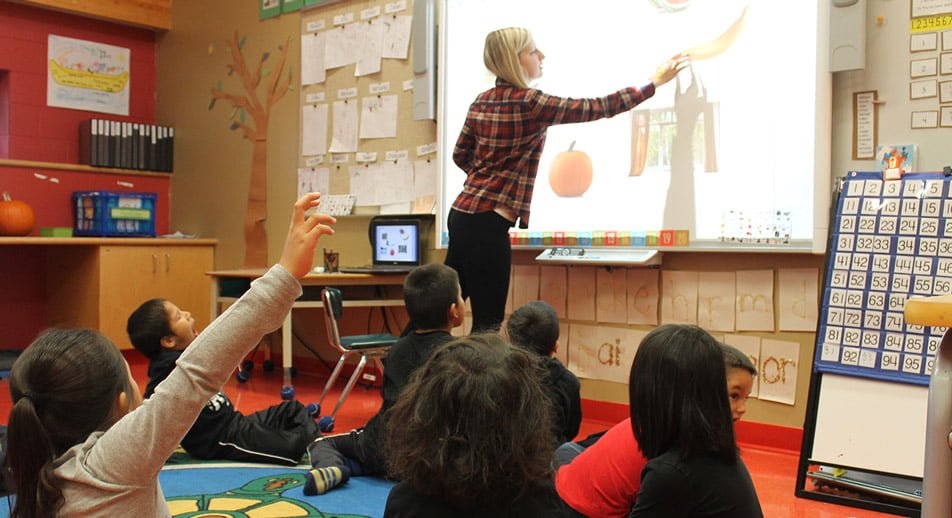
Lora saw her colleague Karen’s original prototype of a kicksled and thought it would make a great project for her students.


Before you make assumptions, ‘no classes’ did not mean that the kids did not go to school. Instead, we did a two-week long project of designing and making ribbon skirts with no formal lessons. Since then, we have made bannock, candles, and most recently…kicksleds!
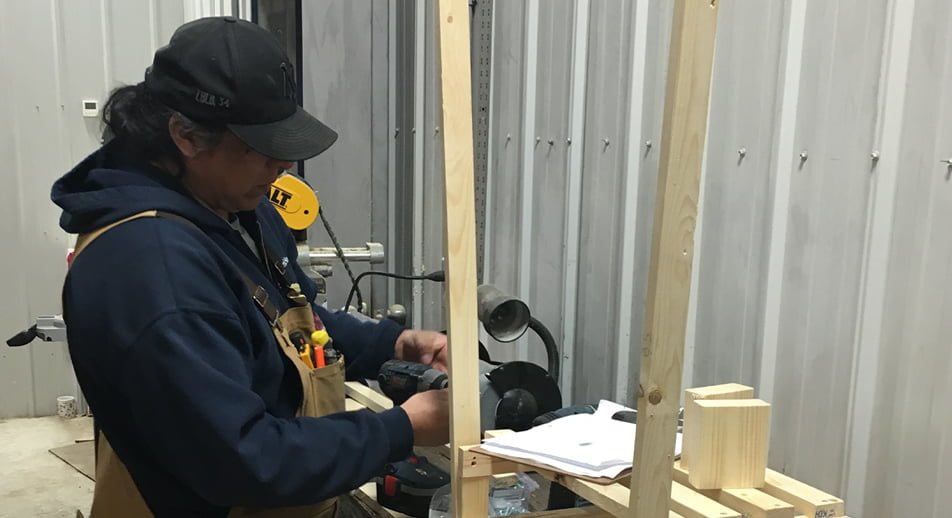
 

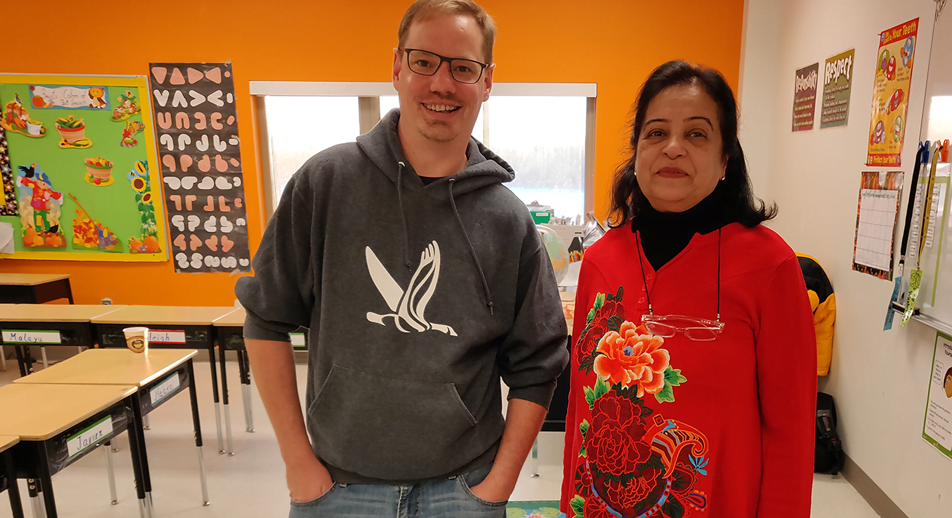
Tim Archie, head of construction in Big Grassy River First Nation, helped provide students with space and tools.


My colleague Karen, or Ms. C-G, is the SERT for Pegamigaabo School and she brought up her kicksled that she had designed and made.  This kicksled is made on old cross-country skis. This got me thinking: maybe my students can make these for our science class on structures.  I was told that there were a whole bunch of old skis lying around somewhere that hasn’t been used in years. So, I talked with my principal and Big Grassy’s head of construction, Tim Archie. We found the skis and purchased a bunch of wood.
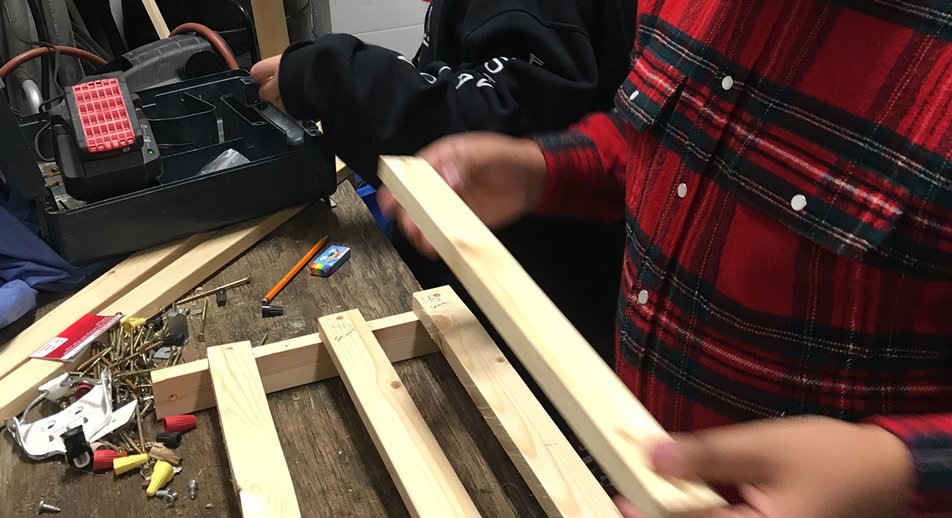
 

Lora purchased wood and found unused skis from around the community in order to build the kicksleds.


Having your principal on board is always helpful, but getting our head of construction on board was the best thing ever.  Community initiative and involvement is key. We set up a schedule and the head of construction opened the fire hall for my class.  He and his assistant gave us a tour of the space and the kids heard about job opportunities that they never knew about.
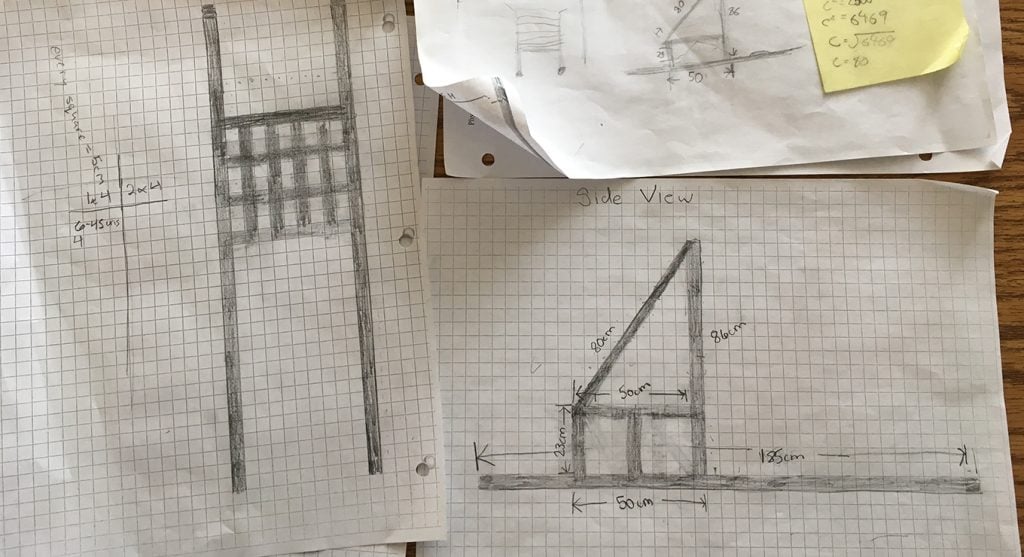
 

Technical drawings of kick-sleds designed by students

Students worked on technical drawings to design their kicksleds.


After the kids drew up their initial designs on scrap paper, I had them do technical drawings on graph paper using ratio (1 square = 5 cm).   The designing part always seems to take the longest. I think this is because they have a hard time picturing what the end product will look like.  It took several days of 1.5-hour science classes. Even then, many did not finish. Nevertheless, we started heading to the fire hall to start measuring pieces of wood (and finishing our designs).
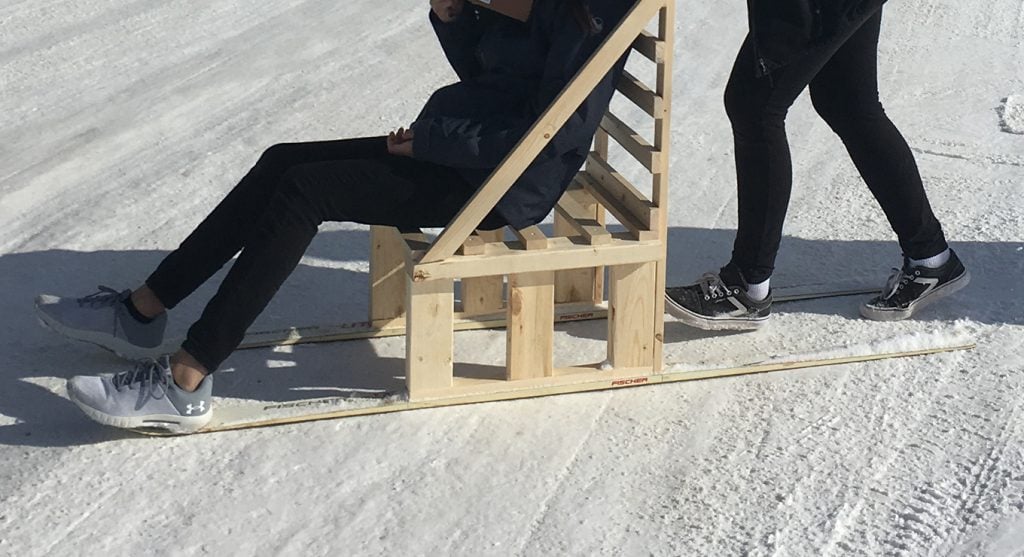


There were many distractions in the fire hall.  There also may have been several games of tag and hide-and-go-seek going on while building. Several kids tried climbing the fire truck and the forklift. I am telling you all this because there wasn’t a miraculous change in the students doing project-based learning, but I think the kids gained a little confidence and pride in their abilities. Just before the break, I encouraged them to take the kicksleds out for recess and it looked like they were having fun.
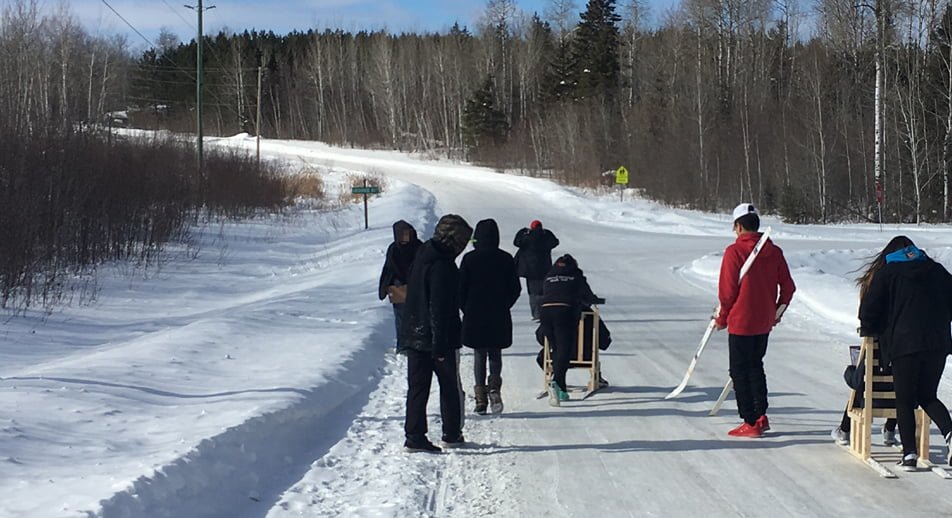
 

A group of students riding kicksleds down a snow covered road in Big Grass River First Nation

Students from Big Grassy River First Nation tested out the kicksleds they built.


I could not have done this project without the support of Ms. C-G, my EA, our principal, and our head of construction.  We had other volunteers, like the infamous Elvis as well. I feel very fortunate to have such supportive people working in Big Grassy.  I hope that the students see that there are many people here who care about their education and success.
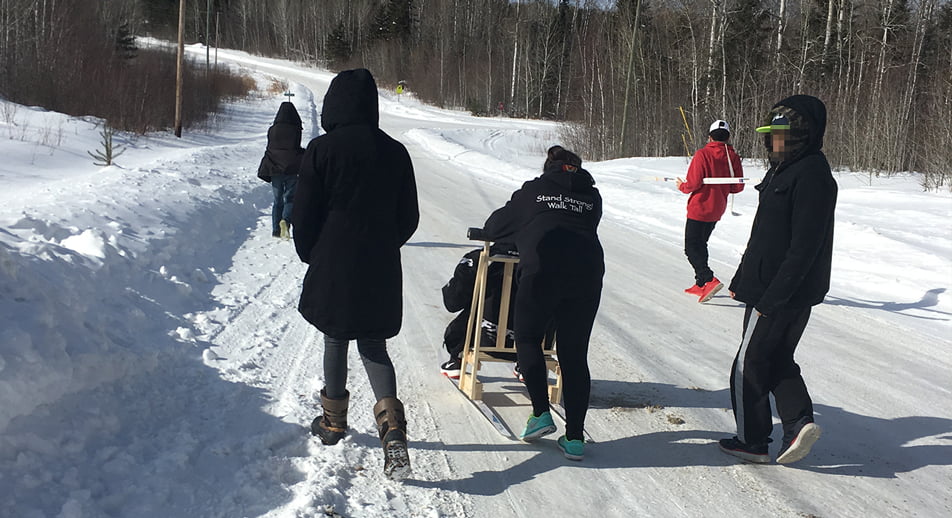
 

Youth push a kicksled down a snowy road

Students who participated in project-based learning gained confidence and pride in their abilities.


If I have one take-away message for you, it would be this:  

Give kids opportunities to be proud of their abilities.

It’s cliché, I know, but somewhere down the road, I guarantee that my students will forget me and the curricular content that I tried so hard to teach, in hopes that they will be successful individuals. But I hope that they will look back at the items they created and made like their kicksleds, and find the courage to take risks and to be their own unique engineer for life.
adfafda

Teacher Feature: Rebecca Maclure

Posted by Meredith Stapon

Rebecca Maclure is a grade 4 teacher in Pikangikum First Nation in Northern Ontario. Rebecca has twenty years’ experience in education and administration, including recently teaching the Ontario curriculum in a Canadian school in China. Rebecca completed a Bachelor of Science and Education and a Master of Arts (English Literature) through the University of Jabalpur. She has a Diploma in Counselling Skills from the International Career School and a Diploma in TESL from the Canadian College of Educators. She is originally from India.


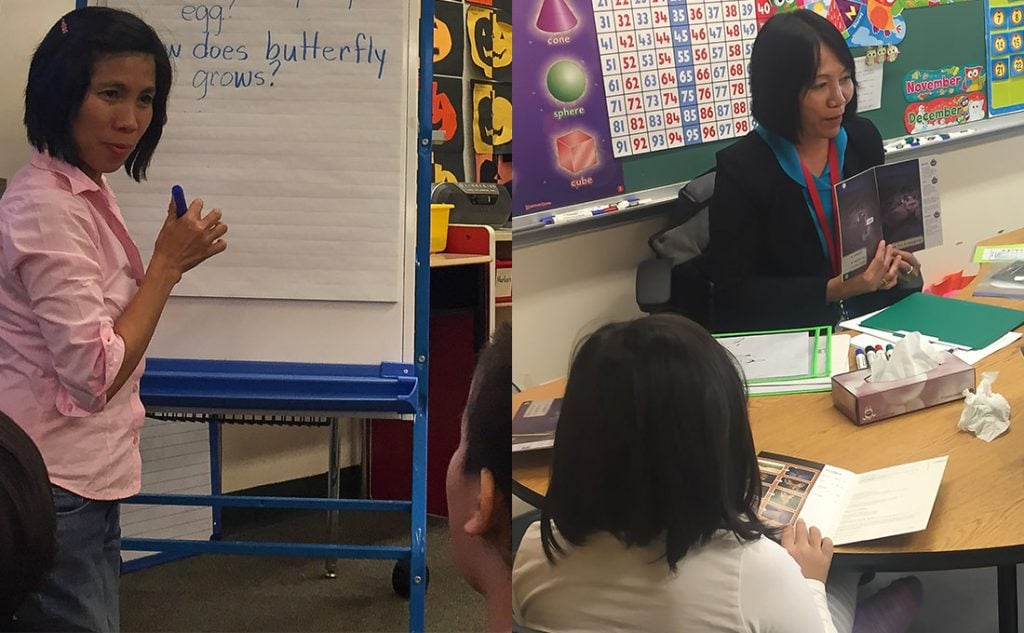
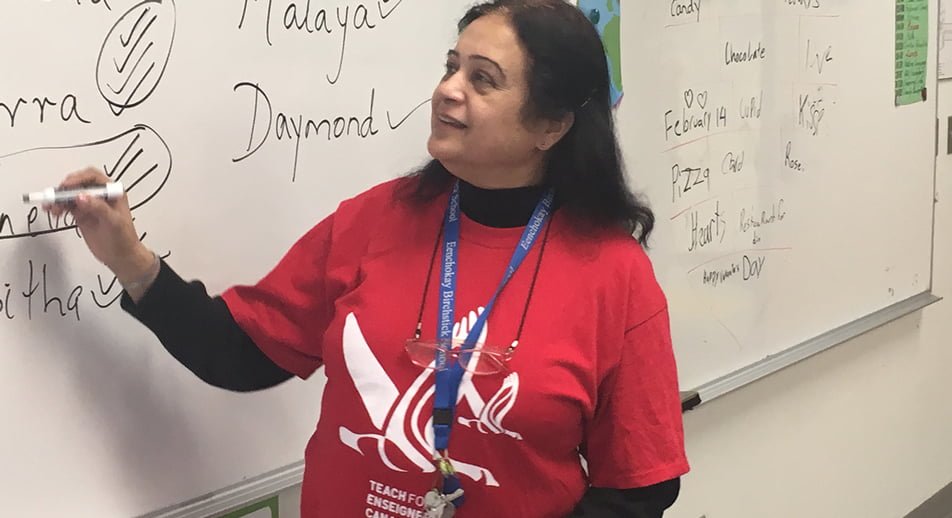
A photo of Teach For Canada teacher Rebecca Maclure working on a white board

Rebecca Maclure is in her first year teaching grade 4 at Pikangikum First Nation in Northern Ontario.


There are always challenges when you decide to pick up and move to a new place and a new context. For Teach For Canada teacher Rebecca Maclure, those challenges were compounded by the fact that she didn’t simply move from a southern Canadian context to a northern Canadian context. Instead, Rebecca joined Teach For Canada on the heels of a teaching assignment in China. She left directly from China to attend the Summer Enrichment Program, and from there headed to the northwestern Ontario nation of Pikangikum.


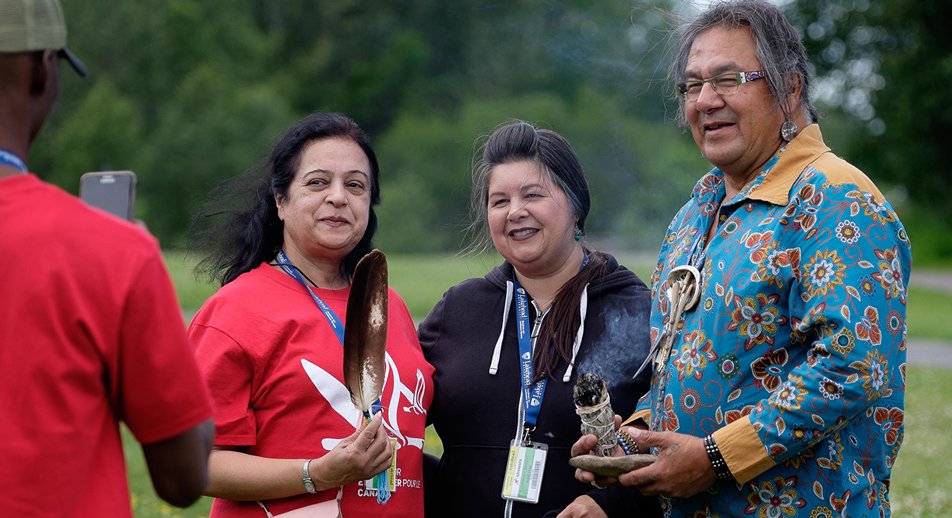
Rebecca (left) at the Summer Enrichment Program with Elders-in-residence Bernard and Tammy Nelson in July 2018.


One challenge that teachers face when they move to the North is establishing a sense of community in a new place. For a seasoned traveller like Rebecca, it was natural to build that sense of community in her new home. After three years of teaching in China without her husband, Rebecca understood the need to make personal connections when moving to a new place.


Rebecca teaching in her classroom in Pikangikum First Nation.


Her husband, a petroleum engineer working out of Mississauga, would not be joining her on this adventure, so Rebecca quickly got to work building the supports and community that she needed in this new place. It certainly helped that she had made new friends at the Summer Enrichment Program before going to Pikangikum First Nation.


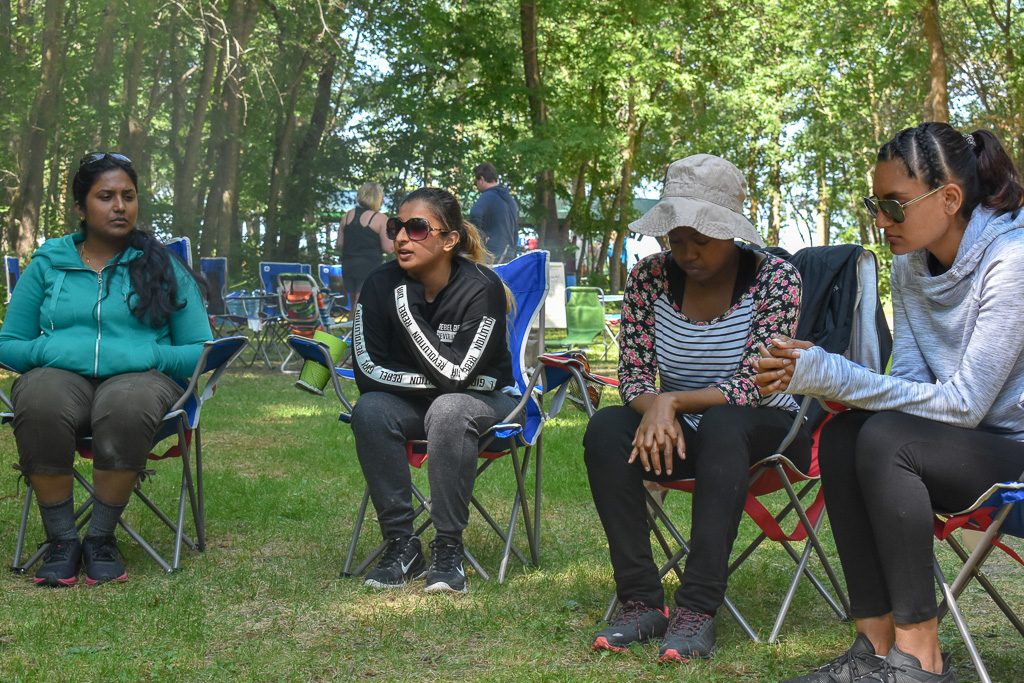
Rebecca (centre) spending time with fellow Teach For Canada teachers Rohini (left) and Bhavna (right) outside of school.


On Friday nights, and often on other evenings as well, Rebecca and several other teachers get together to enjoy the food that they love. Rebecca is from India, as are some of the other teachers in Pikangikum First Nation. But their potluck dinners are not restricted to any one type of cuisine. At any given time they might share a dish of chana masala, or some of Rebecca’s famous spiced rice dish.


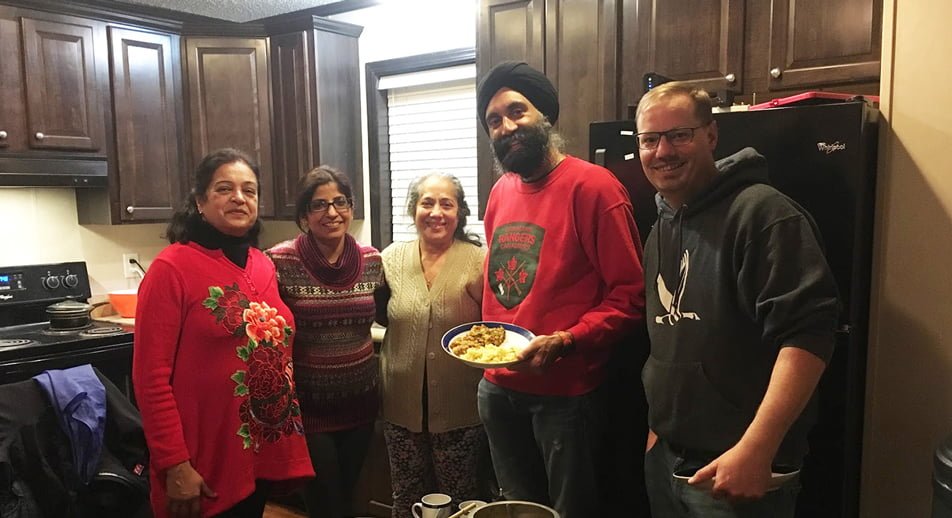
Five people stand around a potluck dinner in a kitchen

Rebecca (left) enjoying a potluck dinner with colleague Bhavna and a friend, along with visiting Teach For Canada team members.


While they enjoy Indian food, they are just as likely to share Middle Eastern recipes or even Jamaican fare. As Rebecca said, “We just share dishes that we enjoy. Anything we know how to make. I was in the Middle East for a while, so I often make Middle Eastern dishes as well.” This gives Rebecca and others space to share not only their favourite dishes but also to network and discuss successes and challenges at work. These teachers have formed a bond that gives them an opportunity to talk about anything and everything that they deal with as teachers in the North.


Organizing potluck dinners have been a simple, easy way for Rebecca to help build a sense of community.


Community is important. Sharing the ups and downs that come from teaching in the North, or anywhere, is invaluable to teachers. But that community doesn’t just happen. It takes work to establish a healthy community of peers and friends that will support you during challenging times and celebrate your successes with you.


Teach For Canada’s Teacher Development Managers like Dan MacDonald provide support and celebrate successes too.


Rebecca and her co-workers have created that community in Pikangikum First Nation. A potluck is such a simple thing, but the benefits of creating this type of space and a community of others who share context can make a significant difference for everyone involved and becomes a weekly highlight. Too often teachers lack this type of connection outside of the workplace, but for the teachers in Pikangikum, there’s always a potluck coming soon.


adfafda

Going North on the Ice Road

Posted by Meredith Stapon

Deb Allen and her husband Tyler, a Teach For Canada teacher, both work at Martin McKay Memorial School in Sachigo Lake First Nation. Deb was born and raised in Sydney, Australia, and completed a Bachelor of Arts from the University of Otago, working in finance for over a decade in New Zealand. Tyler grew up in Blue Mountain, Ontario, and completed a Bachelor of Education at the University of Otago in New Zealand, teaching there for several years. 

Deb and Tyler have both worked as snowboard instructors and once ran an off-the-grid fishing and hunting lodge on Manitou Lake. They moved to Sachigo Lake First Nation in 2017 when Tyler became a Teach For Canada teacher. Deb documented their ice road adventure from Sioux Lookout to their home in Sachigo Lake First Nation this past February.

Ice roads are winter roads in the North that connect First Nation communities to permanent highways. In Ontario, more than 30 First Nations rely on winter roads for more affordable travel and to truck in supplies. They are open between mid-January until the spring thaw. 


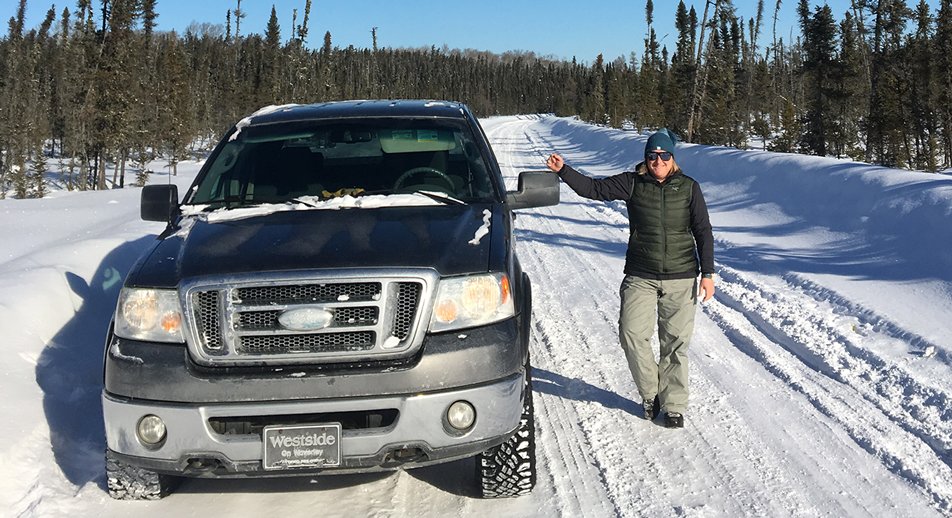
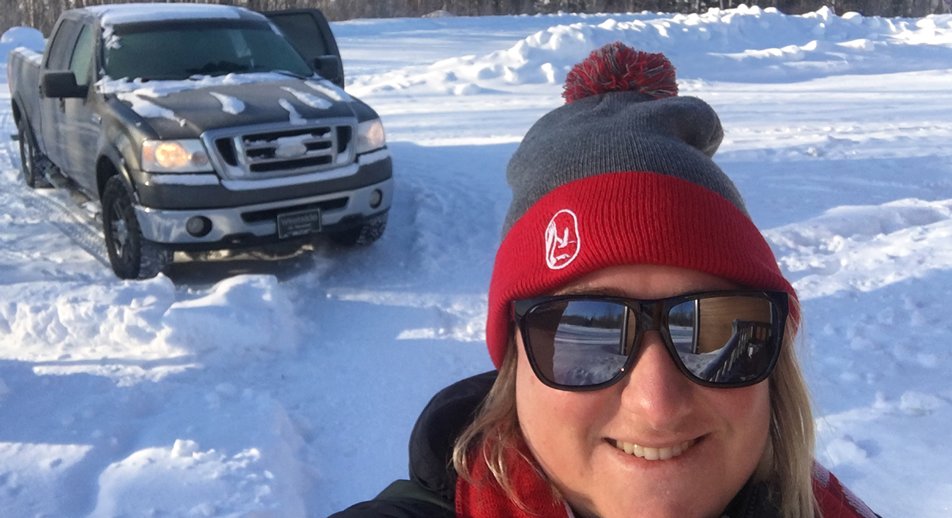
Deb Allen stands beside her truck on a snow covered road

Deb Allen documented her and her husband Tyler’s journey on the ice road to Sachigo Lake First Nation.


Sioux Lookout to Pickle Lake – 263kms
Drive time: 3.5 hours
Road conditions: Excellent and well-maintained

They gripped the snow with grit. Our aggressive truck tire treads kept Tyler and I stuck on the ice of the northern ice road. We set off on a Saturday morning in February from Sioux Lookout to drive to our Sachigo Lake First Nation home.


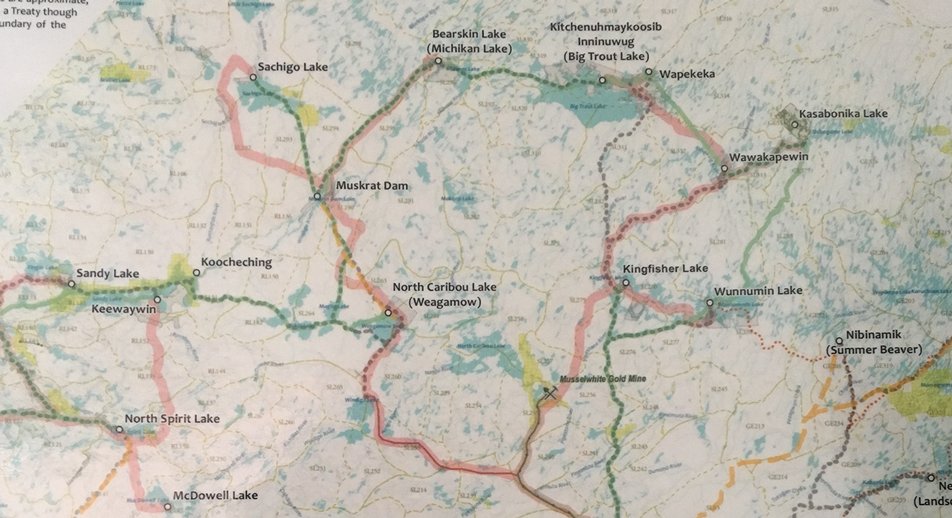
A map of the northern ice road to Sachigo Lake First Nation

A paper map of the northern ice road to Sachigo Lake First Nation.


Several community members were very concerned we wouldn’t make it and told us the story of a Northern Store manager who attempted to drive to Sachigo Lake First Nation but ended up in Wunnumin Lake First Nation, many kilometres east.


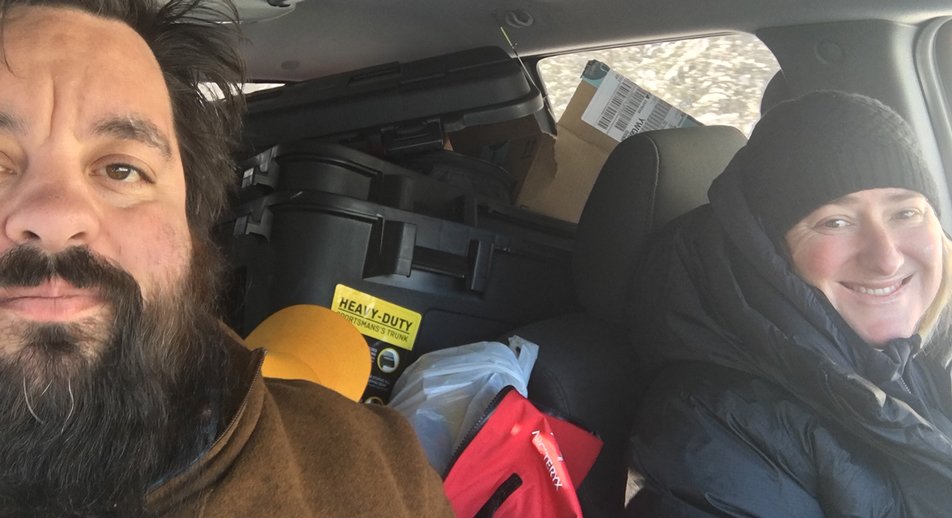
Deb and Tyler packed their truck and hit the road, leaving Sioux Lookout.


However, we were not deterred. Based on valuable local information and two vague digital maps (which we found out later were out of date) we were optimistically confident we would make it. Loaded up with gear, gas, and gusto we left Sioux Lookout.


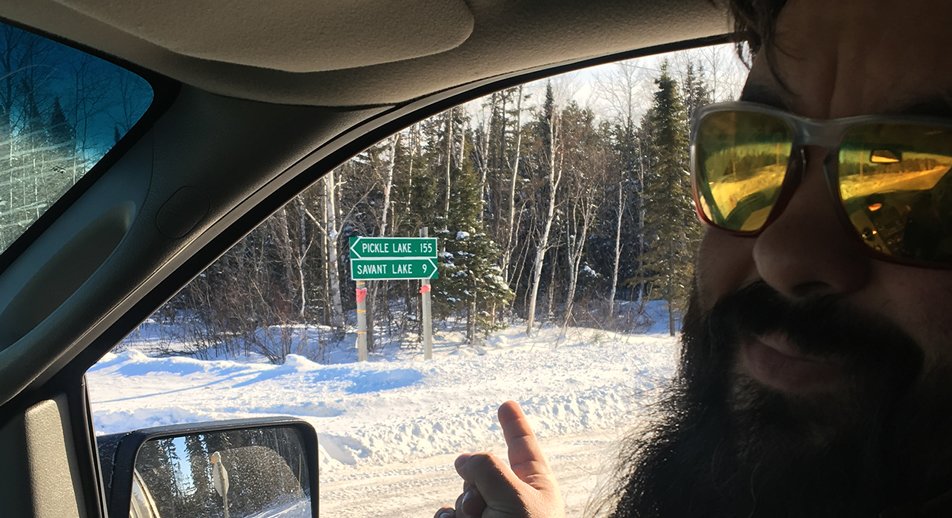
Tyler pointing towards a signpost they followed towards Pickle Lake 155km away.


Pickle Lake to North Caribou Lake First Nation – 288kms
Drive time: 4 hours
Road conditions: Fairly smooth

There were a few wrong turns, direction debates, thoughtful beard pauses, and ambiguous intersections but we were prepared to spend the night in the truck if need be and wait for the Sachigo Lake First Nation convoy that was a day behind us.


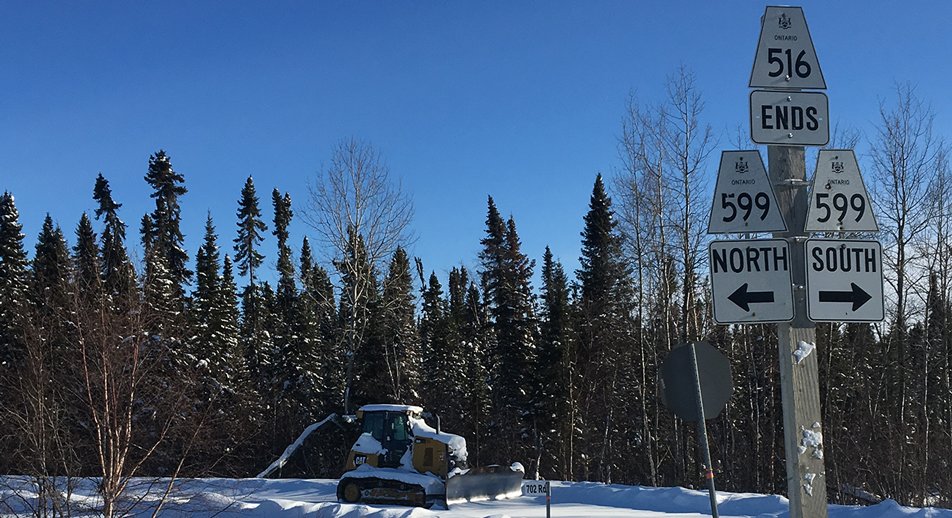
A signpost pointing north towards Sachigo Lake First Nation.

A signpost pointing north towards Sachigo Lake First Nation.


Weaving in and out, up and down, through the frozen forests and icy marshlands some sections were rough, while others were as smooth as silk. Hitting the lake, we glided over the groomed ice-lanes, exceeding speeds of 90kms/hour.


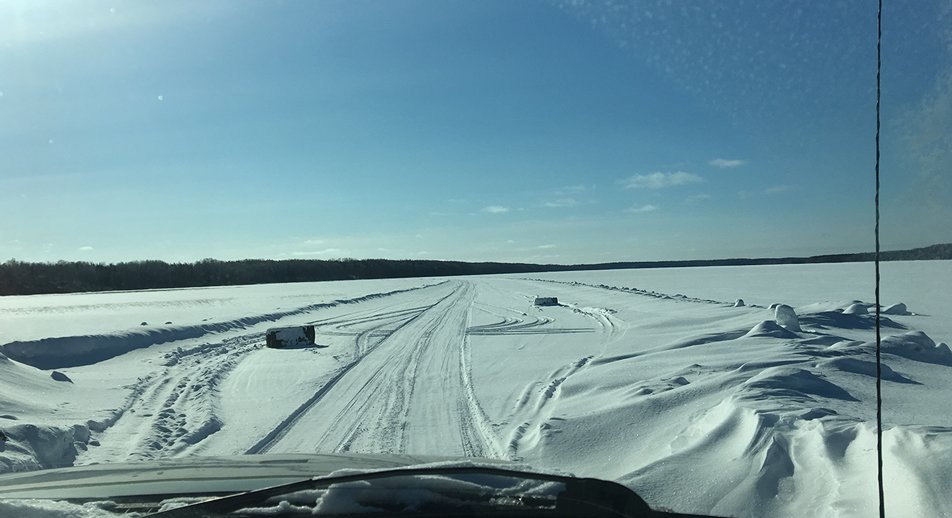
The view of the ice road as Deb and Tyler’s truck entered the Muskrat Dam lake.


North Caribou Lake First Nation to Muskrat Dam First Nation – 72kms
Drive time: 3 hours
Road conditions: Very rough with maximum speeds of about 30km/per hour

We stopped a few times along the way to ask for directions and were met with smiles, warm hearts, and surprise at two out-of-towner teachers who were driving the wild winter road, alone.


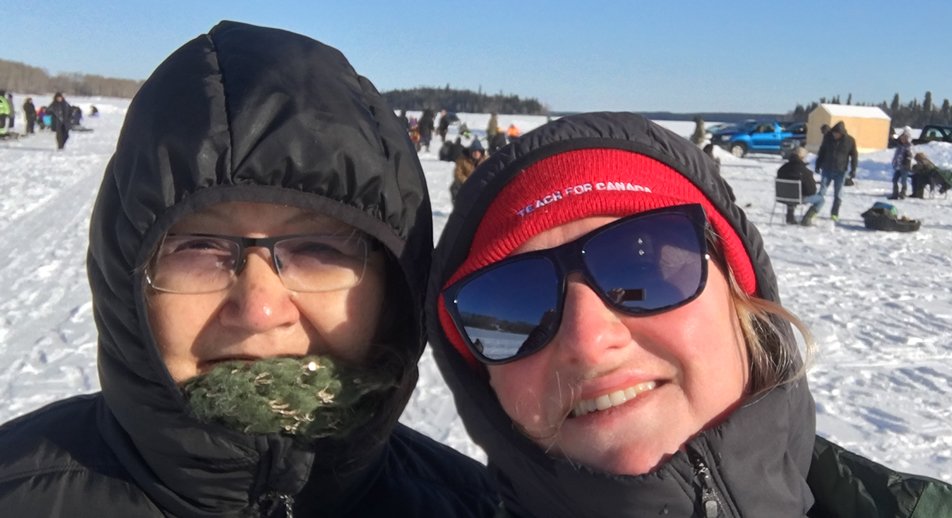
They stopped in at the Muskrat Dam Lake First Nation fishing competition along the way, meeting up with friends.


Muskrat Dam First Nation to Sachigo Lake First Nation – 67kms
Drive time: 1.5 hours
Road conditions: A mix of rough roads and smooth lake sections

People we met helped and guided us back on track when we lost our way. We had faith we would make it and knew if we got into trouble we could reach out to our community of fellow teachers, also here with us in the North, for a place to rest.


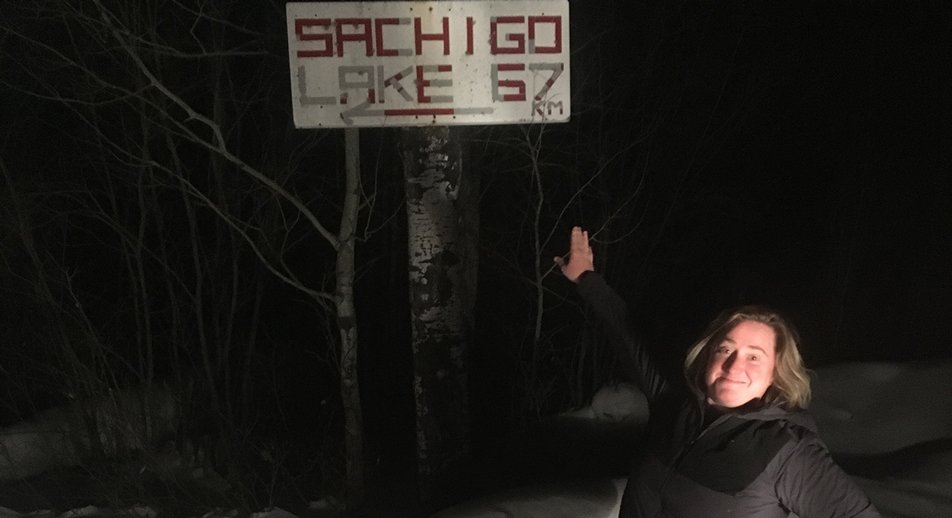
They knew they were getting close to home once they saw this sign for Sachigo Lake First Nation.


After 12 hours on this ultimate wilderness adventure we arrived home; safe and tired. It was an experience we definitely plan to enjoy again – and now we know the way.


Deb and Tyler made it home safe and sound after 12 hours on the ice road.


adfafda

Teacher Feature: Erika Beadle

Posted by Meredith Stapon

Erika Beadle taught grade 1 and grade 1/2 in Kejick Bay and Frenchman’s Head, Lac Seul First Nation, from 2015 to 2017. After one year of teaching in a childcare centre in Saskatoon, she is once again teaching in Frenchman’s Head. Erika completed a Bachelor of Arts at the University of Western Ontario and a Bachelor of Education at Nipissing University. She is originally from Beachville, ON.


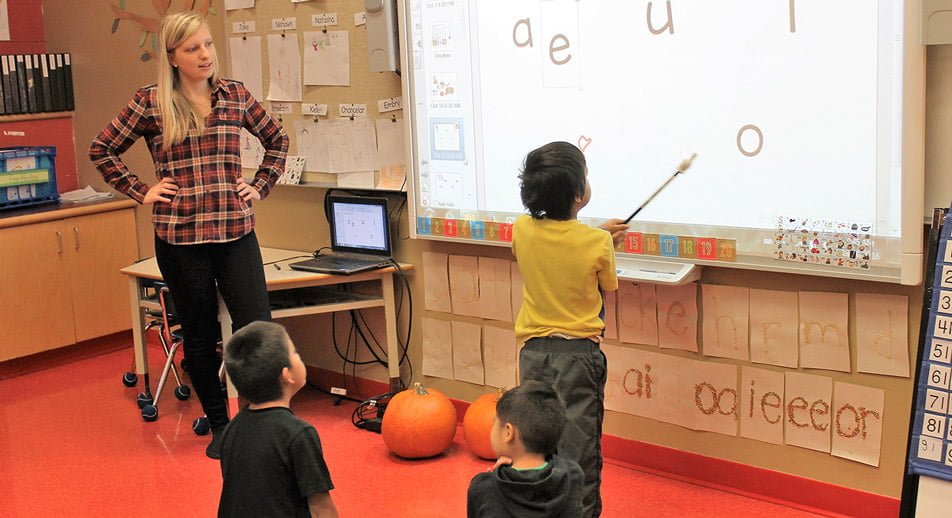
Teach For Canada alumni teacher Erika Beadle teaching three students in front of a white board in Lac Seul First Nation

Teach For Canada alumni Erika Beadle teaching her students in Lac Seul First Nation in 2016


Teach For Canada Alumni, Erika Beadle, completed her two-year teaching commitment in Lac Seul First Nation in June 2017. While she and her husband, fellow teacher Joel Beadle, had loved their time in Lac Seul, he had decided to go back to school. Joel was accepted into the University of Saskatchewan to pursue a Master of Science in Biology. This was an uncertain time for Erika as she loved her primary teaching position in Lac Seul, but she knew this was a great opportunity to gain experience elsewhere while supporting her husband in his post-secondary education.


Erika Beadle with her husband, fellow teacher Joel Beadle


So in August 2017, they drove west and settled in Saskatoon, Saskatchewan, a province they had never even visited before. Erika reflected on this experience saying, “We felt more lonely and isolated than we ever had in Lac Seul First Nation. I recall saying to Joel ‘I wonder if our landlord will invite us over for a BBQ?’”. They never did get an invitation. What is more, their neighbours rarely even said ‘hello’. Erika found it hard to live in the big city, sharing a condo building with hundreds of people who didn’t seem to have time for pleasantries.


Erika started working in a childcare centre in Saskatoon, where she learned cutting edge teaching techniques


Erika did, however, find a job and a working environment she enjoyed. She was hired by a childcare centre in Saskatoon. She discovered how different early learning is between provinces in Canada. In Saskatchewan, Kindergarten students go to school for half-days and go to childcare for the other half (the equivalent of Ontario’s preschool system).


Because they are teaching Kindergarten-aged children, childcare centres implement many cutting edge teaching techniques including project-based, play-based, and inquiry-based learning. Erika learned from her colleagues at the centre about these approaches and particularly benefited from learning about these teaching strategies in a different setting. The students and staff at the centre were welcoming and she really enjoyed working there.


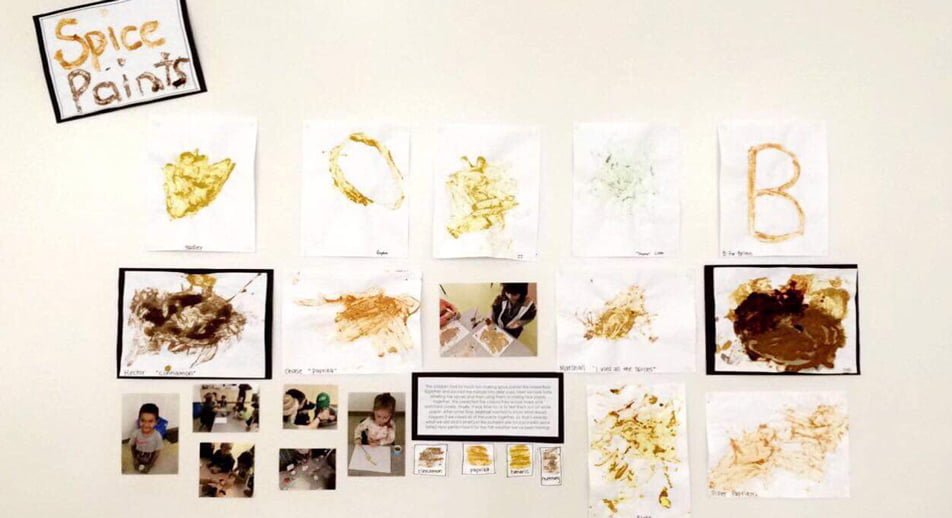
Erika implemented inquiry-based learning activities in the childcare classroom, like painting with spice


But still, something was missing.


By the end of that year, Erika started wondering what was next for them, as Joel would be finishing up his master’s degree the following spring. Erika’s soul-searching coincided with a visit from Alisha Hill, another Teach For Canada alumni and her former colleague in Lac Seul First Nation. Alisha, now principal of one of the schools in the community, mentioned that there was a vacant teaching position.


Erika with Alisha Hill (right), a Teach For Canada alumni and current principal at one of the schools in Lac Seul First Nation


Erika considered the opportunity to go back to teach in Lac Seul First Nation. The chance to go back to a community that had come to feel like home was irresistible. So in August 2018, with Joel’s help, Erika moved back to Lac Seul while her husband stayed back in Saskatoon to finish us his master’s degree.


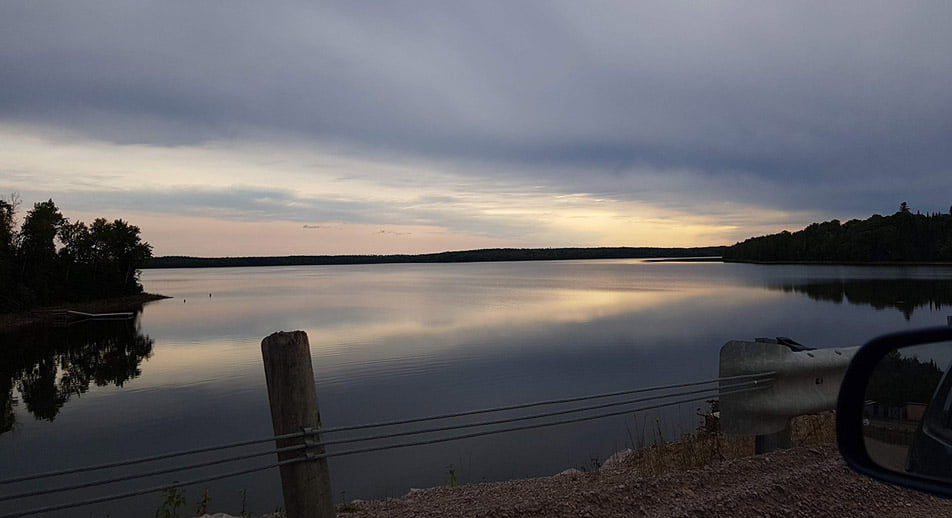
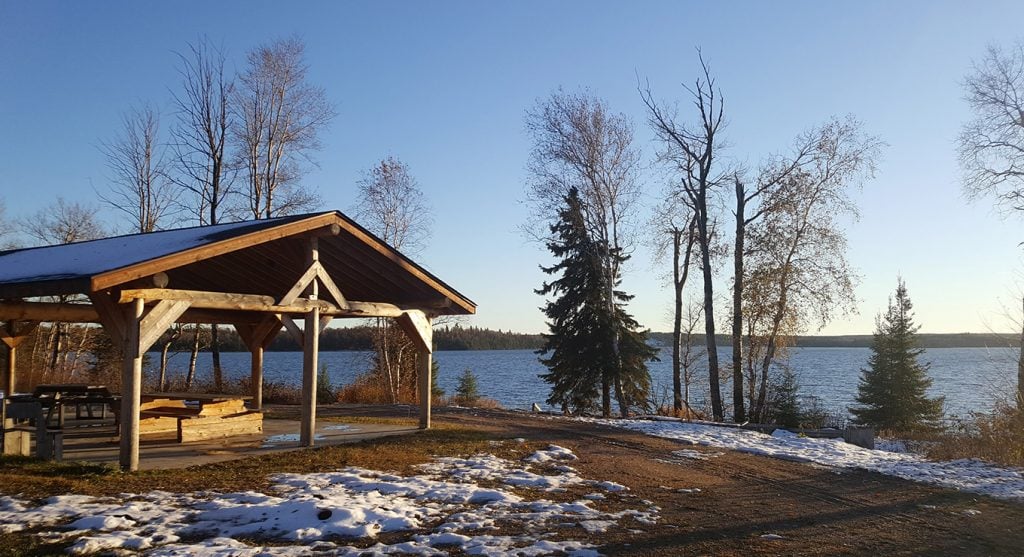
A landscape photograph of a lake in Lac Seul First Nation

With Joel’s help, Erika moved back to Lac Seul First Nation (pictured) in August 2018


Since September, Erika has been teaching grade 1/2 in Lac Seul First Nation. She exudes confidence when she speaks about all of the new teaching strategies and ideas she is implementing in her class. She is overjoyed by the support she is getting from her Education Director, Eric Bortlis, and Principal, Kristen Ward, who encourage her and her ideas. “With all of Kristen’s special education experience, it feels like I can go to her with any question or challenge and she has great advice. I can pick her brain for hours, she is the most patient and caring person,” Erika explains.


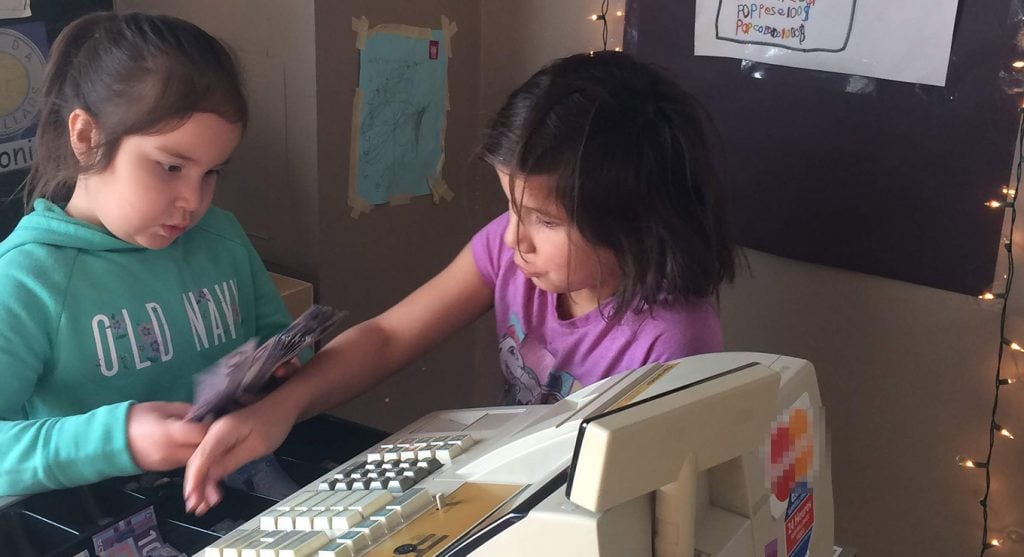
Students learning and playing with a cash register Erika brought into the classroom


Erika is also thrilled with what she has been able to accomplish with her students. She shared a recent example:


“One afternoon our class was in the community arena when I noticed an unused cash register. I asked the arena manager if I could bring it to my class for the students to use during the school day. Before I knew it we were carrying this large cash register back to the class. Through discussion with my students, we decided what store we should have in our class to go along with the cash register,” she explained. “They voted and decided on Pizza Hut. Students are now role-playing, counting money, discussing healthy options, and learning self-regulation and cooperation.”


Erika is back teaching in Lac Seul First Nation again for the 2018/2019 school year


She believes that the year of teaching in Saskatoon at the childcare centre gave her cutting edge teaching techniques that she is now implementing in her current classroom in Lac Seul First Nation. She continues to learn and reflect on what is best for her students.


A landscape photograph of Lac Seul with a gazebo

Erika and Joel plan to root their lives in the North together


When Joel completes his master’s degree in the coming months, he hopes to also return to Northern Ontario – though in a different role. Instead of returning to the classroom, which he very much enjoyed, he hopes to work for the Ministry of Natural Resources (MNR) in Sioux Lookout and the surrounding area. Erika and Joel plan to root their lives in the North and continue their careers in the area with which they fell in love.

adfafda

A Winter Wonderland

Posted by Meredith Stapon

Jaya Sharma has been teaching grade 5 since September 2018 in Eabametoong First Nation in Northern Ontario. Jaya has a Bachelor of Science and a Bachelor of Education from Maharshi Dayanand Saraswati University, India, and has worked in curriculum development and as a teacher in both India and Canada over the last 13 years. She is originally from India.


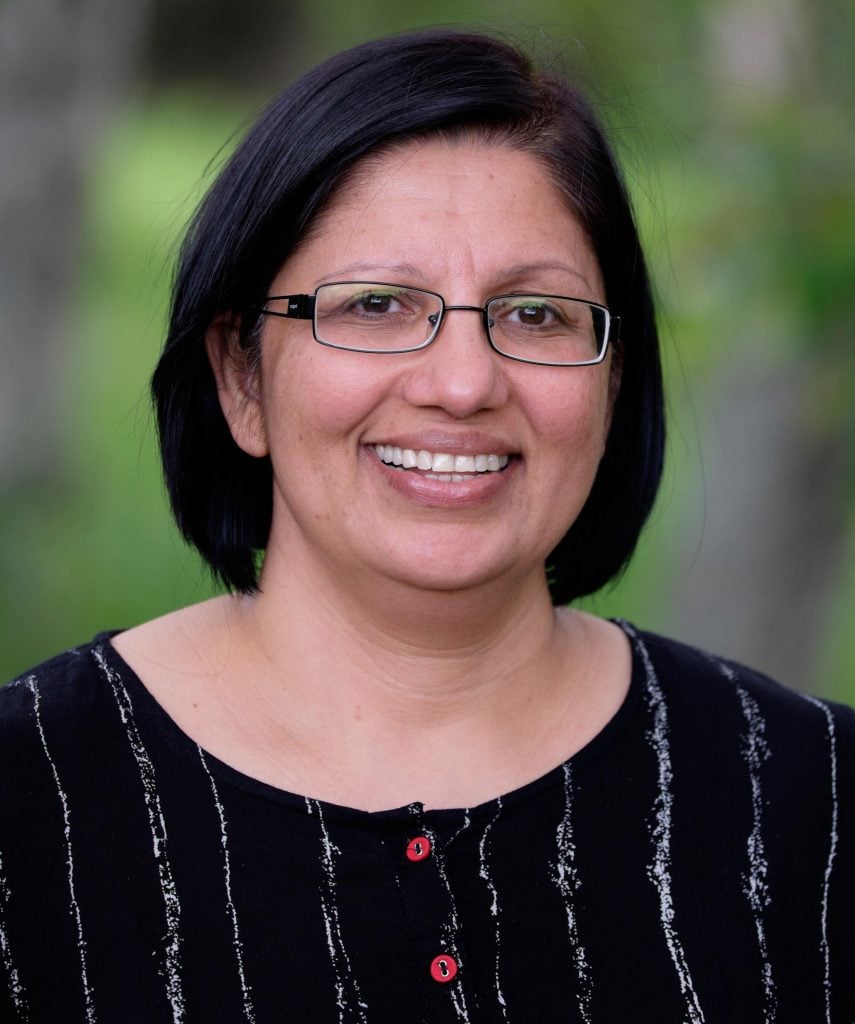
Headshot of Jaya Sharma, a Teach For Canada teacher

Jaya Sharma has been a Grade 5 teacher in Eabametoong First Nation since September 2018

At times you can find yourself in a phase of life that is amazingly beautiful in its entirety, but the individual parts are difficult, tough and require tremendous effort and will to succeed. It is like climbing a mountain. The climb is treacherous, lonely and full of difficulties. But the journey is beautiful, the experience is unique and it gives one strength to become what could not be imagined in any other circumstances.


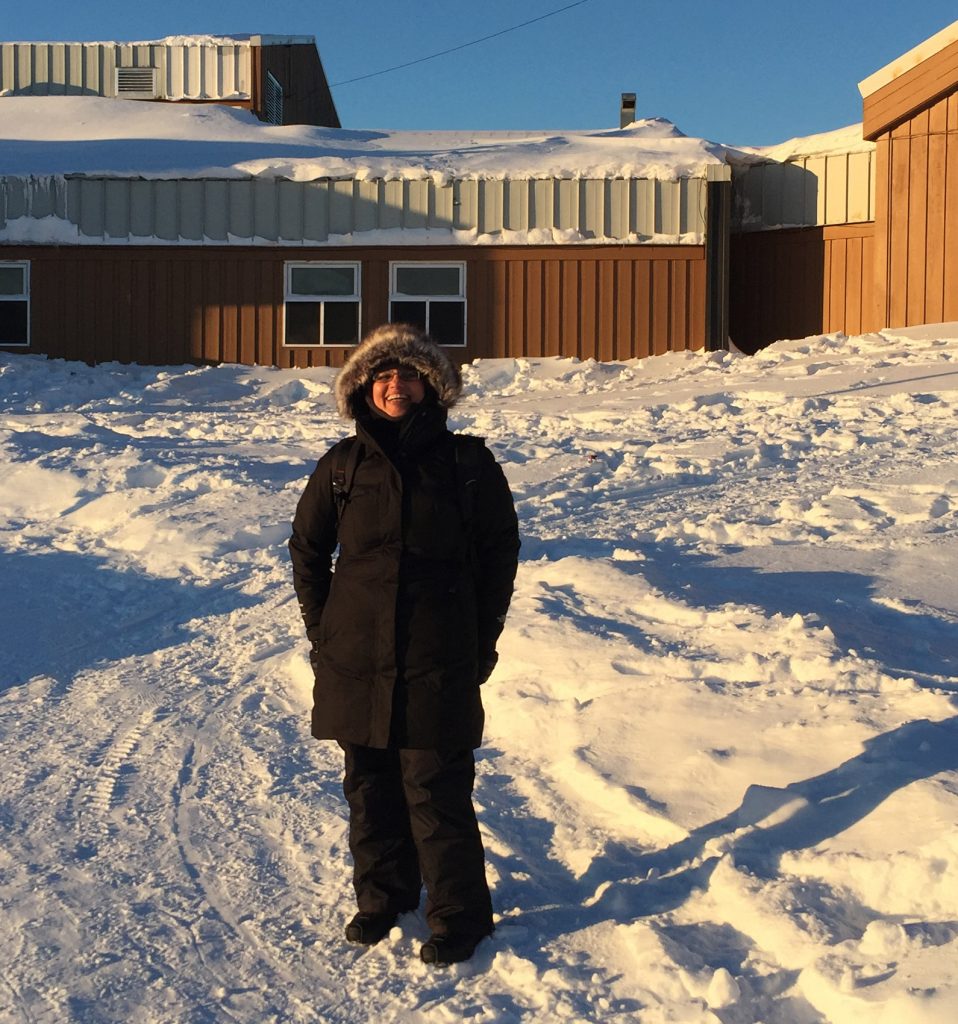
Jaya stands outside a building in Eabametoong First Nation

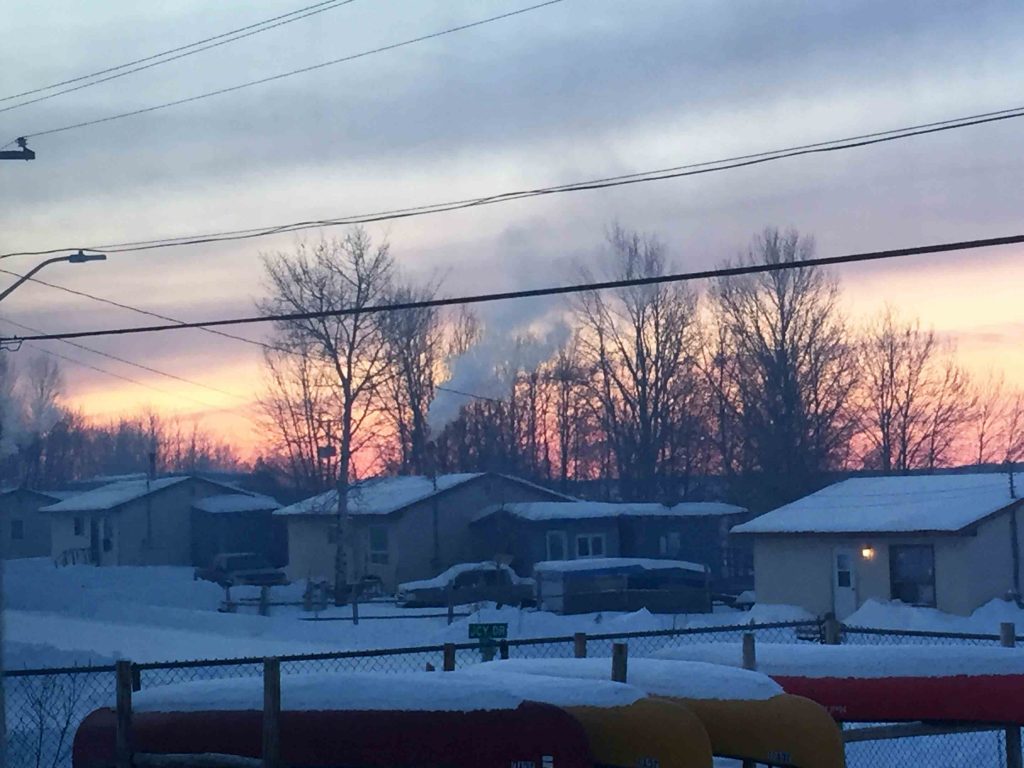
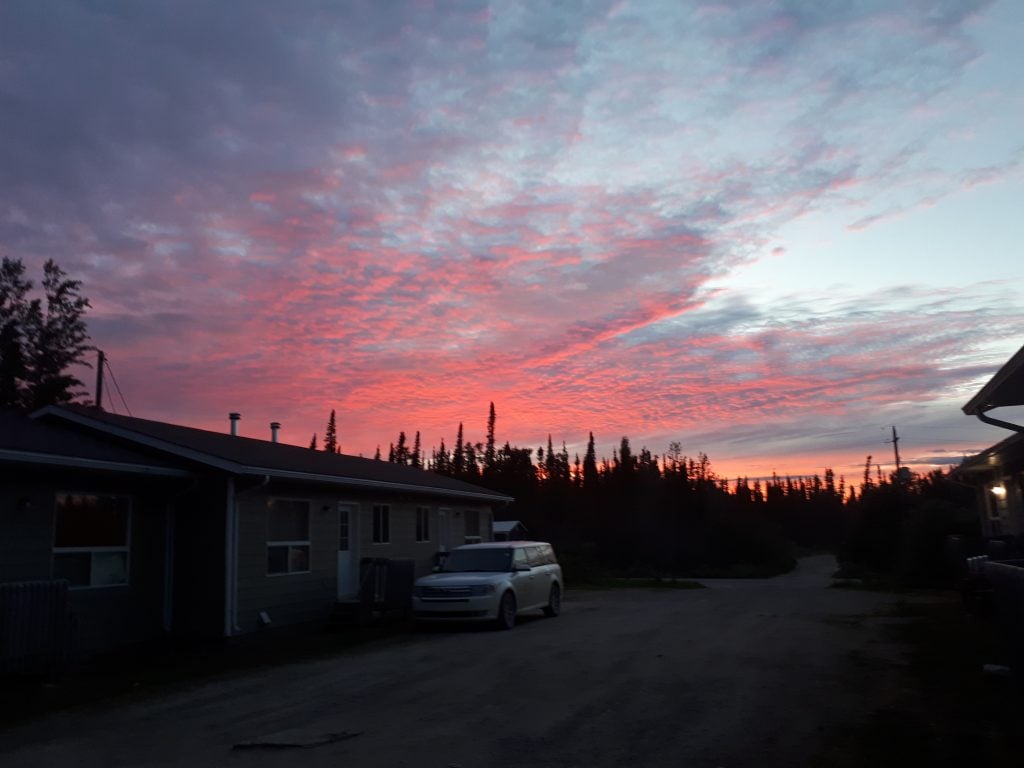
Jaya on a walk in the community during a winter sunset.

Living in a First Nation in Canada has been a similar kind of experience for me. The individual days have brought me face-to-face with suffering, pain, loss, bitter cold, and loneliness. The days are short and the time endless. But put the days together and form a week or a month and you see breathtaking sunrises and sunsets on a pristine white frozen lake, a full moon in a purple sky, beautiful tall trees laden with snow, and the whole place looking like a winter wonderland.


A winter scene in Eabametoong First Nation photographed by Jaya

A winter scene in Eabametoong First Nation photographed by Jaya

The cold and the pain are strong but they are not strong enough to faze the excitement from the sparkling eyes of children or the adults. Children free fall into the deep banks of snow giggling, laughing, and playful. I wanted so very much to try it – free falling into snow, backwards. But I was scared. One of my students said to me, “You can do it on your own or I can help you by pushing you.” And so I did it on my own.

I fell backwards into the snow and boy, was it fun!

On a beautiful afternoon we decided to go for a walk. The snow was falling and we loved spending time outside. By the end, my nose was freezing and I said that I couldn’t feel it. One of my students replied, “It is because it’s not there. It must have fallen off somewhere in the snow.” Who wouldn’t burst out laughing at that?


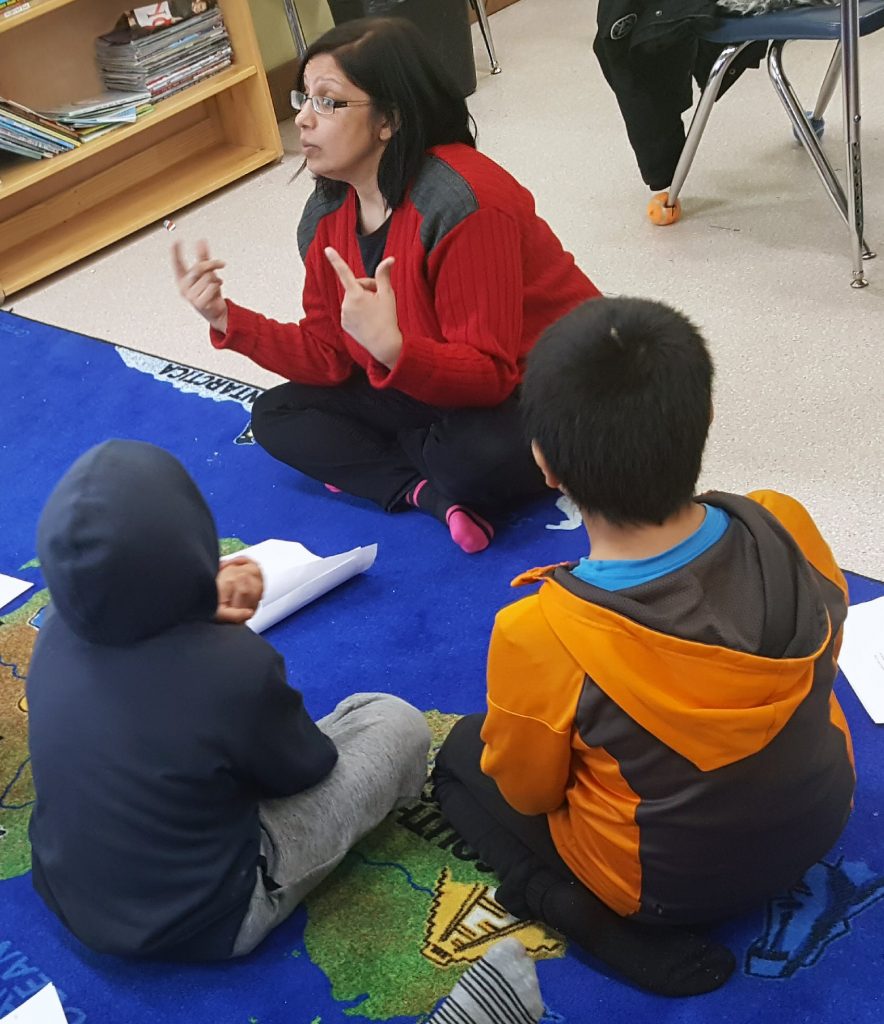
Jaya teaching her students sitting on a mat in her classroom

Jaya teaching her students in her classroom

If I look at one of my days here, it may just be filled with assignments, report cards or difficult situations like when two of my students ran off into the hallway to yell at a student in another class. Bullying can be a challenge.  But the next day or the day after we sit down and draw what we would like to do with our loved ones, even with those who are not there anymore. We talk, draw, and find hope just by way of sharing our pain and our joy with each other.


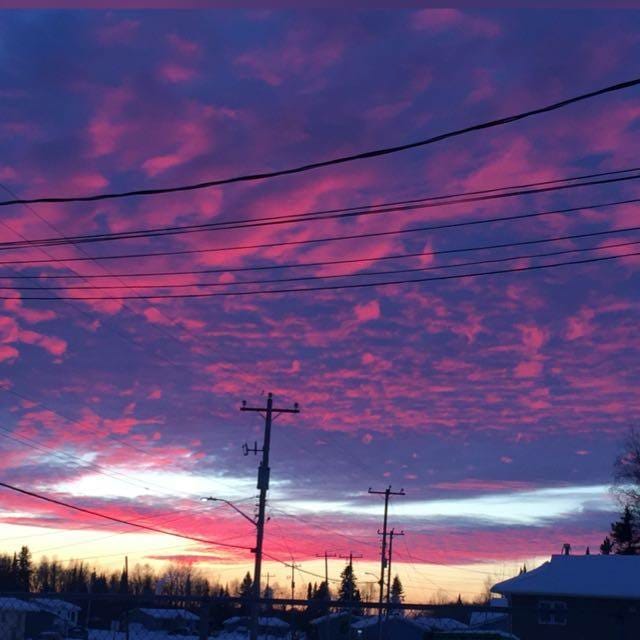
Dusk with pink and blue clouds in Eabametoong First Nation

Dusk in Eabametoong First Nation photographed by Jaya.

I look at my beautiful students and the beauty of mother nature outside my classroom and realize that the spirit is still strong. There is hope and there is tremendous beauty in this place.

And I am thankful to be a part of my students’ strong and beautiful world. I am thankful to be here!

adfafda

Following in my Mother’s Footsteps

Posted by Meredith Stapon

Jeevana Varakala started teaching grade 5 in Deer Lake First Nation in September 2018. Jeevana has a Bachelor of Engineering at Jawaharlal Nehru Technological University, India and a Bachelor of Education at Niagara University. She is originally from India.


Teach For Canada's Jeevana Varakala

Jeevana Varakala is a Teach For Canada teacher in Deer Lake First Nation


As an engineering graduate, I was sure I would one day work for a corporation of sorts when my family moved to Canada. However, moving to an unknown land gave me the chance to rethink my options and reflect on what kind of profession I would love.


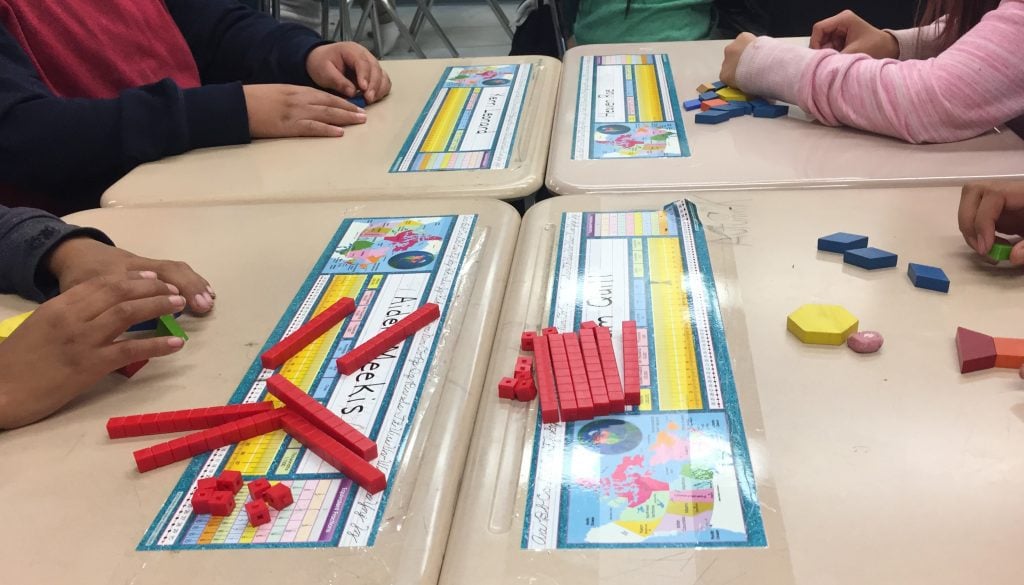
Jeevana's students work with math manipulatives

Jeevana’s students work with math manipulatives


Turning to my Parents for Inspiration


My answer came from my parents. I watched both of their careers growing up, and I decided I wanted to follow in my mother’s footsteps.

My mother is a teacher.

Her calmness, the way she organizes every detail, and her ability to balance her personal and professional life inspired me.

I knew it was going to be a big leap for me to go from a technical profession to teaching. But my mother reassured me with her insight into her experience as a teacher, including some of the challenges, so that I had an idea of what to expect. I undertook this journey with open eyes, knowing the challenges that lay ahead of me.


2018 Deer Lake Teachers

2018 Teach For Canada teachers going to Deer Lake with community members at the Summer Enrichment Program


Going North with Preparation and Support


My mother also teaches in the North, in Keewaywin First Nation. With her guidance, I ended up also applying to teach in the the North through Teach For Canada. I was selected and then offered a position by Deer Lake First Nation. Then I headed to Thunder Bay to receive preparation with the rest of my cohort. The Teach For Canada teachers were from many different backgrounds.


Jeevana and other Teach For Canada teachers at the Summer Enrichment Program

Jeevana and other Teach For Canada teachers at the Summer Enrichment Program


During the Summer Enrichment Program, I began to feel relief, even confident, about my decision to teach in the North. This was going to be my first time away from home. But I had made many good friendships with my fellow teachers. I was also taking with me rich memories from the time we spent together.


Jeevana teaching her grade 5 students

Jeevana teaching her grade 5 students


Adjusting to a New Life


I have had my share of struggles adjusting to the weather and the loneliness that comes with being away from home. But it did not take much time for me to get used to my new life. My new neighbours quickly became my extended family. More importantly, I realized how much I enjoyed being a teacher as I felt so at ease with my students.
 

Sunset in Deer Lake First Nation

Sunset in Deer Lake First Nation


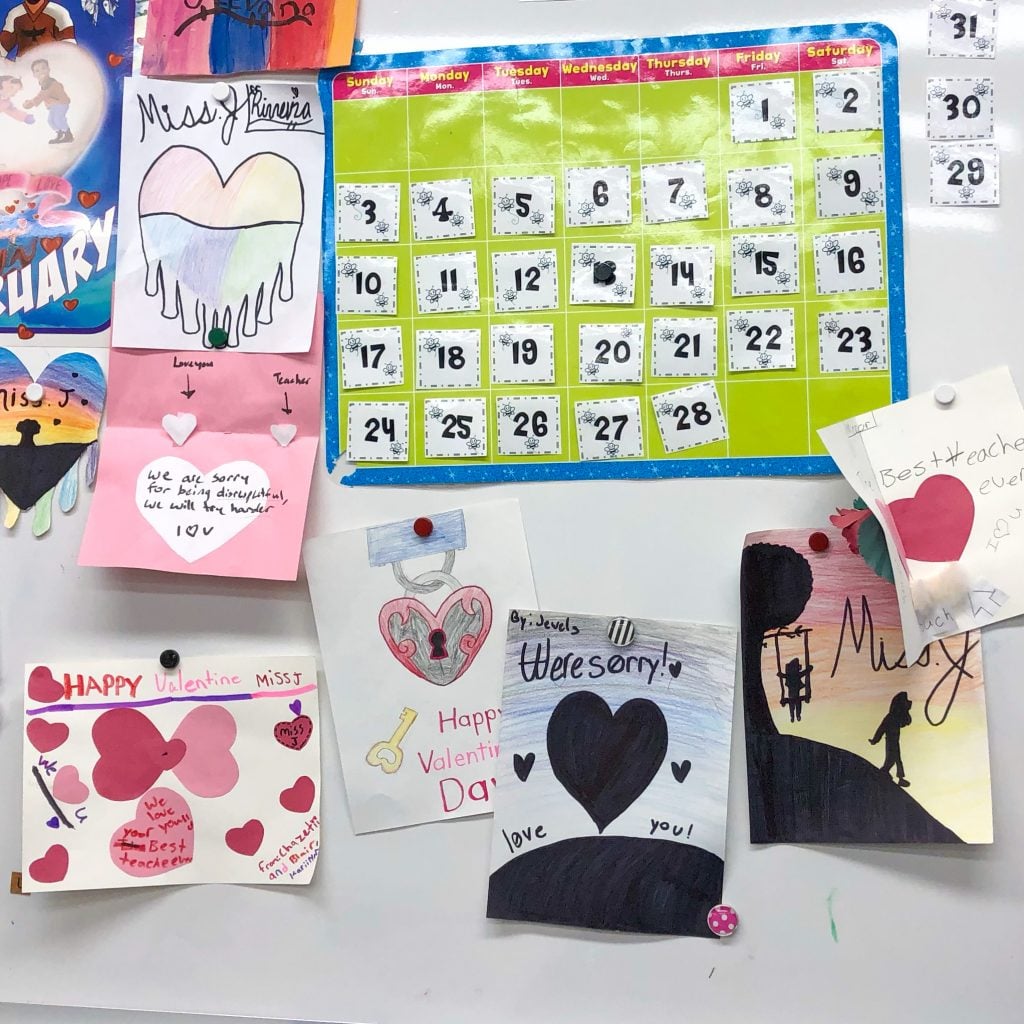
In fact, I have come to love my students dearly. They show affection by writing small notes and making Valentine’s cards for me, which melt my heart.  What more can you ask for than to earn the respect and love of the children you teach?


Valentine's and notes from students

Jeevana receives notes and Valentine’s from her students


My students love math so much that sometimes at recess they choose to stay inside to challenge themselves with math problems. Their hard work and determination give me energy and motivation to work for them. Certainly I am often exhausted by the end of the day but spending time with my students is incredibly rewarding.


Jeevana works on a math problem with her students

Jeevana works on a math problem with her students


My mother is also a source of strength and one of my greatest teachers. Working in the same profession as her is more than a dream come true for me. She always says that a good teacher should still be a good learner.

I hope I will learn to be half as good a teacher as my mother is so that I can impact my students and contribute to their future.


adfafda

A Reflection for the New Year

Posted by Meredith Stapon

Sheila Johnson teaches grade 7 in Deer Lake First Nation. Sheila went North with Teach For Canada in September 2017. Sheila completed a Bachelor of Arts in English and History at Simon Fraser University and a Bachelor of Education at the University of Victoria. Sheila is originally from Kamloops, BC.


Sheila Johnson teaches grade 7 in Deer Lake First Nation

Sheila Johnson teaches grade 7 in Deer Lake First Nation


Reflecting on this past year or so, I think I’ve had it pretty good. This is my first teaching job, so I was initially anxious about how I would do as a teacher: would I be any good? Would my students like me? Would I fit in? That it was on a northern reserve, and a fly-in community to boot was just an added complication. So I bought a down coat and dug out my Sorels and packed up a miscellany of things I feared would not be found in such a far flung place, you know, like laundry soap and pillows. It seems odd to think about it now, as life in Deer Lake seems pretty normal at this point. A small town life; the dirt roads without signs or streetlights, the bingo and karaoke at the TV station, some broken down cars and run down houses, stray dogs and gaggles of children, the great enthusiasm for hunting and fishing, signs of substance abuse and poverty, the sense of humor and joie de vivre of the people. It’s not a bad life, all things considered. I grew up in a town that’s half built on a reserve, so it turned out more familiar than not.


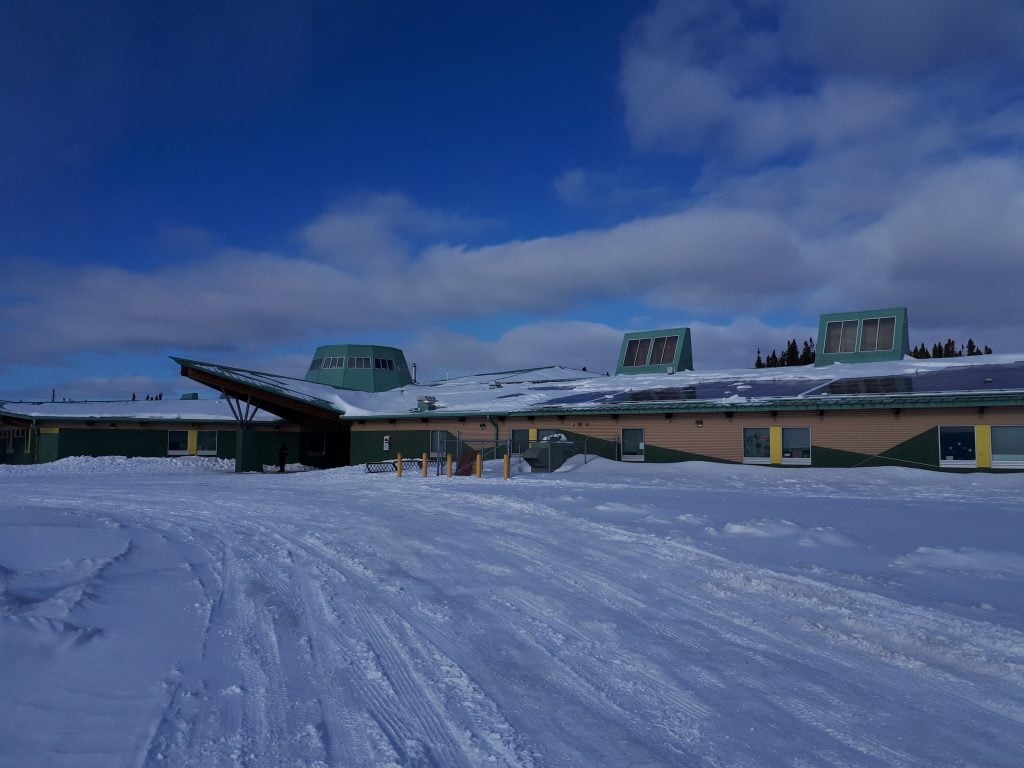
Deer Lake School

Deer Lake School


The Frustrations and Joys of Life in the North

That said, there are things that irk me occasionally. I like to cook, and sometimes resent the lack of variety at the Northern Store. My need for seafood goes unfulfilled. Or the uncertainty of waiting for packages in the mail, whose expected shipping date ought to read, “at some point in time.” Or the inconvenience of the power or water being shut off without warning, because who needs to shower? But, I have everything I need and live comfortably. I work in a well outfitted school, complete with Chromebooks, SMART boards, and the glories of the internet. I have a lovely class, who drive me crazy and steal my heart all at once. I have some friends at school and in the community. When mail does come it is like Christmas, with a surprise gift from my past self.

There is beauty to be found here too (even for one with BC prejudices.) The air is crisp and clear.

I love my morning walk to school, the snow crunching beneath my feet, loud in the silence around me.

The sun rising over the trees, the sky a cotton candy pink with a touch of gold. In the spring the air begins to smell of life, of earth and rot and evergreens. If you go out walking, there are marsh marigolds and gorgeous pink lady slippers stashed throughout the forest. Last year I found a patch of the smallest violets I have ever seen. I’m not much for fishing, but an evening boat ride or an afternoon at the beach is just the thing.


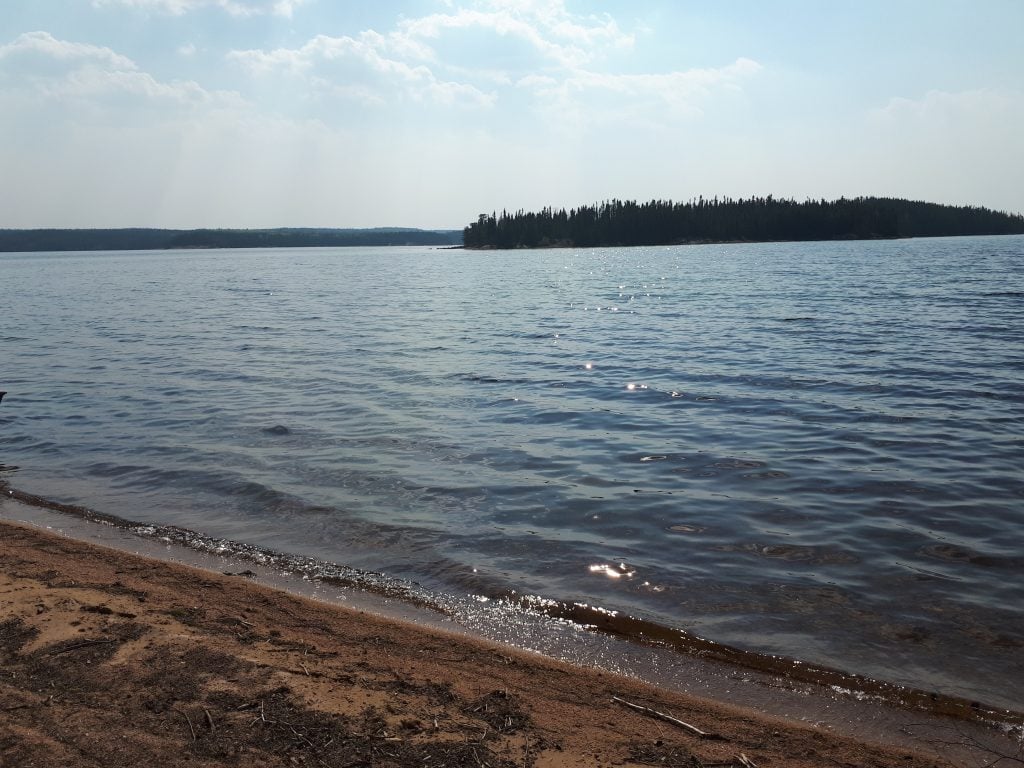
Deer Lake

An evening boat ride or an afternoon at the beach is just the thing


Growing as a Teacher

As a teacher, this year caught me pleasantly by surprise. I did not think it being my second year would make much difference, but it all seems so much more manageable. Truth be told, I’m not sure that it’s because I’m any better at teaching, or if it’s simply because I know what to expect, both in the rhythms of the school and of my students. Either way, it has been nice. Not that it’s a cake-walk or anything, but I feel slightly less like I’m flying by the seat of my pants, which must count for something. I’m more sure of myself as well. Last year, I took everything in stride, taking my cues from those around me, getting the lay of the land before I made any judgements. This year, I feel more comfortable opening up to people and asserting myself.


Aerial view of Deer Lake

I feel gratitude when my plane touches down safely


A Grateful Outlook

Most profound for me, I find myself overwhelmingly grateful for all I have, for all I have known. I feel blessed to have been so well cared for my whole life. To be able to follow my passions. To have options in my life I have the means and freedom to choose between, which so many people here don’t. I feel thankful for the connections in my life, for my family, my friends. I feel gratitude when my plane touches down safely. I feel it in the summer when I return home, hiking in up the hills, struck by the beauty of such places and the sense of belonging I feel in them. I feel it when I am treated like a guest of honour by my aunts and uncles. I feel it in my father’s mixed pride and misgivings over my choice to come here.
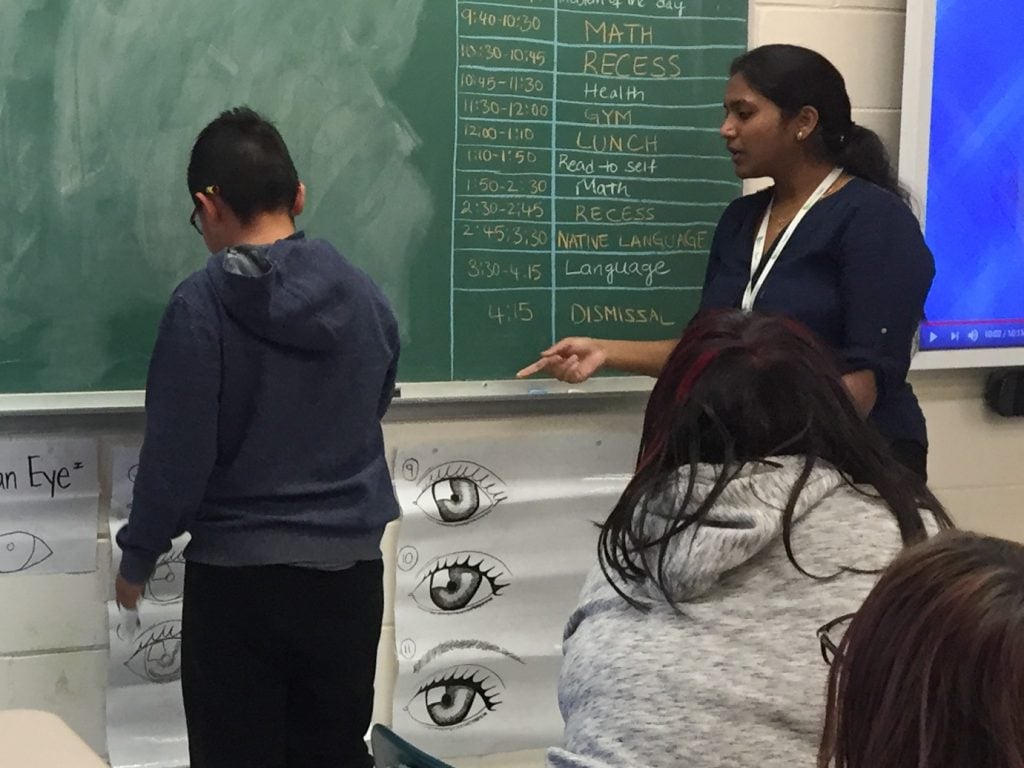
When I return to Deer Lake, I feel gratitude for the kindness of those around me, recognizing how here too I am well cared for.

And so, I hope to care likewise for those around me.


Teacherage in Deer Lake First Nation

Here too I am well cared for (teacherage in Deer Lake)


Going North: a Good Decision

With my relentless optimism I wish a good year for all. I have no regrets in coming to Deer Lake. I don’t know if it was the “right” decision, if one believes in that sort of thing, but it has been a good decision for me. I have learned a lot about teaching, about life in this corner of the world, and about what matters to me going forward. My little adventure here, if I can call it that, has made me braver, and more confident in myself. It has relaxed me some too. As you get accustomed to rolling with surprises, like your plane being canceled, or having a guest speaker come in the middle of your math lesson, or discovering one of your students has far more insect guests than is seemly, you begin to adopt a can-deal attitude.

I can’t always fix everything up to my satisfaction, and realize that’s okay. I do what I can, and expect the same of others.

I try to be generous of spirit, to give others the benefit of the doubt, and to go easy on myself.

I ask for help and advice; a problem that seems incredibly stressful and impossible might just be a problem too hefty for one person after all. It does not mean I or anyone else is a bad teacher or person. Life is a team sport. Someone will help me out. There will be days I’m that person for someone else. It all works out. The weather may be colder here, but the welcome has been warm.

adfafda

Teacher Feature: Joyce Gantes and Doreen Vilarmino

Posted by Meredith Stapon

Joyce Gantes and Doreen Vilarmino both started teaching in Deer Lake First Nation in September 2018. Doreen teaches grade 1/2 and Joyce teaches grade 2. Before applying to go North with Teach For Canada, Doreen had 8 years of teaching experience and completed her teaching degree at Philippine Normal University.  Joyce has 21 years of teaching experience and completed her teaching degree at Southern Mindanao Colleges in the Philippines. They are both originally from the Philippines.


Doreen Vilarmino teaches grade 1/2 and Joyce Gantes teaches grade 2 in Deer Lake First Nation

Doreen Vilarmino teaches grade 1/2 and Joyce Gantes teaches grade 2 in Deer Lake First Nation


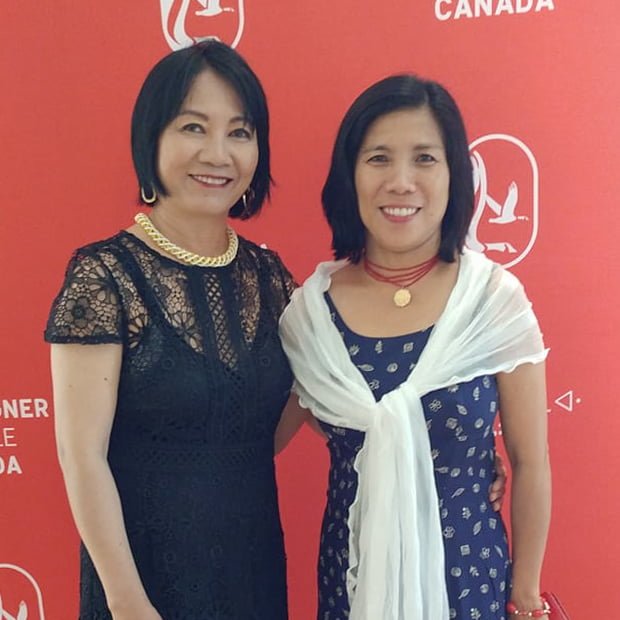
From the moment they met, it was like they had always known each other. In December of last year, Doreen noticed Jocelyn sitting on the other side of the sharing circle at a Teach For Canada recruitment event.  At the break, Doreen approached Jocelyn and asked “Are you also Filipina?” Jocelyn smiled and nodded “Yes!” They exchanged numbers and stayed in touch. A fortuitous meeting that was the start of a shared journey that would take them to Deer Lake First Nation.


Teach For Canada's Joyce and Doreen

Joyce and Doreen supported each other during each step of the process including the Summer Enrichment Program


Coordinated Applications and Interviews

In January 2018, they coordinated to submit their application to Teach For Canada at the same time. They eagerly watched their inbox, waiting to hear if they were moving on to the interview stage. They were both successful in the first interview, however other commitments constrained their ability to participate in the next phase of interviews until April. Coincidentally, they booked their respective interviews on the same day. Doreen beamed as she shared: “The Teach For Canada staff was approachable and welcoming. They made both of us feel confident and comfortable.”


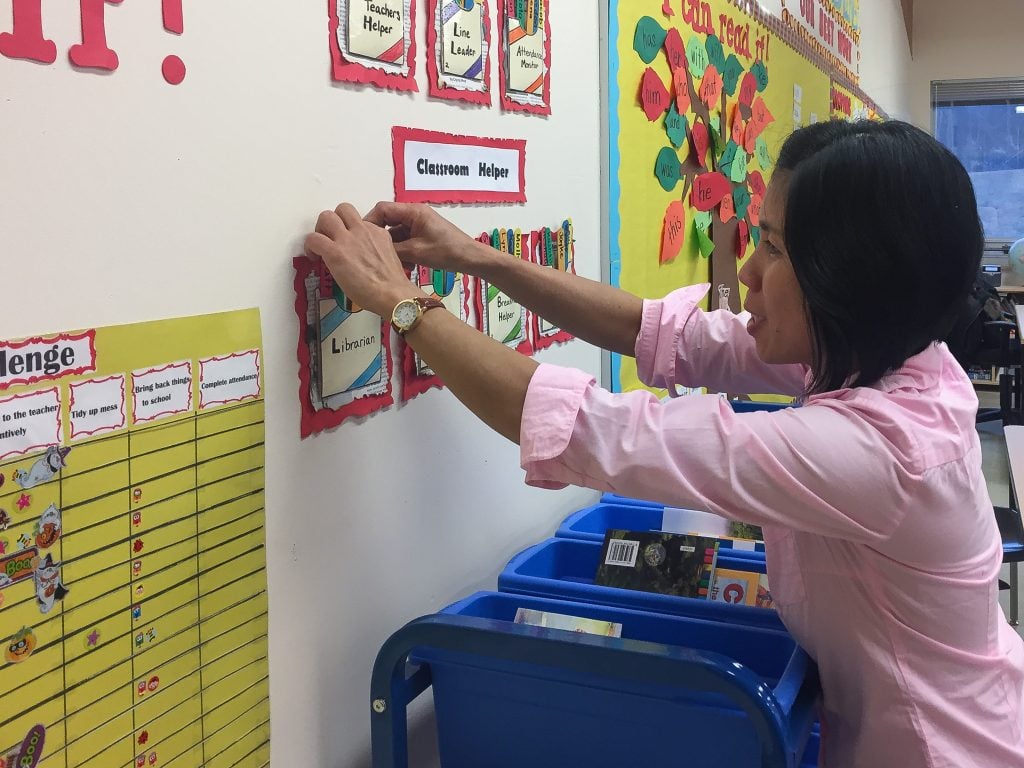
Doreen prepares a new bulletin board in her grade 2 class

Doreen prepares a new bulletin board in her grade 1/2 class


A few weeks passed, and they reassured each other as they waited for a response: “Whatever happens, we will be supportive of each other.” On May 15th, Jocelyn called Doreen to tell her that she received good news from Teach For Canada! Shortly after, Doreen found out she was selected as well.


The Journey North

The next step was matching: when First Nations partners reach out directly to selected teachers to see if they are a good fit for their school and make job offers.  They were contacted by a couple of First Nations, including by Stephan Doyon, the principal in Deer Lake First Nation. He extended offers to both of them, both in the primary division.


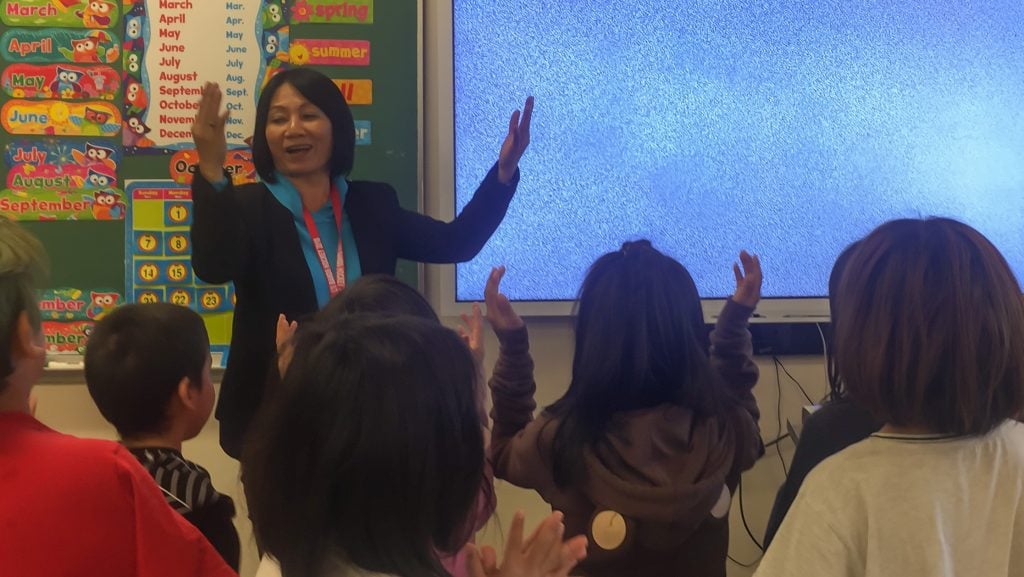
Joyce leads a song with her grade 3 students

Joyce leads a song with her grade 2 students


Doreen recalls crying tears of joy on the plane from Thunder Bay to Deer Lake First Nation. As they travelled North, Joyce and Doreen reminisced about their separate, yet similar, life journeys that took them from the Philippines to Toronto and now up to Northern Ontario. With a husband and children in Toronto, Joyce was particularly happy to embark on this journey with Doreen with her as a sister.


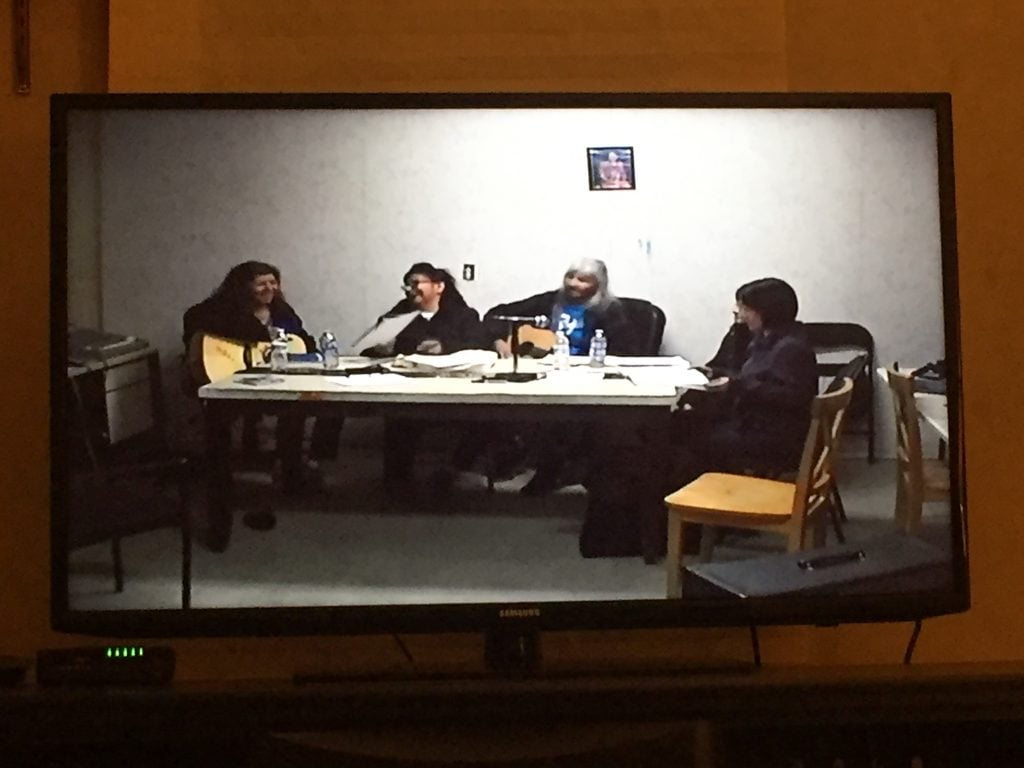
Joyce on TV in Deer Lake

Joyce can be seen on local TV singing with the church choir


Shared Experiences in Deer Lake First Nation

Since arriving in the North this past August, both Doreen and Joyce have integrated very well into the community. The school custodian, Steve, often knocks on their door asking if they’d like to go fishing with him and his wife. Other times, Steve comes by with fresh fish for them. Joyce attends church each Sunday and is often seen on the local television station singing with the local church choir. They can both be seen singing karaoke after school hours with local staff members on one of the SMART boards in the school. Their classrooms are across the hall from each other and they live in the same teacherage. Doreen and Joyce are asked if they are sisters as they are often together and share lots of laughs.
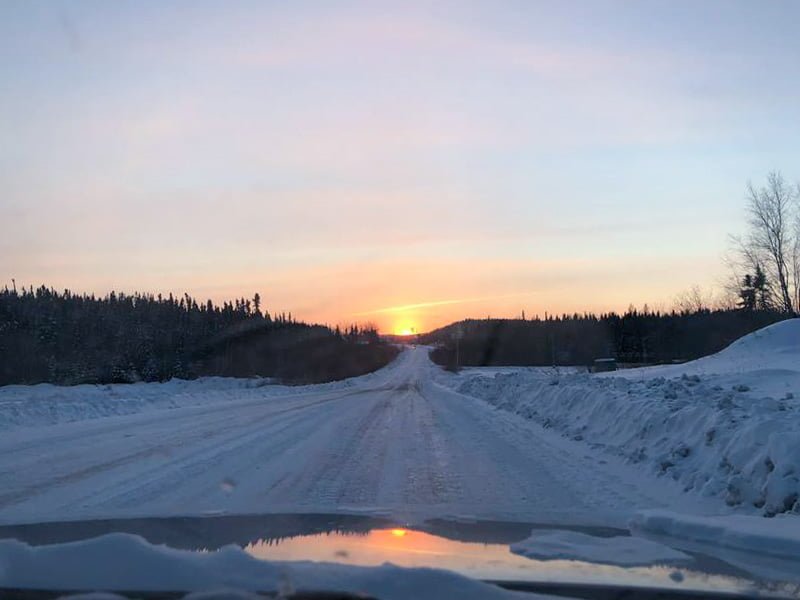
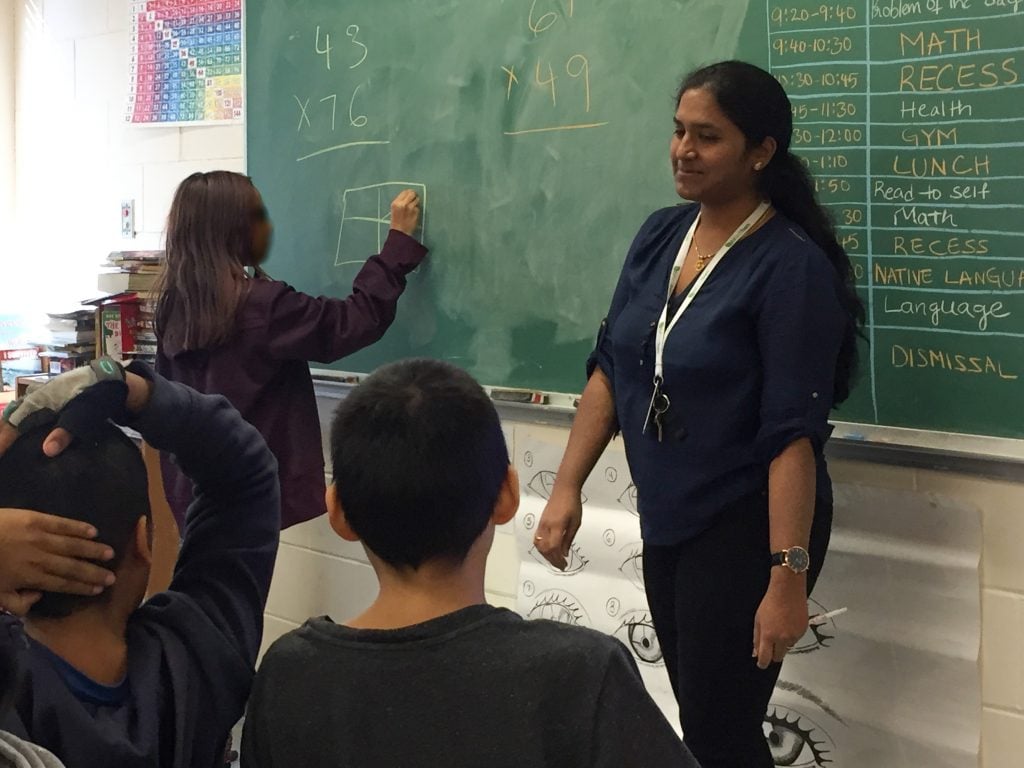
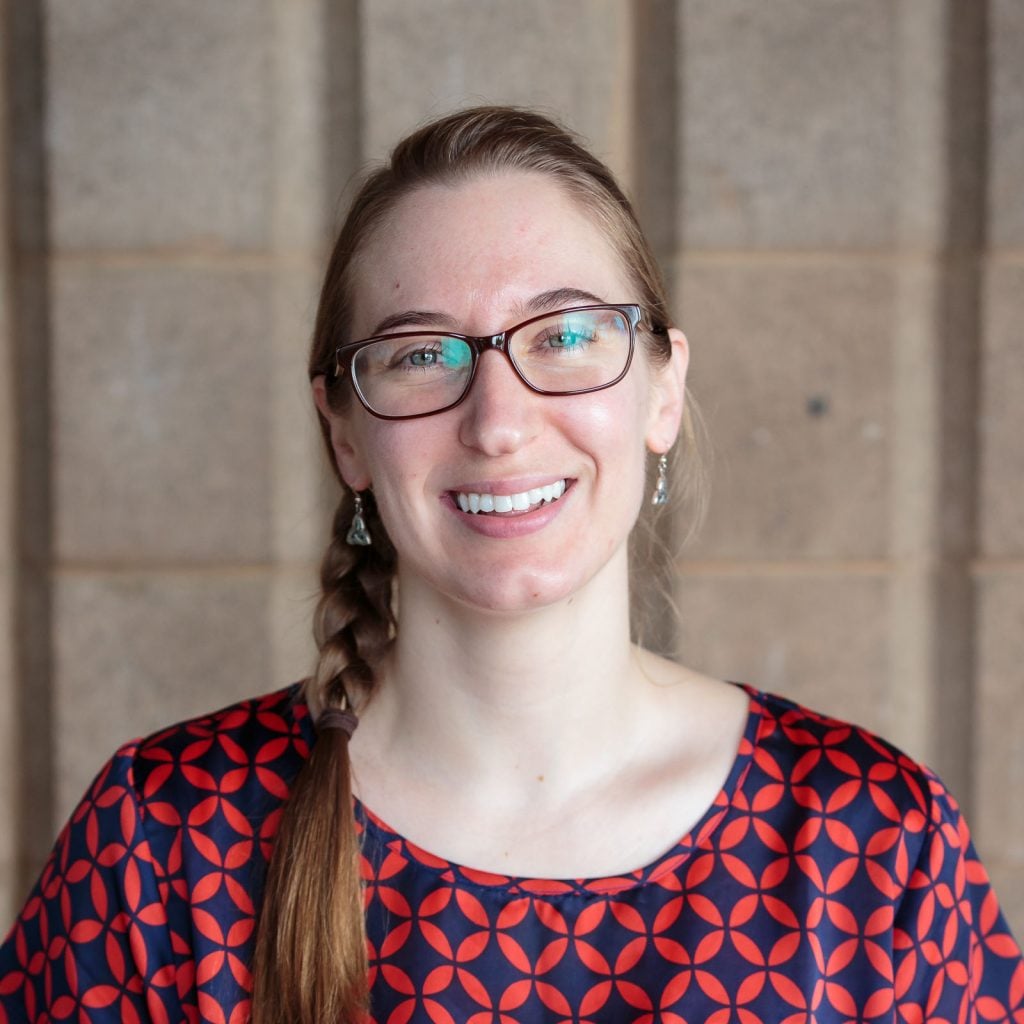
 

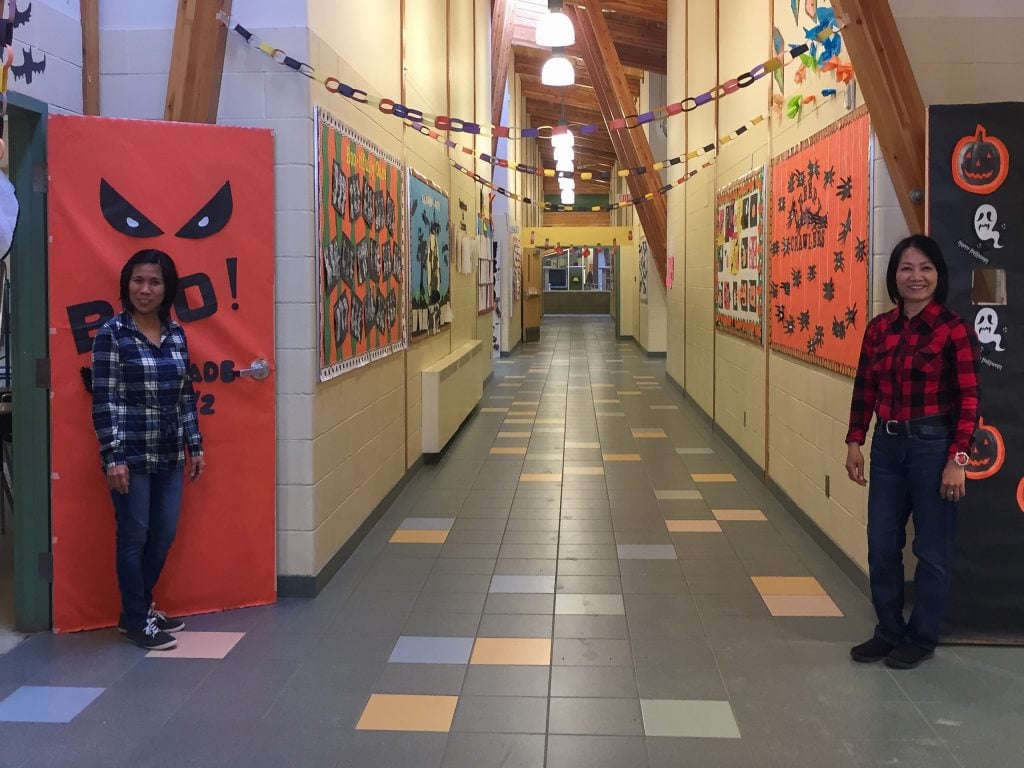
Doreen and Joyce in the hallway in Deer Lake School

Doreen and Joyce’s classrooms in Deer Lake are across the hall from each other


And so, Doreen and Joyce are grateful for the life changing opportunities provided to them through Teach For Canada. A journey that all began just a year ago. “It was meant to be that we are together” Doreen concludes with a smile.

adfafda

Teacher Feature: Ashley Vandenberg

Posted by Meredith Stapon

Ashley Vandenberg teaches grade 1 in Kejick Bay, Lac Seul First Nation. Before applying to go teach in a northern First Nation through Teach For Canada in 2017, Ashley completed a Bachelor of Education at York University. She is originally from Perth, ON.


Teach For Canada's Ashley Vandenberg Lac Seul

Ashley Vandenberg is exploring flexible seating option with her grade 1 students


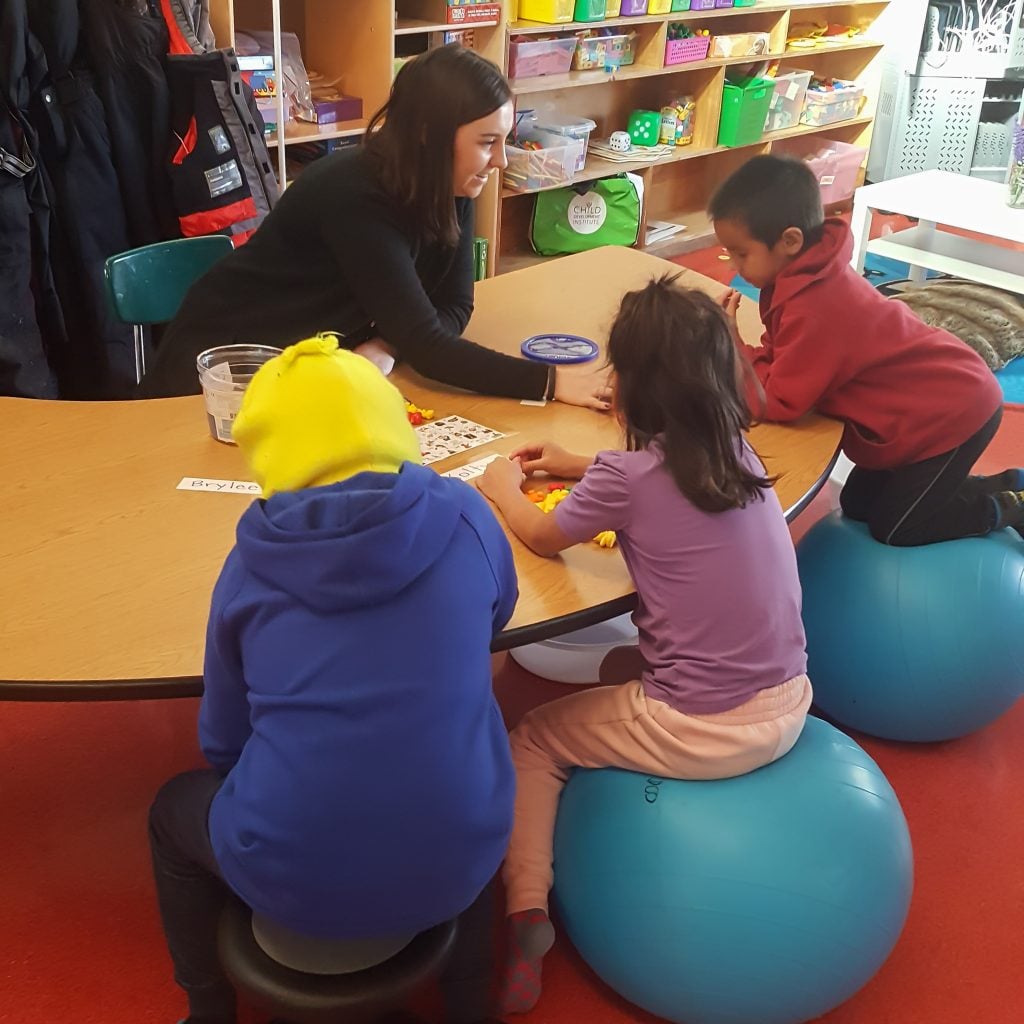
In Ashley Vandenberg’s grade 1 classroom in Lac Seul First Nation, you’d be hard pressed to find many conventional chairs. This year, for the first time, Ashley has implemented flexible seating – a hot topic in the education world. Flexible seating classrooms offer alternative seating options that differ from the classic desk and chair. They give students an opportunity to choose where they sit as well as the type of seat they learn best in.


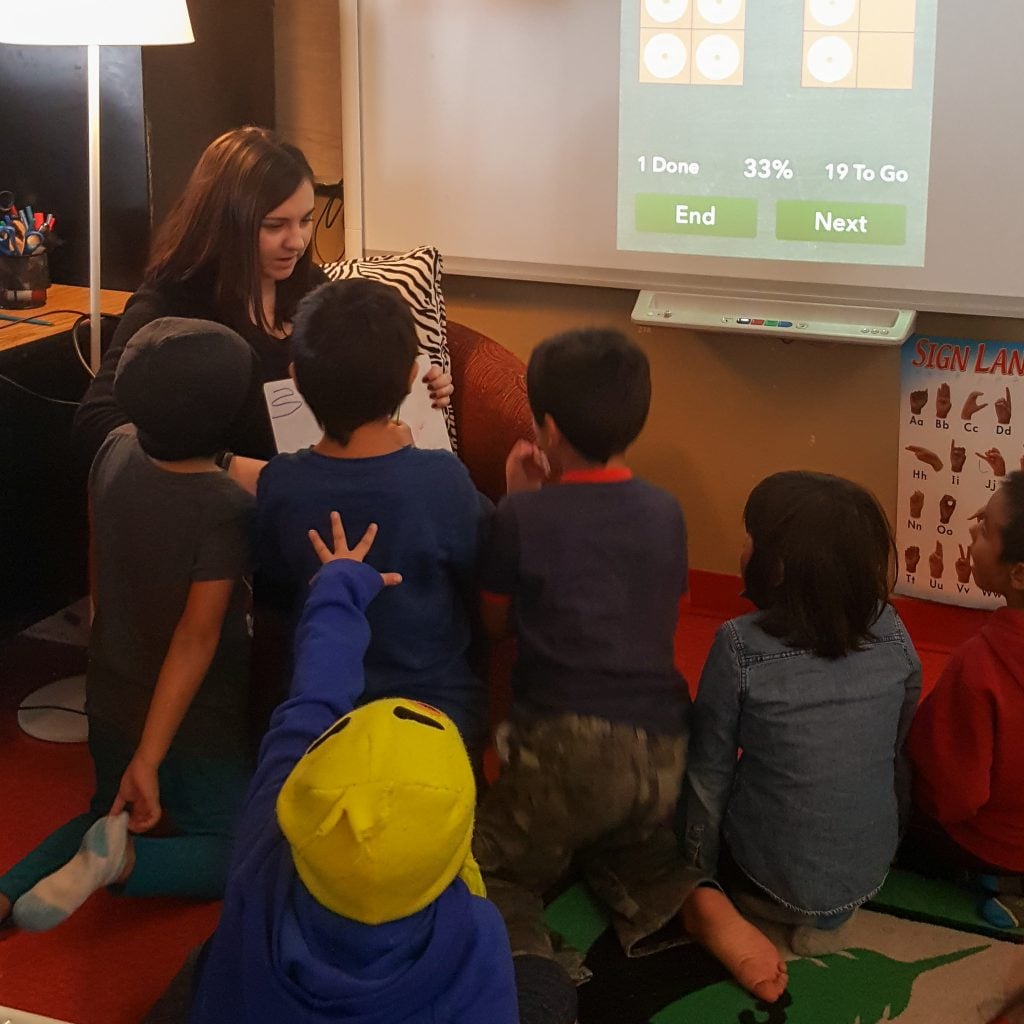
Carpet seating is an option for students

Carpet seating is an option for students, even during independent learning


Why Implement Flexible Seating?


There are many reasons why teachers choose to put in place flexible seating – and many articles that provide more information on the topic. Flexible seating empowers students, increases their comfort level, makes learning fun and engaging, and allows a sensory or physical output for students who need it. “With flexible seating the kids are more engaged when they are working in a seat of their choice. It also meets their kinesthetic needs,” explains Ashley.


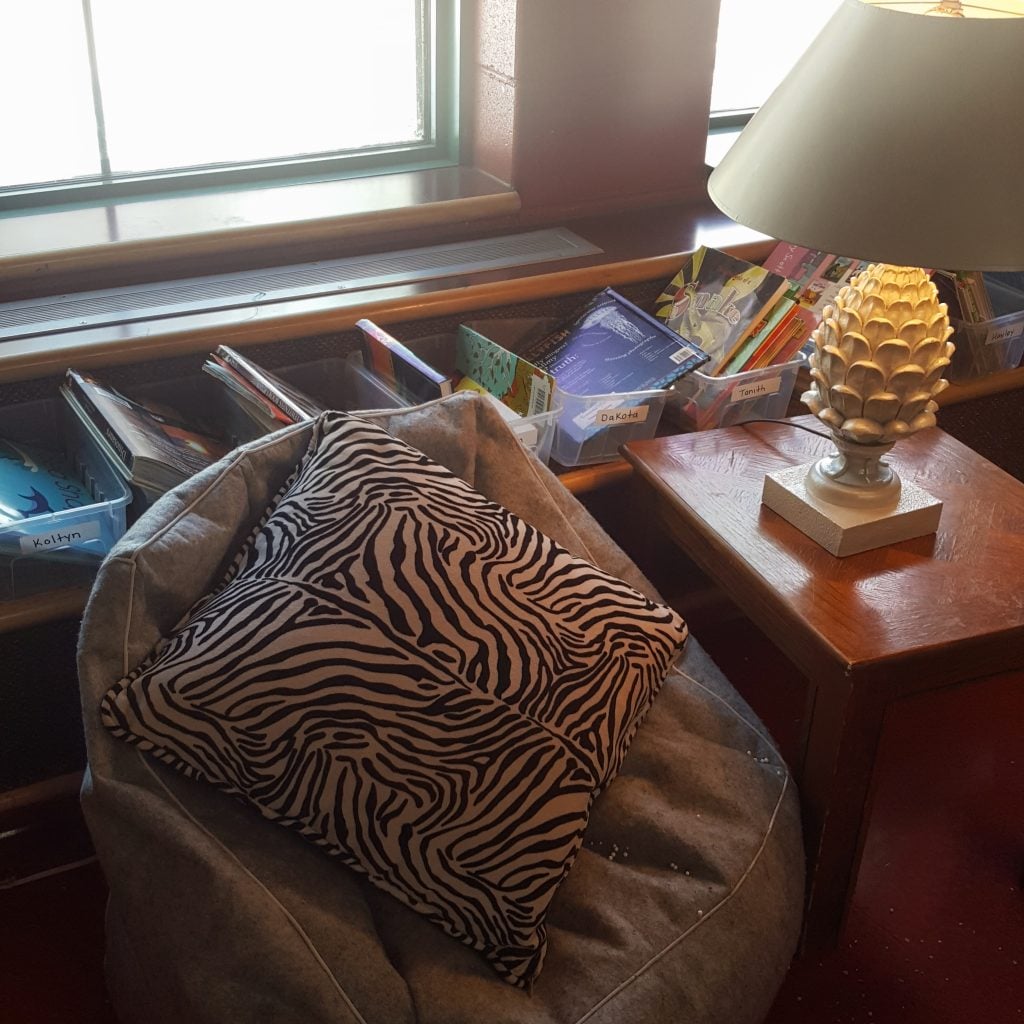
Classroom in Lac Seul with different seating options

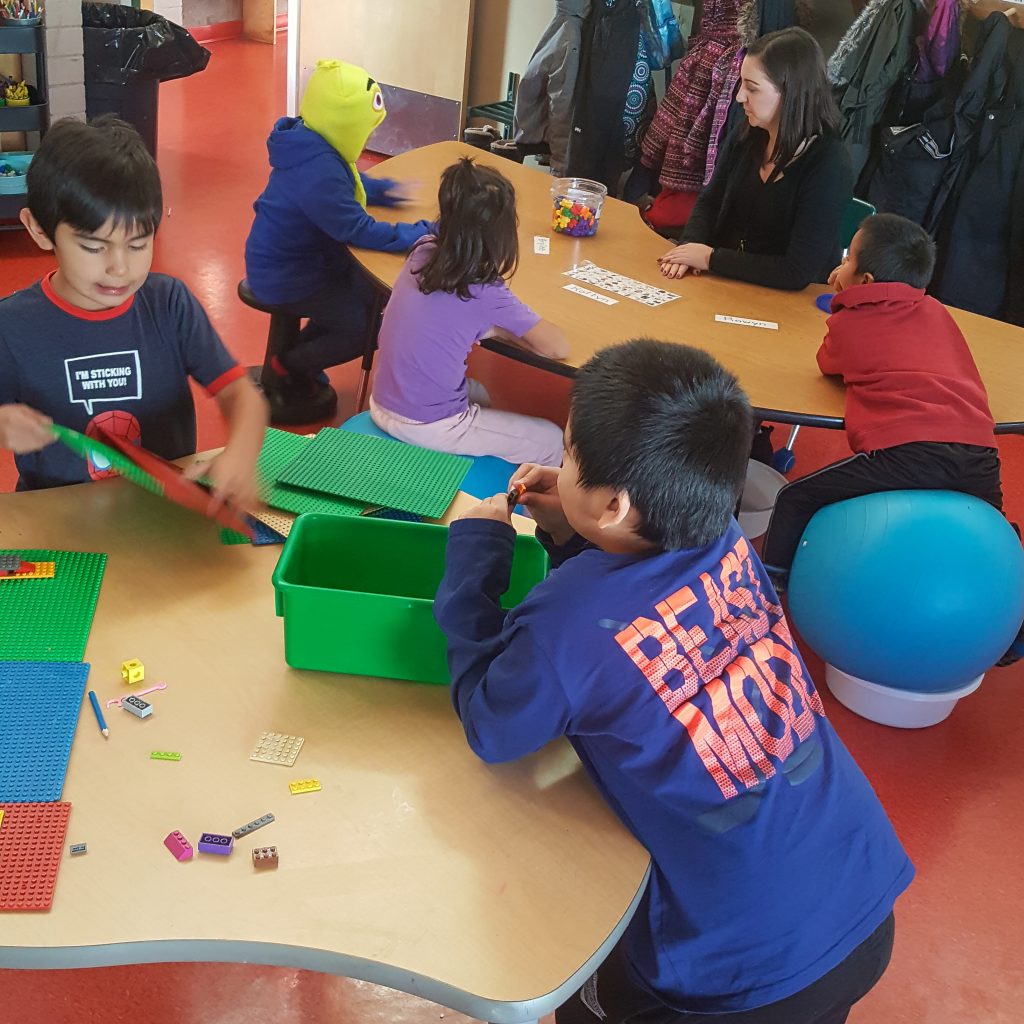
Seating options include standing desks, stability balls, and wobble stools


Many Types of Seating Options


Ashley worked with her school administration, including principal Alisha Hill, to develop a plan on which types of seats to introduce into her class. She purchased most of the items online (via Amazon and IKEA) using her classroom budget. Currently Ashley has:

– Wobble stools

– Stability balls (an exercise ball)

– Bean bag chairs

– Floor cushions

– Lap desks (to support students as they sit or lie on the floor)

– Low desks (that let students sit on the floor)

– High desks (that let students stand)

– Chairs

– Carpet area (with many opportunities for learning during carpet time)


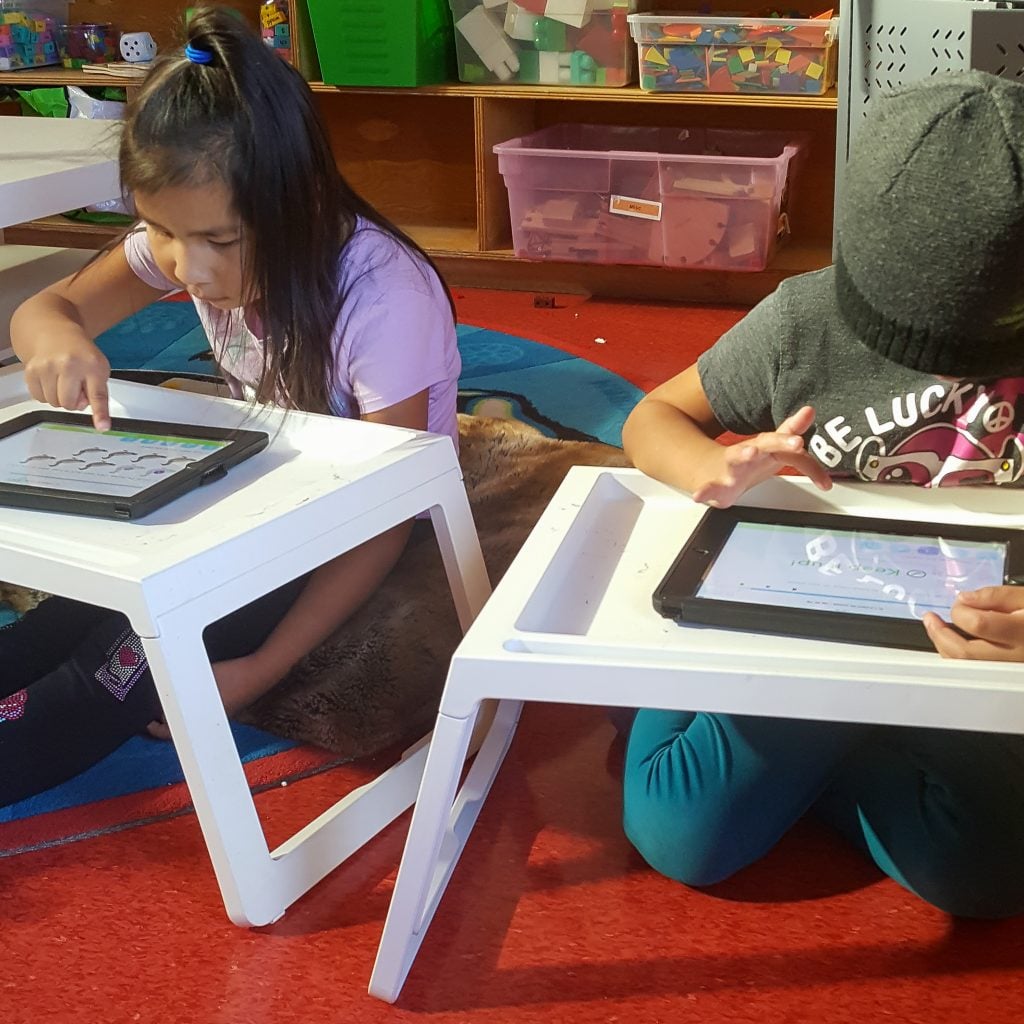
During independent work time students can sit at low tables on a cushion

During independent work time students can sit at low tables on a cushion


Introducing the New Flexible Seating


Ashley talks openly about the challenges she faced when introducing flexible seating. Her students were very eager to try out the new types of seats and it was hard to reign in their excitement. “I started with a basic activity. I chose colouring and allowed students to rotate through all the types of seats while doing this basic activity,” says Ashley.

This approach allowed students to focus on what they liked or didn’t like about the seat instead of focusing on the work they were completing.

“This continued for a number of days and eventually I said ‘You can sit where you work best’,” Ashley reports. “Now during independent work time I allow students to take their work to any seat, but remind them that if they are not focused Ms. V gets to pick their seat.”


Bean bag

Bean bags are popular but can be problematic during lunch or snack time


Technical Challenges with Flexible Seating


“Keeping the stability balls in place was a huge challenge!” laments Ashley. When the kids are actually sitting on the balls there is no problem. However, when they are not in use it was hard to keep them from rolling around the classroom. Ashley discovered that large, round tubs she had around her classroom worked well to keep the balls in place when they weren’t in use.


There are also challenges with how the students use the new seating. “It’s hard at lunch and snack time. Students argue over what seats they want to sit in and because of food mess we have had to disallow fabric seats (bean bags and pillows) during meal times.” Ashley has tried several strategies, including assigning seats during meal times and creating a meal time seat rotation.


Two students sitting at low desks

Students are figuring out which type of seating helps them work best


Students Are Liking It!


“The kids’ favourite type of seat is the stability balls. I’m looking into getting more!” says Ashley. She has also purchased a number of lamps and chooses to turn off the fluorescent classroom lights to create a calmer atmosphere. Ashley is always looking for more seating options. She is eager to see the progress in her students as they become more aware of which seat option they work best in and why.

adfafda

Going North With Kids

Posted by Meredith Stapon

Katie Van Ark started teaching grades 1-4 in Slate Falls Nation in September 2018. Before applying to teach through Teach For Canada, Katie taught from Kindergarten to grade 8, as well as a gifted program and mathematics. Katie completed a Bachelor of Arts in Elementary Education, with minors in Mathematics and French from Alma College, a Master’s degree in Gifted & Talented Education from Grand Valley State University, and a Master of Fine Arts in Writing for Children and Young Adults from Vermont College of Fine Arts. She is originally from Michigan, USA.


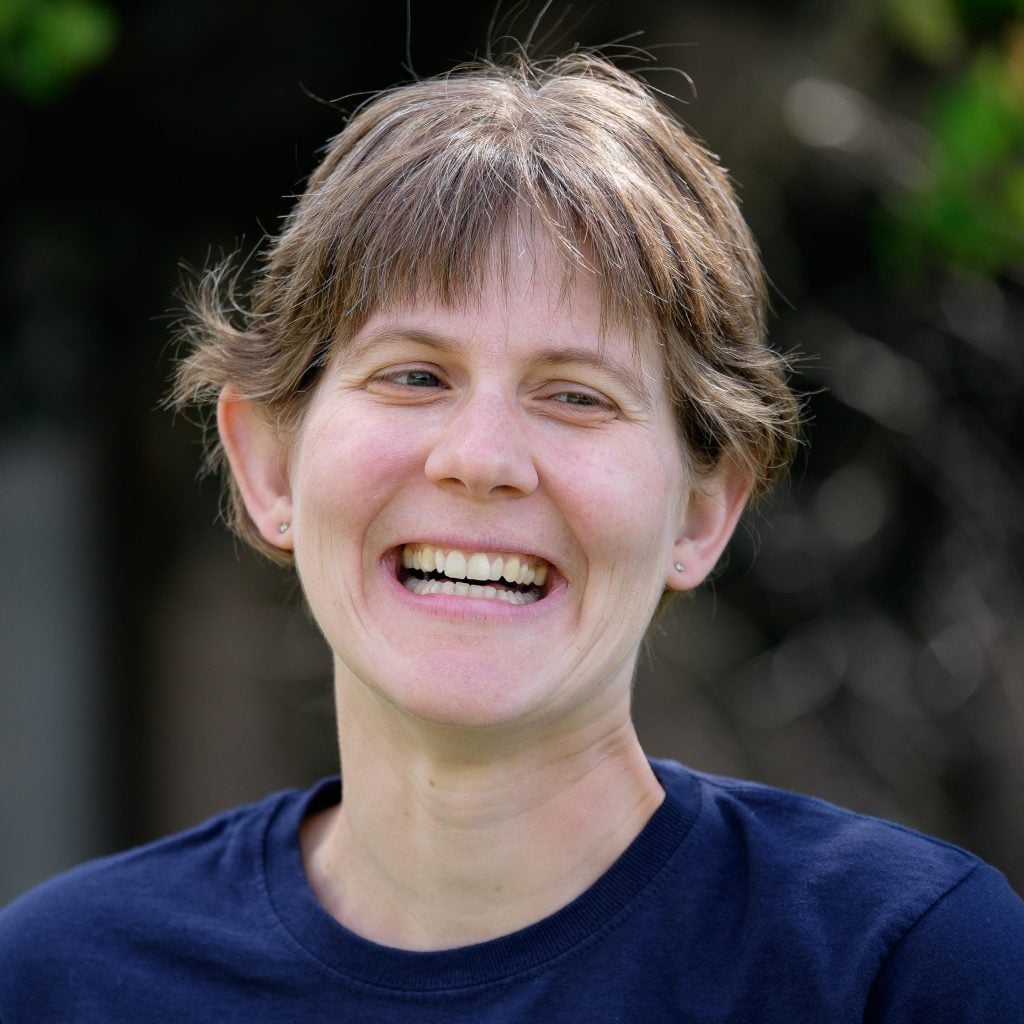
Teach For Canada teacher Katie Van Ark

Katie Van Ark


One of my first questions before applying to Teach for Canada was about families. I knew from the start that if I were to go North, I would be going with my husband and our two daughters, ages 6 and 9. Teach For Canada staff was encouraging during the informational webinars I attended. They also connected me with a teacher who had brought her son with her. Like most experiences, though, there was no way of knowing exactly how things would work out until we arrived.


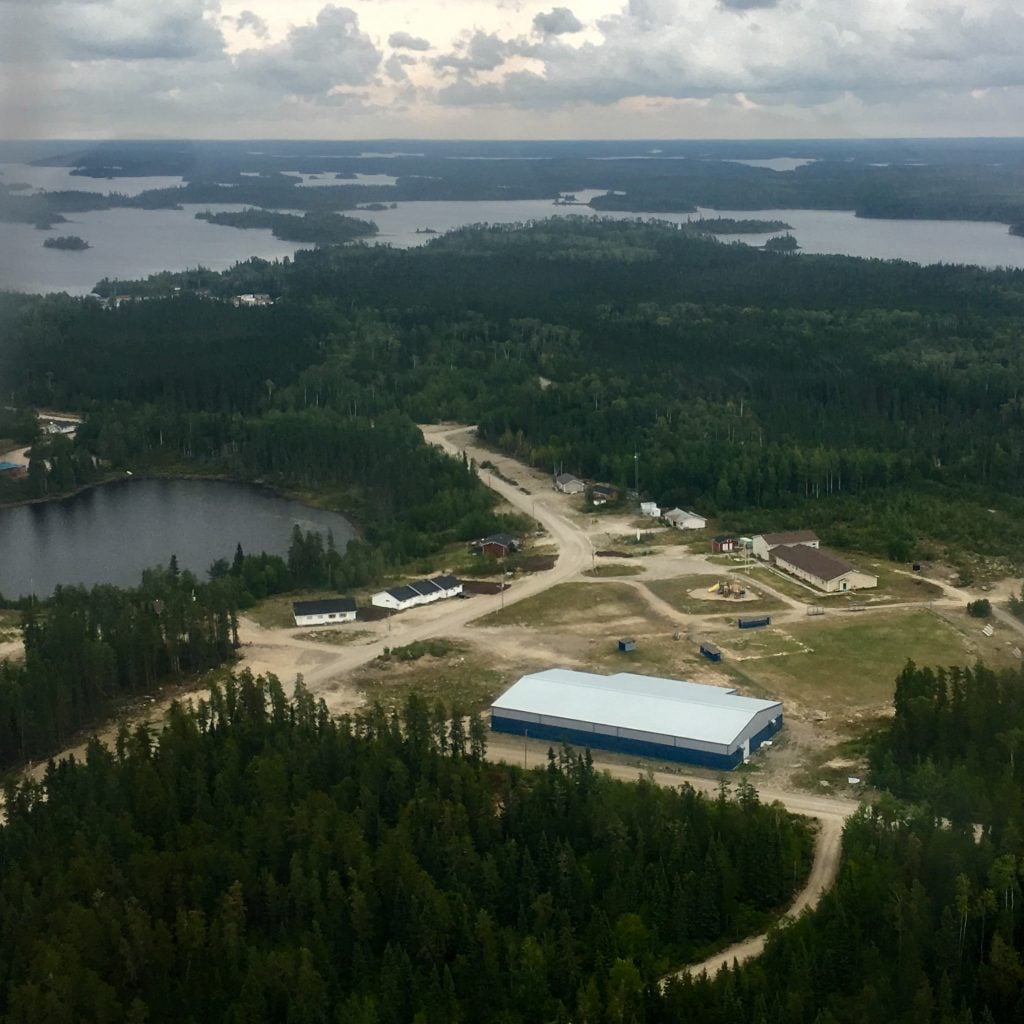
Aerial view of Slate Falls Nation

Aerial view of Slate Falls Nation


Slate Falls has turned out to be a wonderful match for our family. With the playground just across the street and the lake behind our apartment, the girls have many places to play. The other children have been very welcoming. Since the school classrooms are all multiage, my daughters can stay with their agemates and still be able to work on challenging material. Life on the reserve allows us to pursue a favorite family activity of being out in nature. We’ve visited the beach, enjoyed the community kayaks, and hiked along the boardwalk. Having our daughters with us has also helped my husband and I to get to know other community members – the children are a natural conversation opener.


Katie's daughters have many options to play outside in Slate Falls Nation

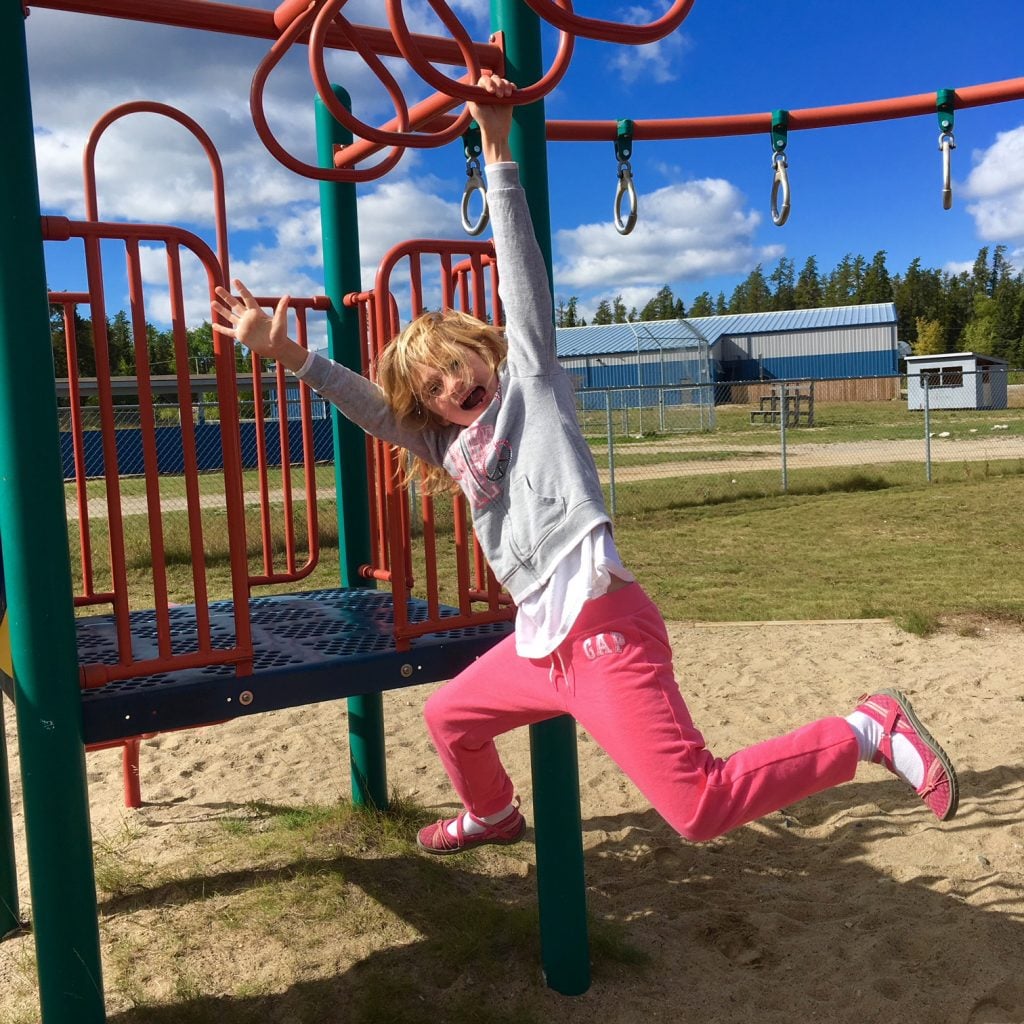
Katie’s youngest is proud to have mastered the playground monkey bars


Being prepared definitely helped our transition, which was a big one as we were moving from the United States. As part of the Summer Enrichment Program, Teach For Canada asked us to create self-care plans. After the Summer Enrichment Program, I had my family members write self-care plans, too. My daughters said they needed a comfy nest of blankets to burrow in when they were feeling stressed. We brought ALL their blankets and stuffed animals from home. (Hooray for vacuum space saver bags!) Since a relaxing evening bath was an important part of their normal routine, we also stocked up on bubble bath, special shower scrubbies, and soaps from Lush. Being open with my daughters about what culture shock was and how to deal with it also helped.


Snowshoeing in Slate Falls

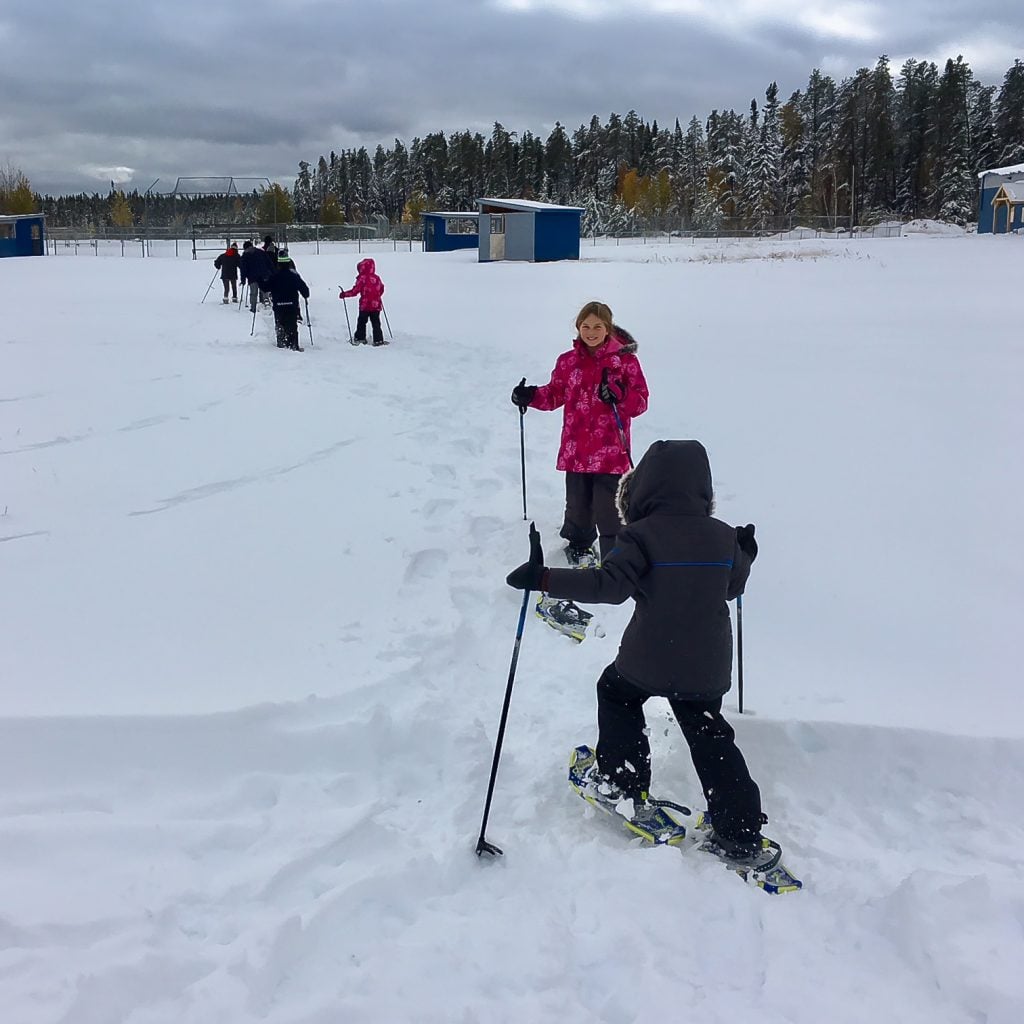
Every Friday, the whole school learns cultural activities like snowshoeing


Life anywhere has challenges and we’ve faced a couple with our move. One challenge I didn’t expect was playdates. As a teacher, I need some time at the end of the day to relax in order to be at my best for the next day of teaching. As a mom, I want my children to be able to bring their friends home but my youngest child’s friends are also all my students. What is working for us is allowing playdates until 5:30 pm, after that any visitors need to go home so that we can have dinner as a family and then unwind.

With the onset of winter, figuring out activities for our weekly family date night tradition has required some extra thought, too.

On the reserve, options like going to a movie or the indoor water park don’t exist. Luckily, Chapters/Indigo and Scholastic ship for free, allowing me to order surprises like Harry Potter Lego sets and bath bomb crafting kits. Now we choose one of those activities or have a movie streaming night with lots of popcorn and candy.


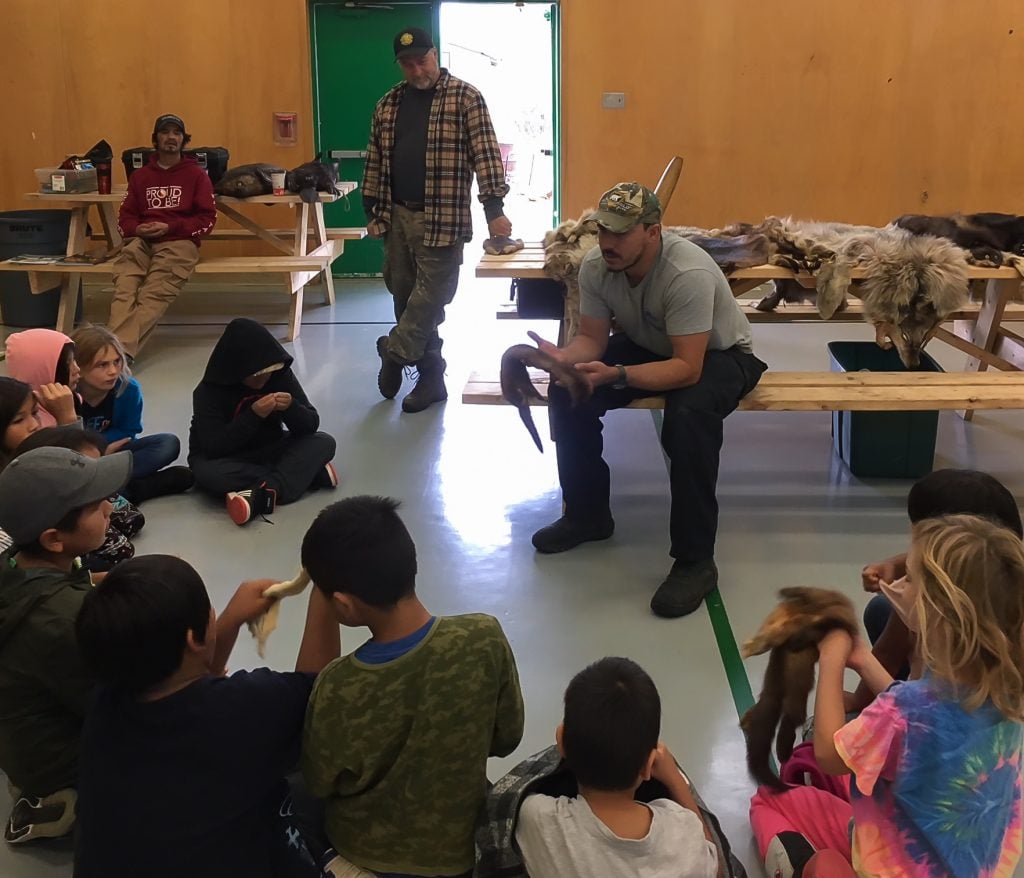
Trappers visit the school to teach trapping methods, safety, and animal skinning

Trappers visit the school to teach trapping methods, safety, and animal skinning


Overall, our life here is one filled with small blessings, whether it is a gift of moose stew meat, a beautiful sunrise over the lake, or the many things in between. I love the small class sizes and multiage environment, both as a teacher and as a mom.

Bimaychikamah School offers so much that my children wouldn’t have experienced in their former school, including snowshoeing and trapping lessons.

I’m grateful that my family gets to share this opportunity to learn about and connect with another culture alongside me.

Celebrating 10 Years of Gakino’amaage | Strengthening education for generations to come. Explore Our Impact Goose Icon
This is default text for notification bar