
adfafda

Jumping in with Both Feet

Posted by Meredith Stapon

Gurpreet Flora started teaching grade 6 in Deer Lake First Nation in September 2018. She completed a Bachelors of Arts and a Bachelors of Education at York University. Gurpreet is originally from Toronto, ON.
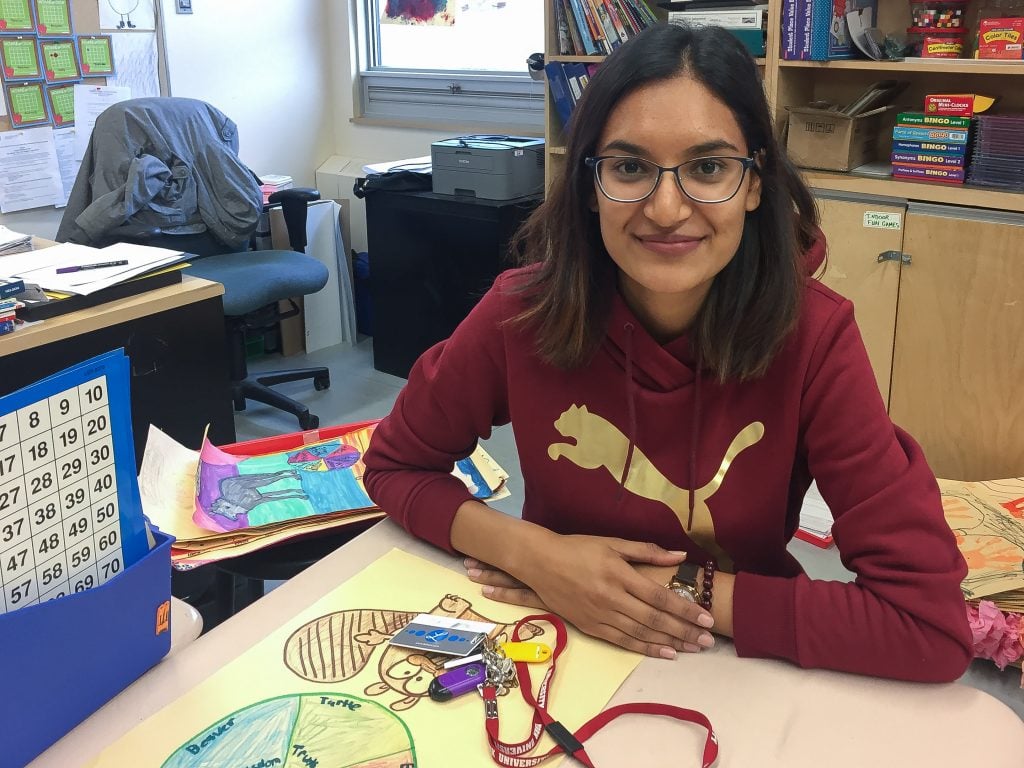
 

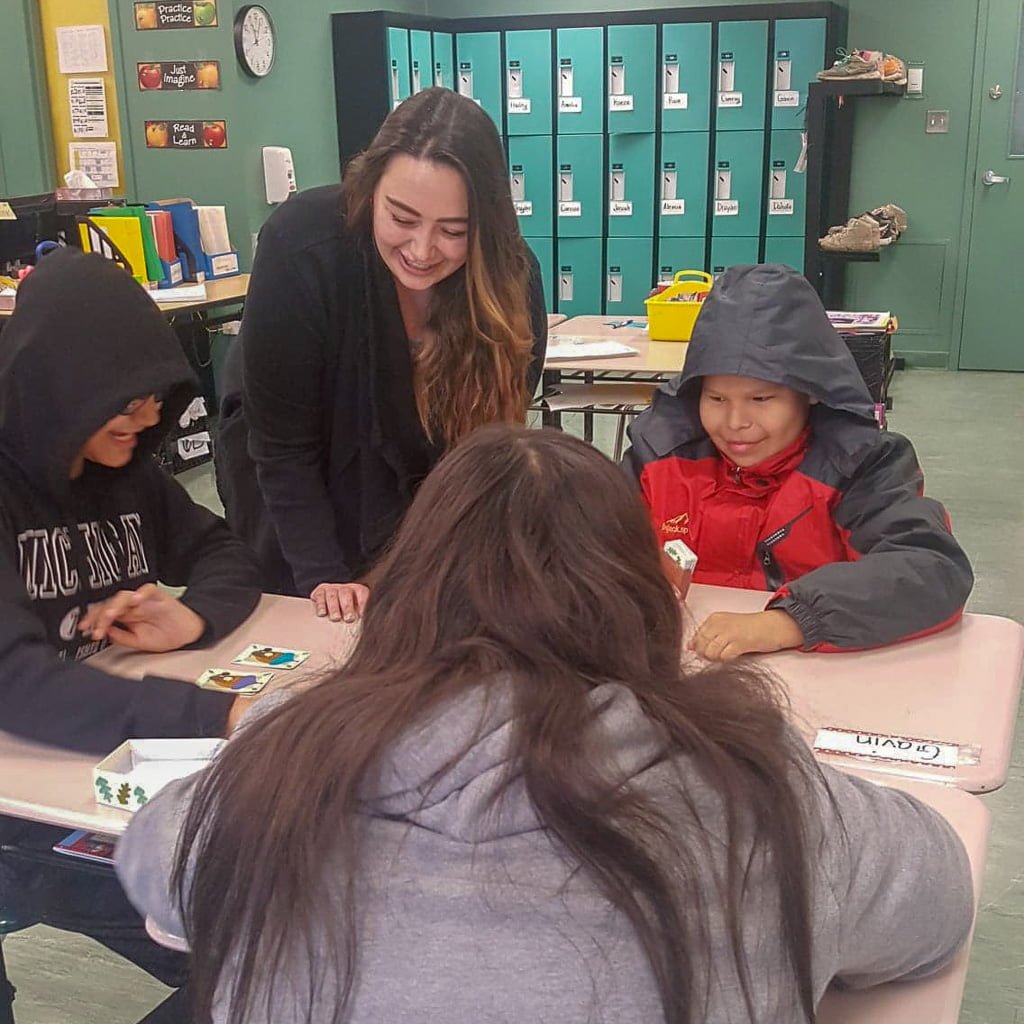
Teach For Canada's Gurpreet Flora teaches grade 6 in Deer Lake First Nation

Gurpreet Flora teaches grade 6 in Deer Lake First Nation


When I applied to get my Bachelor of Education at York University I had no idea the type of impact I would be making in two years time. I always knew I wanted to do something big, make a difference in a child’s life but I wasn’t too sure how I would accomplish that. Being a teacher is more than just teaching students out of a textbook. Instead it’s about the experience and the growth. It’s about the connection and the impact you make on a child. These are the reasons why I became a teacher.


An Unexpected Career Path

Believe it or not, I hated school. I hated every second of being in a building that was so structured. And then, ironically, I became a teacher. I wanted to break the rigid school mold. I wanted kids to never feel trapped at school but rather enjoy every moment of learning. I also wanted there to be one less teacher overly-focused on lesson delivery, forgetting how to have fun and enjoy time spent with students.

 

Teach For Canada's Gurpreet Flora and Ryan Maharaj

Gurpreet Flora and her partner Ryan Maharaj applied together to go North with Teach For Canada


A Journey that Started with Teach For Canada

So, my journey began. It started off with my partner (who is also a teacher) and I holding a Teach For Canada flyer. We didn’t know what it meant for our future, but we had heard about their work and the impact the organisation was having in the First Nations schools where teachers were working. We had to jump in. There was no way we could ignore this opportunity to grow and learn. We both knew that this would be a big leap for us and we were all in!
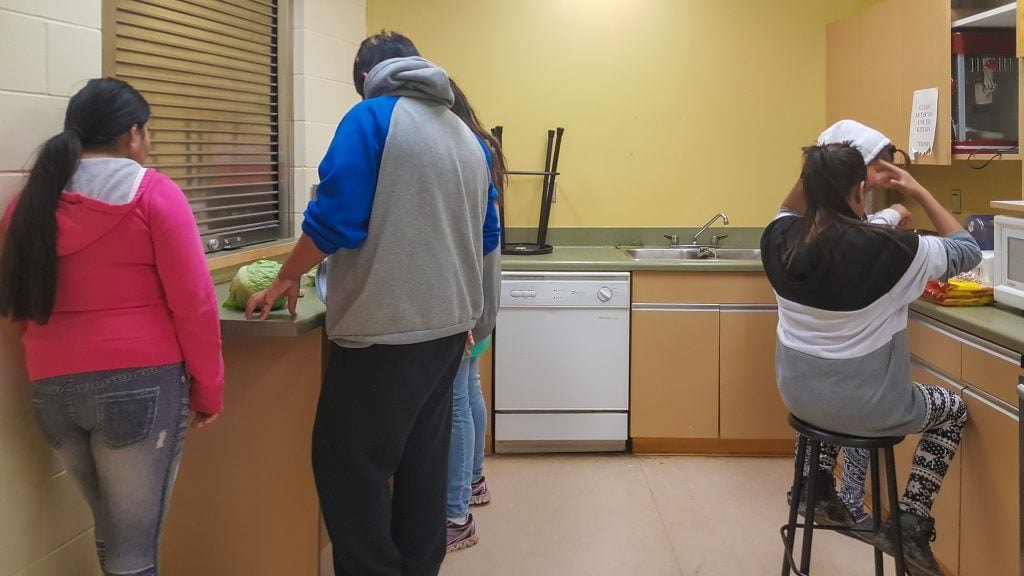
 

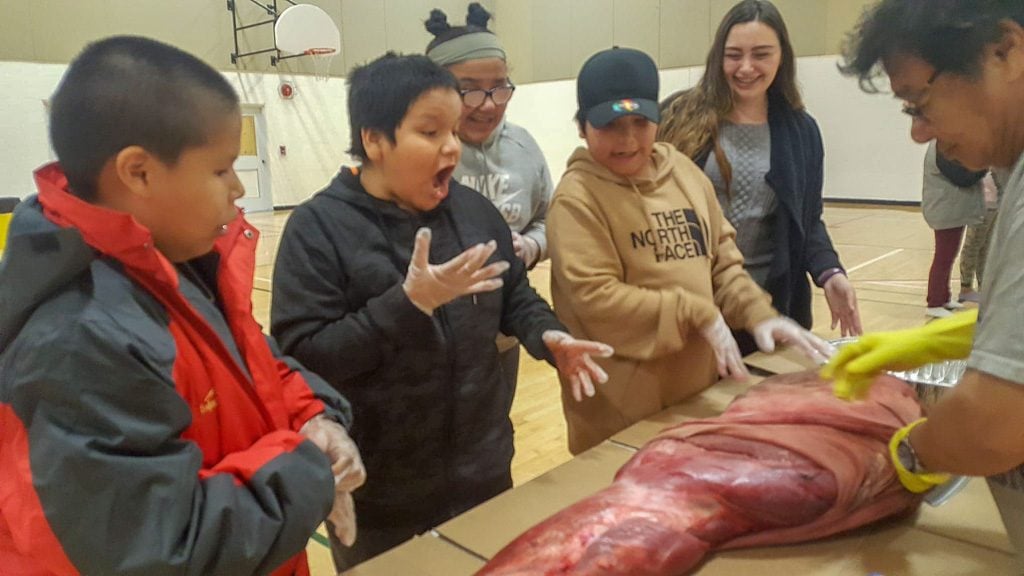
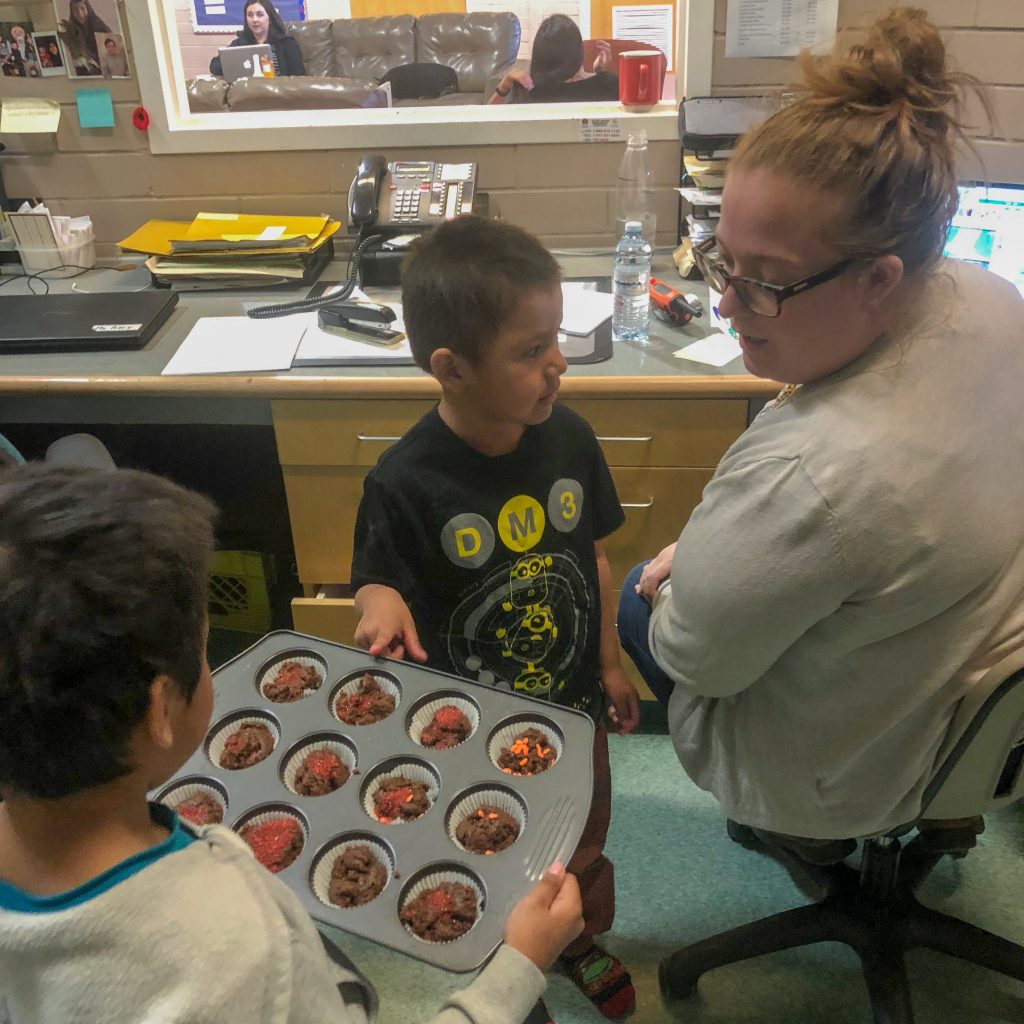
Gurpreet and her students do a special cooking lesson together in Deer Lake First Nation

Gurpreet and her students do a special cooking lesson together in Deer Lake First Nation


A Start that Was Full of Surprises

When we arrived in Deer Lake First Nation, we didn’t know what to expect. Apart from seeing some pictures of the community, we had few details about Deer Lake. I was assigned to teach grade 6. Despite having no previous teaching experience apart from my practicum, I was ready to take this challenge head on. Little did I know, I was in for a surprise. You can read all you want about schools on reserves, but you can’t fully understand the impact of colonization on people and the land until you experience it firsthand, and even then it is hard to fully grasp. 
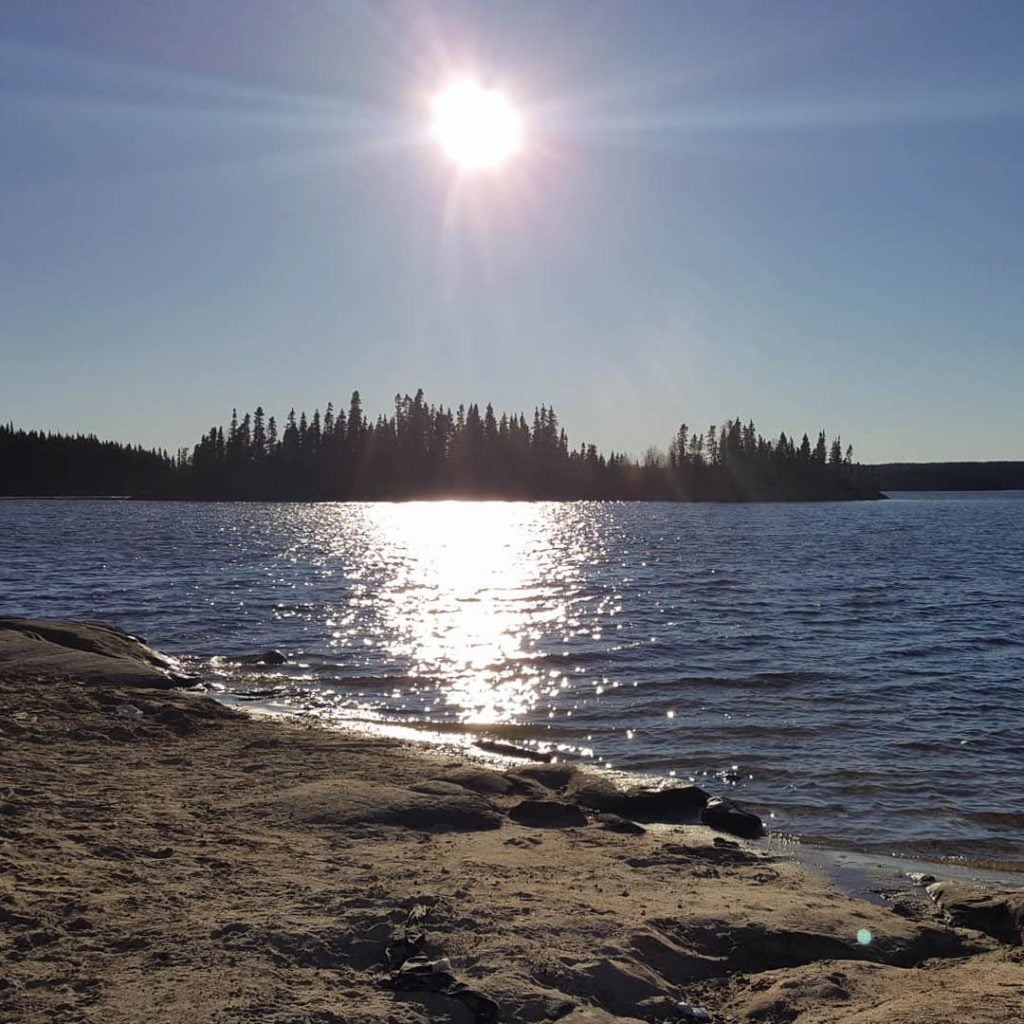
 

Deer Lake First Nation

Deer Lake First Nation


One experience that was different than teaching in the South is that parents or guardians might not come into the school for parent-teacher interviews or at any other time you ask them to visit you in the school. The idea of being in a school setting after the trauma experienced during residential schools is too much for some to handle. So, you learn to be very creative in how and where to approach parents or guardians.
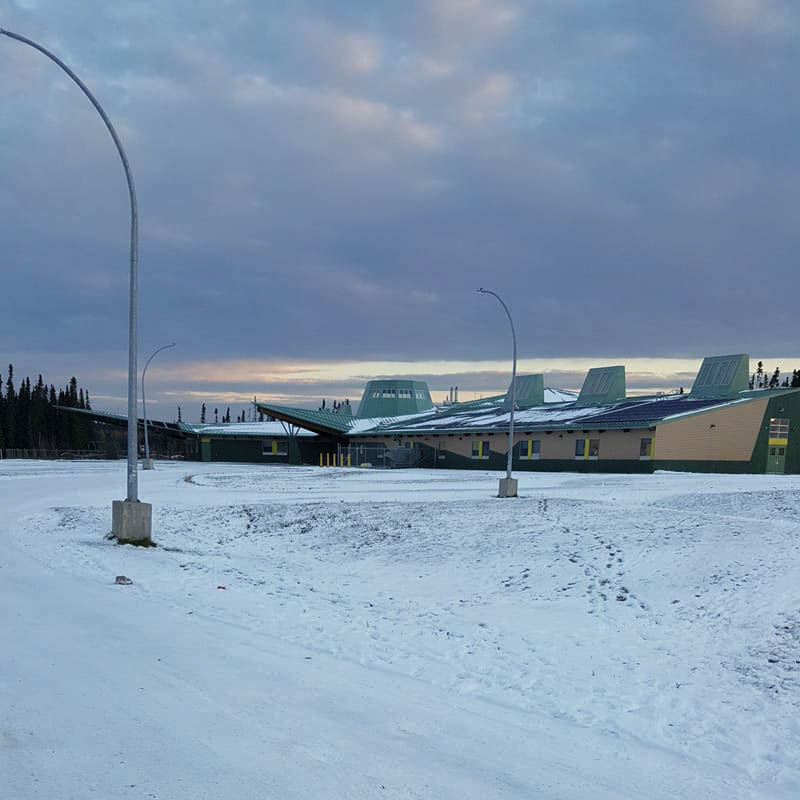
 

Deer Lake School

Deer Lake School


I have also found that attendance can be a huge issue. Students often miss weeks of school. This is linked to various challenges. One of them is that the community where I work is a fly-in, so there is no road. That means access to goods and services can be tough around here. If you need medical attention you must fly in and out of Deer Lake. Many of my students fly to Winnipeg for medical treatment which means a solid 3 or 4 days of missed school. This can be very tough on teachers! Students miss chunks of important lessons and it is the teacher’s job to find creative ways to catch them up. This is the one thing that I struggled with the most. I would get overwhelmed by trying to catch up students that at times I would be delivering two lessons in one period. It can be hard and overwhelming but I learned very quickly to never be afraid to ask for help.
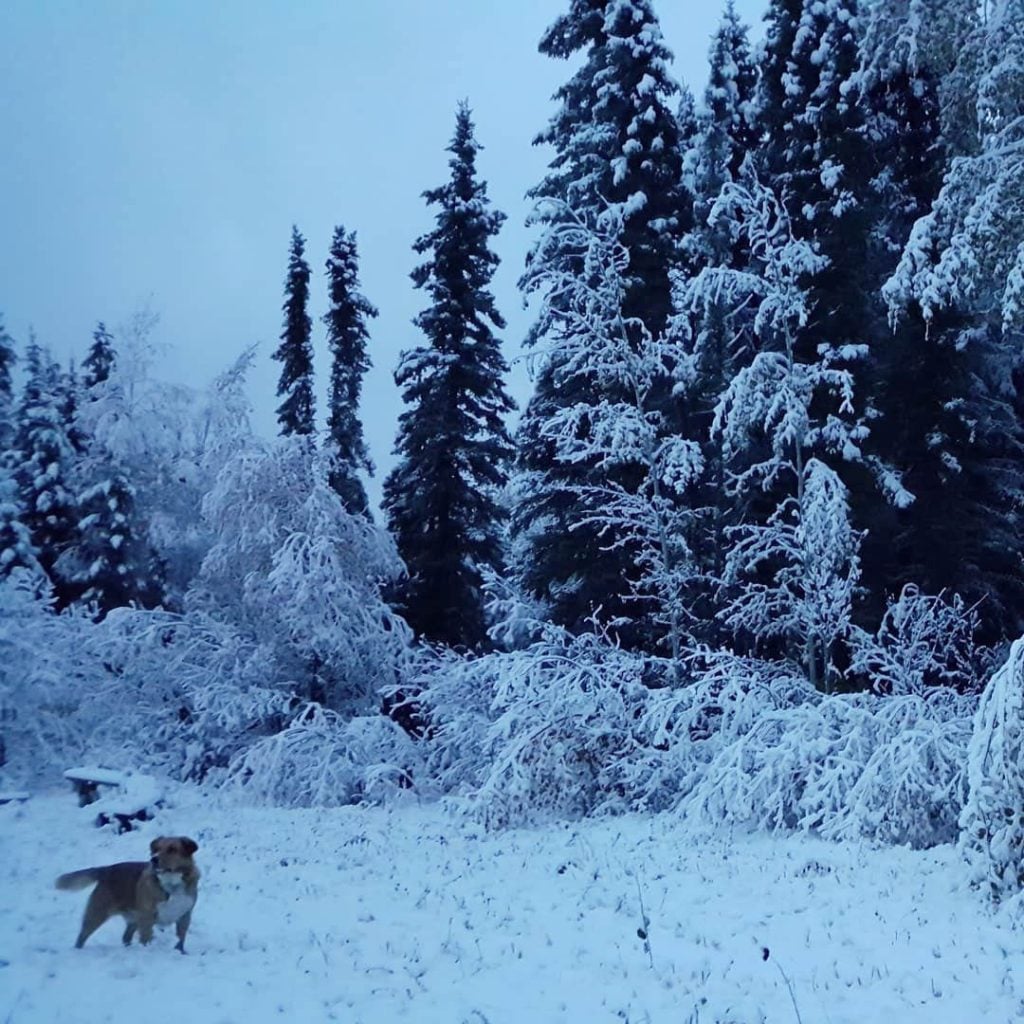
 

A forest in Deer Lake

Gurpreet takes time to recharge by going for nature walks


The impact of colonization and a lack of services have also had a direct impact on mental health. For different reasons, students here carry a lot of stress, which affects their mental well-being. This can be more apparent in older grades but teachers in younger grades may also have to learn to identify and address mental health issues. This can be tough on teachers as well as the students.

Within a few weeks of the school year starting, I found myself feeling burnt out and angry.

I realised it was because I was trying to accomplish anything and everything to support students’ well-being. But you can’t do everything. What you can do is be the best possible teacher, making sure your students feel safe and welcomed in your classroom.
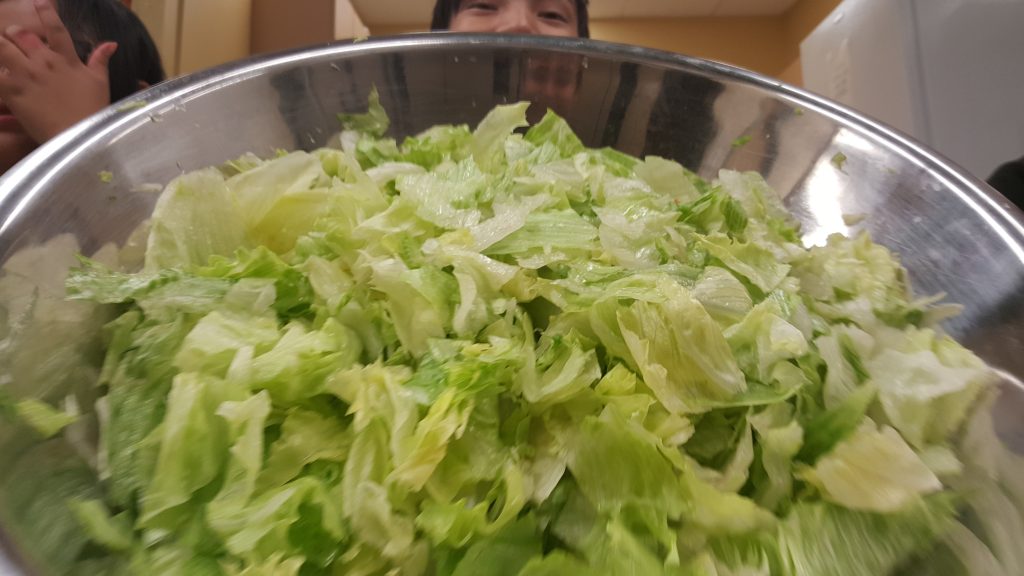
 

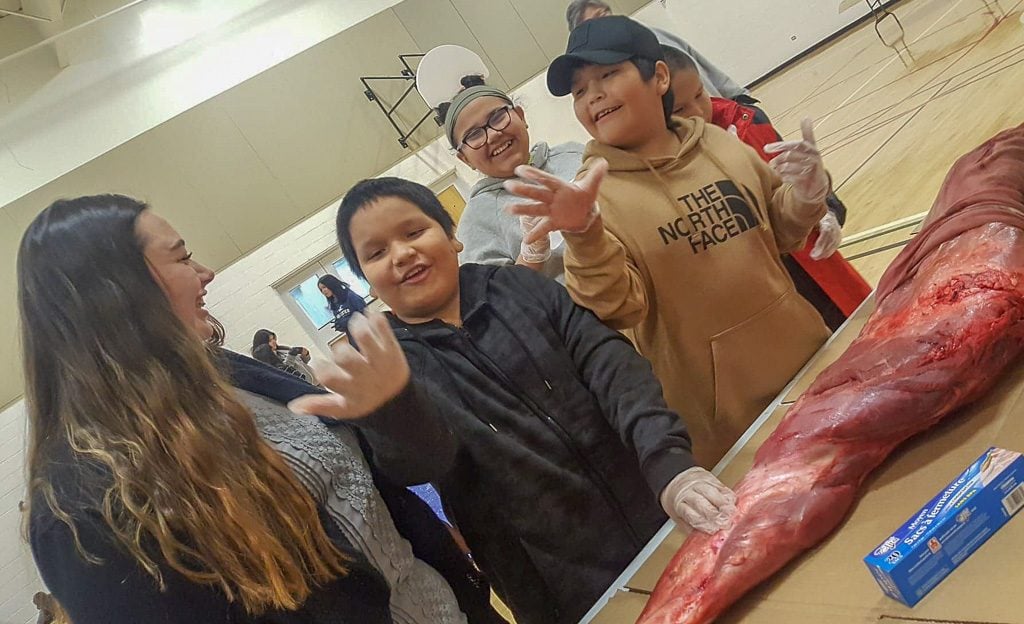
Gurpreet and her students bonded during activities such as cooking

Gurpreet and her students bonded during activities such as cooking


Building Relationships with Students

The thing that gets me going are my students. They are so full of joy and excitement. They are the reason I get up everyday and put in my 110%. These first few months have been exciting for us. We have bonded through a number of activities. We went on a camping trip where we had to survive the cold fall weather. Well more like I had to survive the cold fall weather. For my kids it was just normal weather. We also baked tacos together as a reward for good classroom behaviour. During that cooking lesson we learned about kitchen safety and healthy eating. We also went out on a community walk and explored their neighbourhood. During our walk, we discussed the land and road development in the community.
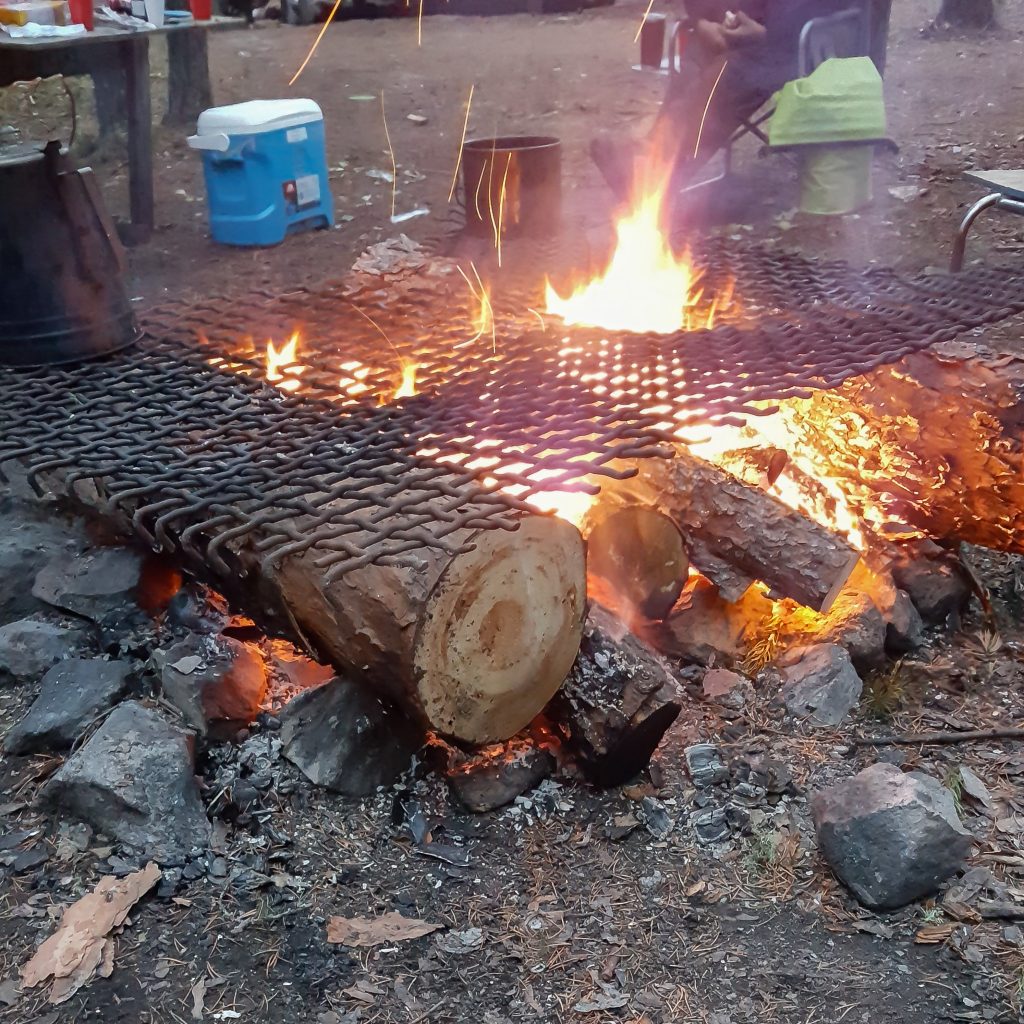
 

Gurpreet and her students went camping together

Gurpreet and her students went camping together


Teaching here for the past few months has been a great learning experience. Some days are better then others, like any school or any job. But the biggest lesson that I have learned is the importance of building relationships with my students.

I focus on day-to-day check-ins with them, because if they know you care they will try their best.

They will not be afraid of failing and you will see their growth. With time, you can learn how to meet your students needs in unique ways; ways that allow you to be creative and think outside of the box. I am grateful for this journey and I cannot wait to see what else it has in store for me.
 

adfafda

Teacher Feature: Nolan Wurfel

Posted by Meredith Stapon

Nolan Wurfel started teaching grade 4/5/6 in Lac La Croix First Nation in September 2017. Nolan completed a Bachelor of Arts in History and a Bachelor of Education at Western University. Nolan is from Owen Sound, ON.


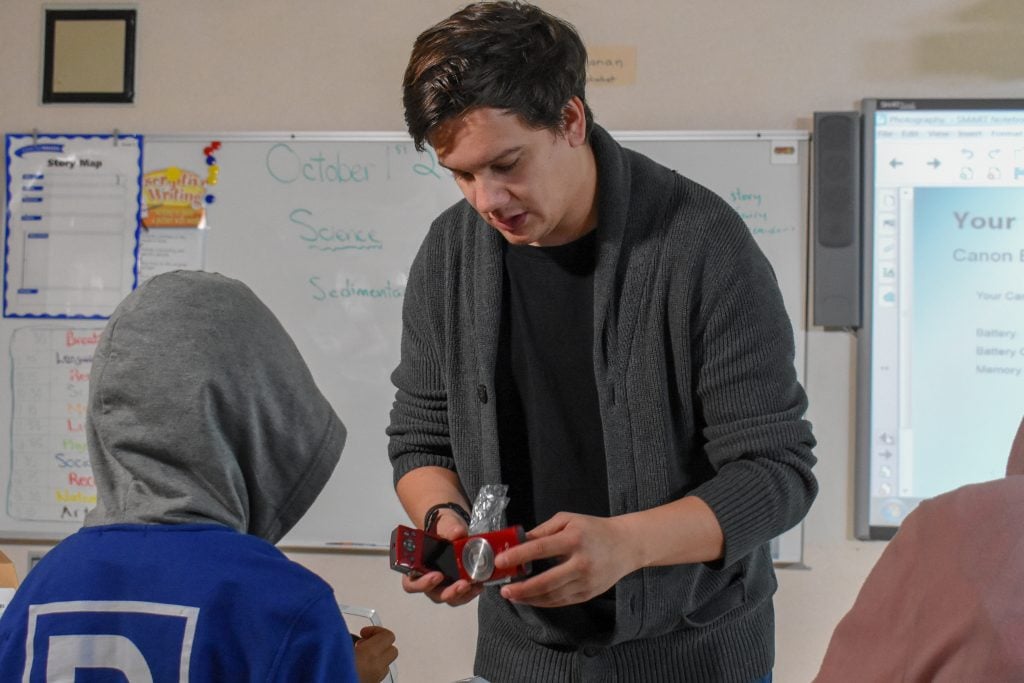
Nolan Wurfel helps a student figure out the settings on his camera

Nolan Wurfel helps a student figure out the settings on his camera


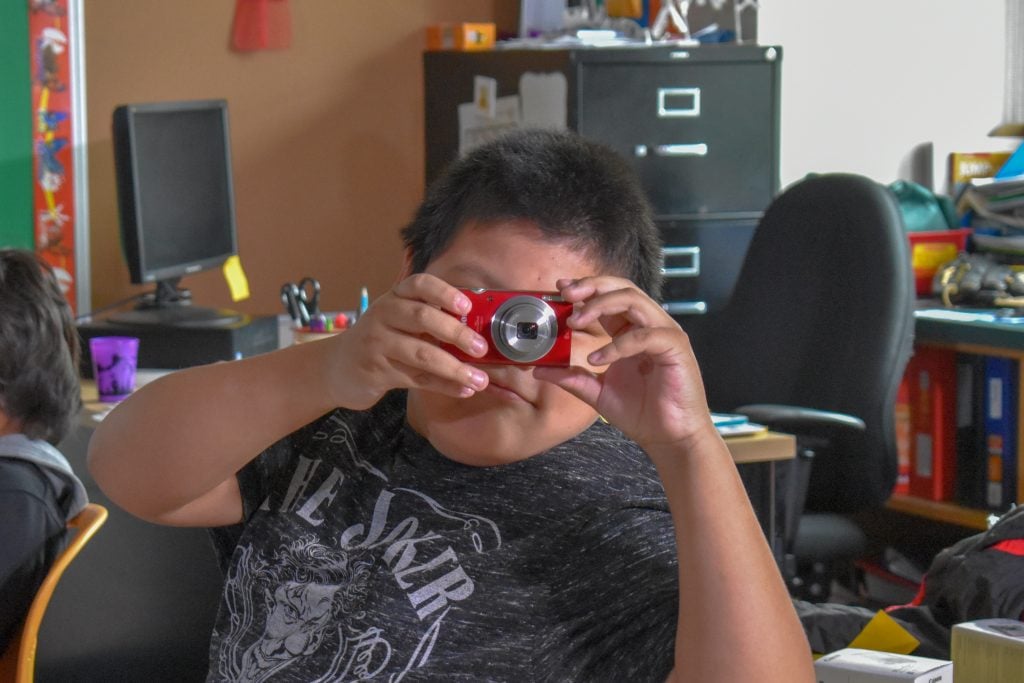
It was like Christmas in October. Grade 4, 5, and 6 students excitedly opened the small box their teacher, Nolan Wurfel, had given them. Inside, they found a brand new digital camera. They quickly figured out how the small camera worked, intuitively turning it on and pressing buttons. At the SMART Board, Nolan explained to them the theory and technique required to take good pictures.


Students quickly get the hang of using the camera

Students quickly get the hang of using the camera


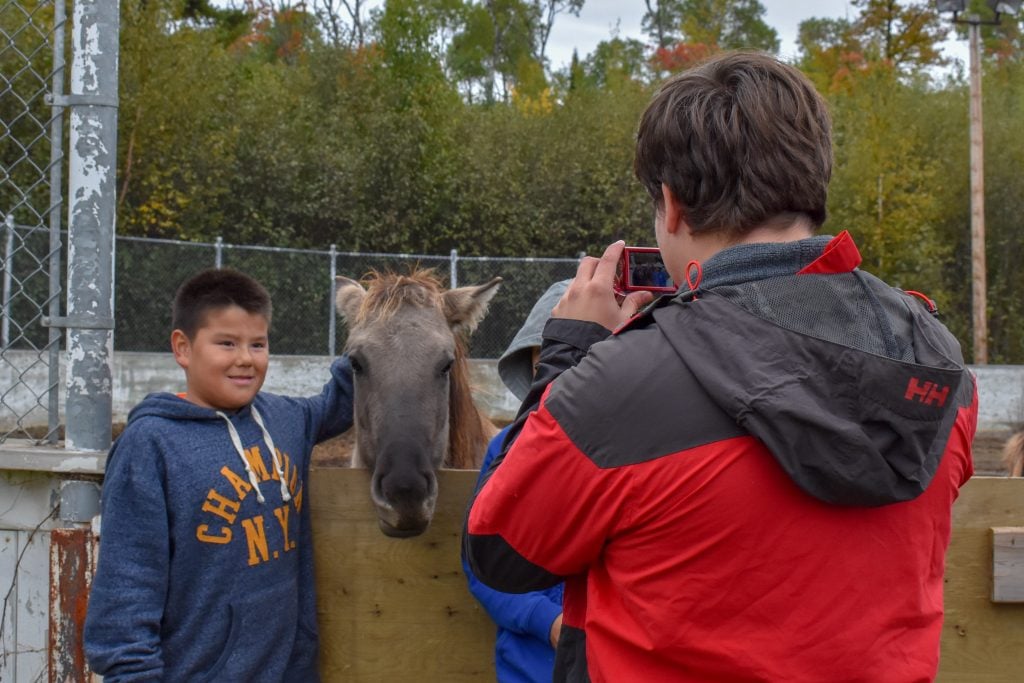
Then they headed outside to apply the theory they had just learned. Nolan encouraged them to look at the world around them from different angles. Go high! Get low! Go up close to see the detail. Take a step back to take in the big picture. Lac La Croix First Nation‘s fall colours created a beautiful backdrop for these budding photographers.


Nolan and his students take pictures with the Lac La Croix ponies

Nolan and his students take pictures with the Lac La Croix ponies


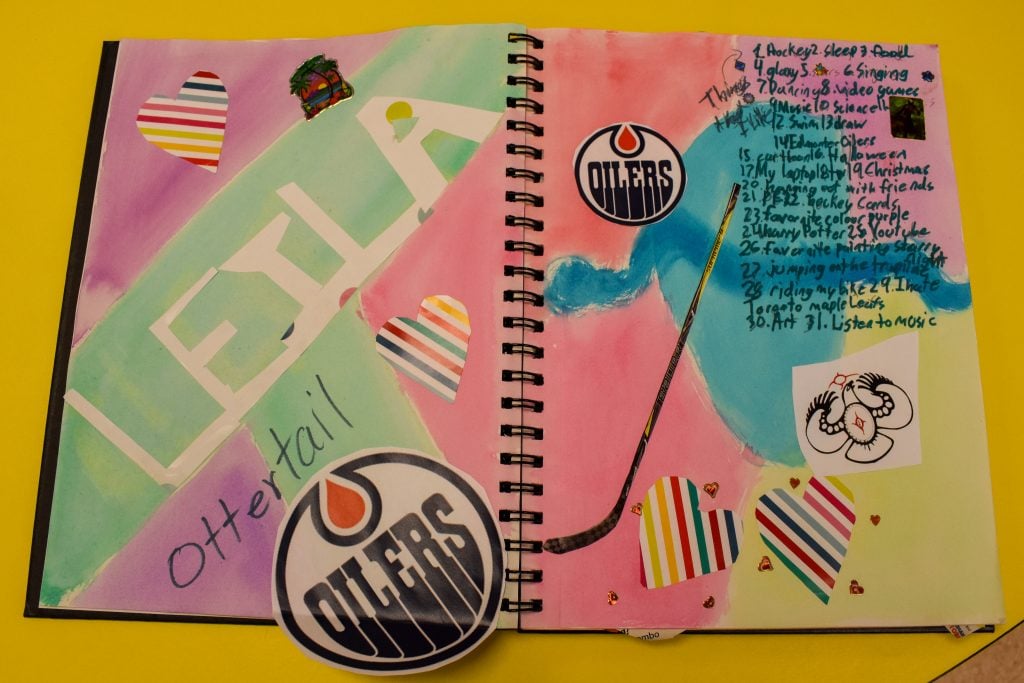
What students were taking part in was greater than a simple photography project. It was part of a bigger, year-long initiative: a visual journal.


What is a Visual Journal?

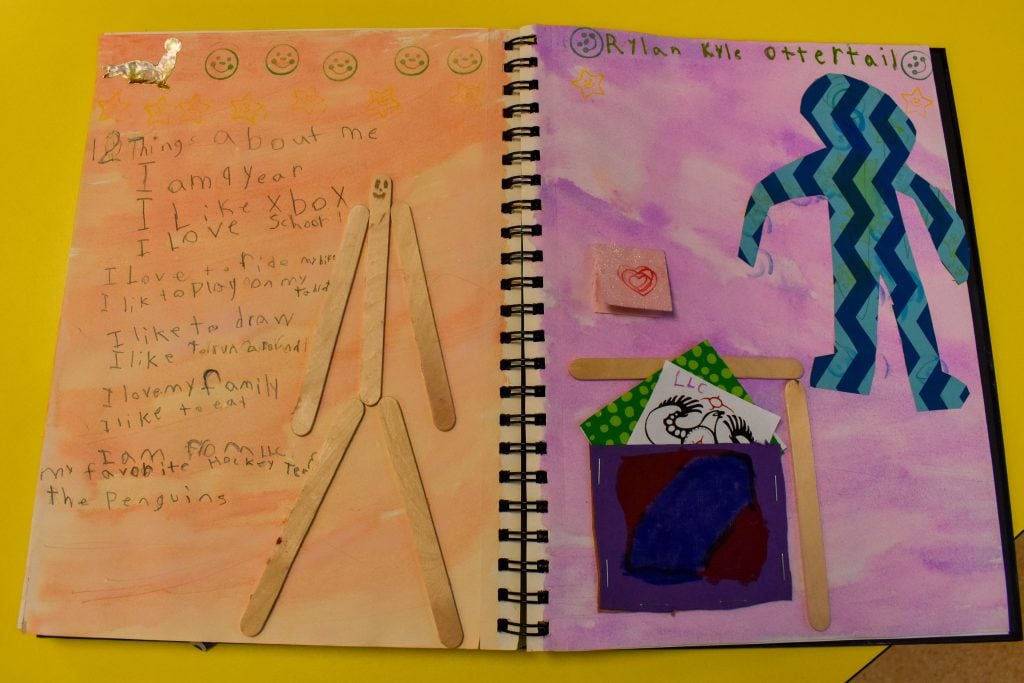
With a visual journal, students can express themselves and what they are learning in different ways. This is a useful tool for students who may not yet be able to express what they’ve learned in conventional ways.


A visual journal allows students to express what they have learned in different ways

A visual journal allows students to express what they have learned in different ways


“A conventional way of expressing that knowledge would be to write it out or to do a test. The visual journals allows you to display your knowledge in a different way. It is a creative outlet,” Nolan explains.

The visual journal doesn’t supplant writing. “It allows their writing to be more free flowing, so it builds the ability for them to write naturally,” Nolan explains. And it’s not a free pass on hard work: he remains clear about expectations and the rubrics he will use to assess their work.


Students write in their visual journals in a way that flows more naturally from their work

Students write in their visual journals in a way that flows more naturally from their work


Nolan uses this tool to keep students from all three grades engaged at their level. Students who aren’t at grade level can still succeed, while others can stretch themselves.


Building Independence

Even during the photography lesson, some students initially found the freedom overwhelming. Nolan deems it essential to have them make choices: “I treat them like adults, I give them their independence.”

It didn’t take long for all the students to respond with enthusiasm as they explored angles, lighting, and photography subjects.


Nolan encourages his students to explore their strengths and interests

Nolan encourages his students to explore their strengths and interests


As they explore, they discover their strengths and their interests. This is one of Nolan’s biggest goal for his students.

“It’s important for kids to do some soul-searching. They need to figure out what they are good at and develop goals and pursue them. With the journal, it allows them to explore, manipulate and find out what they are good at,” he shares.

Nolan believes that it is particularly important in an Indigenous context.


When students discover what they are good at, they can strive to achieve goals based on their strengths

When students discover what they are good at, they can pursue goals based on their strengths


“It gives them the possibility of taking their own path. Especially for Indigenous students, there’s art, being a knowledge keeper, a medicine man, hunting, and many other options. Some have expressed interest in doing that. It’s about not funneling them down one chute.”

And so, Nolan and his students will also use the visual journal to explore a variety of subjects. Later this year: creating a plant almanac and learning more about Lac La Croix First Nation’s history.

adfafda

A Visual Tour of my Walk to School

Posted by Meredith Stapon

Jim Priebe is the school principal at Ahgwahbuush Memorial School in Poplar Hill First Nation. Jim has been in Poplar Hill First Nation since the September 2018. Before applying to teach in the North with Teach For Canada, Jim taught for six years with the York Region District School Board. He completed a Bachelor of Education at the Ontario Institute for Studies in Education at the University of Toronto and a Bachelor of Arts, Hons. Economics, at Queen’s University. Jim is originally from Newmarket, ON.


Teach For Canada's Jim Priebe

Teach For Canada’s Jim Priebe is principal in Poplar Hill First Nation

My commute to school is a 15 minute walk. Here is what I see on the way.

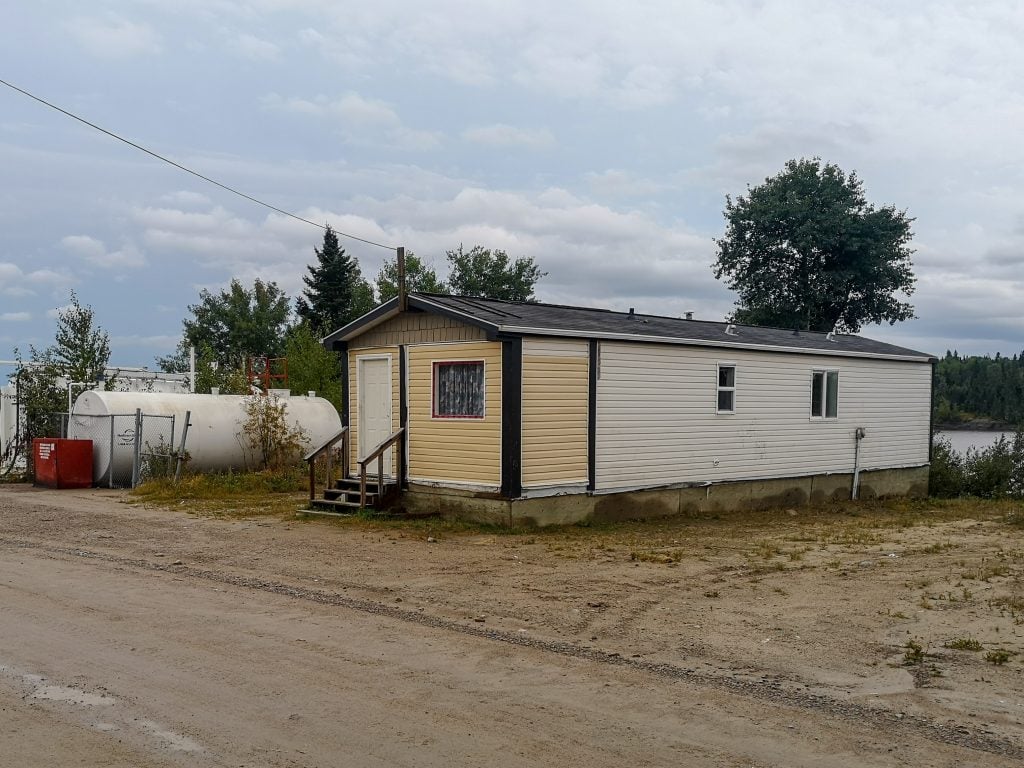
Teachers are provided with accommodation called “teacherages”. This is the one where I live. I like it because it is close to the water and “The Northern” – the only store in town.


One of the teacherages (teacher accommodation) in Poplar Hill First Nation

One of the teacherages (teacher accommodation) in Poplar Hill First Nation

You can see a fuel tank to the left. As far as I can tell, since this is a fly-in community, a year’s supply of fuel is brought in via the winter road, which is open for about six to eight weeks in the winter. Then the fuel is stored around the community. It is used for vehicles and also to generate electricity.

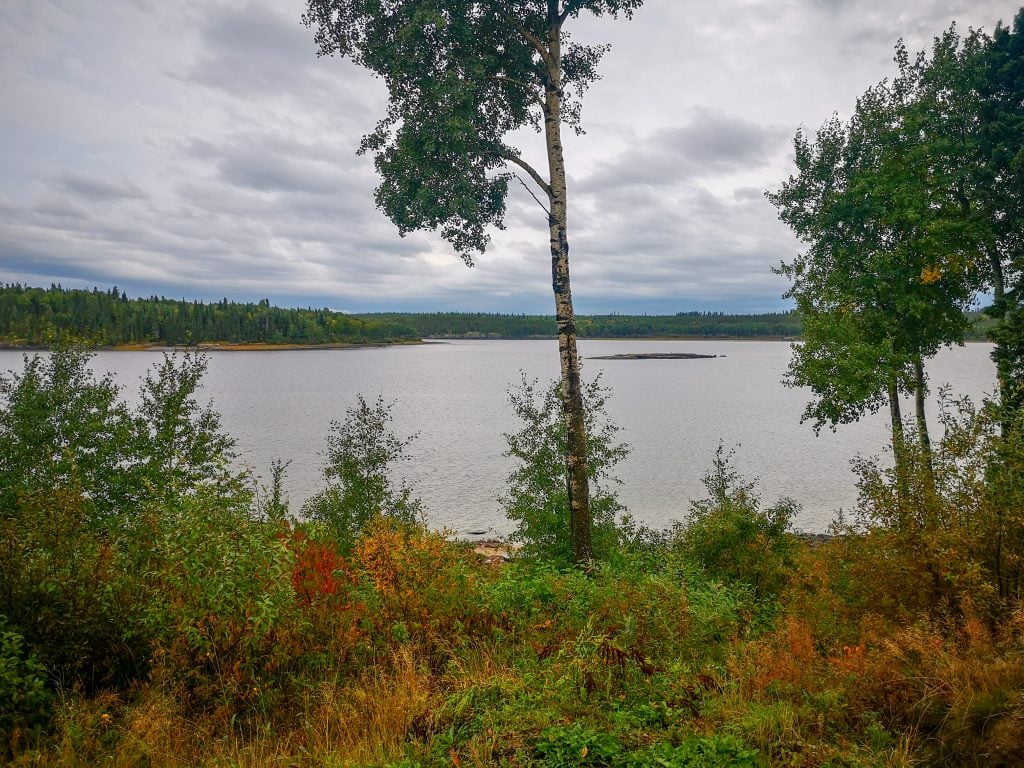
Here is a better view of the water behind my teacherage.


The view from a teacherage

The view from a teacherage in Poplar Hill First Nation

And another:


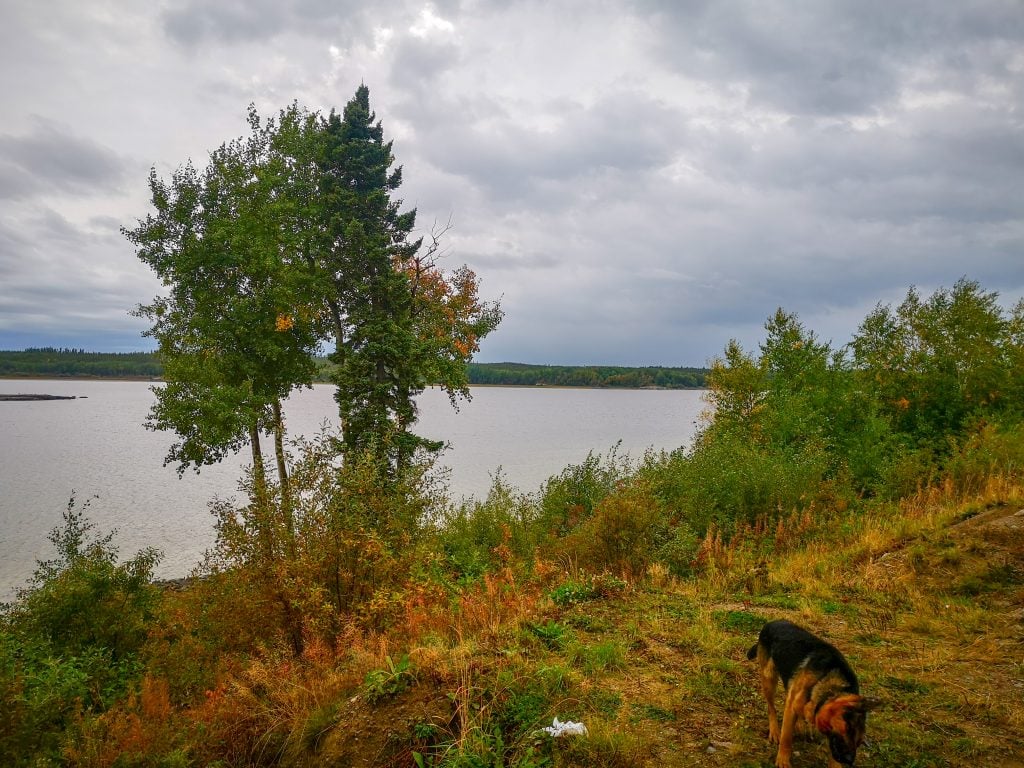
A local dog by the water in Poplar Hill First Nation

A local dog by the water in Poplar Hill First Nation

There are a number of stray dogs around, known locally as “rez dogs”. One in particular has become my pal. She walks me to school. Sometimes when I go into school and sit at my desk she stands on her hind legs and looks in the window.  This stray isn’t my pal, just decided to meander into the picture.

I’m told that later in the winter wolves may venture into the community and snatch a stray dog for food.

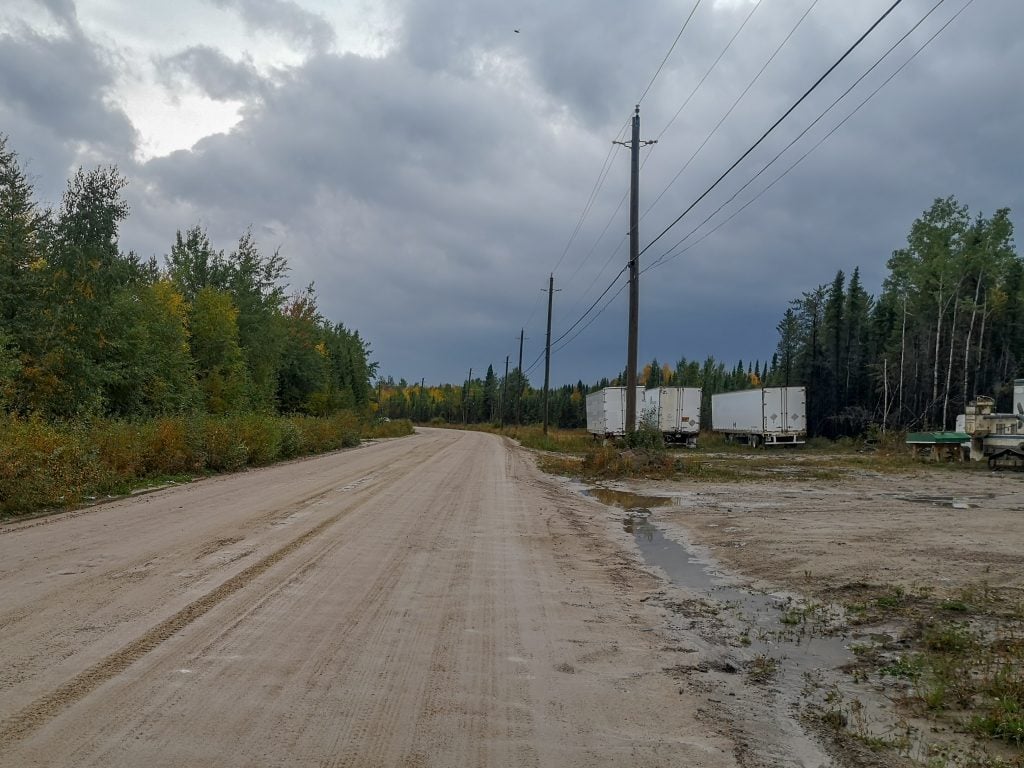
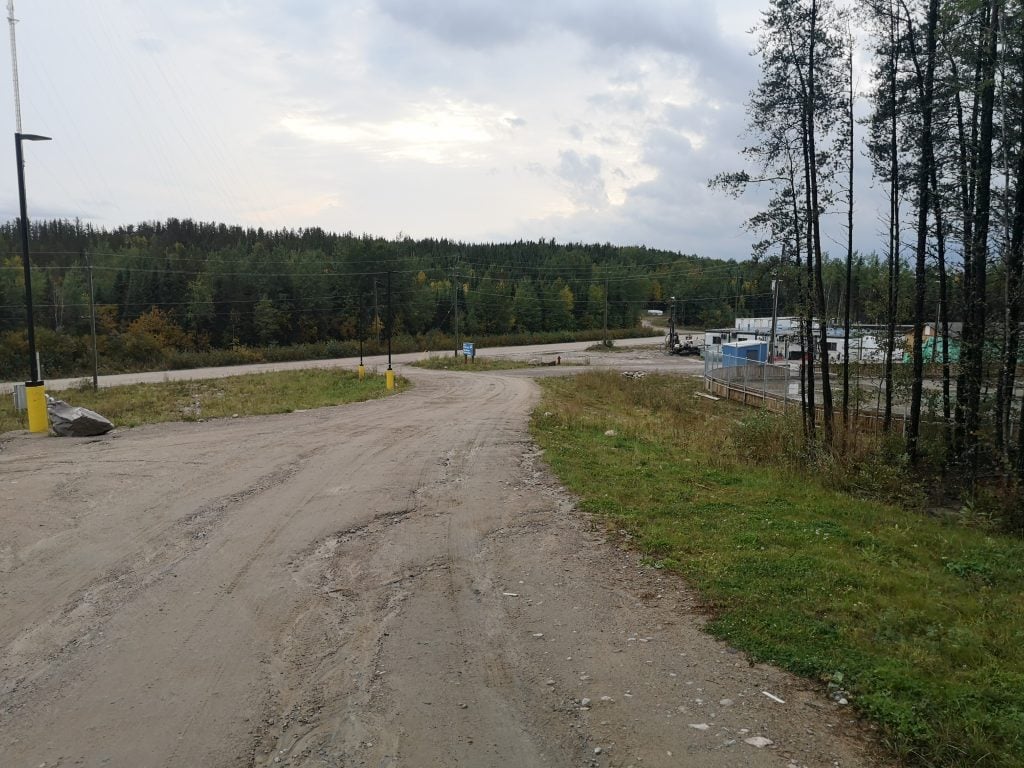
This is the road I walk to get to school. The roads here aren’t paved.


The road leading to Ahgwahbuush Memorial School

The road leading to Ahgwahbuush Memorial School

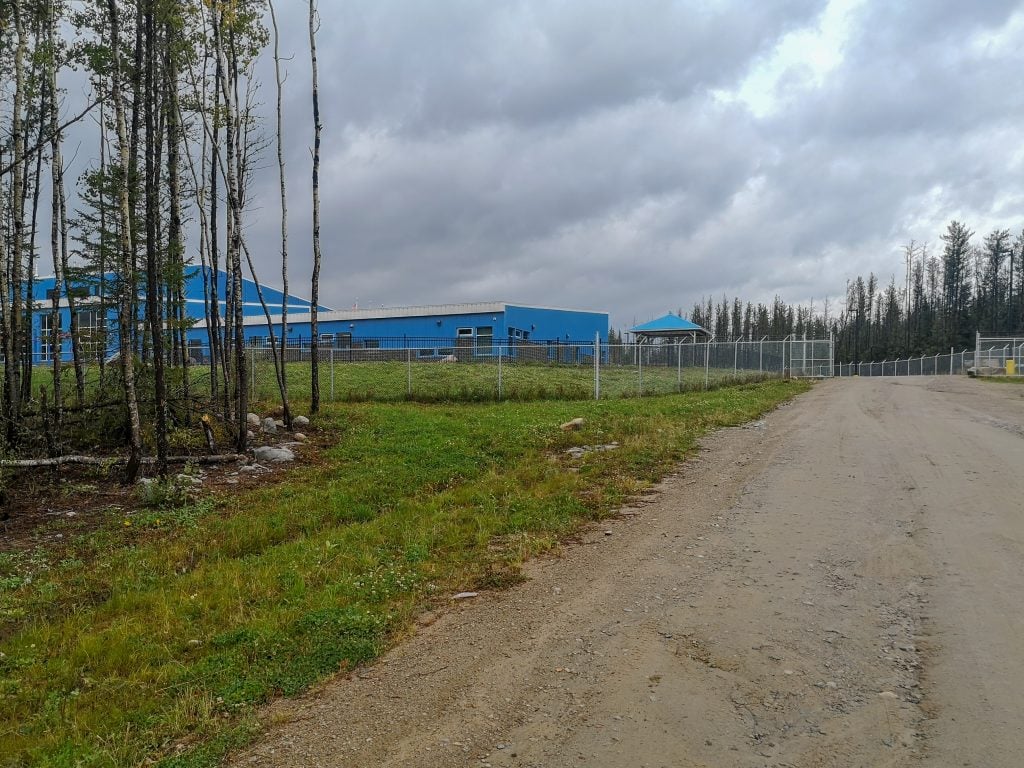
With apologies to the Beatles, here is the school on the hill:


Ahgwahbuush Memorial School

Ahgwahbuush Memorial School

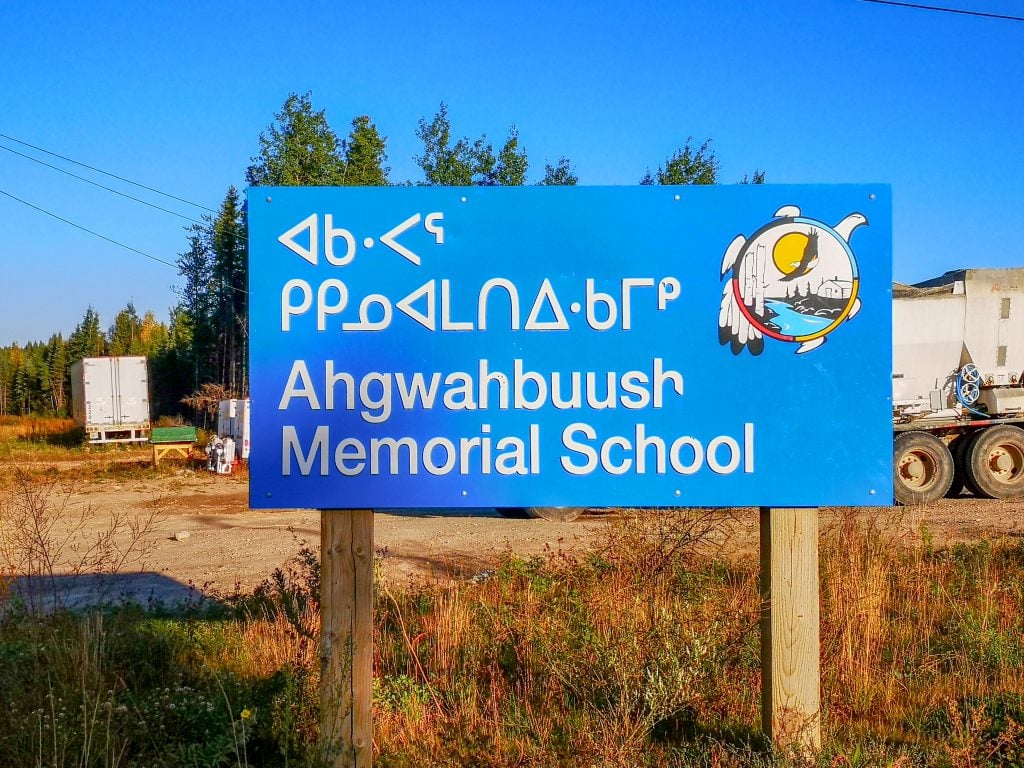
I’ve arrived at the school. That’s Ojibwe on the top half of the sign. Poplar Hill is one of the few First Nations in which the language has been preserved and where it is spoken by almost everyone.


A bilingual sign outside of Ahgwahbuush Memorial School

A bilingual sign outside of Ahgwahbuush Memorial School

The school itself is about two years old. The old school, which was located in a different area, has been torn down and an updated, larger nursing station is being built in its place.

This is the view from the top of the hill. The trailers are where the construction crew building the new nursing station are staying.  You can also see a hockey rink.


View from the school

View from the school

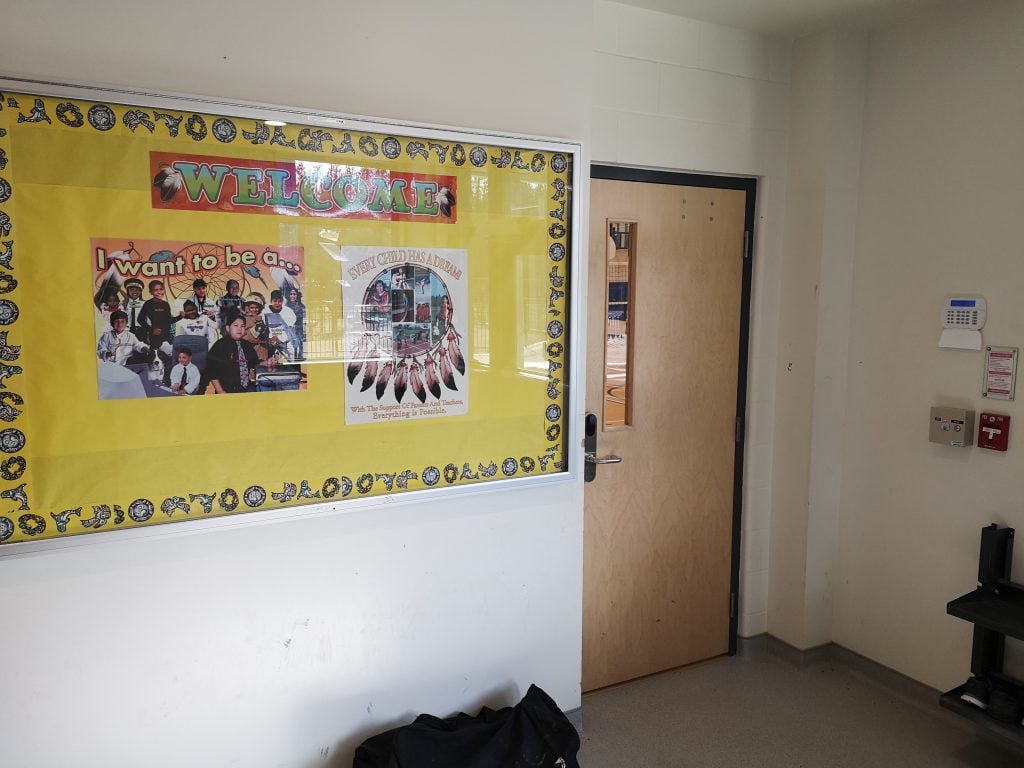
Huffing and puffing notwithstanding, I’m ready to go into the school. This bulletin board is in the entranceway where students leave their outdoor shoes. The door leads to the gym.


Students and staff take off their outside shoes and leave them at the entrance

Students and staff take off their outside shoes and leave them at the entrance before going into the school

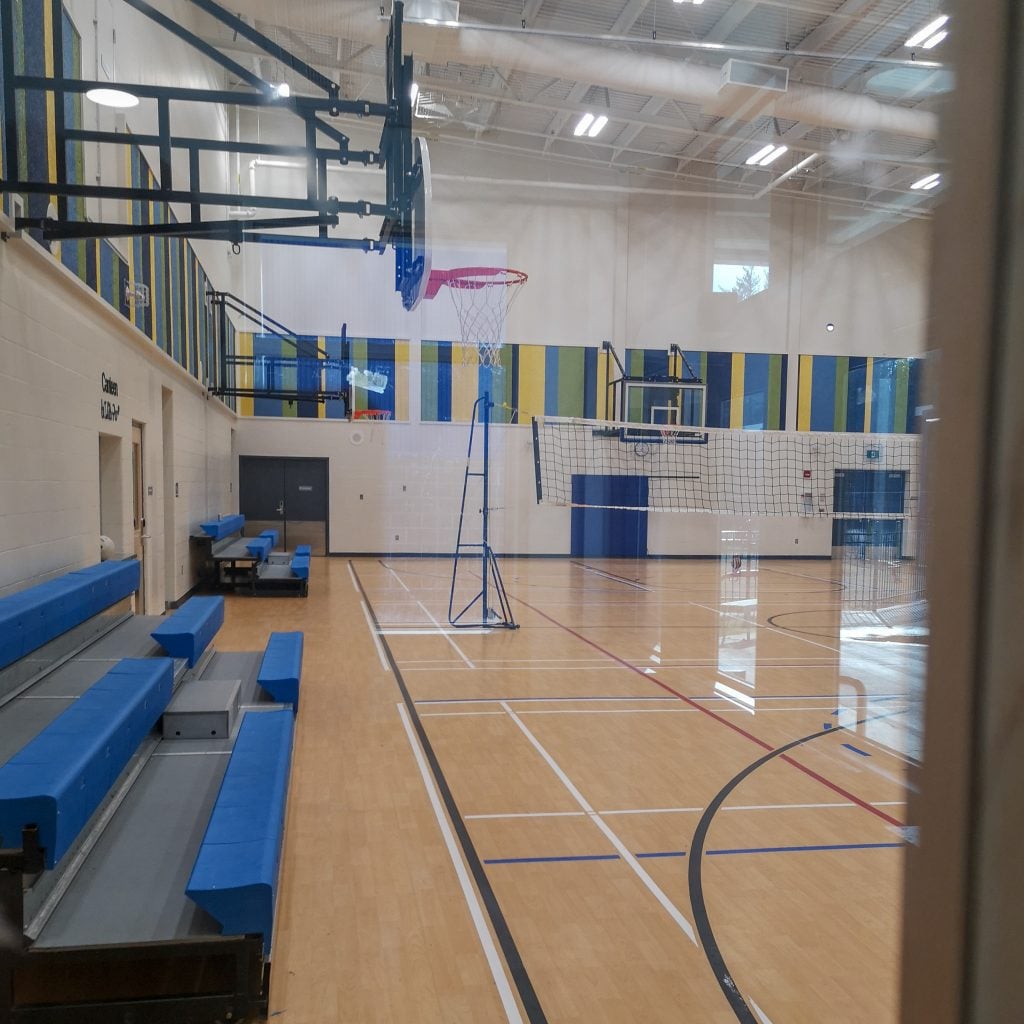
The gym is visible by looking through the window in the door.


School gym at Ahgwahbuush Memorial School

School gym at Ahgwahbuush Memorial School

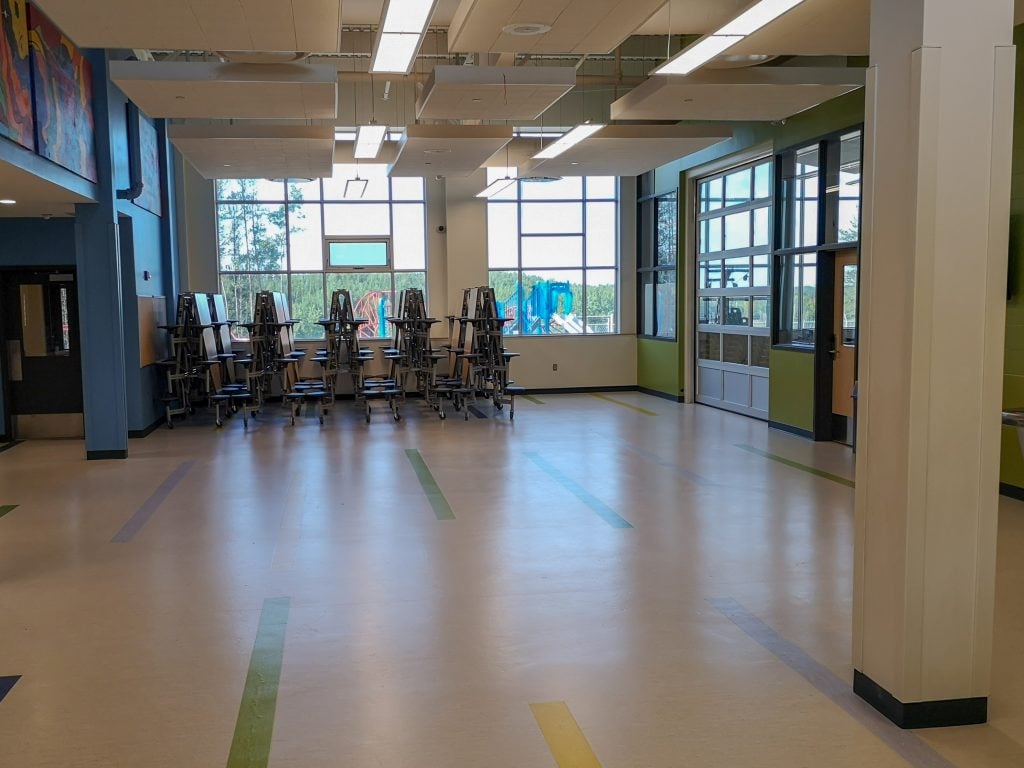
Entering the school you can see an open area. In the back are some folded-up tables. We use these tables for our breakfast program. Breakfast for all students is provided before school starts. There is a kitchen to the right, but you can’t see it here.


Ahgwahbuush Memorial School's foyer

Ahgwahbuush Memorial School’s foyer

The window on the left looks into the library. In the back is the playground for grades 2-8. To the right you can see windows and a large door. This is the multipurpose room.

The multipurpose room has fitness equipment for staff to use. It also serves, approximately once per month, as a courtroom.  There is no other suitable facility in the community to have court, so it happens here. School is closed on court days.

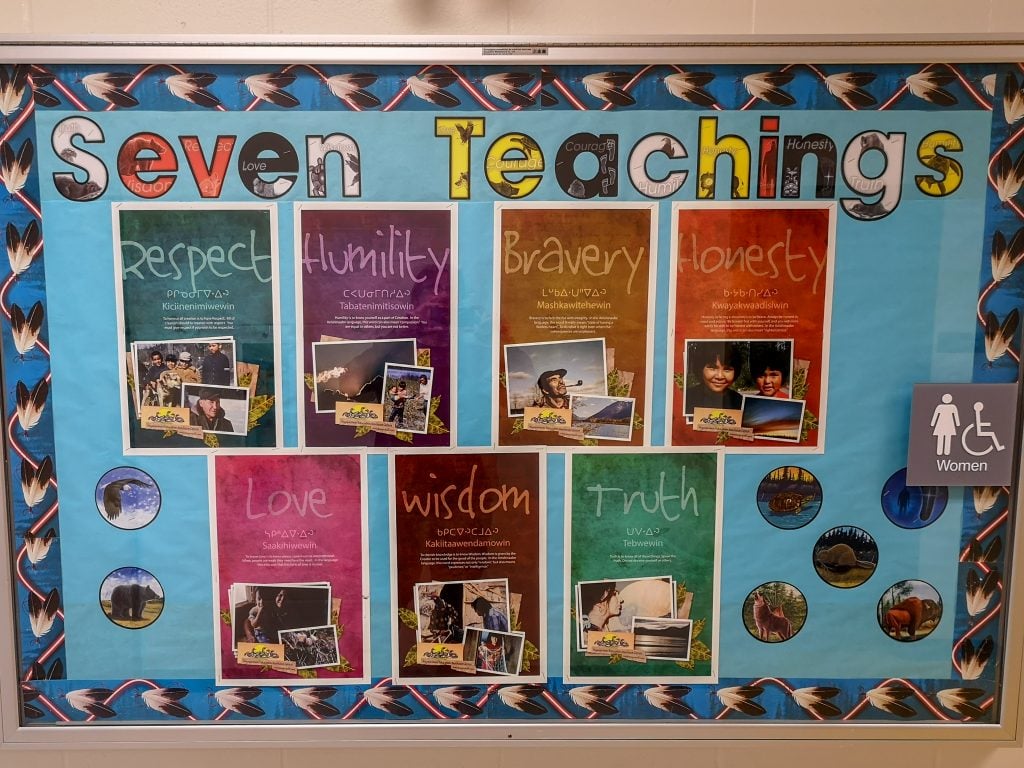
Slightly to the right (out of sight), down the hall, is a bulletin board honoring the Seven  Teachings: Humility, Respect, Honesty, Bravery, Love, Wisdom and Truth.


Seven Teachings

Seven Teachings

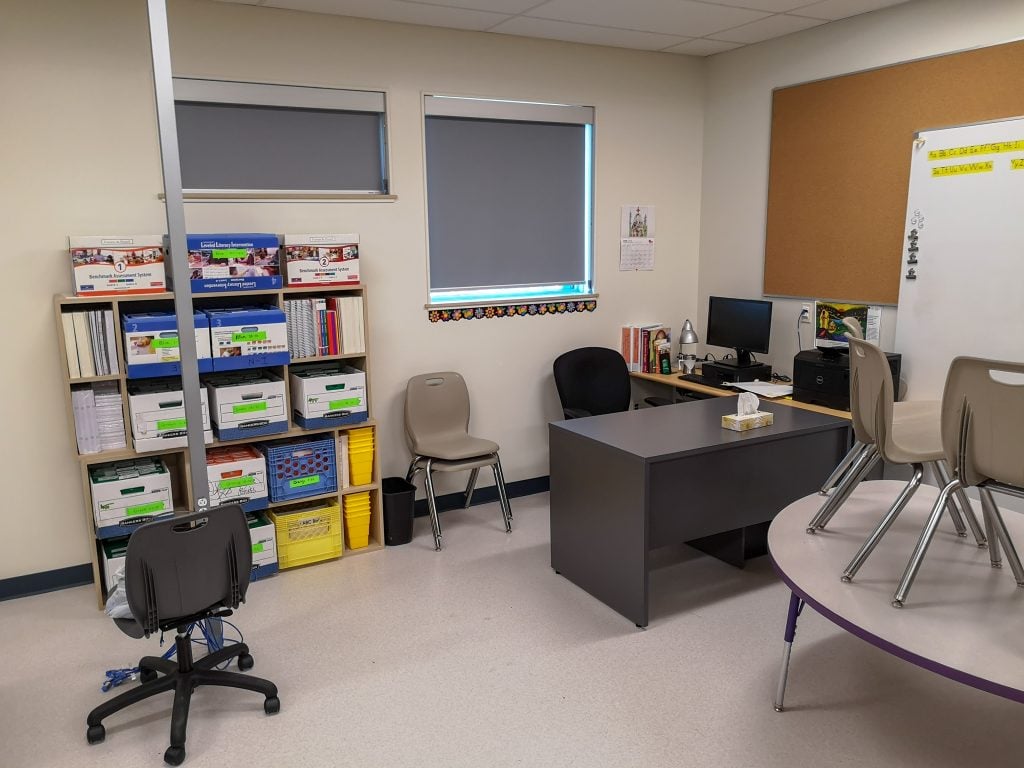
When I first started, I was hired as the Reading Intervention teacher, until I was asked to take on the role of school principal. This is the Reading Intervention classroom:


Reading intervention classroom

Reading intervention classroom

There is special funding for the Reading Intervention teacher. This is an excellent program. Unfortunately I may not be able to find a replacement. Although in southern Ontario many teachers would find this to be a dream job, it is difficult to find teachers to work up here so the position may remain unfilled for some time.

Now, a busy school day awaits me!


adfafda

Building Relationships in the North

Posted by Meredith Stapon

 Jenn Elwell started teaching grade 6 in Sandy Lake First Nation in September 2018. Over the two previous school years, she was the Junior Special Education teacher in Sandy Lake. Jenn completed her Bachelor of Education at Brock University. She is originally from Toronto, Ontario.


Jenn Elwell bonds with her students during this cultural activity

Jenn Elwell bonds with her students during a cultural activity at school


When I first landed in Sandy Lake First Nation, I was in an equal state of excitement and fear. Landing in a clearing among the trees and entering a box of an airport filled with unfamiliar faces was the first culture shock that I experienced. I quickly recovered thanks to the warm welcome from my school principal whom I had met a month before during Teach For Canada’s Summer Enrichment Program. It also helped that I travelled with other Teach For Canada teachers from my cohort, whom I had gotten to know during our preparation. Although everything was unfamiliar, it was comforting to travel with familiar faces and be greeted by one too.


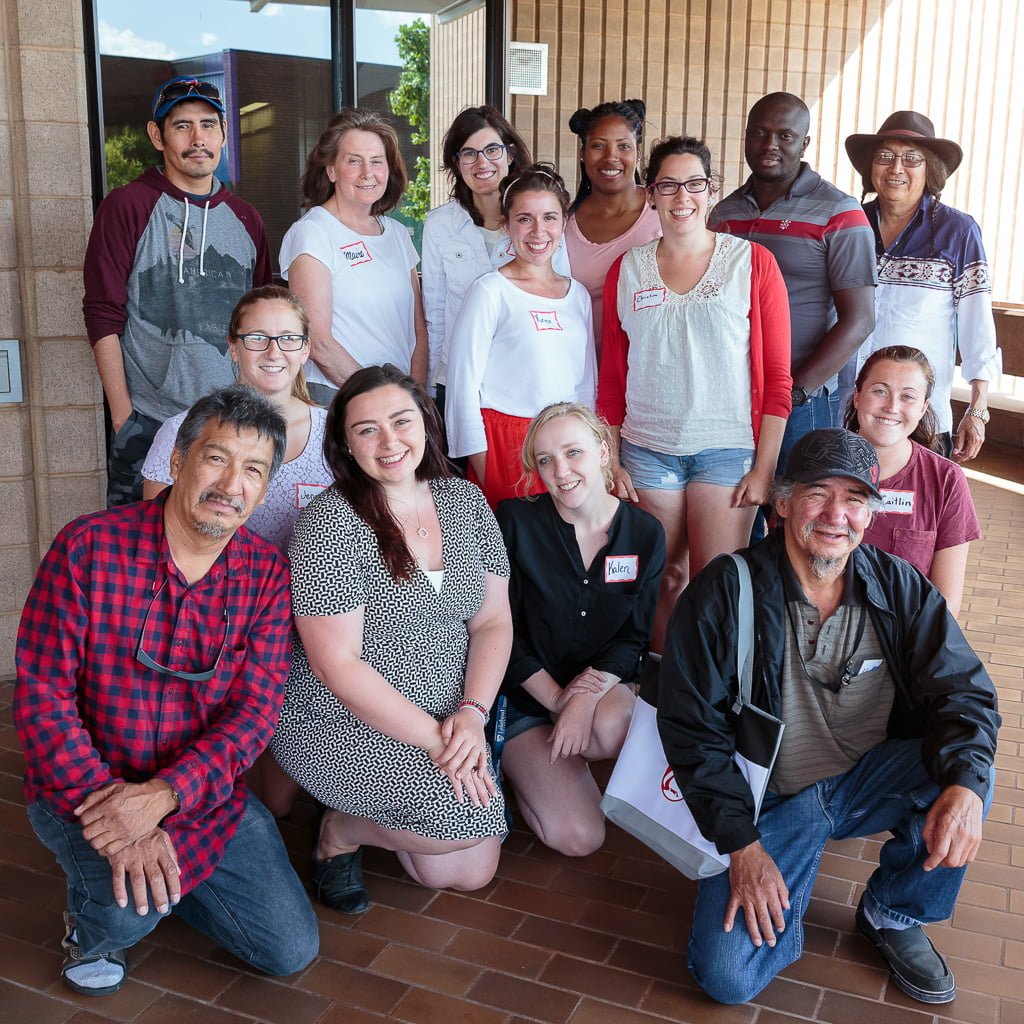
Sandy Lake teachers and community members, SEP 2016

Teach For Canada teachers heading to Sandy Lake First Nation meet representatives from the community (and each other) at the Summer Enrichment Program in 2016


The opportunity to build new professional relationships

As a new teacher, fresh out of teacher’s college, I had job opportunities in southern school boards as a certified French teacher. I also considered a teaching career in Canada’s northern territories well before I thought of teaching in Northern Ontario. But one day I happened to notice a flyer with two red geese in my university’s library: a Teach For Canada flyer. When looking into what Teach For Canada had to offer, I chose to start my teaching career with the organisation for three reasons:

1) I could meet other teachers during the Summer Enrichment Program, who would be in a similar situation as me, so I wouldn’t feel alone when I moved North.


Teach For Canada teachers, including Jenn, at the Summer Enrichment Program in 2016

Teach For Canada teachers, including Jenn, at the Summer Enrichment Program in 2016


2) I saw the Summer Enrichment Program as a preparation course that would help me be a better teacher when working with First Nations students.

3) I would have access to a network of friends, colleagues and mentors through the not-for-profit itself.

For all of those reasons I turned down a position with a school board in the Toronto area, did not pursue my dream of going to the Arctic, and instead packed my bags for a place I previously didn’t know existed in Ontario – a remote community a good way north of Thunder Bay.


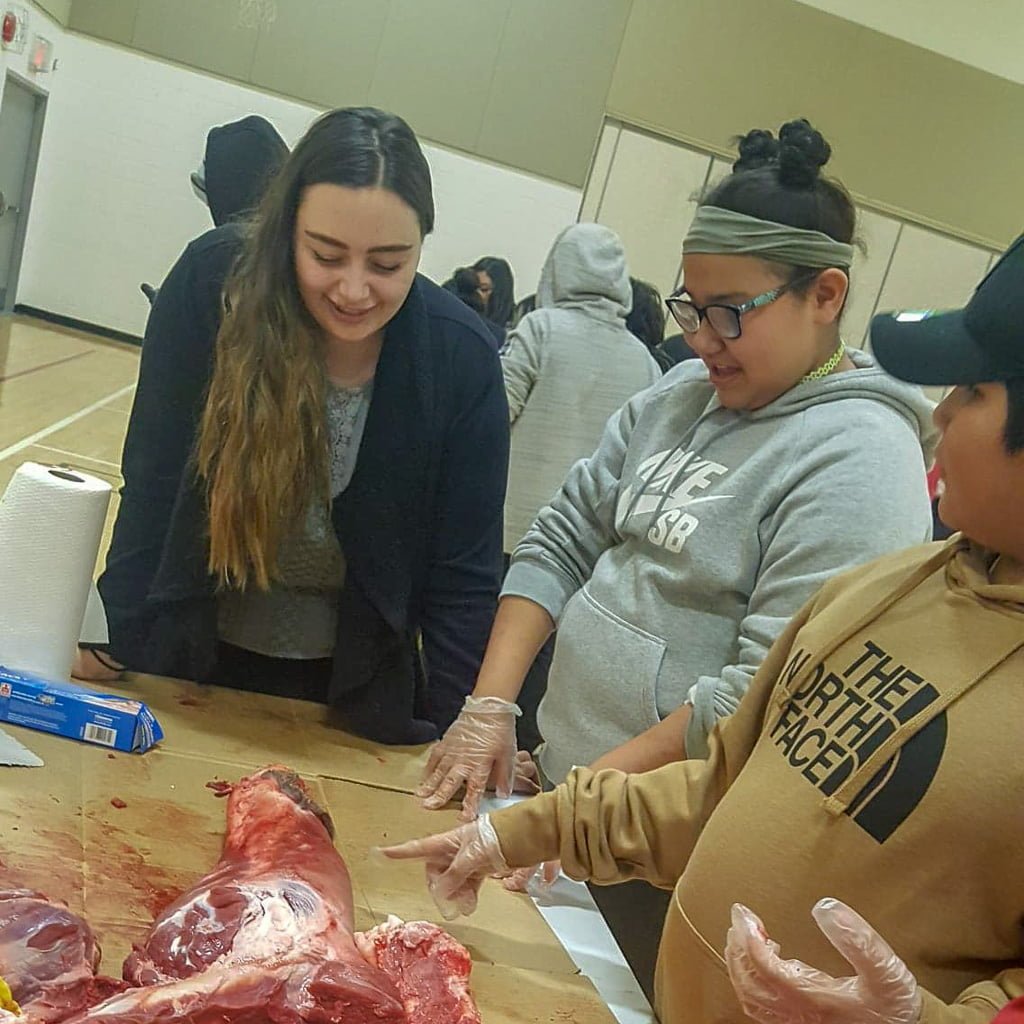
Jenn and her students learn how to cut moose meat with Elders

Jenn and her students learn how to cut moose meat with Elders


A focus on relationships with students

Now in my third-year teaching in the same community, I find myself going back to those weeks I spent at the Summer Enrichment Program trying to recall everything I learned. My first few years teaching I was always so nervous about the content component of teaching. What should I be teaching? How are my lesson plans? Am I hitting the curriculum? Are my assessments accurate? But the main thing I remember learning at the Summer Enrichment Program was to focus on building relationships with students and finding ways to include their culture and ways of knowing in my teaching.


Jenn Elwell working with her grade 6 students in Sandy Lake First Nation

Jenn working with her grade 6 students


Most teachers have heard the expression: “The lessons we teach our students aren’t found on a page” or at least some version of the idea. But have you ever thought of the meaning of that expression? I can’t tell you exactly what I taught last month without looking at my day book. But I can tell you when one of my students made me laugh, or when another student told me a sad story about what happened to him over the summer that almost made me cry. Building relationships goes both ways and my fondest memories teaching in the North for the last two years can’t be found in my lesson plans but instead in the memories of interacting with my students and with community members.


Jenn and her students have fun as they learn to cut moose

Jenn and her students have fun as they learn to cut moose


Relationships as part of culture

Building relationships is not only central to Indigenous cultures but also to teaching culture. Of course, you can build relationships with students in any area code but there is something to be said about the North when it comes to the student-teacher rapport.  During my teaching practicums in the Niagara Region it felt like when I left the school, I left the students at work. But here, because you are on their land it feels like you’re really a part of their world: you know their families, where they live, which dog they own, whose house they play at on the weekends, and many more details about their personal lives than you might ever know anywhere else. Working in a First Nations community has two key parts: First Nations and community, and you really get to experience both equally. These places aren’t just called communities because they are composed of people living in the same place but rather because of how they feel.

Building relationships in the North is different because your connections with your students extend beyond the classroom.

And although this wasn’t a factor that got me to apply to Teach For Canada, it was definitely a factor that got me to stay longer than my initial two-year commitment.

adfafda

Changing Hopes, Fears, and Fantasies

Posted by Meredith Stapon

Jason Singh is going to be the principal at Michikan Lake School, Bearskin Lake First Nation, starting in September 2018. Jason completed a Bachelor of Science and a Bachelor of Education at York University, and is currently working on a Master of Education at the Ontario Institute for Studies in Education (OISE). Jason has experience as a Science teacher and principal. He is originally from Toronto.


Teach For Canada's Jason Singh

Jason Singh is going to be the school principal in Bearskin Lake First Nation


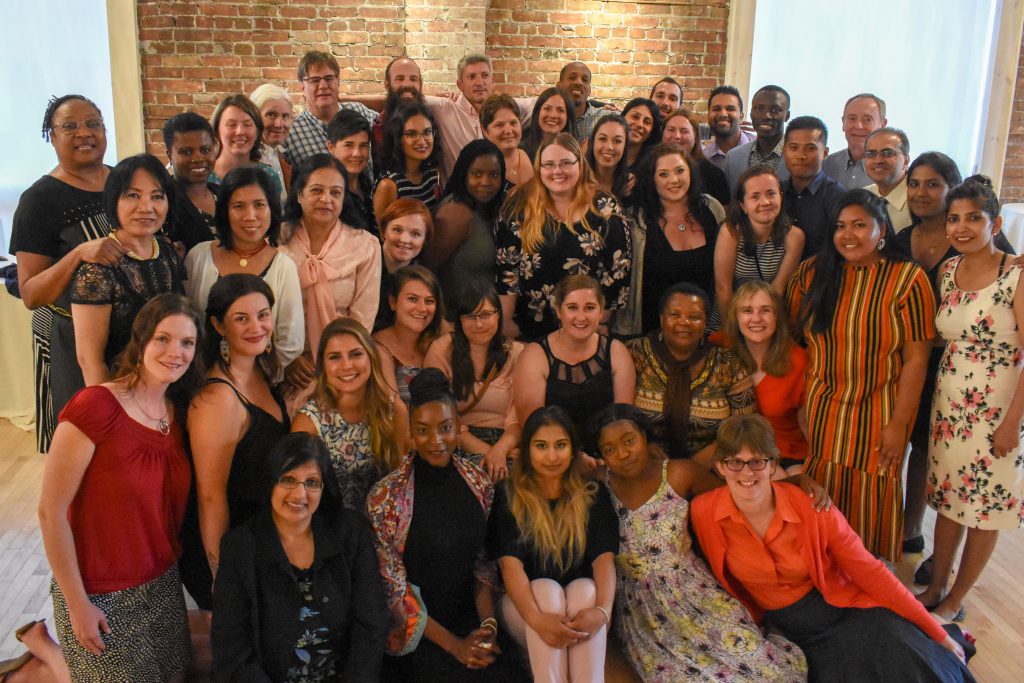
This summer, 47 educators from around the world came together to begin their journey into Northern Ontario, and I am privileged to be one of them. It started with the Summer Enrichment Program, throughout which we were challenged physically, mentally, emotionally, and spiritually. We all began the three-week preparation program with hopes, fears, and fantasies, and, as presenter Randy Weekes predicted in his session on cultural adjustment, these developed over the weeks that followed.


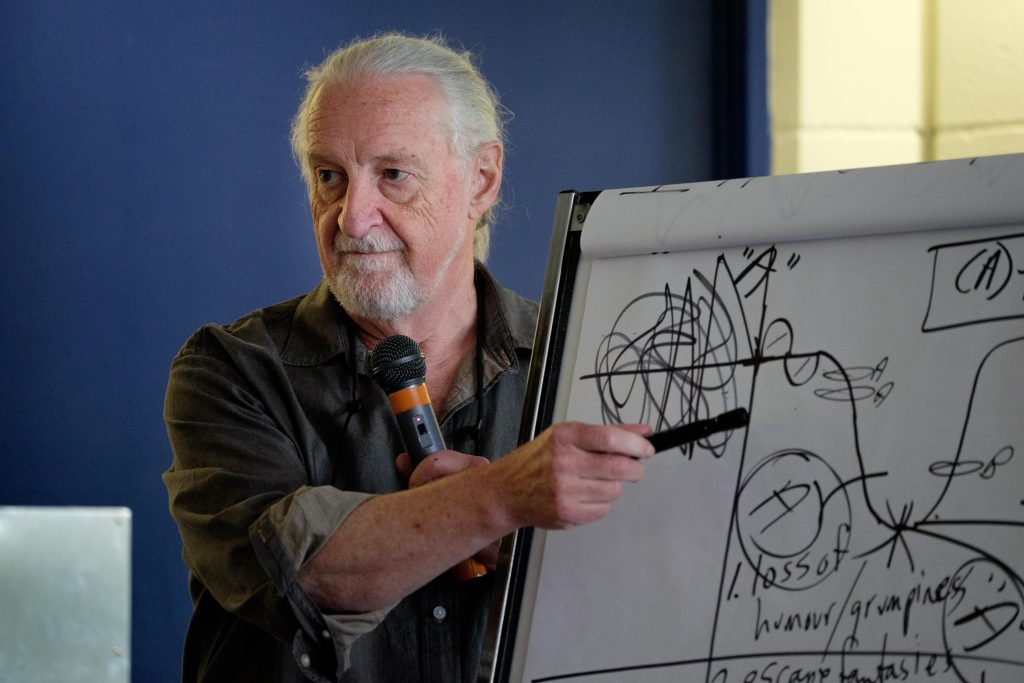
Randy Weekes pointing at a flip chart

Randy Weekes helps teachers prepare for cultural adjustment in the North


Entering the Summer Enrichment Program, I hoped that I would create positive change by helping educated students; feared that I wouldn’t be accepted by the community; and fantasized that reconciliation would move forward with our participation.


Challenging my Understanding of Canada


Throughout my Kindergarten to grade 12 education in Ontario, and even during my undergraduate degree, the “us versus them” narrative has been used to exoticize Indigenous communities in Canada. My understanding of First Nation, Metis, and Inuit (FNMI) communities was first challenged when I began my graduate studies at OISE, leading me to pursue a career in the North. The Summer Enrichment Program did not let me down in bringing this narrative to the forefront and challenging everything I thought I knew about Indigenous cultures in Canada.


Maria Montejo presenting to a group of Teach For Canada teachers

Maria Montejo presents “Exploring Perceptions and Worldviews”


As a high school science teacher, presenter Maria Montejo’s analysis of Western sciences objectives to “control, dominate, and measure nature” really made me step back and question my own feelings and beliefs. A quick analysis of the grade 11-12 Ontario Science Curriculum document sees the words control and measure written 56 and 54 times, respectively. I didn’t really expect to see dominate in there (but was open to the possibility). Indeed, the Western world is one of assessment, and everything needs to be categorized to perpetuate the illusion of control. Conversely, Indigenous science understands that everything is connected, and our perception of the world is created by life experience, not by knowledge. As we prepare to transition into the North, First Nations educator and presenter Dan Thomas implored the cohort: “Don’t teach the curriculum, teach our children. Teach them how to think, not what to think.”


A New Understanding of Reconciliation


Western culture has sought to suppress this, as Maria Montejo recognized that curiosity in children is often suppressed, and curiosity is a prerequisite to intelligence. This suppression ran deep with the residential school system and continues with the significant overrepresentation of Indigenous children in the Canadian foster care system.

This was an epiphany for me, as I realized that I am not part of something that has happened in the past and that is being “fixed”. I am part of something that is ongoing. We are not at the reconciliation step of this journey – we are still building trust, and “change moves at the speed of trust,” as Fetal Alcohol Spectrum Disorder expert and presenter Allan Montford, explained to us.


Teach For Canada's Jason Singh speaking with other teachers

Jason Singh comes to a new understanding of reconciliation


As the only principal at the Summer Enrichment Program, I viewed a lot of the wisdom shared from a different perspective than my peers, but was humbled by the common learning we all experienced. From the start of the program, I was wondering how I could possibly create positive change in the community. How would I be able to use my knowledge and skill set to help kids learn and help the school grow?


Teach For Canada’s Chancillor Crane (left) helps Jason Singh understand his role as a principal


Then I met Teach For Canada staff member Chancillor Crane. If I could choose one word to describe Chancillor, it would be visionary. He was able to share ideas with me that put me in a better place and reminded me that I will not change anyone – people have to change themselves. His most influential teaching was that of a flowing river representing the direction community takes. As a principal, I will never stop that river from flowing. I may be able to divert it, like a pebble in the water, but it will keep on flowing. Instead of trying to stop it, he encouraged me to flow with it. This I will always remember.


Going North Ready and Supported


As we move into the final weeks before flying out to the First Nations where we will be living and working, I am comforted knowing that it is okay that I do not have all the answers. I have 46 amazing people, the Teach For Canada staff, and all my family and friends to reach out to, and I hope they know they can reach out to me as well.


Teach For Canada teachers on a hike

Jason Singh and Teach For Canada teachers on a hike during the Summer Enrichment Program


Thinking back on Randy Weekes’s words, I now hope that I will contribute positively to students’ education in Bearskin Lake First Nation. I no longer question whether or not I will be accepted. I am headed to a warm and welcoming community and am ready to learn. I still fantasize that reconciliation will move forward, but I know this will be through the building of trust. If I had to sum up my learning in a single phrase, it would be: have no expectations; have only an open mind and an open heart.

adfafda

Relationships and Reconciliation

Posted by Meredith Stapon

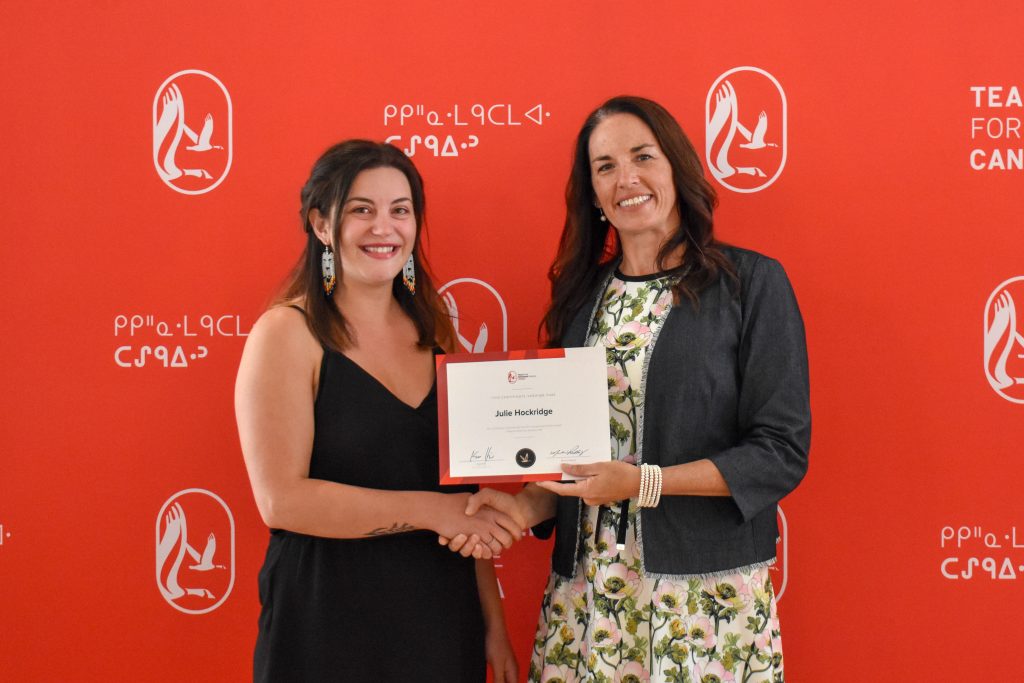
Julie Hockridge will be teaching Kindergarten in Lac Seul First Nation starting in September 2018. Julie completed her Bachelor of Education at Queen’s University. She is originally from Apsley, ON.


Teach For Canada teacher Julie Hockridge

Julie Hockridge with Director of Teacher Development Liz Halina


Relationships have been the foundation of my learning throughout the Summer Enrichment Program: connections with my fellow teachers, the Teach For Canada staff, as well as with the land and community. We’ve been together for only a few short weeks but the relationships we’ve formed here have deep roots, and I’m sure they will have far reaching branches. These relationships have allowed me to grow intellectually and spiritually. This is the kind of growth I want for my students. This program has shown us that we must invest in building connections with our students and their communities in order to allow them to flourish. As returning Teach For Canada teacher Nicole Pereira reminded us this week, “We are teaching children, not subjects”.


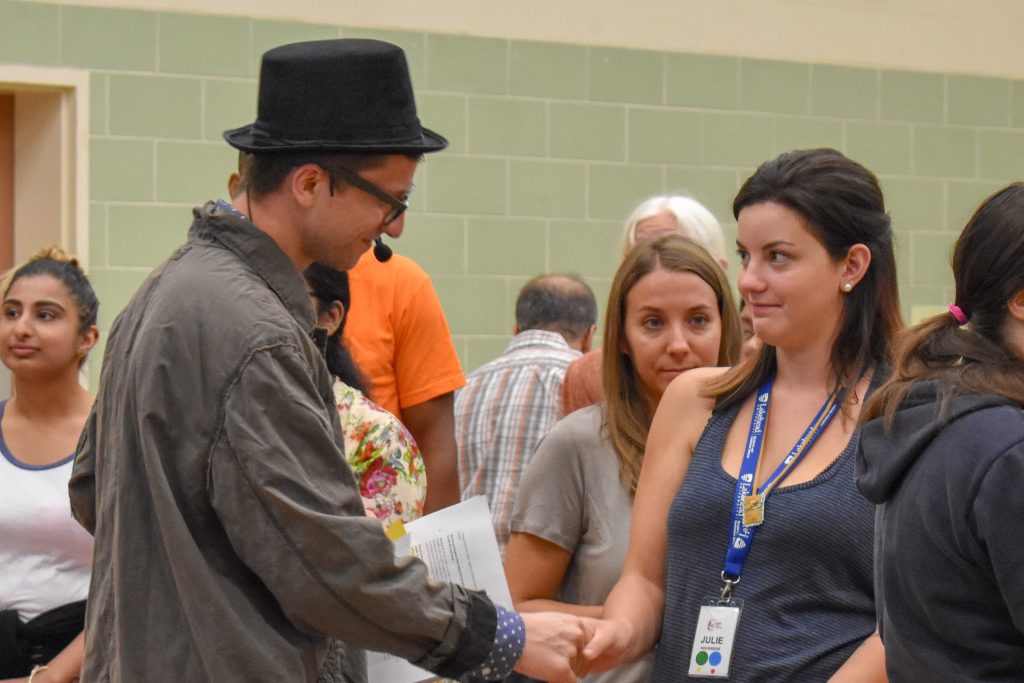
Teacher shaking hands with someone dressed up as a European

Julie Hockridge participates in the KAIROS Blanket Exercise, an experiential exercise on Canadian history from an Indigenous perspective


Breaking with the Past

For so hundreds of years, relationships between settlers and Indigenous peoples have been characterized by paternalism and oppression. Teachers have historically acted as agents of colonization. Many Canadians don’t realize that schools are often places of fear and trauma for Indigenous peoples. Teach For Canada refuses to be complicit in this cycle. Although we were not the teachers who perpetrated the cruelty and trauma of residential schools, we have inherited the consequences. As teachers it is now our job to reconcile the wrongs of the past and recognize that these injustices are still occurring. We all strive to make schools safe places for our students. I hope to work towards this in the North through my relationships with my students. In order for our kids to love learning, we must first love our kids.


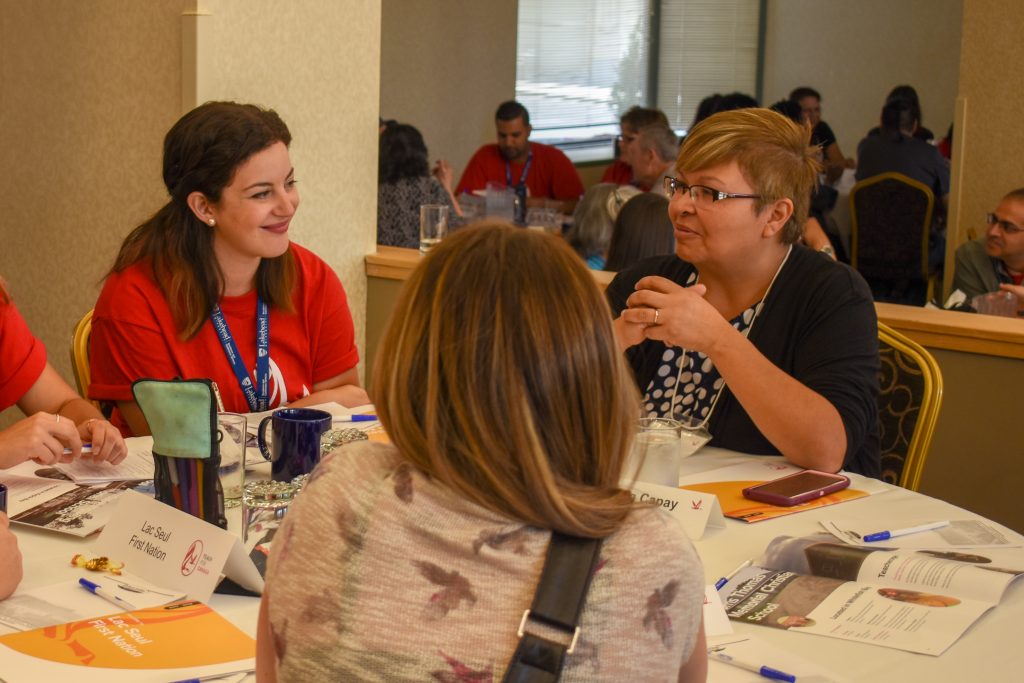
Three people talking and sitting at a table

Julie Hockridge meets representatives from Lac Seul First Nation during the Summer Enrichment Program


Community Connections

Reconciliation requires that we build healthy relationships with the communities we are serving. I have realized throughout the Summer Enrichment Program that my job is not to change the world or fix what’s broken. I just have to love my kids and follow the community’s direction. Good intentions are not enough. We must also have good actions.


Teach For Canada's 2018 cohort at the closing ceremony of the Summer Enrichment Program

Teach For Canada’s 2018 cohort at the closing ceremony of the Summer Enrichment Program


A New Network of Support

The relationships I have formed at the Summer Enrichment Program will support my ability to form relationships within my new community. I am excited to grow even more than I already have. I will go to Lac Seul First Nation with an open heart and mind, and I know that I will learn even more than I teach.


adfafda

An Enlightening Trip

Posted by Meredith Stapon

Jim Priebe is going to be teaching in Poplar Hill First Nation starting in September 2018. Previously, Jim taught for six years with the York Region District School Board. He completed a Bachelor of Education at the Ontario Institute for Studies in Education at the University of Toronto and a Bachelor of Arts, Hons. Economics, at Queen’s University. Jim is originally from Newmarket, ON.


Teach For Canada teacher Jim Priebe

Teach For Canada teacher Jim Priebe


“After your camping trip you’ll really appreciate your Lakehead University beds.”

This was the rumor going around. Camping is part of the second week of Teach For Canada’s three week Summer Enrichment Program. During this week focused on community connection, we visited a First Nation to learn more about the local culture. The week is preceded by programming on First Nations history and succeeded by adapting curriculum to the needs of First Nations students.


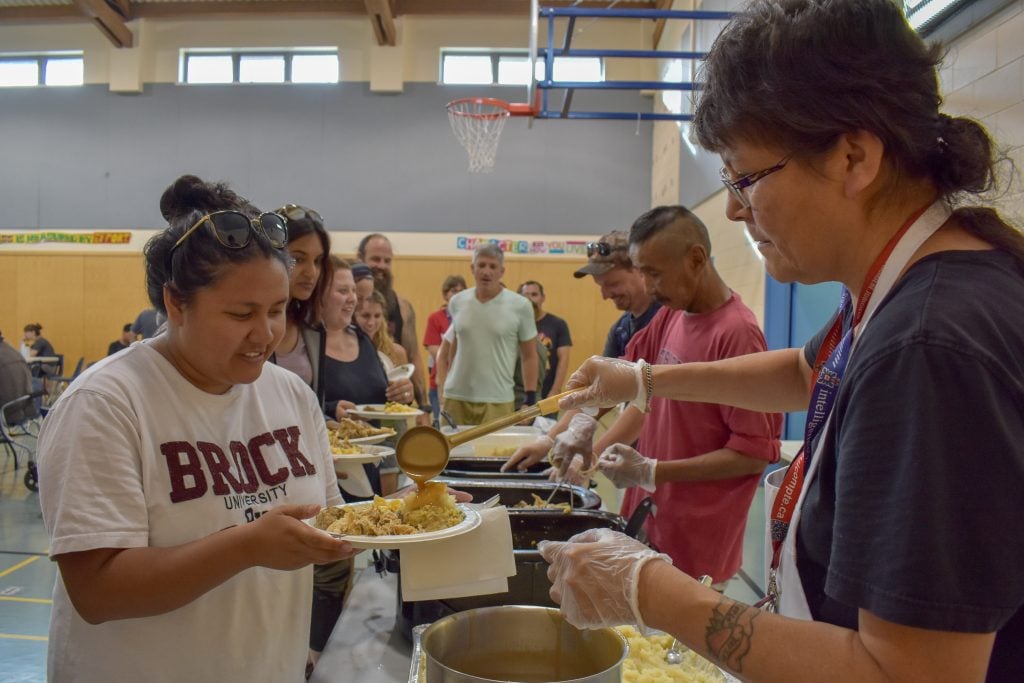
Teacher being served food

Teachers enjoyed delicious meals prepared by Gloria Tuesday and Derek Turcotte


Camping had been a big part of my life since an early age, so I wasn’t worried about sleeping in a tent for a few nights. I have to say we were spoiled! We were well fed. We didn’t have to worry about preparing meals, building cooking fires or cleaning dirty pots. Even the tents were set-up for us when we arrived. Honestly, I was concerned about the Teach For Canada’s staff well-being because they were working so hard to meet our needs.

As I entered the community-focused week I was grappling with my own concerns. Following what we had learned in the first week, as well as my own reading, online courses on Indigenous history, and other learning, I was worried that teaching the Ontario Curriculum in a remote First Nation would contribute to the suffering.

I was worried that I would be simply a “benevolent colonizer”.

Like many Canadians, I was extraordinarily ignorant about Canada’s history and relationship with First Nations. For example, I didn’t know that First Nations were called “Indians” because Christopher Columbus thought he was in India when he first encountered them. But he wasn’t in India, and, knowing that, the title makes no sense.


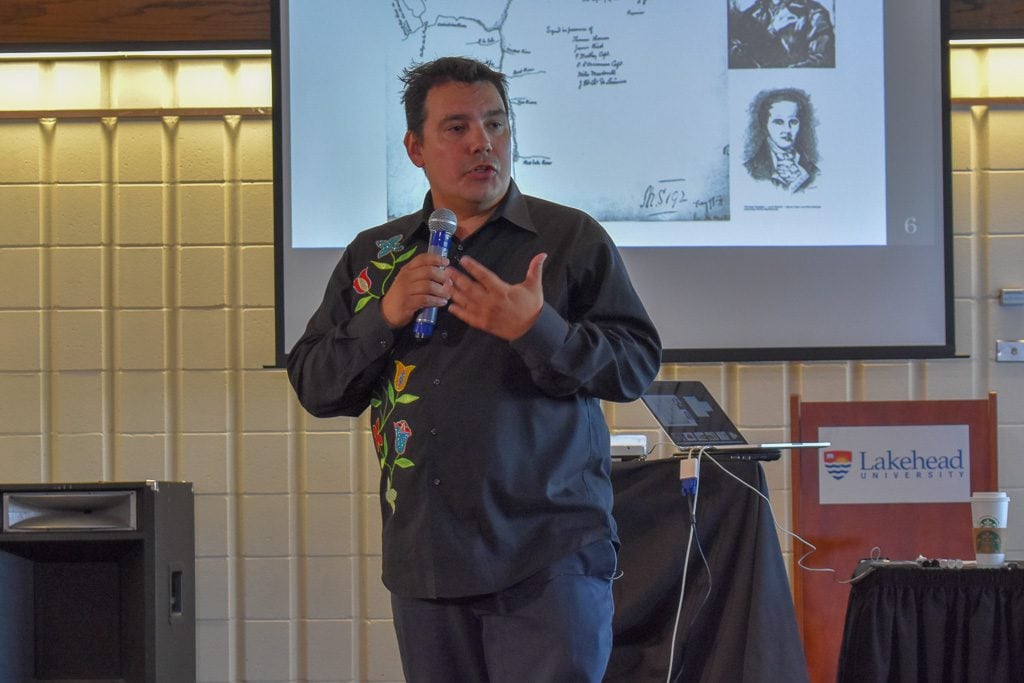
Chancillor Crane speaking

Teach For Canada staff Chancillor Crane tells teachers about some of the realities that First Nations parents face in raising their children in the North


The misunderstandings go on from there, as does the tragedy. Like many Canadians, I had no idea that the Canadian government specifically tried to destroy Indigenous cultures, through law and, frankly, cruelty. This is worth repeating: cruelty was government policy. Let’s not deceive ourselves: “is” is more accurate than “was” as current policy still doesn’t deal with the consequences of our past actions and attitudes.

“What am I doing?” I thought, “Surely teaching the Ontario Curriculum in a First Nation will only further assimilation.” I couldn’t see how justice or First Nations students were being served.

Yet over the last week I learned more and more about the First Nations worldviews, spiritual practices, and the kind of learning not easily put into words that comes from meeting people in their own community, on their terms. In this setting I could see their strengths.


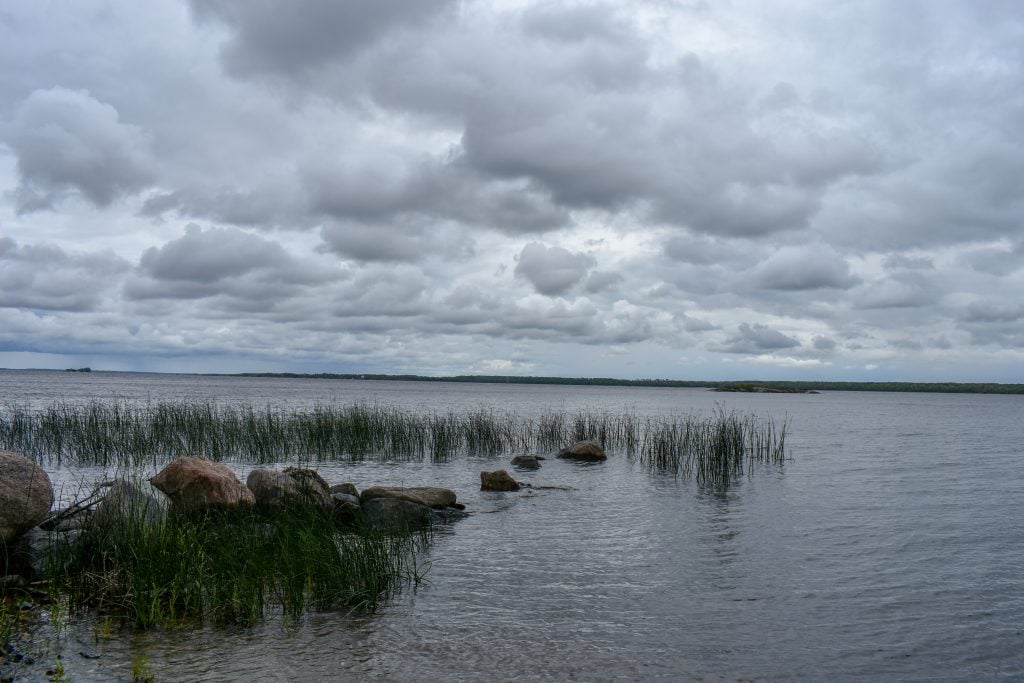
Teachers stayed in Assabaska Ojibway Heritage Park, which belongs to the people of Big Grassy River First Nation

First Nations have many teachings, values, and traditions. I was profoundly struck by one: respect. Their respect for each other, for the land that sustains them, for creatures great and small.

As our week progressed I was stunned to learn that there are generations of First Nations people who do not know their own history or culture. It has been stolen from them. First Nations children know little of the residential school system, the Canadian apartheid created by the Indian Act, or the 10,000-year history of that preceded colonization.


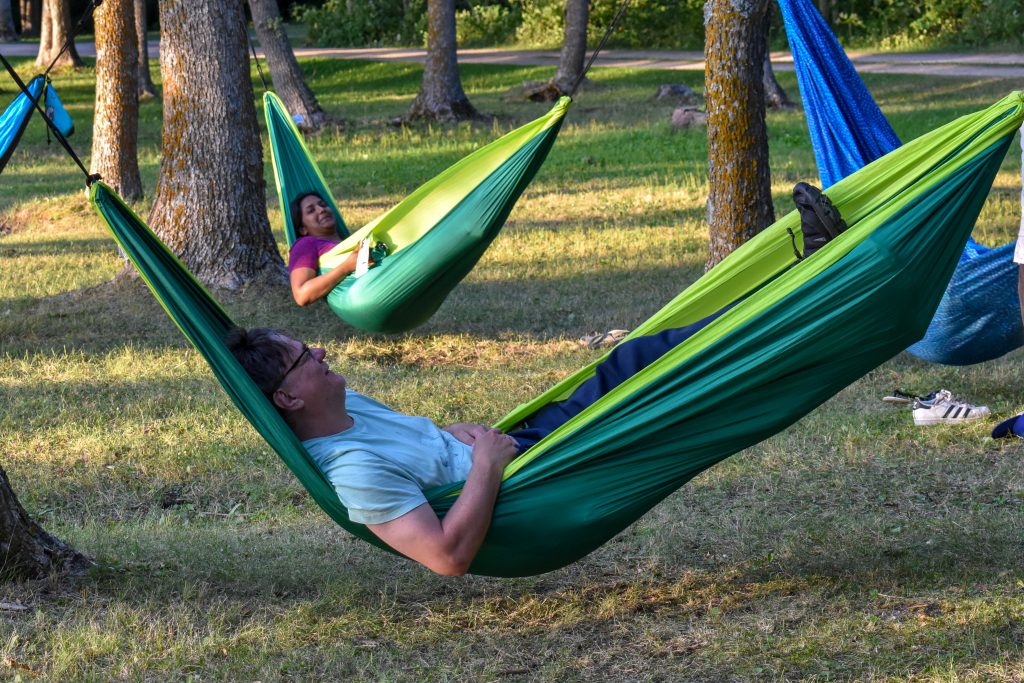
Jim Priebe in a hammock

Jim Priebe was enlightened about his role as a teacher in the North during his trip to Big Grassy River


I was glad to be back in my Lakehead University bed, where I certainly slept better (I’m not the camper I used to be. And as Bob Hope would say, “Then again, I never was.”)

Not only did I sleep better, I realized that I had found an answer to my own questions.

By teaching in a First Nation I feel privileged to have the opportunity to inspire First Nations children to learn about their own history, in a setting of profound respect.

From that, hopefully, justice and healing will emerge.


adfafda

Naanan Bagijiganan/Five Gifts

Posted by Meredith Stapon

Janna Garrett is going to be teaching grade 8 in Kitchenuhmaykoosib Inninuwug starting in September 2018. She completed a concurrent Bachelor of Education and Honours Bachelor of Arts in English Studies at Nipissing University. She is originally from Penetanguishene, ON.


Teach For Canada's Janna Garrett

Janna Garrett is going to teach in Kitchenuhmaykoosib Inninuwug


Aanin, boozhoo, wacheyah!

I would like to open my first post in a good way, so let me introduce myself. My name is Janna Garrett and I am a proud Métis woman preparing to teach grade 8 in Kitchenuhmaykoosib Inninuwug this September. One of the ways Teach For Canada is supporting my transition to the North is through its Summer Enrichment Program. The 2018 cohort of teachers has been through a whirlwind first week of circles, workshops, and discussions, but there was one presentation in particular that got me thinking more about my role as a new teacher in a First Nation.


Dr. Niigaan Sinclair

Dr. Niigaan Sinclair in a session on Contemporary First Nations Challenges


My peers and I were honoured by a visit from Dr. Niigaan Sinclair, who shared five gifts rooted in Anishinaabe principles to carry with us on our journeys. One gift shared with us is the idea that teaching is “an endeavour of gift-giving.” In the same way an offering of asemaa (tobacco) lays the foundation for a shared relationship, the relationship between a teacher, their students, and their community is built by the giving and receiving of various gifts.


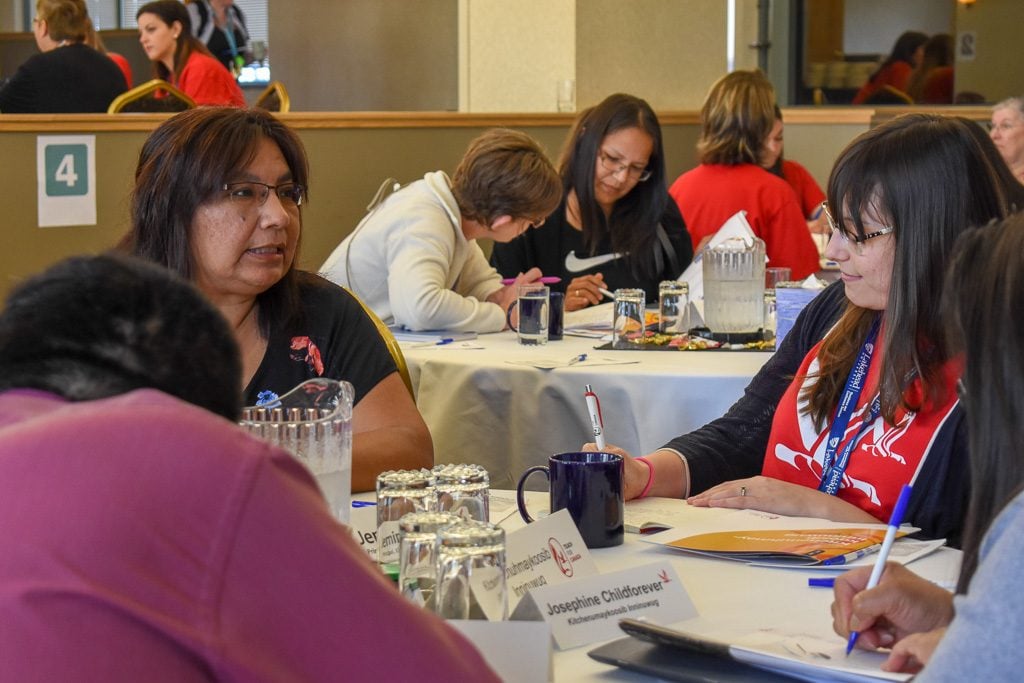
Teach For Canada's Janna Garrett and Jemima Cutfeet

Janna meets Jemima Cutfeet, Kitchenuhmaykoosib Inninuwug’s principal, at the Summer Enrichment Program


After learning more about historical trauma and contemporary First Nations issues, I now realize how great a gift it is to be invited into a community. It is a gift charged with caution stemming from past broken promises and relationships, but it is also a gift charged with the hope that this new relationship will be different. Due to the complicated history Indigenous Nations have with the schooling system, I do not expect that my presence will be embraced overnight. Rather, my relationships with community members will require the ongoing gifts of commitment and connection. I plan on taking Niigaan’s advice to “walk with care and walk with humility” as I enter into my new role. And maybe, given time, there will be greater gifts to be shared in our connected future.

Miigwetch.

adfafda

Teacher Feature: Alisha Hill

Posted by Meredith Stapon

Alisha Hill is the principal at Waninitawingaang Memorial School, Kejick Bay, Lac Seul First Nation. Alisha first went to Lac Seul First Nation as a Teach For Canada teacher teaching Kindergarten in September 2015. Alisha has also taught in Japan, Ottawa, and Quebec. She has a Bachelor of Arts from Dalhousie University and a Bachelor of Education from Trent University. Alisha is originally from Dartmouth, Nova Scotia.


It a busy time of year for Alisha Hill. As principal of Waninitawingaang Memorial School, one of three schools in Lac Seul First Nation, she is busy reviewing and editing report cards for all the students in her school. It’s her final sprint as the school year draws to an end, her first as a principal.


Teach For Canada's Alisha Hill with her students

Alisha Hill was a Kindergarten teacher in Kejick Bay for two years


Being a principal was never part of Alisha’s ambitions. She loved being a Kindergarten teacher, particularly in the North. It was a position she described as the best job she’d ever had. But when the opportunity to be principal presented itself she decided to take the leap: “Knowing the community, the kids, having a really positive relationship with my Education Director, I thought, this is the perfect opportunity to try something out of my comfort zone.”


Teach For Canada's Alisha Hill and 2 students

Alisha has made a smooth transition from being a Kindergarten teacher to being principal


Bringing Experience from the Classroom to the Principal’s Office


Key to Alisha quickly finding her feet as principal was the knowledge and experience she had gained in the school during the two previous years. It also allowed her to be the type of school leader that she wanted to be, one that leads the school in a direction aligned with the community’s values, as well as to support her staff to do the same. “I learned who has the traditional knowledge and how to help teachers get that into the classrooms. Doing that for two years made it possible. Sometimes it isn’t that easy to just ask ‘Who knows how to drum?’ There might just be two people. And finding one who is available can be difficult.” Alisha explains.


Alisha and students

Alisha got to know students and community members during her two years as a Kindergarten teacher in Kejick Bay


Having an experienced leader who knows the community was a tremendous resource and source of encouragement for Junior Kindergarten teacher Andrea Girt, who started teaching in Kejick Bay in September 2017. “Alisha has so many wonderful ideas for our school (e.g. collecting and processing birch syrup, going out onto the land for camping, fishing, hunting, encouraging Elders and traditional knowledge holders being present in our school, etc.) and she cultivates a warm and loving school culture. I love teaching in Kejick Bay and I don’t think I would have survived without Alisha.”


Bringing a Growth Mindset to the Whole School


After two years of teaching, Alisha has a fine-tuned approach to teaching that allows her to connect with parents and students. As principal, Alisha brought the growth mindset that had worked in her class to the entire school. Mathematics, literacy, and other academic subjects are definitely a priority, but so is working with students to help them develop as people. “We need to be working collaboratively with students to make them better citizens, better humans. We need to make sure we deal with behaviour in the same way as reading, that we have the same patience for students learning about behaviour as we do when we teach them how to read.”


Alisha Hill playing cards with a student

Alisha applies a growth mindset to all aspects of students’ learning and development


Senior Kindergarten and grade one teacher Ashley Vandenberg really appreciates Alisha’s approach: “She has a vision and a plan that is inclusive and based on what is best for the students. She does a wonderful job of bringing out the best in every single person in the school.”


Lifelong Learning


That growth mindset is also turned inwards, as Alisha approaches being a principal with the same humility that she demonstrated as a teacher. She believes in her own continuing education, so she reaches out to other principals for advice, works with a professional coach, and has taken Additional Qualifications. Most of all, she has asked for feedback from her staff, doing an all-encompassing feedback review. “I had those difficult but extremely valuable conversations. It helped me see, ‘I am doing these things really well but this is where I need to get better’,” she shares.


Alisha handing out water to students

Alisha continually strove to improve as a teacher and now does the same as a principal


Following her example, her staff also strive to do their best and continually improve. Special Education teacher Nicole Pereira believes that she has also grown as a teacher under Alisha’s style of leadership: “I know Alisha is always going to be in my corner, and she’s going to challenge me when I need it. She makes time for me everyday, and she asks great questions that help me move forward in my teaching practice.”


Higher Highs and Lower Lows


As her first year as principal wraps up, Alisha reflects on the difference between her previous role and her current one. “The stress is different. It’s bigger, because you have more kids and more teachers. There are 18 staff members that are my responsibility and 81 kids.” Being responsible for more students means learning about more challenges that some of them are facing.  She worries about taking care of the mental and physical well-being of everyone who comes into the school every day.


Teach For Canada's Nicole Pereira, ALisha Hill, Ashley Vandenberg, and Andrea Girt

Teach For Canada’s Nicole Pereira, Alisha Hill, Ashley Vandenberg, and Andrea Girt all work at Waninitawingaang Memorial School


But she also gets to share in more successes, not just those of one class but those of the whole school. There are more students to be proud of, to cheer on, to celebrate. Alisha concludes that the good definitely outweighs the bad. “I thought Kindergarten teacher was the best job in the world, but maybe principal is actually the best job in the world,” she laughs. She looks forward to doing it all over again. First, she’ll enjoy her well-deserved summer vacation.

adfafda

Changed for the Better

Posted by Meredith Stapon

Erica O’Reilly has taught grade 6 in Sandy Lake First Nation for the last two years. Originally from Ottawa, Erica completed a Bachelor of Arts at York University and a Bachelor of Education at Queen’s University.


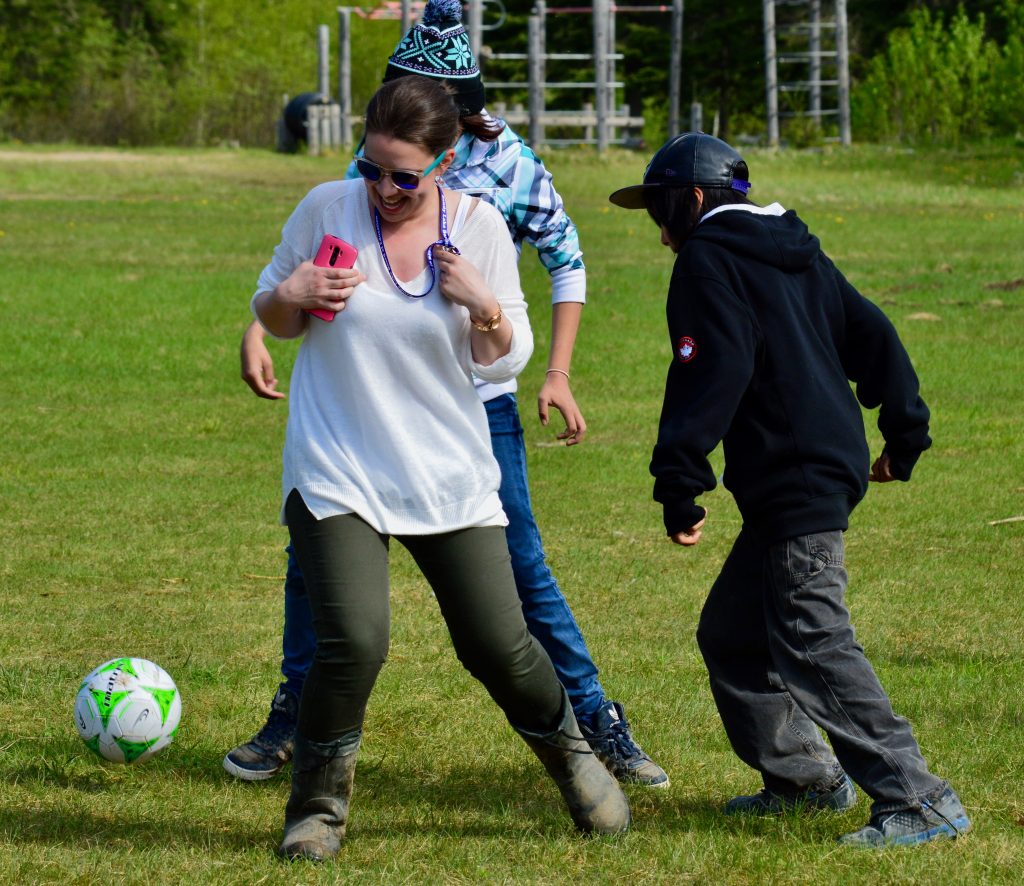
Teacher For Canada's Erica O'Reilly plays soccer with her students

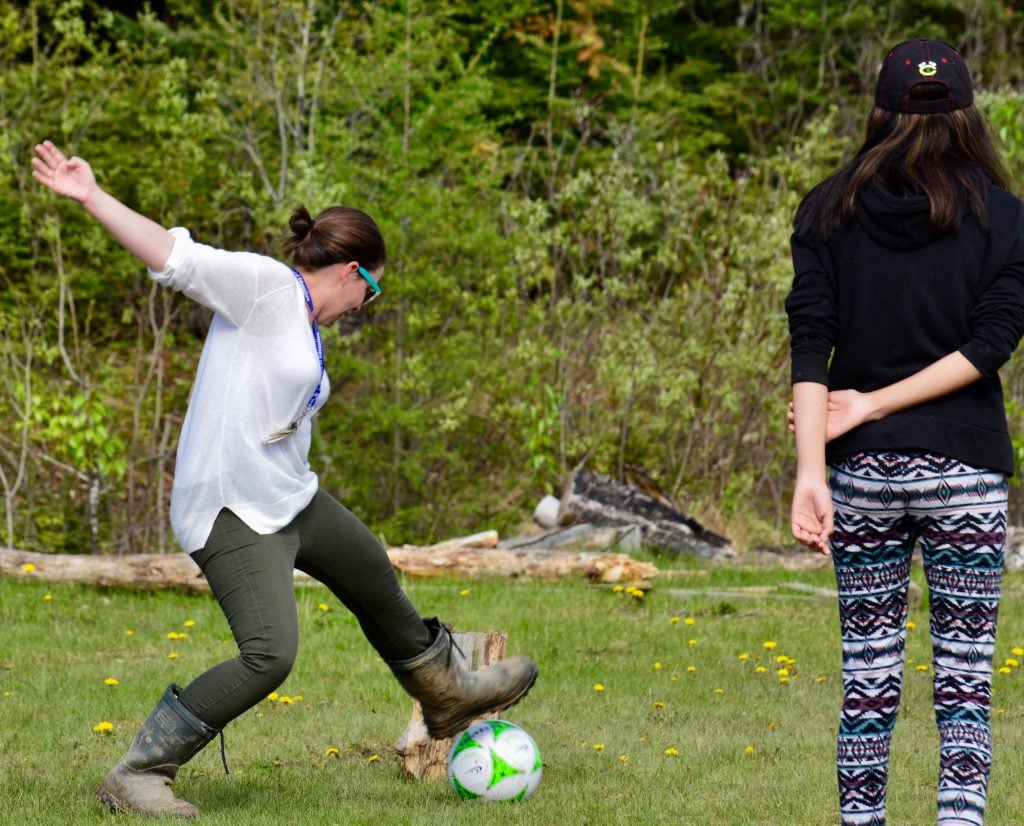
Erica O’Reilly plays soccer with her students


I’ve always thought that life could be even more magical, fun, and enjoyable if it played out like a Broadway musical. For me, musicals have always had a way of poetically connecting emotions of the human experience to the musicality of our hearts. So, I wasn’t surprised that one spring evening a few weeks ago, perched on my favourite spot on the couch, peering out at the twinkling stars dancing in the night sky over Sandy Lake, that my heart would recall the following lyrics from the musical WICKED:

I’ve heard it said
That people come into our lives for a reason
Bringing something we must learn
And we are led
To those who help us most to grow
If we let them
And we help them in return
Well, I don’t know if I believe that’s true
But I know I’m who I am today
Because I knew you…

“For Good”, Glinda, WICKED The Musical


Beautiful Sandy Lake First Nation

Beautiful Sandy Lake First Nation


With the end of my second and last year of teaching in Sandy Lake fast approaching, I struggled to find the words to express (and digest) the multitude of emotions I was experiencing. However, the lyrics from For Good, aligned me with the incredible feelings of love, gratitude, and appreciation that I have experienced over the past two years living, working, and playing in Sandy Lake First Nation. I must admit there were some tears shed but I just think of them as my heart’s musical introduction to what I hope to share with you here.

A few weeks later, and listening to that song on repeat, my brain has had time to catch up to my heart. My hope is to share with you the greatest lessons I have learned from some of the most beautiful children, from a stunningly beautiful part of Canada, with the words that capture the music of my heart.

I stand here; gazing up at the same sky with a new set of eyes.

Heart filled with an abundance of love and gratitude for the steps that have lead me through this path.

The sun glistens and gleams between the billowing bark.

The wind whistles, as the dancing leaves whisper secrets I have always known.

A Moment”, by Erica O’Reilly


The great outdoors is at your doorstep in Sandy Lake First Nation

The great outdoors is at your doorstep in Sandy Lake


One of the greatest gifts of living in Sandy Lake is being so close to nature. This call to live in Northern Ontario’s boreal forest has been incredibly healing. Coming from the cacophony of traffic, construction, and subway cars, living in Toronto for eight years, I felt the need to get away from the city and the desire to reconnect with nature; to quiet my mind and soothe my soul.

And while there is fascinating research in favour of how trees talk and have their own heart beat, the simple fact is that they are living organisms. My time here has shown me the incredible therapeutic powers of standing beneath these great beings.


Teach For Canada's Erica O'Reilly discovered the therapeutic power of trees

Erica O’Reilly discovered the therapeutic power of trees


Working as a teacher, there are some days that are easier than others. On those challenging days, as I walked home beneath the canopy of my coniferous and deciduous friends, I likened their presence to a good conversation with a bipedal (human) companion. If I took the time to appreciate standing amidst them and made the choice to let go of the stress, the fear, the noise of my mind and to instead simply inhale/exhale the fresh air, I could reconnect with the present moment. This is where the healing happens. When we choose to lean into love and faith knowing that who we are, where we are, in this moment is enough. Nature has an astonishing poetic way of reminding us of how we are both insignificant and intrinsically connected to this planet when we consider the expansiveness of the universe.

With this knowledge, I have a greater appreciation for the land that we live on and the beings that we share it with. I am grateful and appreciative for Mother Earth and how she provides, protects, and supports us all. In moving forward, I feel a greater stewardship to honouring, respecting, and preserving her for future generations. For we only have one planet, one life, and one opportunity to support our global home.


I dance among your branches.

And sing the song of your soul,

for I have uncovered the secret:

we are of the same soil.

“Of The Trees”, Erica O’Reilly


Erica and her students play soccer

Every morning, rain, snow or shine, Erica and her students play soccer


How does one even begin to try and describe the hope, vibrancy, hilarity, strength, and resiliency that my students have brought into my life over the past two years? While these words come close, they don’t quite capture the love and light I have experienced daily for the past two years.

My students, who I lovingly refer to as “my crew”, have taught me that it is a gift to be around them every day, because there is always joy, love and laughter to be shared – if you’re open to it.


Erica O'Reilly

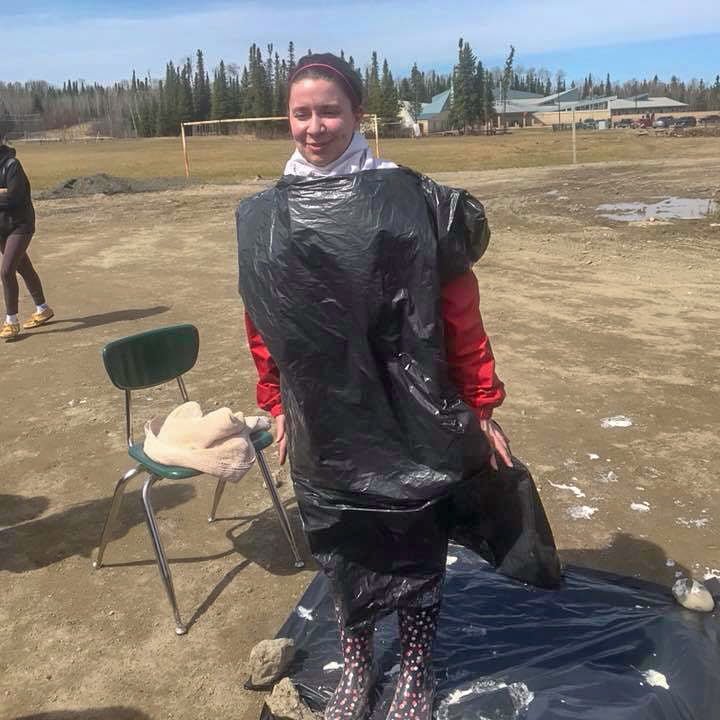
At a fundraiser organised by the Student Council, students could pay $5 to pie a teacher


When I think about the tear-filled, joyous belly laughs we have shared this year alone, from the not so “promising” effects of eating too many Halloween chocolate bars, to the correct pronunciation of summer windstorms in Arizona called haboobs (pronounced həˈbo͞ob; the mispronunciation of the first letter was quite hilarious to us), my students have taught me the incredible importance of play.

As teachers, let alone adults, it is so easy to get caught up in the daily grind of administration, curriculum expectations, and endless to-dos that we can easily forget the joy of play. My students have taught me more than how to be a good teacher. They have taught me how to be a playful child of life. They have taught me to truly enjoy, relish, and celebrate the small moments by letting go and saying: “Yes! Let’s play!” and “Woohoo! We’re making mistakes!”


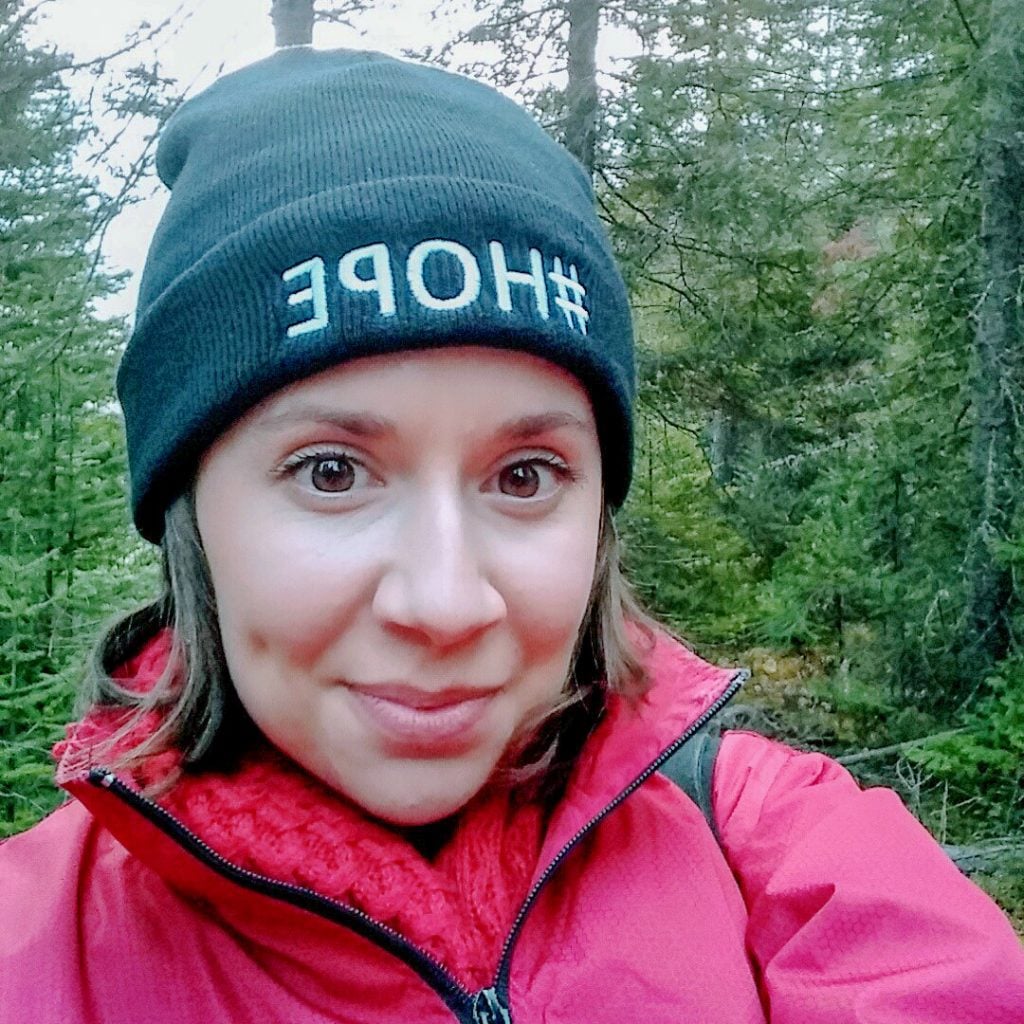
Erica got pied!

Erica got pied!


Whether it was during our morning run on a slippery or snow covered soccer field, enjoying the benefits of whip cream facials, stacking cups as a team, playing with baby chicks, reading with our Kindergarten reading buddies, making salt flour decorations, blowing Easter eggs, competing in Minute-to-Win-It Competitions with pen pals, dramatically singing “Alive/Awake/Alert”, racing outside, or simply enjoying each other’s company over breakfast, we have made space to find joy, laughter, and play in our classroom every day.


Soccer is part of Erica and her students' morning routine

Soccer is part of Erica and her students’ morning routine


In doing so, I’ve learned how quickly my heart can be filled with joy (even on those rough mornings) when the classroom is filled with children’s laughter. I have learned that my students look out for me, just as much as I look out for them – especially if someone’s launching a whip cream pie at my face and ends up inside my ear. They have given me the space to share my playful, childlike nature and embraced me. If they only knew that they have been my greatest teachers. For this, I will be forever grateful.
 

It well may be

That we will never meet again

In this lifetime

So let me say before we part

So much of me

Is made of what I learned from you

You’ll be with me

Like a handprint on my heart

“For Good”, Elphaba, WICKED The Musical


Every week the grade 6 students read with their Kindergarten buddy

Every week the grade 6 students read with their Kindergarten buddy


So you see, at this point in the journey, as I begin to close one chapter and excitedly anticipate the unfolding of a new one, my heart is torn. Torn between the sadness of saying good-bye to this community, to the 46 beautiful souls who have changed my own over the last two years, and to a home I have grown to love as my own. I’m unsure whether I’ve said the right things, if I’ve said too much or too little, if I’ve done all that I can. I wonder if I’ve left a positive impact on their hearts, as they’ve filled my own.

However, I am ever more grounded in the knowledge that these kids’ love and acceptance has opened my heart to indescribable amounts of love or them, for myself, and for the future children I will encounter.

Thanks to the love of these two classes, I have learned to be kind and patient with myself. I have celebrated my strengths and embraced my weaknesses. I have learned how to stand strong in my presence, in support of others. The greatest lesson of all: I’ve learned that the heart is never wrong. Everything in life is happening for us, not to us, because we are all on this journey together. My time in Sandy Lake has taught me, that we are called into each other’s lives to love and support each other; to give or to receive a lesson; to give or receive love. And while our presence in each other’s lives may not be permanent, like ships passing in the night, we carry the love and lessons learned and give them forward to the next people we meet along our journey.


Teach For Canada's Erica O"Reilly teaching

Erica will remain forever changed with the students she taught over the last two years


I can say with utmost faith that there are no mistakes or coincidences in life. I believe we are called in service to love and lift each other up, and to celebrate this wonderful gift we’ve all been given: life.

As I wrap up my time here, in this blog, in this community, in this chapter, I can say with humble confidence that I have been changed for the better. And my advice to those taking the time to read this, is to always, always listen to your heart. For that voice, that draw, that intuition, that call to honour and love is greater than your own.


Maybe our children choose us/ To be our greatest gifts/ Out creative co-conspirators/ And our most influential teachers

Knowledge Keepers”, Erica O’Reilly


Miigweetch to the children and community of Sandy Lake First Nation.


Celebrating 10 Years of Gakino’amaage | Strengthening education for generations to come. Explore Our Impact Goose Icon
This is default text for notification bar