
adfafda

Going North as a Family

Posted by Meredith Stapon

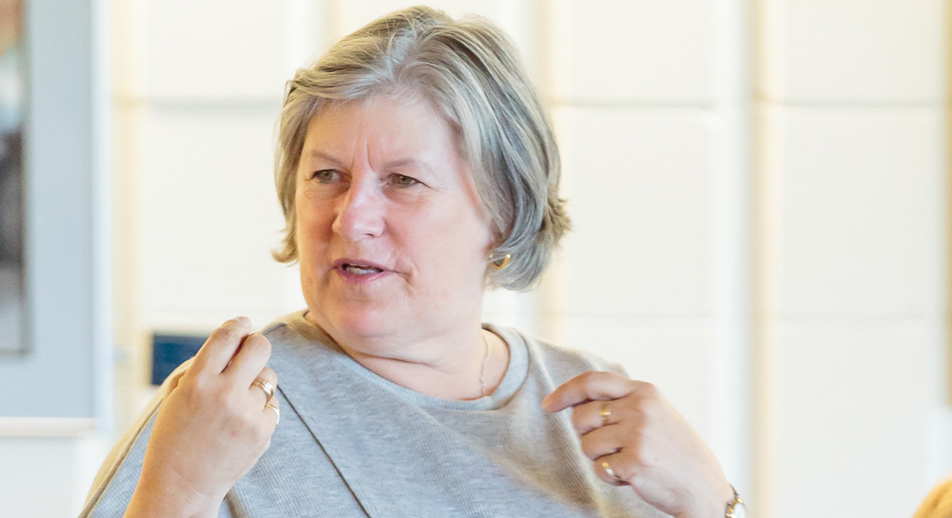
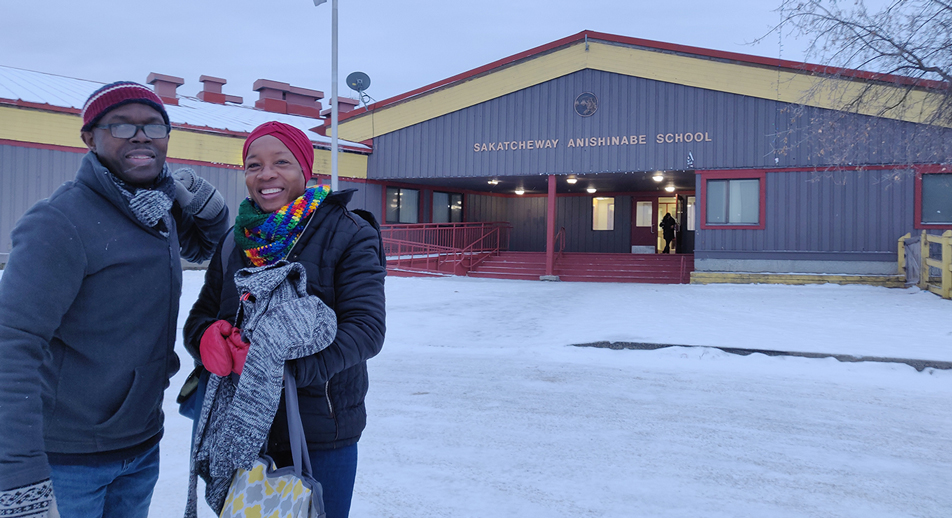
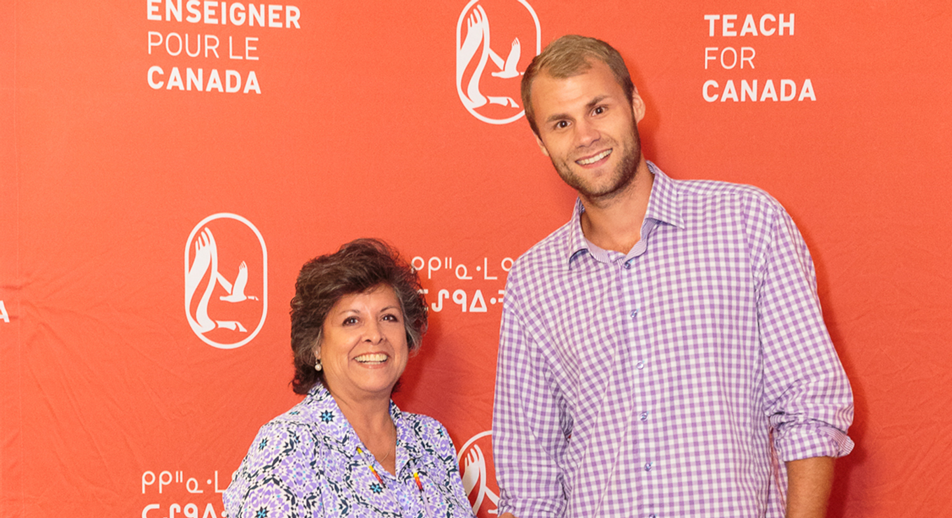
Teach For Canada teachers Pamela and Gideon Thwaites decided to move to Eabametoong First Nation with their son Gabriel in September 2019. Pam grew up in St John’s Newfoundland, Gideon in Cape Town, South Africa, and they had been living and teaching overseas prior to coming back to Canada. We interviewed the whole family to ask what it has been like moving to Eabametoong First Nation together.
 

Teach For Canada teachers Pamela and Gideon Thwaites decided to move to Eabemtoong First Nation with their son.


What inspired you to move North and teach in a First Nation? 


Pam: I have always been interested in the adventure of the North – I just had never had the opportunity to go there. I started to teach internationally, and then every time I came home, it was just too far or remote. Gideon and I watched a documentary on a plane while we were heading to South Africa about ten years ago. It was about the forced removal of Indigenous Peoples to remote parts of northern Canada. Gideon was surprised and appalled as a similar event had occurred in South Africa. It was referred to as the Group Areas Act. We both reflected on the injustices done to families affected by this in our respective countries. 


Gideon: You did mention it, that you had wanted to go back and teach in a First Nation. But I had no clue until I watched that video, and then I was very interested. 


Pam: Well, when I was in university, my professor was from northern British Columbia, and my major was in Canadian literature. She was really knowledgeable about Indigenous history, culture, literature, and it inspired me. So, I was starting to think about it even then, when I was 20 or 21. 
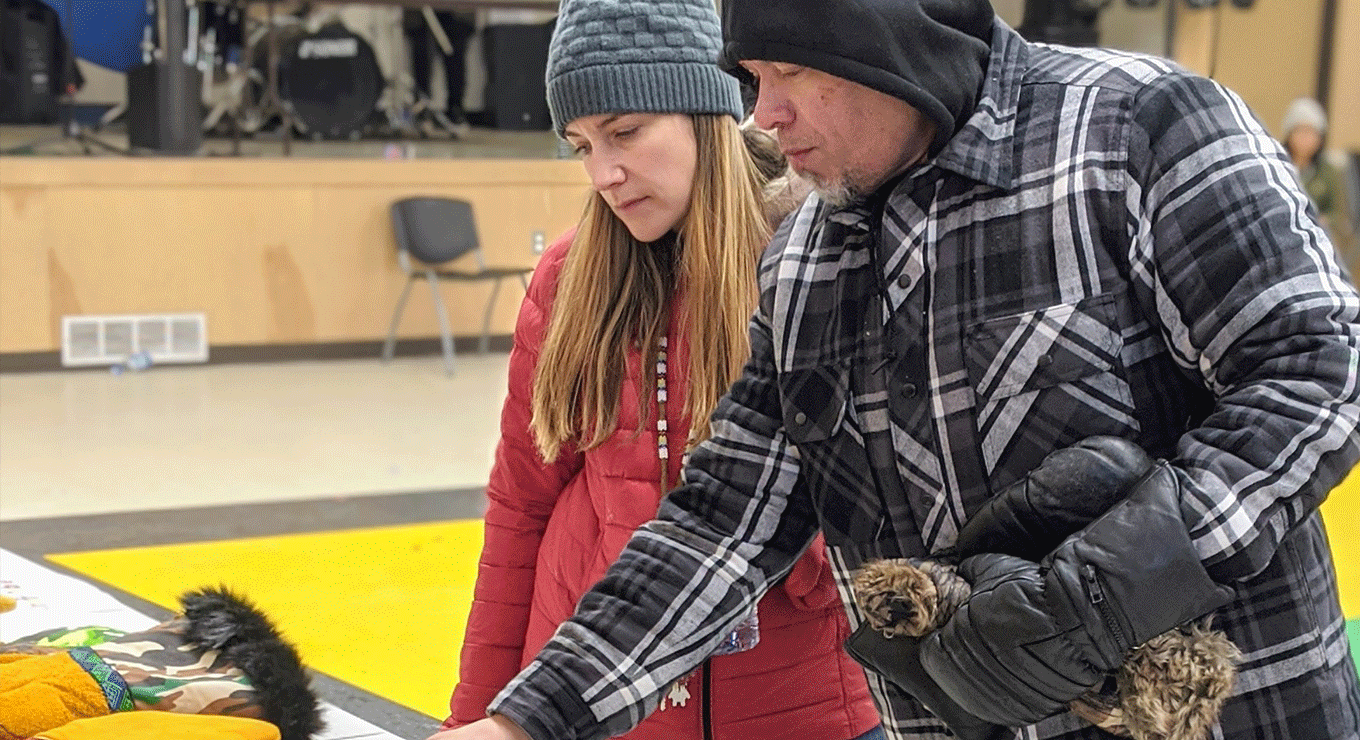


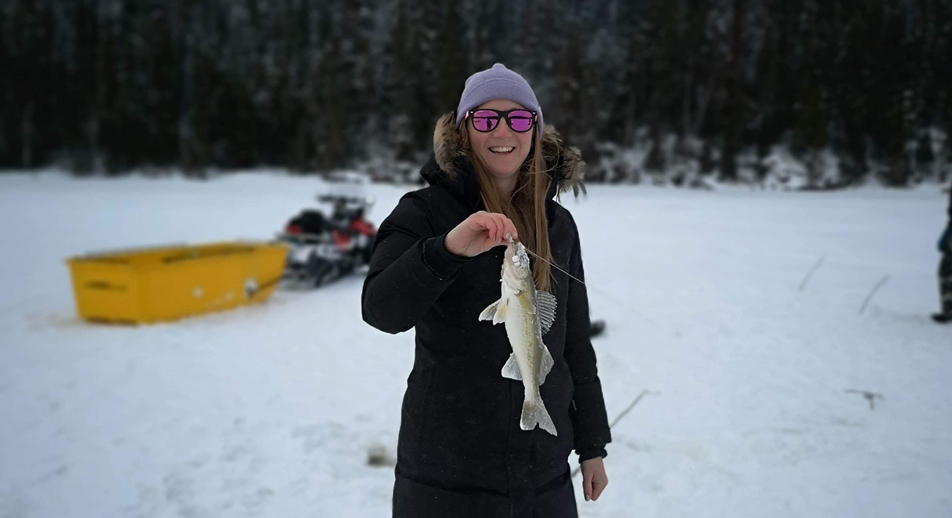
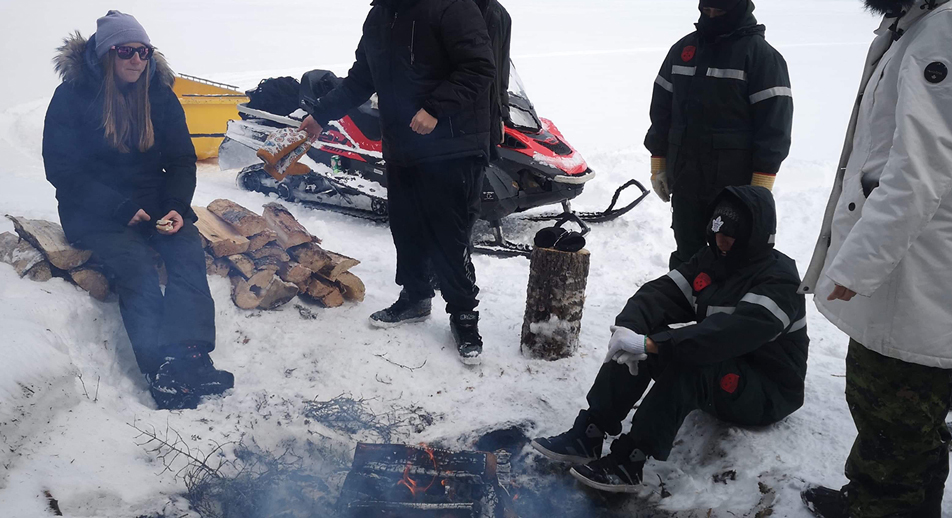
The Thwaites family has enjoyed spending getting to know community members at community events.


Since moving here, what have been your favourite parts? What have been the highlights?


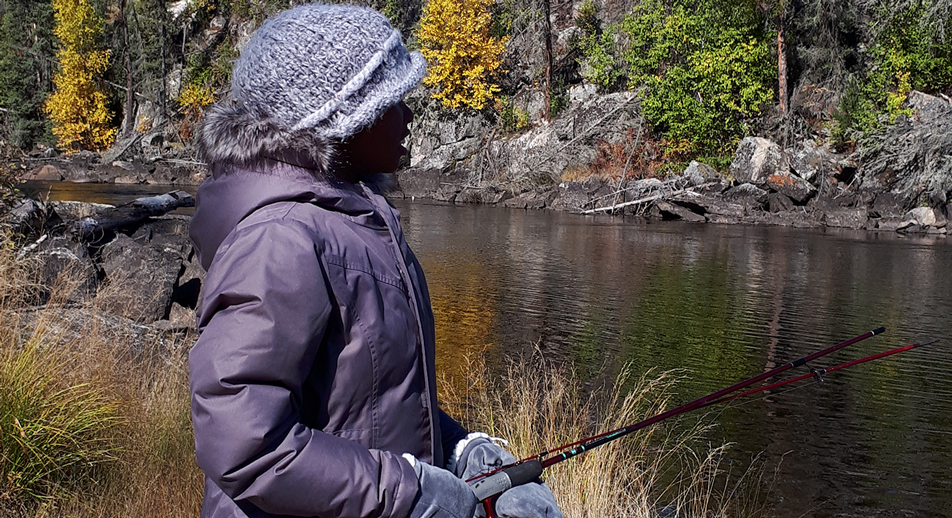
Gideon: It’s been such a peaceful transition here into the community. And we’ve just been overwhelmed with the beauty of the landscape. We’re always in nature here, there are no roads. 

We’ve had a lot of memorable moments already – for example, we had only been here for two weeks when the school administration said “Alright! Staff outing!” and school closed early and we were taken to an island with colleagues and members of the community to go fish and have a fish fry. You can’t dream this up. It was one of the most fantastic moments. So, we’ve just been overwhelmed by the friendliness of the community.

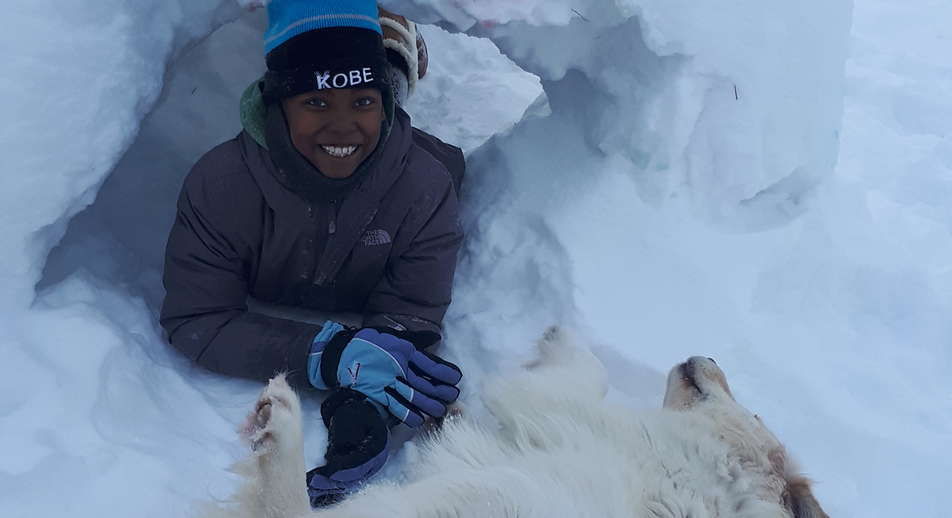
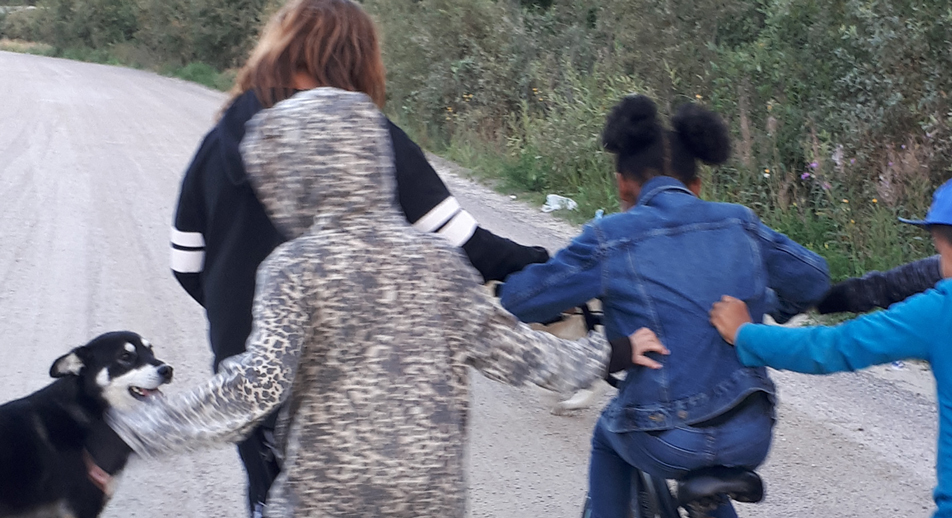
I also really love the dogs – the dogs own you! Like, “you’ll be my human being for the day.” 
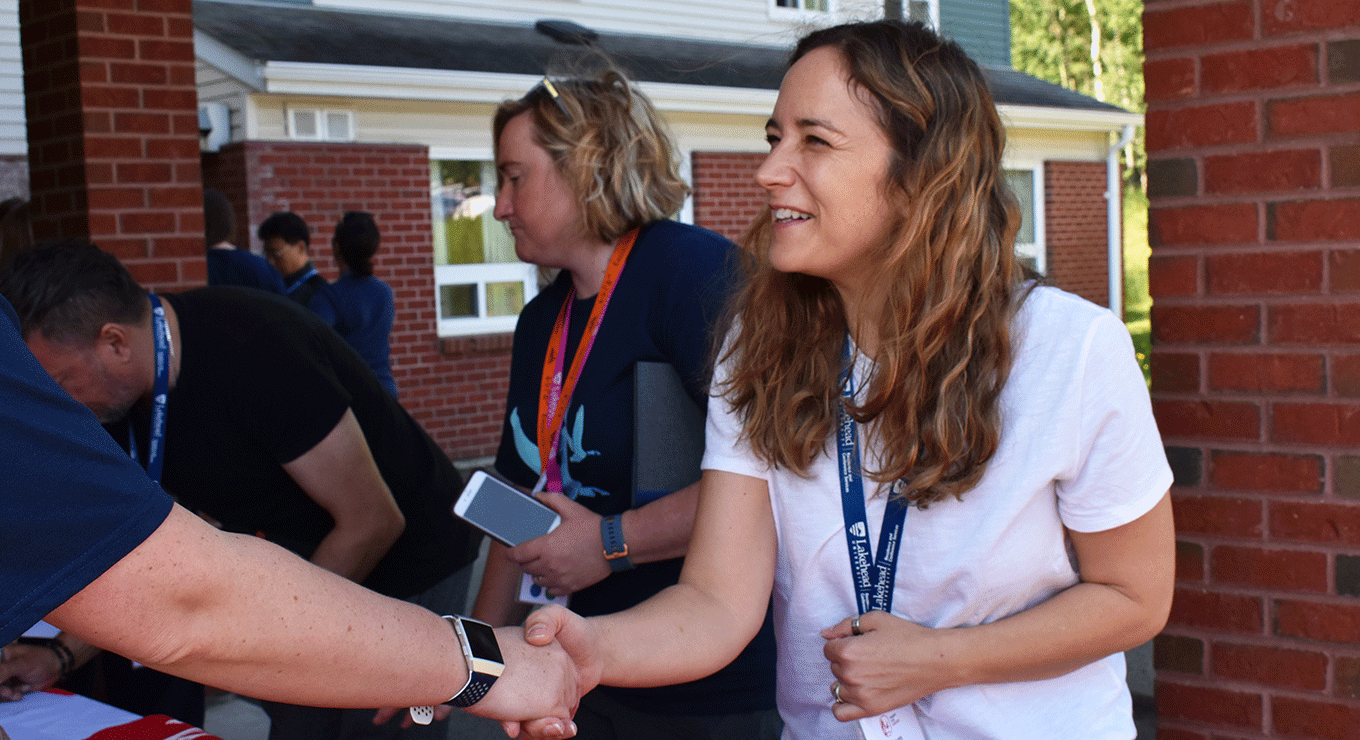


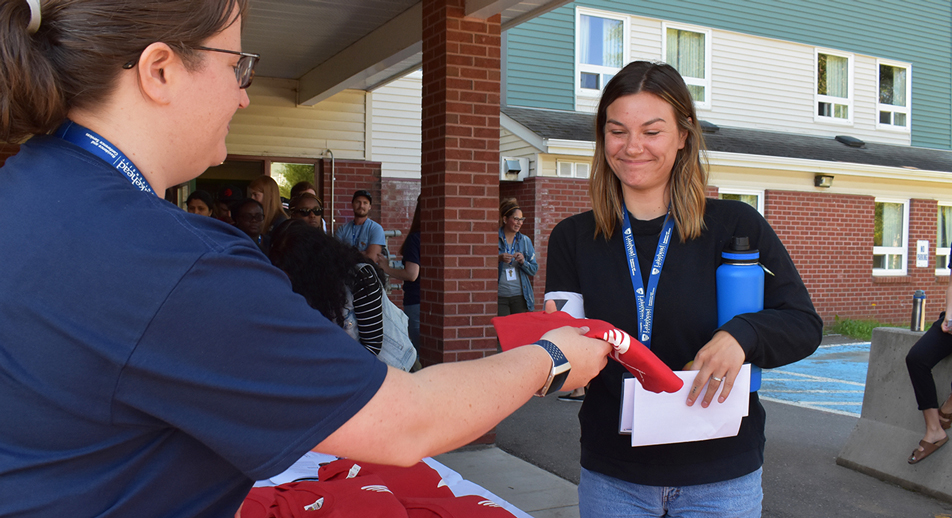
While the Summer Enrichment Program helped prepare Pam and Gideon, they still had to learn a lot about Eabametoong First Nation.


Have there been any particular challenges you weren’t quite prepared for? 


Pam: I remember being in a session during the Summer Enrichment Program and we talked about how the concept of time is different in a First Nations community. It’s true – and a lot of other concepts are different here too. You have got to shift your way of thinking. Which has been easy enough for us to do because we do it everywhere we go, but just knowing what those differences are can be helpful. 

For example: play dates. We’re a family and we have a little boy. In certain parts of the world, you just make a playdate and you know, Little Johnny can come over to play and the mom and I can have tea. But when I got here, I thought, “how do playdates work here?”  Gabriel would ask me, “when can I have my friend from school over for a playdate?” I must have mentioned the idea of a playdate to his friend’s dad five or six times. Then, a couple of weekends ago, this friend showed up with his dad on his Skidoo and knocked on our door and that was it. And then the next day, they picked him up for sliding. So it happened when it happened! 


Gideon: When community members ask you to do something, they are opening a door for you. I can be sitting here now and the principal who lives across the street might come across and say “one minute!” and in one minute, I’m ready to go! We’ll go collecting wood or cutting a path for the Skidoo trails in the bush. 


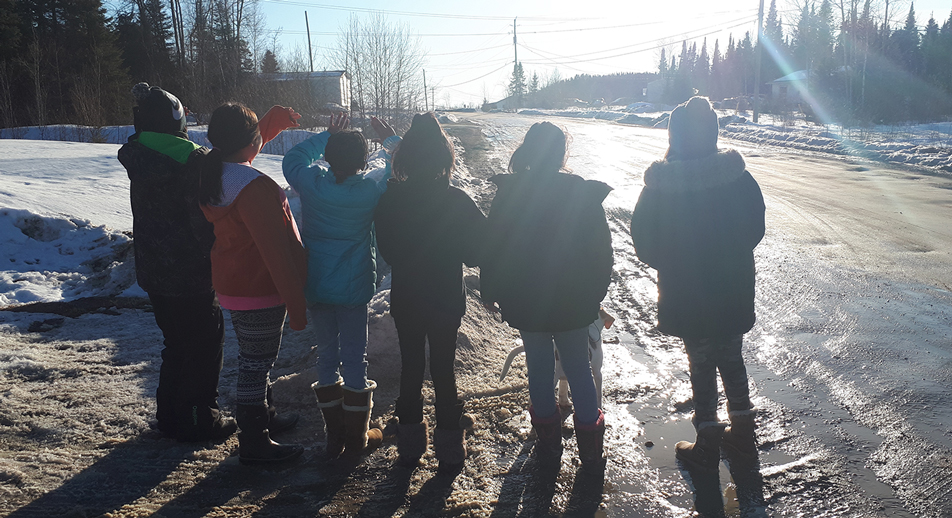
Pam: You need to be part of the community first, and people need to get to know you and feel comfortable with you and it takes a bit of time. And it can’t just be through working together. Going out in the bush, going over to people’s homes, going on the hill sliding with the kids, and then eventually you’re in there, and then it’s easy. 
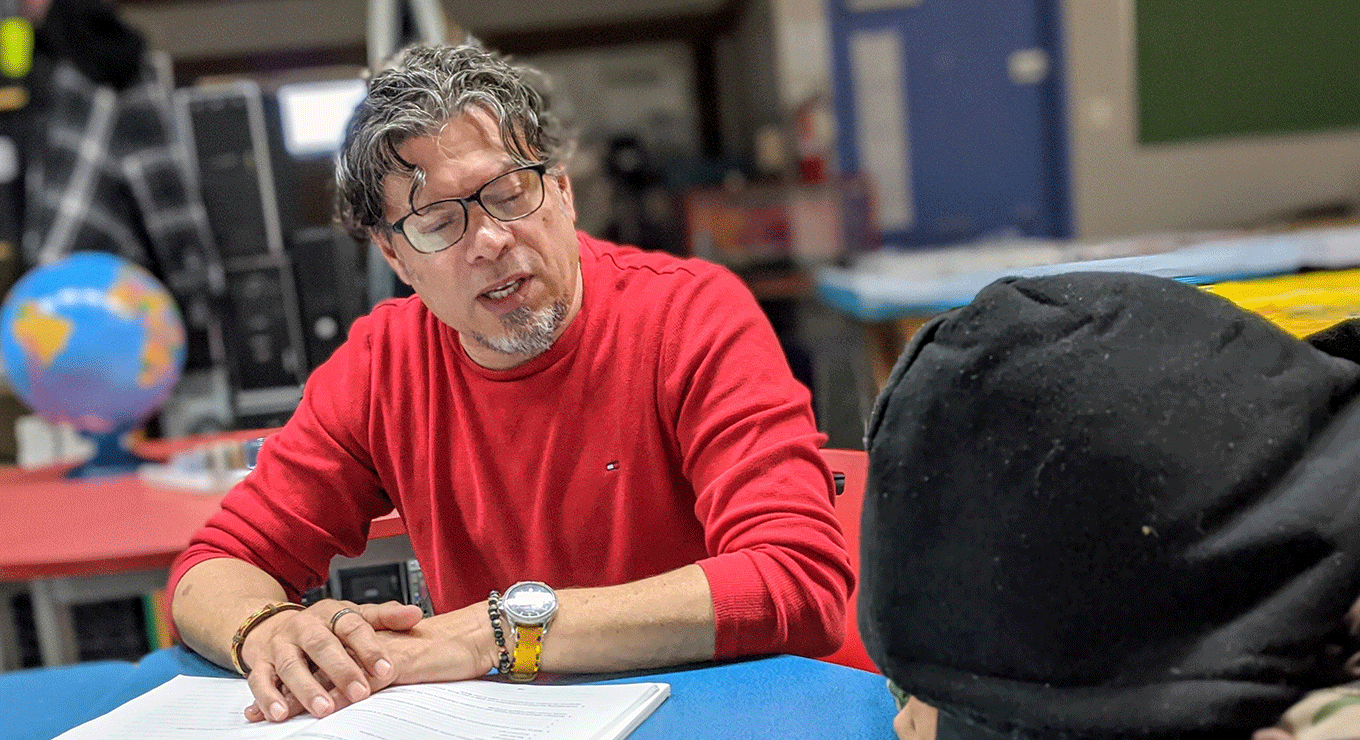


Pam and Gideon emphasize the importance of getting to know your students and the community.


Gabriel, what has been your favourite part of moving up North? 


Gabriel: The airplane!


What about school? What is your favourite thing to learn?


Gabriel: Going to the gym. 



Gabriel enjoys spending time with his parents and friends!


When Gabriel is older, what do you hope he remembers from his time in the North? 


Pam: All of the outdoor experiences. Gabriel came camping for three days with our students and that was the first time he had been camping like that before. We dressed him warmly and he had a wonderful time. If you are too overprotective then they miss out on all of that stuff. So, that connection to nature, that’s the one thing I hope he’ll take from this place.

And just an appreciation for the basics and simple things in life. We don’t need to have a big, fancy house or lots of nice new things. Our home is modest, but it’s cozy and warm. We have to walk to get water, but that’s okay. It’s a good reminder of how much we actually have. 


Gideon: Before, we had the luxury of opening the tap and having water… and there were a couple of days here when the water was shut down and they only had emergency water at the radio station. It makes you humble, grateful for what you have. 
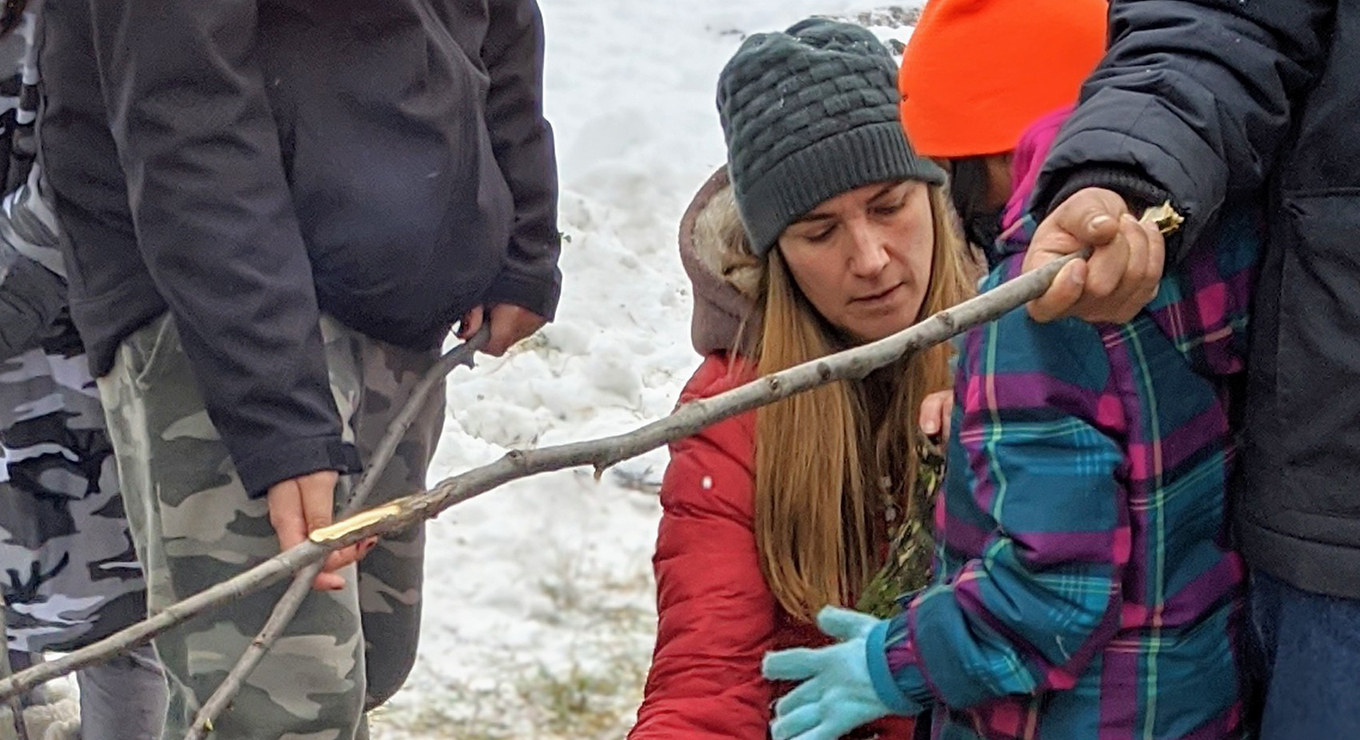


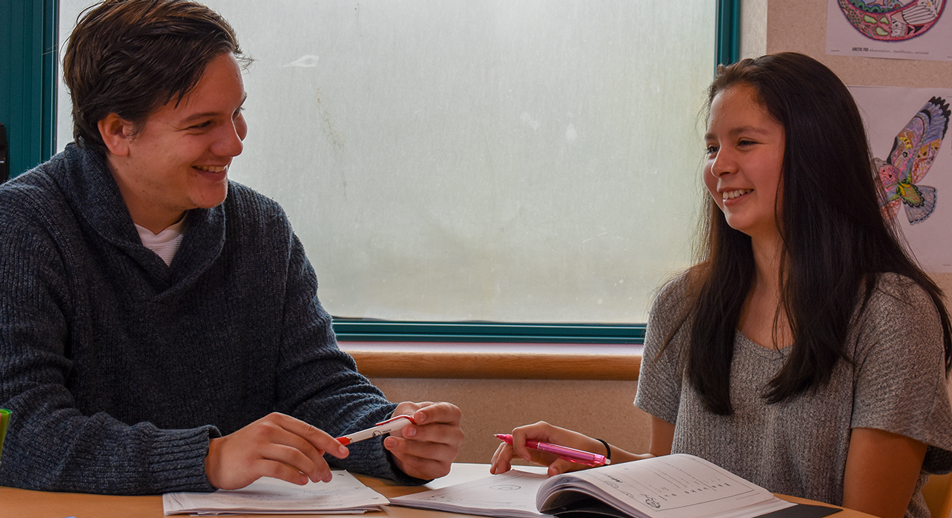
Pam Thwaites with a student

It was important to Pam and Gideon that they asked a lot of questions during the matching process.


Do you have any advice that you would give other families that are moving up North? 


Pam: We declined a job in one community because we had a chat with the principal. They were very honest and let me know they didn’t often have enough certified teachers for our son’s grade at their school. It’s such an important age and I wanted to make sure that we felt comfortable wherever we were going to end up. I think it is important that you do your homework and ask lots of questions throughout the matching process. You have to know that you are making the right decision for your family when you make it. 
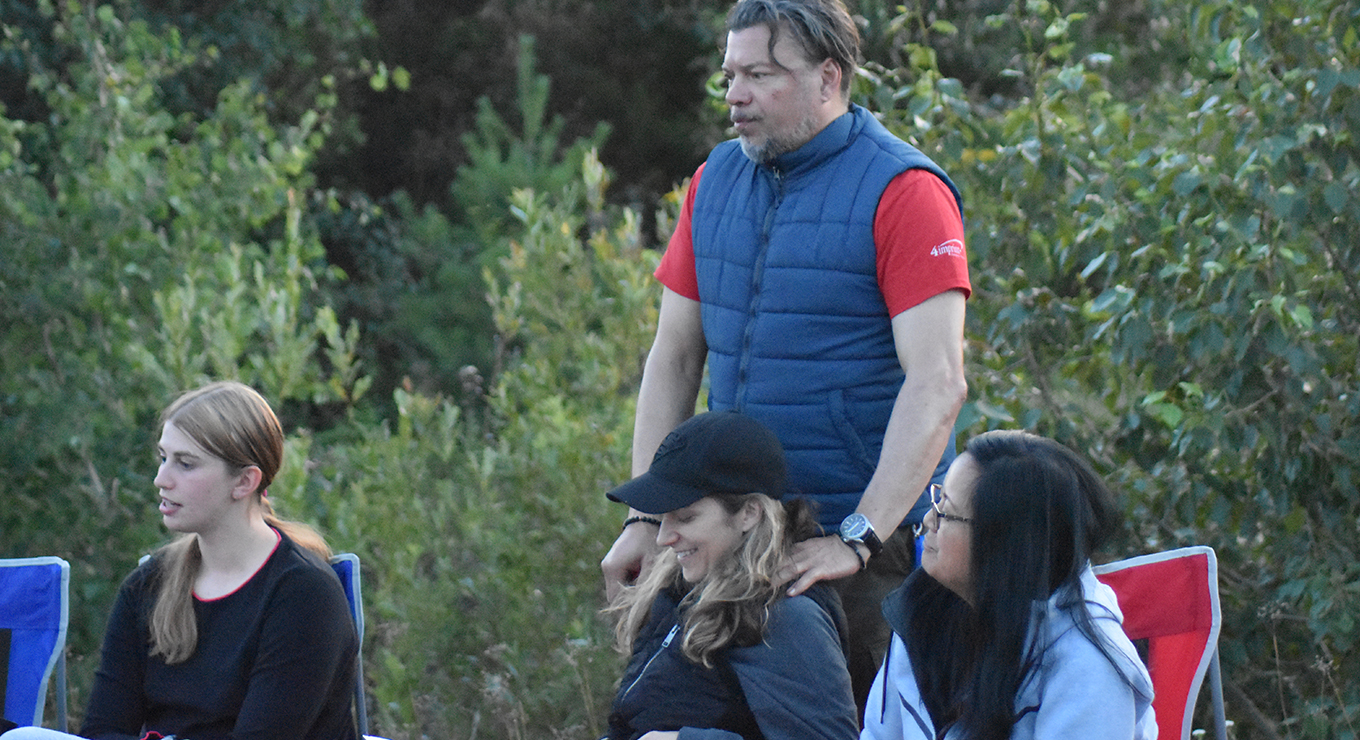


Sharing good moments with students has been a highlight for Pam and Gideon.


Have there been any particular moments with your students that really stood out to you? 


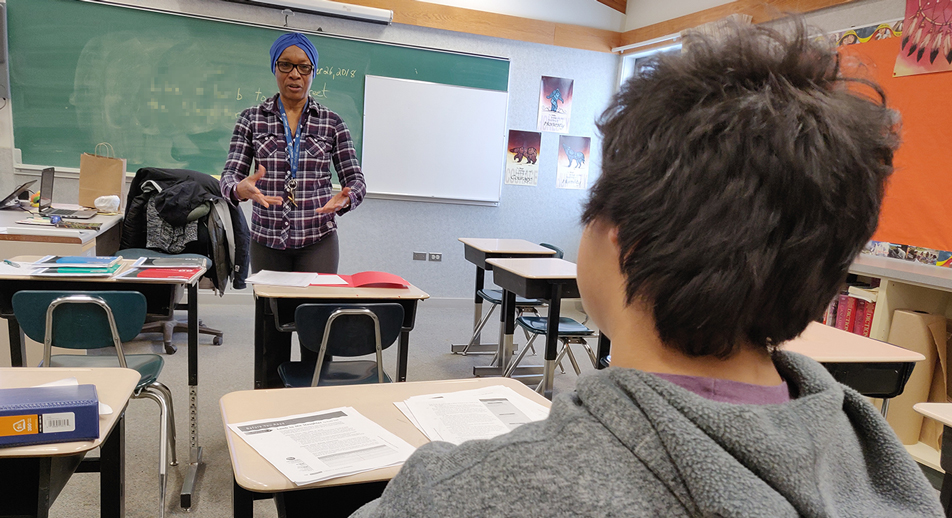
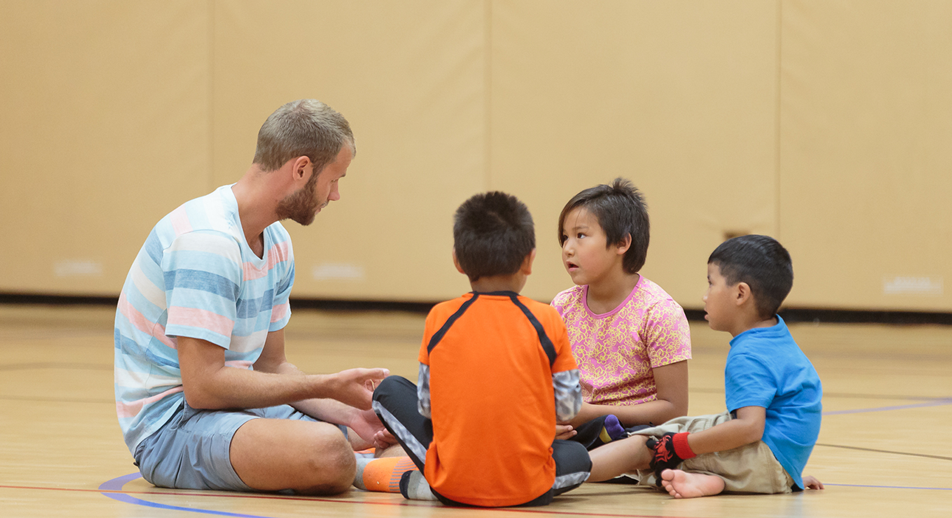
Pam: I really love seeing how my students interact with our son, Gabriel, when he visits me in my classroom. The students are caring, better behaved, and totally accepting of him. They will just get on the floor and play, and I really love that. It shows that they have such big hearts, and they are so loving and family-oriented. Even the toughest student I have in my class, I know he’s just putting on the tough-guy act, but deep down he’s a big kid, and I see that when he plays with Gabriel. So, that has been a really heart warming experience for me. 

I’ve also had a student who hadn’t been coming to school for several years. This student finally came back into the classroom because of some positive influences in his life. He has been 110 percent focused. Since he’s come back to school, he’s already won two awards. In the previous years, he must have had some really good teachers and he probably really loved school, but for other reasons, unknown to me, he was not able to attend Grades 5, 6 and 7.  After getting through the first few weeks, which was understandably pretty tough, he now he doesn’t want to leave the classroom at the end of the day! And thinking about this, just makes it all worthwhile. 


Interested in teaching in a northern First Nation? Apply now.
adfafda

Making a Commitment to the North

Posted by Meredith Stapon

Beth Shaw is the Grade 7/8 teacher at Pegamigaabo School in Big Grassy River First Nation and her partner, April Whalen, is the school’s Grade 5/6 teacher. When the couple first considered moving to a northern First Nation to teach, Beth wanted to make sure they were ready to make a commitment to the North. She didn’t want to be part of the revolving door of teachers that, unfortunately, many northern communities experience. Read on to learn about their journey. 


Beth moved to Melbourne, Australia to teach with her partner April after teachers’ college.


When I finished teachers’ college, I had always imagined myself moving abroad to travel and teach. I was also lucky enough to have met my partner April, who was also becoming a teacher who also shared the same dream of teaching abroad. So, after graduation, we sold or donated all of our possessions and move halfway across the world to Melbourne, Australia.


Beth and April went on a lot of adventures while living and teaching in Australia.


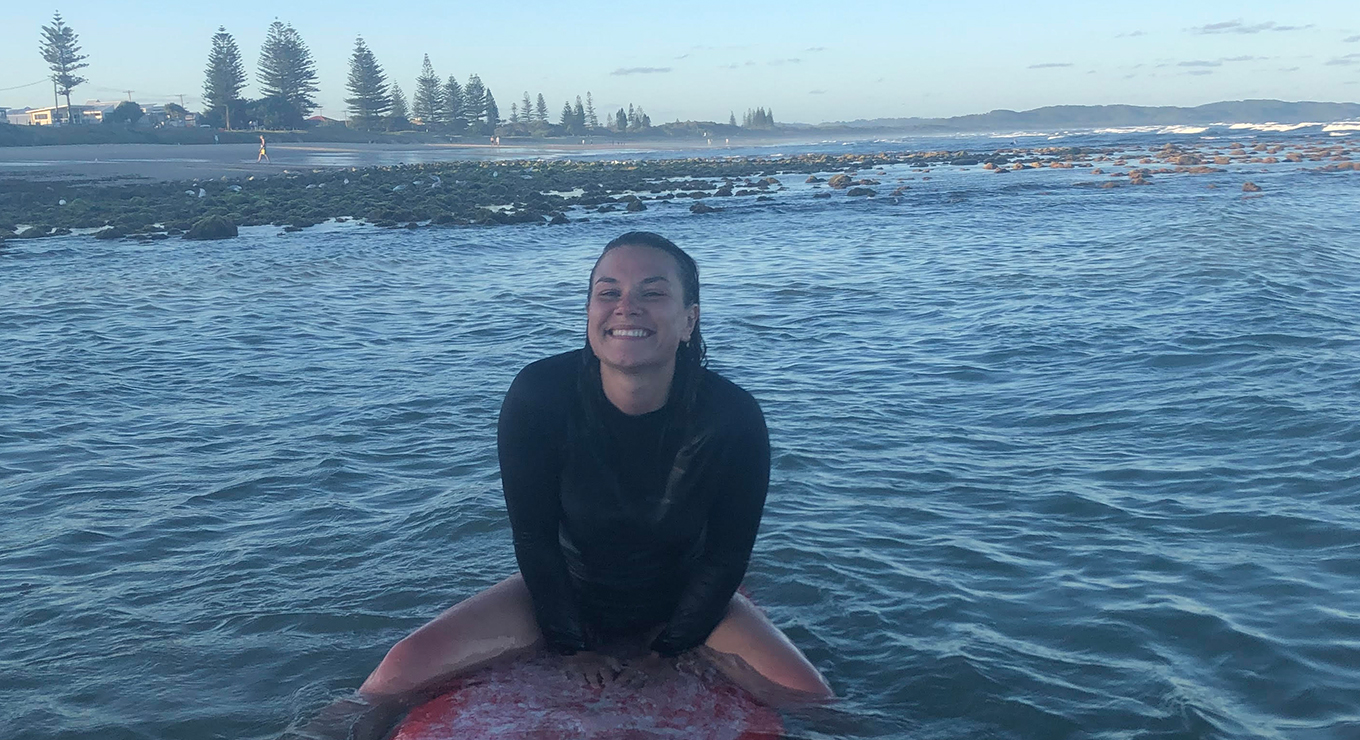
We were able to get work quickly doing supply teaching and the flexibility allowed us to travel during the term breaks. During those breaks, we surfed the waves in Byron Bay, saw Quokka’s on Rottnest Island, road-tripped Tasmania and swam with turtles in the Great Barrier Reef. All of those experiences added up to one incredible year but as our visa was coming to an end, we needed to make a decision about our future.


Beth and her partner April started looking for full-time teaching jobs in Australia and Canada.


We both knew that one thing was missing from the supply work we had been doing and that was connections. We both missed the consistency that comes with being a full-time classroom teacher. The ability to make strong connections with students and watch them grow as people. That’s when we made the decision to look into full-time positions both in Australia and back home in Canada.


Beth had always been interested in teaching in a northern First Nation, but she wanted to make sure it would be long-lasting.


One of the options that crossed our minds was Teach For Canada, an organization that helped to match teachers to First Nations communities in Northern Ontario. This was something that I always knew I wanted to do but needed to make sure that I was ready for something more permanent and long-lasting. I didn’t want to be a part of the revolving door that unfortunately, many northern communities experience.


Beth and April both applied to teach in a northern First Nation through Teach For Canada.


After speaking with April about this opportunity, she agreed that this was the perfect fit for both of us. The process of applying was exciting but also scary, not knowing where we’d be moving to and how we’d have to move back across the world. Luckily though everything just sort of fell into place, although it did include several 1:00 am Skype interviews because of the time difference!


The two teachers connected with Brad George, the Education Director and Principal in Big Grassy River First Nation.


As the interviews ended and the hiring began, we instantly made a connection with Brad George, the Education Director and Principal from Big Grassy River First Nation, who was looking to hire a Grade 5/6 and a Grade 7/8 teacher. It felt like a perfect match and before long it was June, which meant we’d be getting on a long 15-hour flight back to Toronto.


Together they attended the Summer Enrichment Program to learn about First Nations histories, cultures, and pedagogy.


Once we were home it was time to unpack and then repack to travel to Thunder Bay for the Summer Enrichment Program. The Summer Enrichment Program is a training program that Teach For Canada provides to all of its teachers before they head up to their communities in August. It was an intense experience filled with so many highs and some sobering realizations that allowed us to better understand our future students and communities. While there we also made connections with some incredible people, who we still message on Facebook and catch up whenever we can.


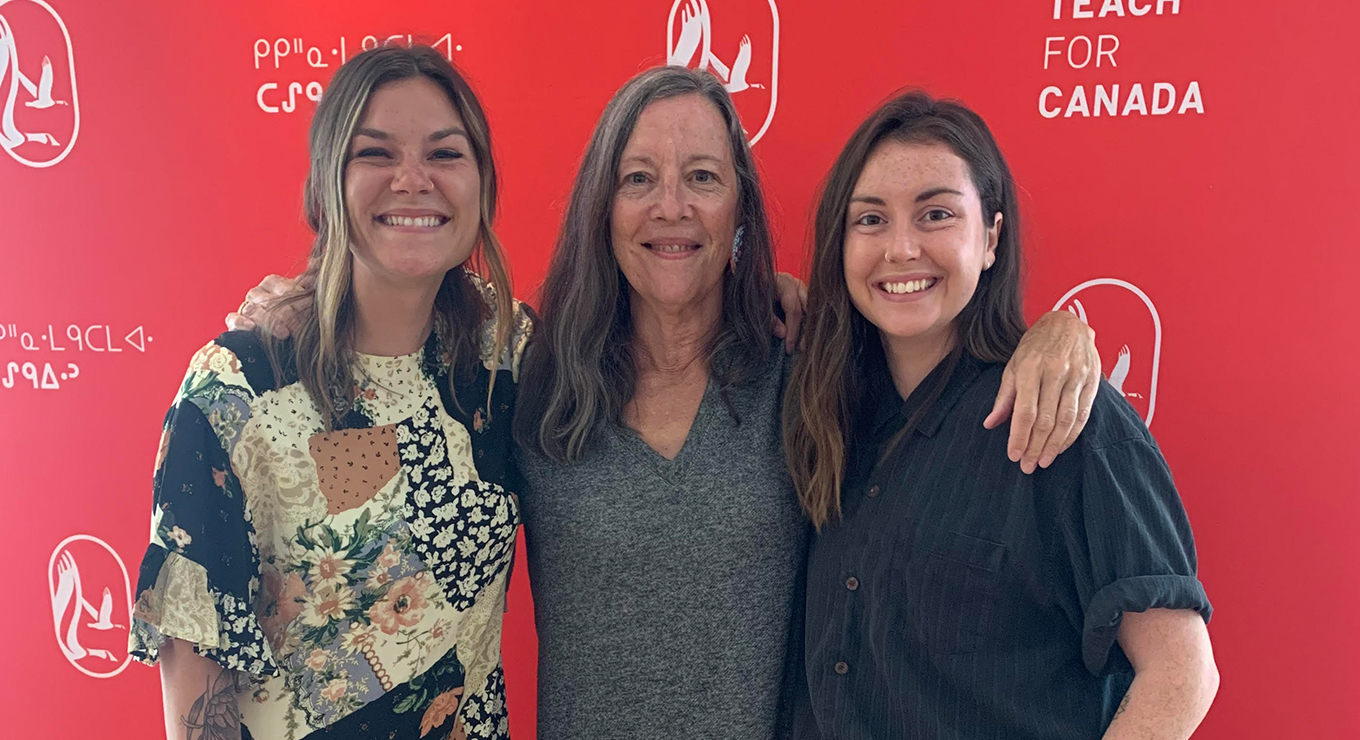
Beth and April made many connections at the Summer Enrichment Program, including with fellow Teach For Canada teacher Sue Barnes currently teaching in Kitchenuhmaykoosib Inninuwug.


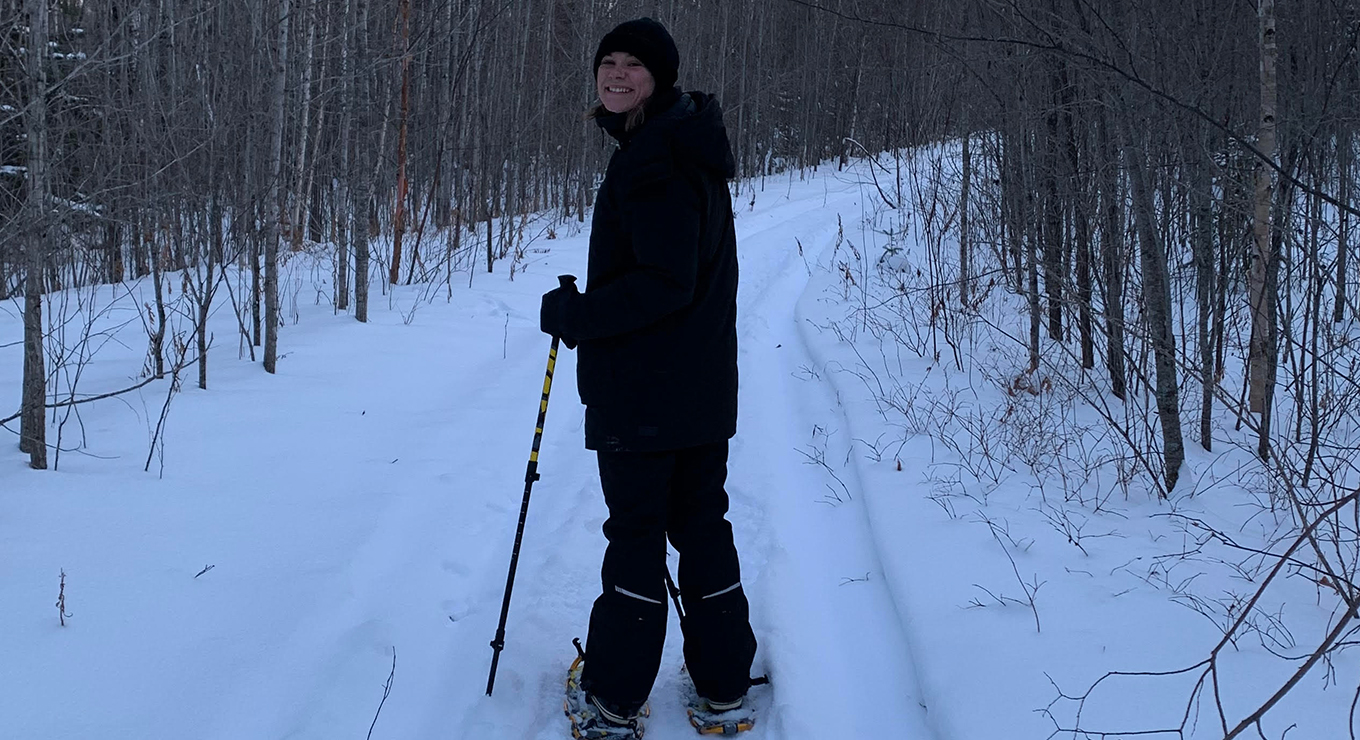
When we arrived in Big Grassy River First Nation, we were instantly welcomed by our co-workers and community members. The school is well kept by members of the community making it feel like it is brand new. Our life in Big Grassy River First Nation is very different from the life we used to have in Melbourne. It has allowed us to slow down and focus on what’s important. We take hikes outside and go snowshoeing now that there’s snow!


Beth has enjoyed slowing down and focusing on what is important in Big Grassy River First Nation.


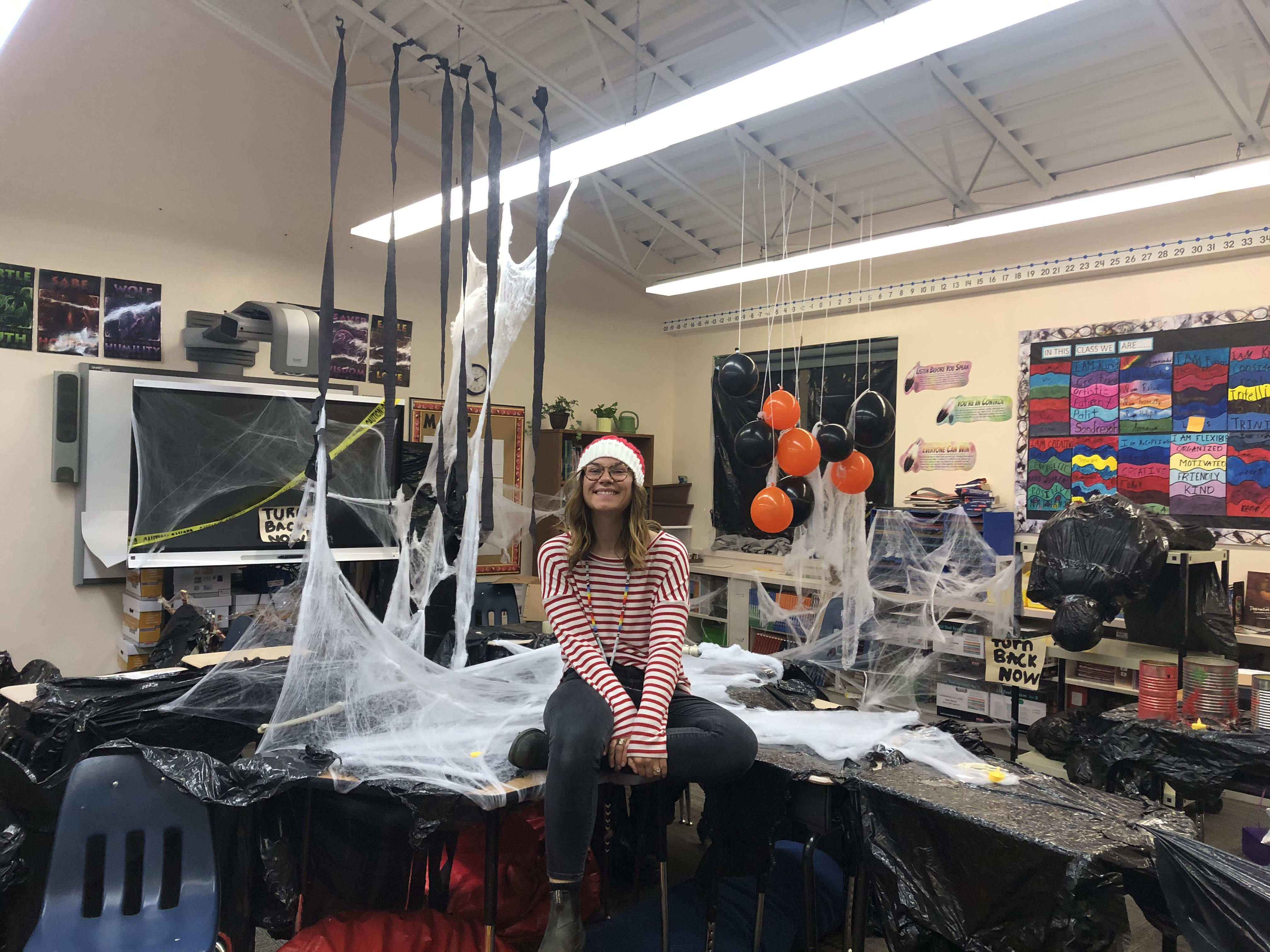
We get to spend eight hours a day with the most amazing kids who are funny, smart, kind and so creative. I spend most of my days being astonished by what my students are capable of and them telling me to stop “being so weird about it.” Teaching Grade 7/8 means doing the annual haunted house, planning school dances, theme days, grad trip to Toronto and dealing with all things “awkward.” It also means listening to the endless stories your students have to tell you and learning more about them every day.


Beth loves teaching Grade 7/8 – including working on the annual haunted house with her class.


Teaching in the North means being an endless stream of support for students who don’t always see the ability in themselves. It means working late to find new ways to make the curriculum meaningful and creating a safe space for all your students to learn. It also means showing your students that you’re in it for the long haul and that no matter what you’ll always be there for them. I think that’s what I love most about teaching, being someone that students can rely on no matter the issue they’re facing. Big Grassy has allowed me to become someone strong and willing to put in the work with my students.


Beth has worked hard to make the curriculum meaningful and to create a safe space for her students.


As January came to an end, I looked at where I was this time last year: sitting at the Australian Open watching tennis. This year I’m getting ready for the annual ice fishing derby and I couldn’t be happier.


Interested in teaching in a northern First Nation? Apply now for the 2020/2021 school year. 

adfafda

Choosing to go North: Teaching in a First Nation

Posted by Meredith Stapon

Kimberlee Pratt is currently the grade 3/4 teacher at Pegamigaabo School in Big Grassy River First Nation and is an alumnus of Teach For Canada. She completed her two-year commitment in Fort Severn First Nation from 2016 to 2018, and after working briefly in Edmonton, has returned to teach in the North. She earned her Bachelor of Education at Mount Royal University in 2015.


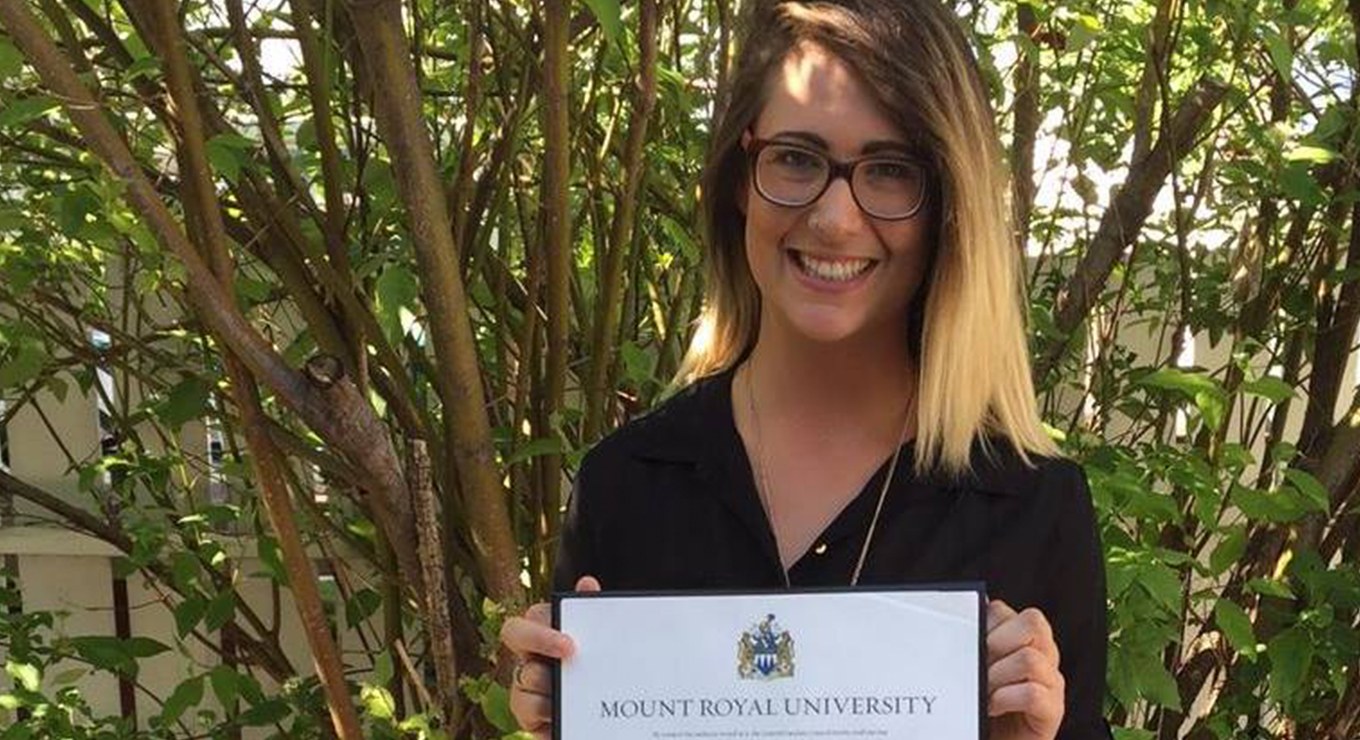
Kim holding her teaching degree

Kim graduated from Mount Royal University in 2015.


When Kim graduated from Mount Royal University in 2015, she felt full-time teaching opportunities in her home province of Alberta were difficult to find. So, she started looking into teaching jobs across the country and she also considered teaching abroad in China. While she was job hunting, she came across a Teach For Canada online advertisement that said that full-time teaching jobs were available in northern First Nations. It sounded interesting, so she applied.


Kim at Teach For Canada's Summer Enrichment Program

Kim wanted to do her part to address the education gap between First Nations and non-First Nations communities.


Once she received a call for an interview, she started to really do her research. She learned that teacher retention and turnover are big challenges in northern First Nations schools. She knew that addressing the education gap between First Nations and non-First Nations communities was something she wanted to be a part of.


The 2016 Teach For Canada cohort

Kim joined the 2016 Teach For Canada cohort and accepted a position from Fort Severn First Nation.


After successfully moving through Teach For Canada’s rigorous selection process, Kim received several offers of employment from northern First Nations schools. In the end, she chose to move to Fort Severn First Nation because she was drawn to their location as Ontario’s northernmost community – and because they were looking for a grade 3/4 teacher, her favourite grades.


Kim Pratt standing with other Teach For Canada teachers

Teach For Canada teachers Kim met during the Summer Enrichment Program became an important support network.


Soon Kim was off to the Summer Enrichment Program to learn more about First Nations histories, cultures, and pedagogies. While there, she built a strong network of Teach For Canada teachers – a support system that she says became very important once she moved North. 


Teaching in Fort Severn First Nation


The first few weeks in Fort Severn First Nation were exciting – but they were also a challenge. Kim was far away from her friends and family. She was also a new teacher and quickly realized that, despite her degree in education, there was no rulebook in a classroom. It took her some time to accept that it was okay when things didn’t go to plan. 


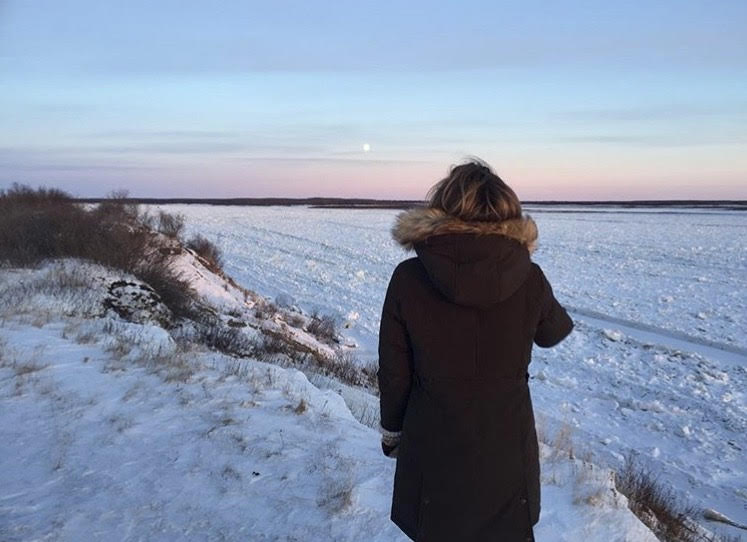
Kim looking out onto a frozen lake in Fort Severn First Nation

It took some time for Kim to adjust to living in a new and northern community.


She credits her time spent teaching in Fort Severn First Nation with teaching her how to be more flexible. Since Fort Severn is a fly-in community, it was common for Kim to have to move lesson plans around when visitors arrived, or when the dentist or medical team were flown in. Sometimes the school would close for a few days because the water had stopped running.


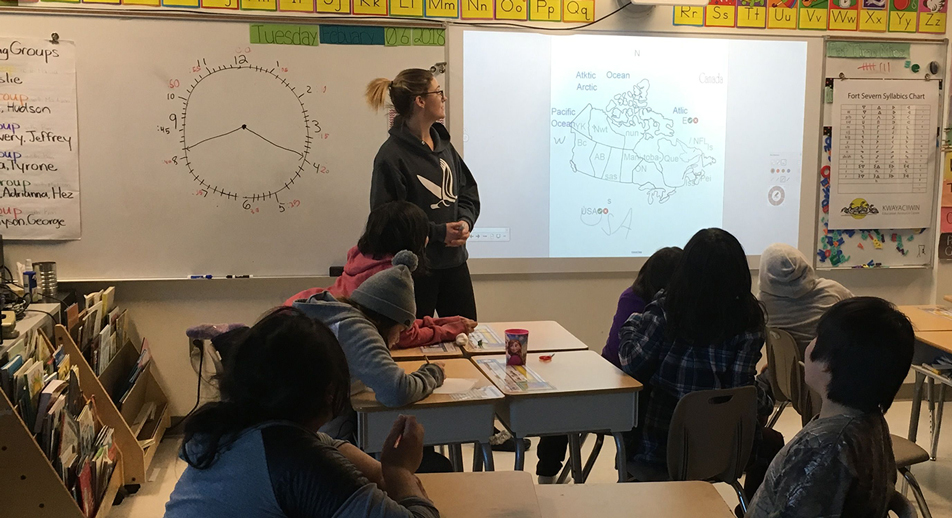
Kim teaching in Fort Severn First Nation

Flexibility became a key skill Kim learned while teaching in the North.


That flexibility is also something that Kim loved the most about teaching in the North. It meant that if her students were feeling restless, she could decide to bring them to the river to check out rocks and minerals. She was encouraged to bring the students’ education out onto the land.


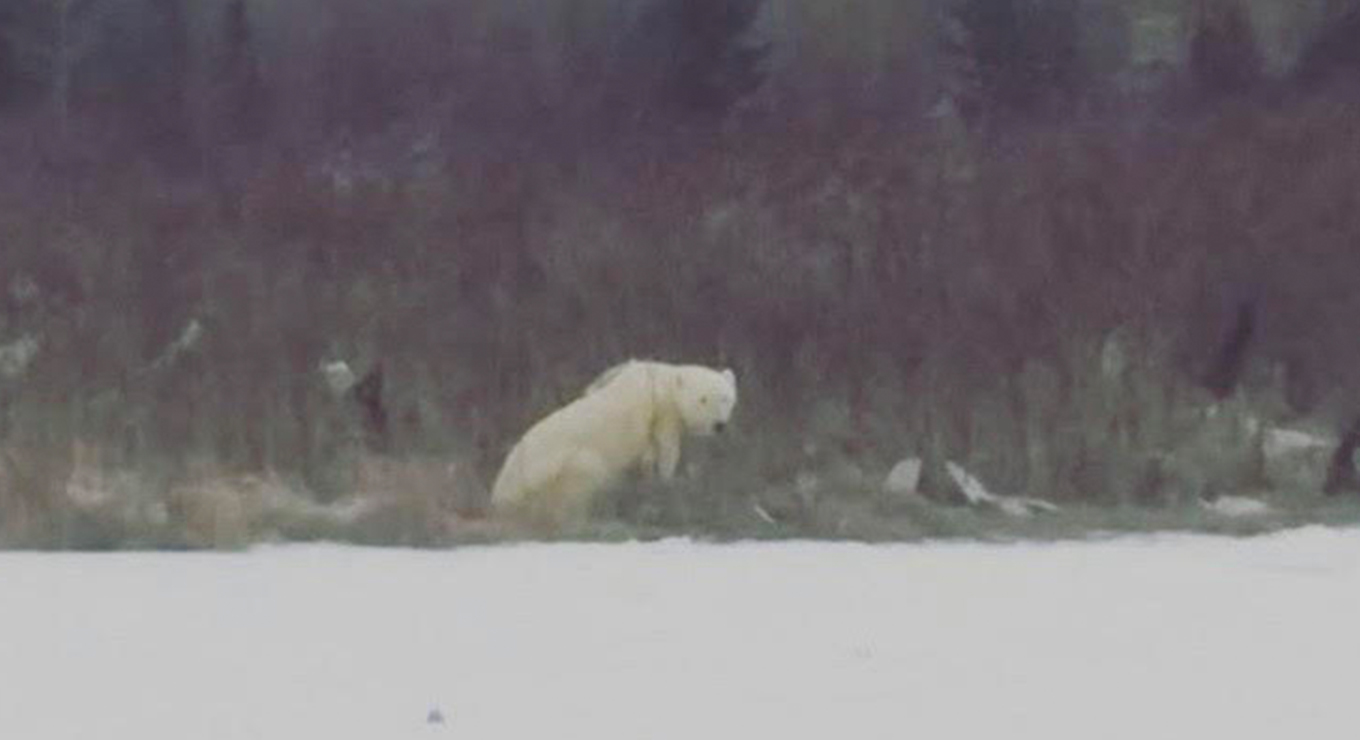
A polar bear in Fort Severn First Nation

A polar bear Kim saw while living and teaching in Fort Severn First Nation.


She started to build a sense of community in Fort Severn First Nation, which helped with not feeling so lonely. The network she had built at the Summer Enrichment Program also continued to act as a support system. She’d meet the friends she made who were teaching in Poplar Hill First Nation nearby in Red Lake or Sioux Lookout during school breaks. Kim says that friends and family at home had a hard time understanding her experiences because it was so different from their own, and so it was nice to have a community of people who she could relate to.


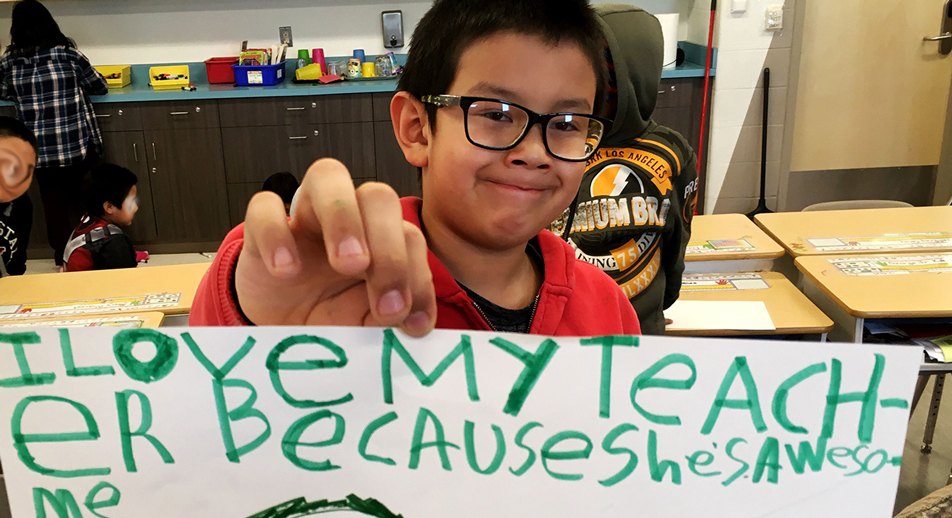
A student in Fort Severn First Nation holds a sign that reads: "I love my teacher because she is awesome"

Kim loved teaching and supporting her students while in Fort Severn First Nation.


When Kim completed her two-year commitment in Fort Severn First Nation, it was a bittersweet decision to leave. Everyone showed up at the airport to say goodbye as she headed back to Edmonton. 


Choosing to go North again


Leaving Fort Severn First Nation was difficult, just like when Kim first arrived. She experienced reverse culture shock, which often happens to people who have spent significant periods of time in a different culture, and then return home. She started working in a school in downtown Edmonton on a maternity contract half-way through the year. 


Kim Pratt at Teach For Canada's Summer Enrichment Program

Teaching in a big city didn’t feel like the right fit for Kim. She knew she wanted to go North again.


Kim quickly realized she missed a lot from teaching in the North. She could no longer take her students out on a restless day – it required forms, parent volunteers, and a lot of planning. She felt uncomfortable in a big city and found herself yearning for the comfort of a small community. She also missed the easy access she had to the beautiful outdoors.


Teacher Kim and students in Fort Severn First Nation

Kim loved the flexibility of being able to take her students outside on restless days.


The answer became clear when she received a message from Chris Johnson, a Teach For Canada teacher who she had met at the Summer Enrichment Program. He was still teaching in Big Grassy River First Nation, another Teach For Canada partner community, and they were looking for a grade 3/4 teacher for the upcoming school year.


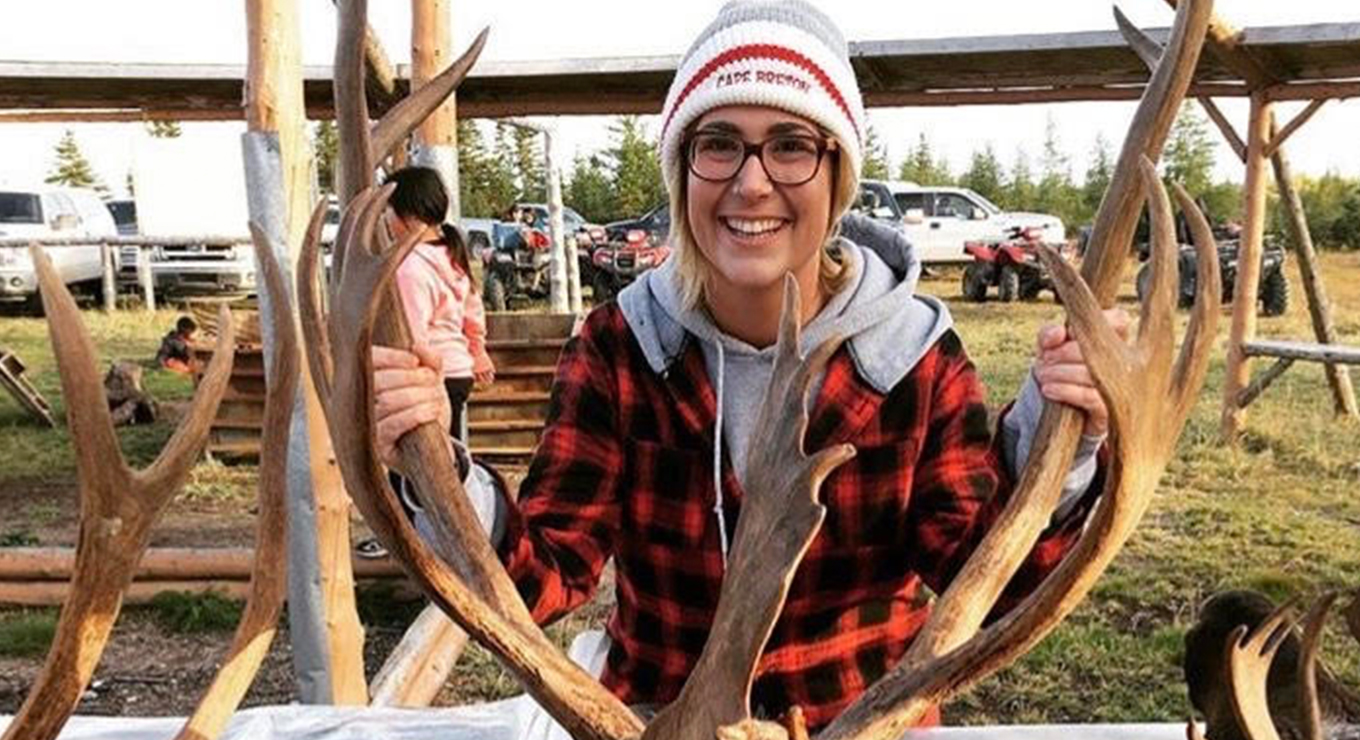
Teacher Kim holding caribou antlers

The opportunity to teach in Big Grassy River First Nation came at the perfect time.


Kim discussed the opportunity with her husband, who is First Nations and a social worker, and he was very keen to make the move. She was hired by the school and within two weeks they went from living in downtown Edmonton to moving to Big Grassy River First Nation. Kim describes the decision to move North again as the change that they both needed. 


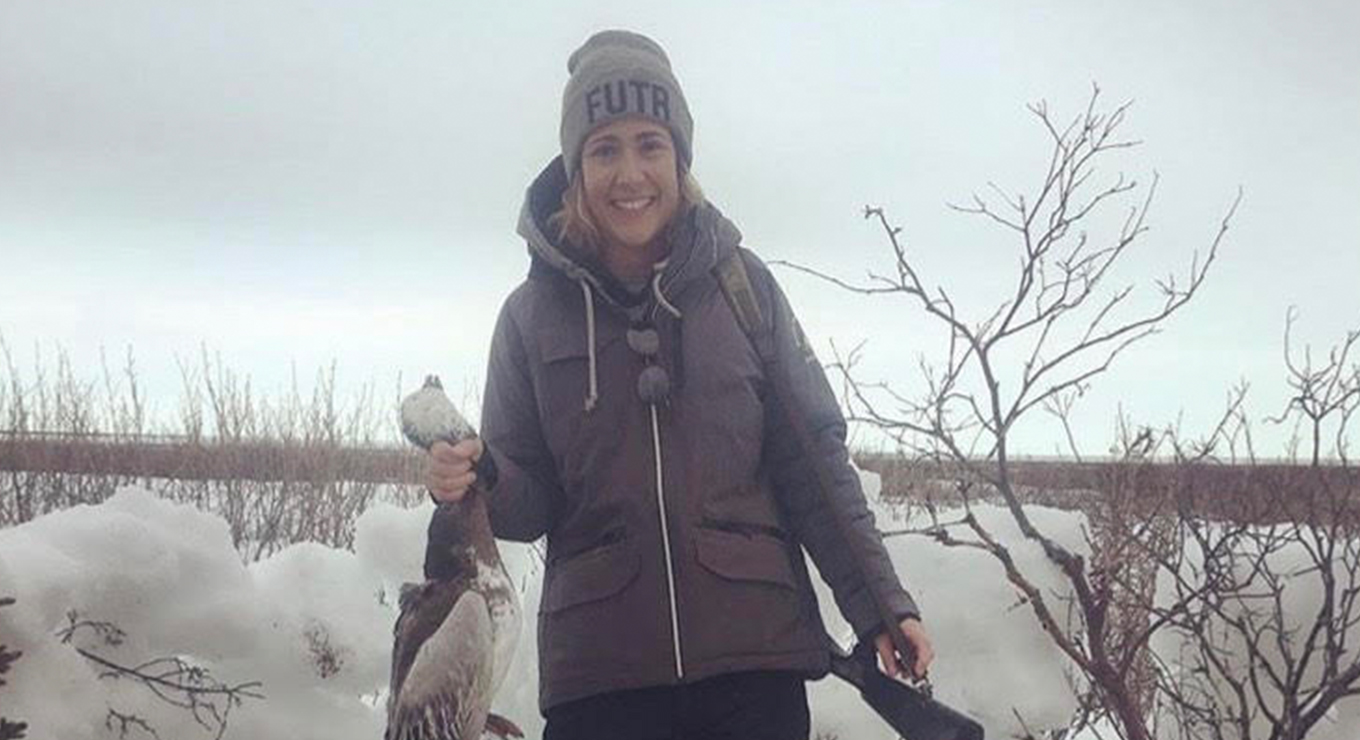
Teacher Kim holding a goose that had been hunted

Kim and her husband plan to stay in the North long-term.


When asked what advice she would give to other teachers considering going North, Kim says: “Just go for it.” She says it was the best decision she ever made and that she and her husband plan to stay in the North long-term. She also emphasizes how important it is to have a good support group behind you:

“At the end of the day, those are the people who will support you when you need it.” 


Interested in teaching in a northern First Nation? Apply now for the 2020/2021 school year. 

adfafda

Teacher Feature: Gurpreet Flora

Posted by Meredith Stapon

Gurpreet Flora is a grade 6 teacher in Deer Lake First Nation. She completed her undergraduate degree and Bachelor of Education at York University. Prior to becoming a Teach For Canada teacher, Gurpreet was a Teach For Canada student ambassador at York University where she informed her peers about teaching opportunities in northern First Nations with Teach For Canada. This past year, Gurpreet sought out a partnership that would help provide her classroom with school supplies.


Gurpreet Flora has been teaching in Deer Lake First Nation since 2018.


In remote communities, accessing back-to-school supplies can be particularly difficult. Teach For Canada teacher Gurpreet Flora recognized the need for school supplies for her students within the first few months of teaching in Deer Lake First Nation. They were often asking Gurpreet for pencils, erasers, and other supplies to complete their work – a challenge that she knows many teachers can relate to.


Gurpreet noticed that her students were often asking her for supplies in order to complete their work.


So, she had a conversation with her students. They talked about what kind of supplies might be helpful in class and discussed how backpacks could make it easier to bring home artwork, forms, and school work. They agreed they wanted to look into options to bring these supplies to their school together.


Gurpreet brainstormed ideas with her students about how to bring supplies to their school.


After some research, Gurpreet discovered True North Aid, an organization that works with Indigenous communities in Canada to support education, health, and other projects. They were interested in partnering. She spoke to the principal and the education director in Deer Lake First Nation and they were supportive of her and her students’ idea. So were the students’ guardians and parents.


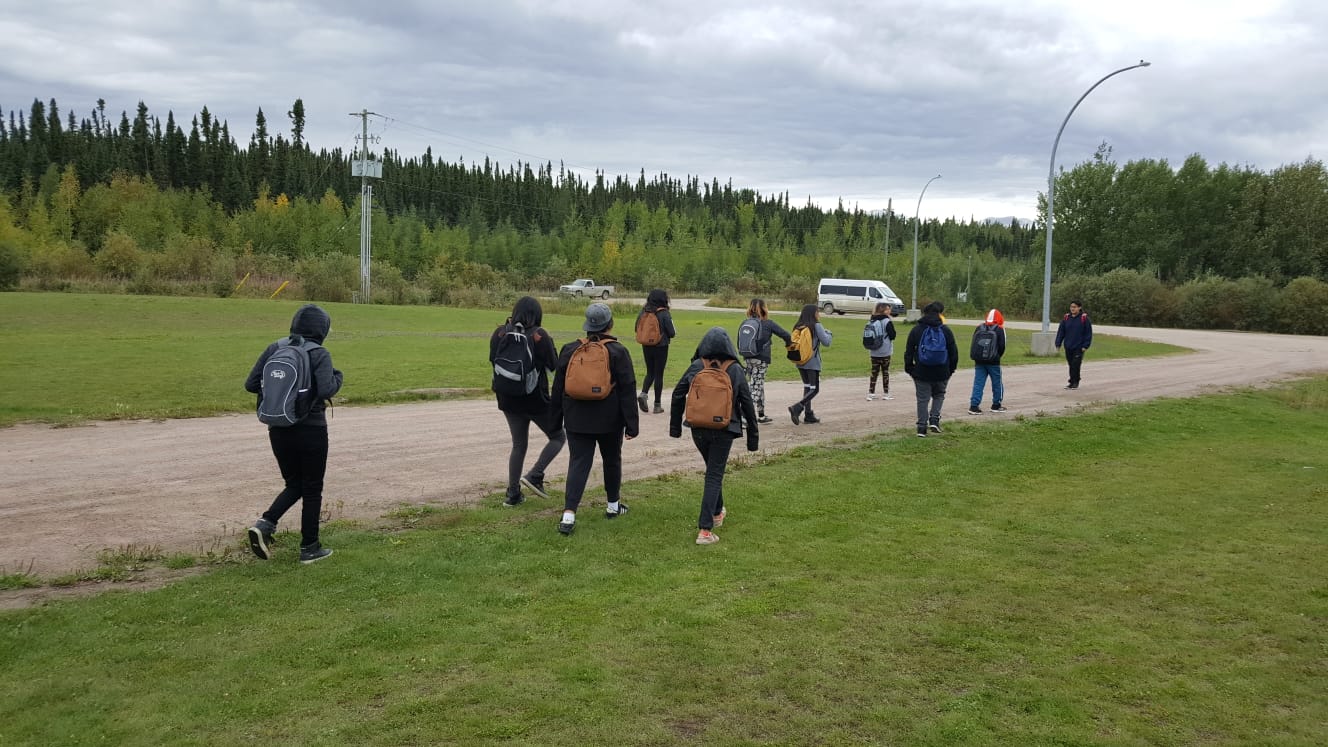
Students walk down a road wtih backpacks on

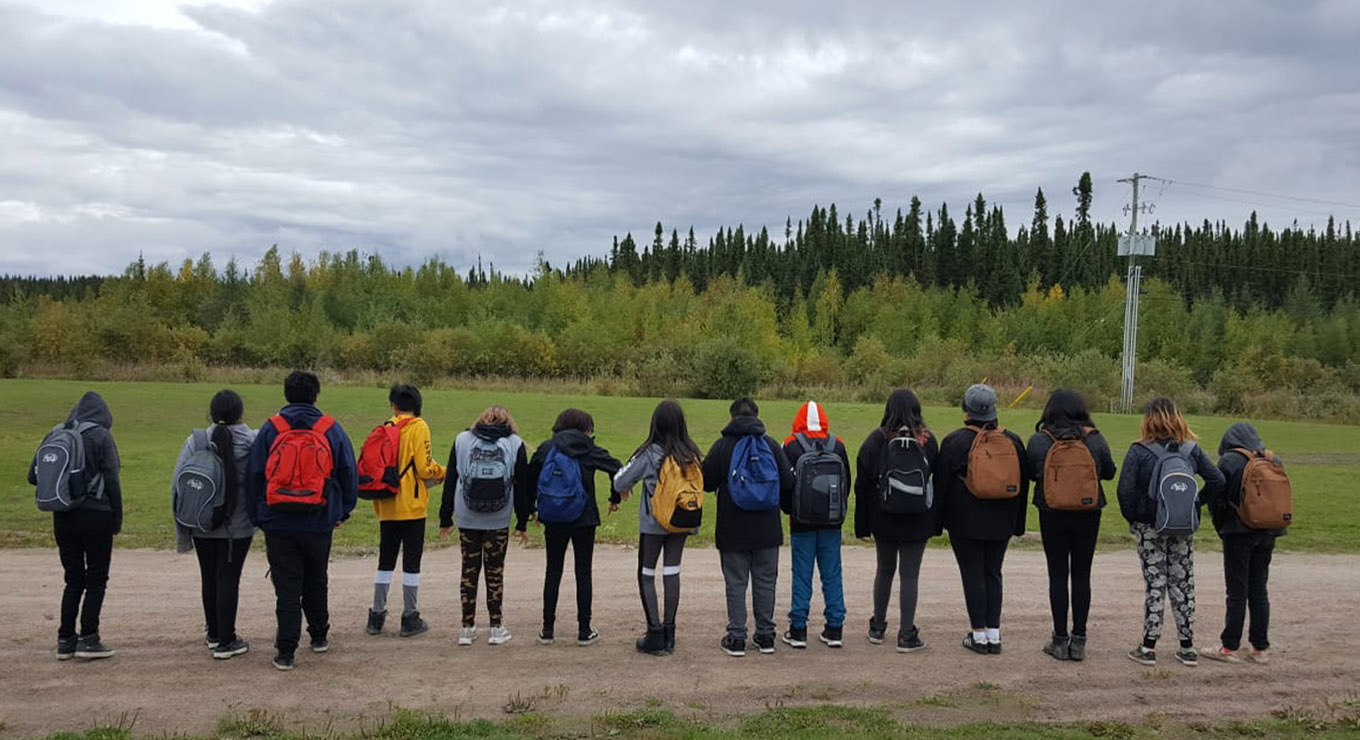
Students walk outside Deer Lake First Nation School with their new backpacks on.


After nearly six months of collaboration, 300 backpacks filled with school and hygiene supplies were ready to be sent to Deer Lake First Nation School. True North Aid trucked all of the bags to Thunder Bay, Ontario. Then, with support from North Star Air and with funds allocated by community leadership, they were flown straight to the community.


When school started this year, the backpacks were laid out in the main hallway of the school and the students were able to choose which one they liked. They were ecstatic!


Gurpreet noticed her students have a greater sense of agency since taking on the project to bring supplies to their school.


Now when Gurpreet walks to Deer Lake First Nation School she sees students racing up with backpacks on. They proudly hang them in their lockers. She says she has noticed the project gave her students a greater sense of agency. And when class starts, they are ready to learn with the supplies they need.

adfafda

A weekend adventure in the North

Posted by Meredith Stapon

Marsha King has been teaching grade 2 at Eenchokay Birchstick School in Pikangikum First Nation since September 2019. Marsha has 19 years of teaching experience and she is originally from Burlington, ON. She recently photographed a weekend adventure around Lake Pikangikum with colleagues. 


Living in the North offers some unique opportunities. I was able to travel with a group of teachers and our school nurse for a camping trip on Lake Pikangikum a few weeks ago. 


Since I have only been in community for about a month it was a little bit challenging to leave my schoolwork behind for a weekend and trust that my unit planning and lesson development would be enough…especially since I am teaching an entirely new grade level and division. But as a seasoned teacher, I also know that you could work twenty-four-hours-a-day, seven-days-a-week and still feel like there is more to do. So…I took the plunge and spent a few extra hours at school on the Thursday and Friday so that I could go on my weekend adventure. 


It was so beautiful paddling through the vast and largely uninhabited Lake Pikangikum. With the exception of a very rare cabin and trap lines, the only major dwellings were the community itself. For many kilometres, all you can see are beautiful trees, expansive rock faces, sandy beaches, marshlands and all the natural creatures that also inhabit these spaces. My favourite part about getting on the water is that I only had to walk five minutes to the lake to begin my trip! 


Once at the camp, my new friends and I cooked over an open fire and made our own paths in through the woods, watched a sunset and recharged. We watched seagulls pluck fish from the water and serve it to their family and we caught fish and ate them for lunch.  It was a nice breather from a week that was spent building routines, teaching lessons and helping a school community deal with the death of a student. 


Adventures in the North don’t always come your way, but if they do, I hope that I will always find the time to take them. I have a new appreciation for Pikangikum First Nation’s vast lands and I have a greater love for the staff that I get to work with every day and none of this would have happened if I hadn’t ventured out of the community. 

adfafda

Challenged Beyond Measure

Posted by Meredith Stapon

Marsha King will be teaching primary in Pikangikum First Nation starting in September 2019. Marsha has 19 years of teaching experience and she is originally from Burlington, ON.


Marsha packed up both her classroom and her house in preparation for her new life in the North.


As the plane landed on the tarmac in Thunder Bay, I felt my breath slowly return for the first time in several weeks. Life had been so busy in the days and weeks leading up to the Summer Enrichment Program I didn’t know if I was going to make it. Between finishing up exams and report cards, packing up both my classroom and my house and tying up the loose ends of my life in the South I was so tired but also anticipating my new life in the North.


Marsha was ready to become a student again for the three-week Summer Enrichment Program.


The amount of decision making I was doing was sometimes so overwhelming and many times I couldn’t look beyond the next hour. My family, friends and colleagues were all very kind and understanding, but the enormity of the life-change often left me in tears or wondering, “What have I done!?” But the moment I stepped off the plane all previous months of planning and preparation began to release from my shoulders. I could be a student for the next few weeks and my only responsibilities were to learn, grow and challenge my thinking.


The Teach For Canada team greeted teachers at the Thunder Bay airport for the Summer Enrichment Program.


Greeting us at the airport were the smiling faces of the Teacher Recruitment Managers and some of the staff of Teach For Canada. Also joining me were my fellow teachers, coming from every walk of life, from Prince Edward Island to Alberta and many points in-between and from many countries all over the world. We were all people who understood the enormous, life-altering decisions that we were making and yet still chose a life of challenge and reward over comfort and stability so that we could go and teach in Northern Ontario. It was almost an instantaneous connection with people I had never met. For the first time, I knew I was with people who truly understood both me and the journey that I was about to undertake.


Marsha has learned and unlearned a lot from the training, conversations, and visit to Ojibways of Onigaming First Nation.


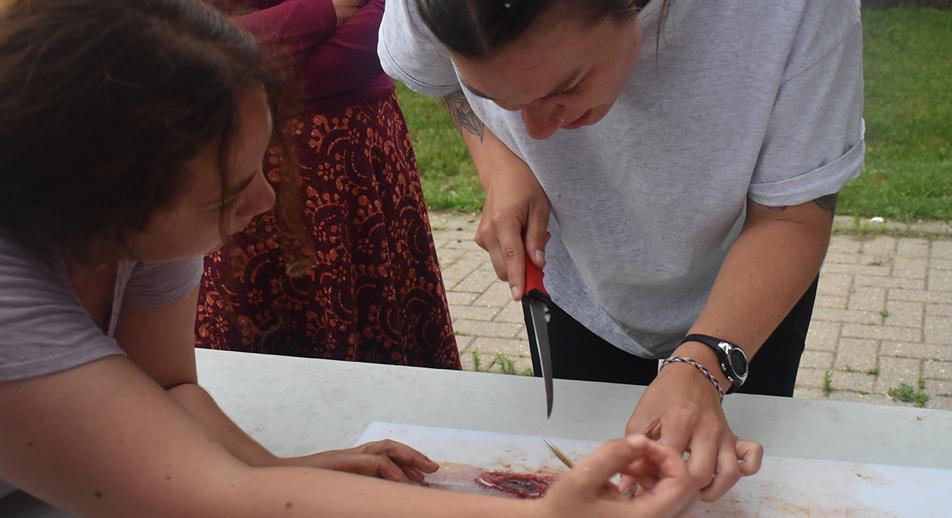
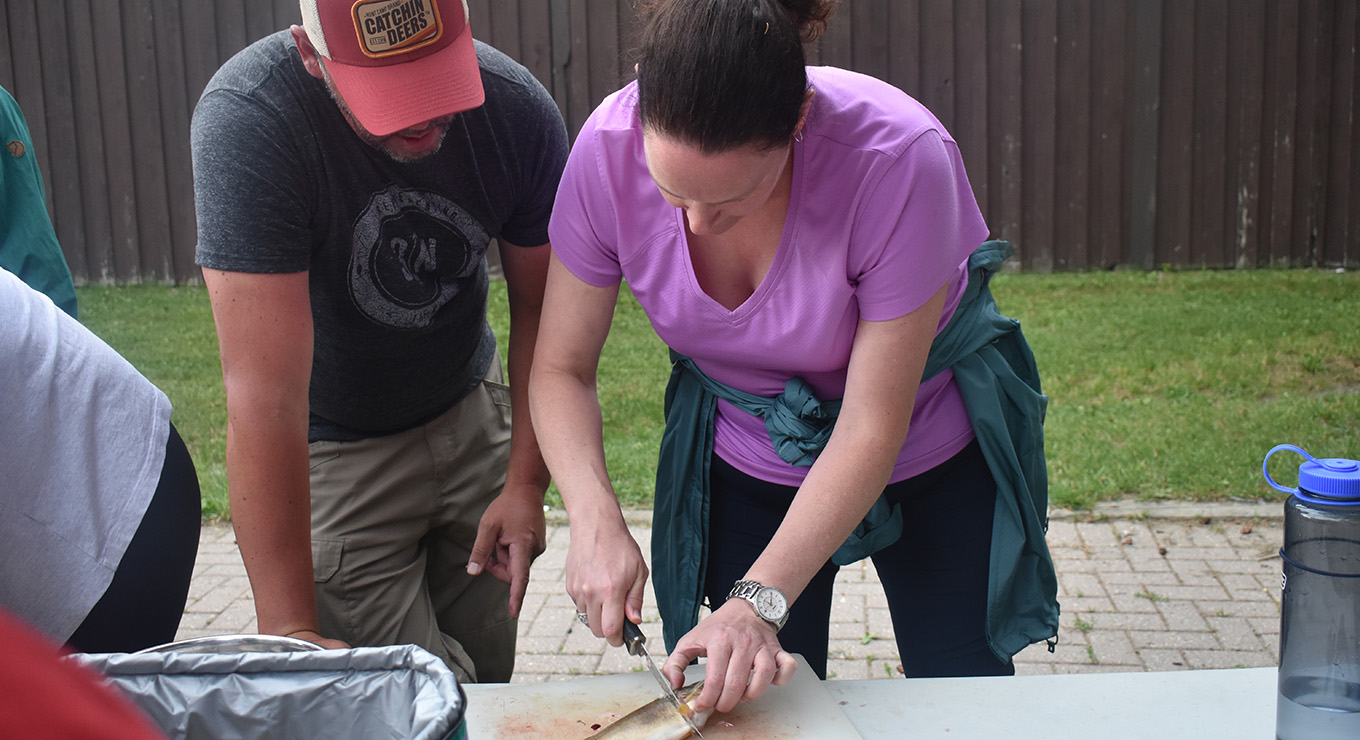
Although we are only one and a half weeks into our training, I have been challenged beyond measure. I am learning to rest in the unknown and lay aside my cultural biases. I have filleted my first fish, camped out of a tent, gazed at seemingly endless night skies with stars that have stretched beyond the horizon, met with Elders from all different walks of life, cooked bannock over an open fire, learned a lot, unlearned a lot more. I have met people from the community that I am going to work in and I have met people that I wish were coming to work in my community but are going to other points North. Most of all I, have grown, and we are not even through all of the training!


Marsha filleted her first fish while in Ojibways of Onigaming First Nation.


With a week and a half left, the anticipation, anxiety and unknowns have been replaced with an excitement that I can do this with the support of my cohort and the Teach For Canada staff and the support of my friends and family back home. Some of my questions have been answered, but there are some questions that will not truly be answered until I arrive in my new home. I have learned about the complexities, beauty, and resiliency of Indigenous Peoples in Canada, and I am looking forward to developing curriculum ideas and learning about resources and teaching that will work with my new classroom.


Marsha is ready to begin her journey North.


As I look forward to my last week of SEP, I am again humbled and honoured that this privilege of teaching in the North was bestowed upon me. The time, passion and wisdom that our leadership team brings to us is outstanding. The Lakehead campus is stunning with deer outside my window every day and rivers flowing through the campus. In the midst of one of the biggest life-changes I could ever make, I am finding a cocoon of safety and a place to breathe before I begin my full journey North. In a little over a month, I will step onto a different plane, but this one will take me far from home to places that I have never seen, but I am feeling more ready and hopefully, I will have another chance to pause and catch my breath.

adfafda

Making the decision to stay or go

Posted by Meredith Stapon

Choosing to teach and live in the North is a big decision. Teachers uproot their lives and start again in a new community. They make friends, form relationships with their students, and start to feel at home. Then, after completing their two-year teaching commitment, teachers are faced with another big decision: whether to stay or whether to go.

Contracts are offered to teachers annually by First Nations and Teach For Canada has seen 95% of the Teach For Canada teachers receive an offer for an additional year. Teachers often feel pulled to stay in the community and teach for another year or two (or more!) despite their initial commitment to stay for two years. Others decide to move on from the community they called home, and they do so with respect and appreciation.

Whatever their decision, Teacher Development Managers who support teachers through this process, know what it’s like to talk through these challenging decisions. We spoke to Teach For Canada teachers on why they made their decision to stay or to go in 2019. 


Natasha Davey was a former Teacher Development Manager and she spoke to teachers on their decision to stay or go.


Choosing to stay


As a Teacher Development Manager, I know that choosing to return to a community takes courage, energy, and reflection. Nearly one-third of all Teach For Canada teachers decide to stay beyond their two-year commitment. For Renee Connors, a teacher in Fort Severn First Nation, choosing to stay in the community was an easy decision: “I have felt so welcomed and supported in Fort Severn that deciding to come back was an easy choice,” she explained.


“The level of freedom I have to respond to my students’ needs and interests was a big factor. I love being able to change lessons last minute to align with questions they have asked, or take them outside for a walk when things are getting hectic, without all the red tape that exists in a city school. These is a sense of trust in a small community that is really comforting.”


Deciding to stay in Fort Severn First Nation was an easy decision for Renee Connors.


Similarly, for Tyler Allen, a teacher in Sachigo Lake First Nation, he and his wife Deb knew they made the right decision to stay another year. “Everyone has made us feel so welcome, the community has a very good work-life balance. Getting out on the land is also such a big part of life in Sachigo. And most importantly the children are the most amazing group of students anyone could ever hope to teach,” he told me.


The extra time has meant that Tyler can strengthen the relationships he’s building with students and community members: “I’m going to be spending more time with students who I will be teaching next year to further develop those relationships. I’ll be building and continuing to expand strong connections and relationships with colleagues and community members. And we’ve bought a truck for off-road adventures!”


Tyler and his wife Deb knew they were making the right decision by staying in Sachigo Lake First Nation for another year.


For others, like high school teacher Jenna Lawson in Sandy Lake First Nation, it took months to come to a decision. Jenna had already stayed beyond her two-year commitment and had to decide whether she would stay on for a fourth year of teaching.


“I applied for one job elsewhere. I didn’t get it, but I could have applied to more. I also applied for five different college programs,” she told me, explaining the process she went through to make her decision. “Finally, I decided that I would look further into post-secondary options and that I would spend at least one more year really focusing on making my initiatives at the school sustainable.”


Jenna has decided to teach for a fourth year in Sandy Lake First Nation. 


Jenna started an Outdoor Education program at the school in Sandy Lake First Nation, and while she is hoping to teach different subjects in the grade 9/10 division this September, she would like to be able to mentor the new teacher who will take over her initiative.


“The students have taught me so much about myself,” Jenna explained. “I am looking into pursuing further post-secondary education to explore different work opportunities.”


Jenna hopes to be able to support the new teacher who will take on the Outdoor Education program she started.


For others like Nolan Wurfel who is choosing to stay in the North to teach in another First Nation community, but who will be leaving Lac La Croix First Nation after two years, the decision comes with mixed feelings. “As I prepare to leave I try to ensure that I keep in touch with community members over the summer. I will be back in the North following my summer break, so I plan to attend the community Pow Wow to see community members that have come to feel like extended family,” he explained.


After teaching in Lac La Croix First Nation for two years, Nolan has decided to move to another northern First Nation.


“Heading home can be difficult at times and there is always an adjustment period, but that feeling fades and the positive memories and stories are often re-lived and shared with family members at home,” Nolan shared.


Choosing to go


Not all teachers decide to stay and continue to teach in the North as Renee, Tyler, Jenna, and Nolan did. Should teachers decide to move on from the community they called home for two or more years, they aim to do so with respect and appreciation. Teachers often make the decision to move home to be closer to family and loved ones.


Laura Muntean has been teaching in North Spirit Lake First Nation since 2017.


For Laura Muntean, who has been teaching in North Spirit Lake First Nation since 2017, it was a decision she made together with her partner: “When I first got involved with Teach For Canada, my partner and I discussed the length of time. While keeping an open mind for things to come on our journey, we agreed that two years would be the maximum amount of time that we could commit to as a couple.”


Robin Chamney has been teaching in Fort Severn First Nation since 2017. She is heading home to be closer to her family.


Robin Chamney in Fort Severn First Nation felt it was important to consult with her family and her Teacher Development Manager Dan MacDonald when it came time to make a decision. “I made a pro and con list and talked with my family and Dan before I finally made the decision. I am leaving for personal reasons – being closer to my family and making memories with them,” she told me. “So many good things are happening in Fort Severn, I do hope the connections I have made will continue.” 


Every teacher is different and I have heard many compelling reasons behind each teacher’s decision and how they came to it.


Preparing to leave


Once teachers have made the decision to leave, many begin to prepare to move away and sustain the initiatives they have started in their schools and the relationships they have formed. Laura Muntean, who is leaving North Spirit Lake First Nation after two years, described her strategy to me: “I am leaving supplies in the classroom, as well as a better-organized classroom. I have also mentioned to my school that I am open to providing ongoing support through email or phone calls next year to the future grade 1/2 teacher if it is needed.”


“I am currently preparing an Art Exhibit with some help from the other teachers this week, and I am hoping it will become a yearly tradition at the school. I’ve also spoken with community members and have expressed an interest to visit in the future if I was ever invited back by someone,” she said.


Laura is leaving supplies in her classroom and has offered ongoing support for the incoming teacher.


For others, like Ben Gallup who is finishing up his third year in Keewaywin First Nation, preparing to leave has been hard to balance with wrapping up the school year. “Unfortunately, due to the rushed nature of the end of the year, I felt I did not have enough time to fully prepare for the transition of leaving the community. Several community members told me that I’m always welcome back and I really do hope I get the chance to return some day. I hope to stay in touch with at least some them over Facebook.”


Ben hopes to be able to return and visit Keewaywin First Nation in the future.


For many teachers, keeping in touch with students and friends in the community when they leave is the biggest priority. Ashley Vandenberg in Lac Seul First Nation told me, “I would love to maintain relationships with my students. I’m curious and excited to watch them grow and succeed – where will they be in 10 years? I have many parents on Facebook so I can keep in touch and stay updated with pictures but I’m also hoping to come back next year and visit for a week or two. It’s bittersweet to leave a community that I’ve called home for the last couple of years.”


While Ashley is leaving Lac Seul First Nation after two years, she looks forward to updates on her students.


Making your decision


Here are some of my quick tips when making your decision to stay or go:


adfafda

I moved to a First Nation with my mom: What I want other kids to know

Posted by Meredith Stapon

Symphony is nine years old and has been living in Deer Lake First Nation since September 2018 with her mom Chanequa, a Teach For Canada teacher. Symphony wanted to share her experiences with other children who may be moving to a northern First Nation with a parent through Teach For Canada. In this blog post, Symphony shares all of the things that make living in Deer Lake First Nation “super special and awesome” and gives five pieces of advice to other children about how to make the most out of a new experience. 


Symphony moved to Deer Lake First Nation in September 2018 with her mom, Chanequa, a Teach For Canada teacher.


Last year my mom talked to me about moving to a First Nation reserve and my first thought was that “it’s going to be fun”. I did not realize that there was going to be problems with getting things I’m use to like food and water. Now that I have been here for almost one whole school year I’ve gotten use to living in the North so I want to share with other kids what kind of things they can expect and what my experience has been like so far.


When my mom and I discussed coming to the North she said that I could bring my puppy River with us. She’s a beagle and she is really cute. If I could speak for River I would say she really loves life on the reserve. She gets to run around and play with other dogs all day long. We stopped taking her for walks because she loves to run and smell the earth and other scents.


For Symphony, bringing her puppy River was an important part of making the transition to a new community and school.


My school is beautiful, and sometimes River comes to visit me at recess when she’s outside. I love playing outside at recess, and in the forest after school but if I had to choose my most favourite place in my entire school, I would say it’s the library. I love doing research, especially about topics related to science and so when I’m in the library I can spend a lot of time doing that. It is also quiet and peaceful and there is not a lot of people in there most of the time. I also enjoy having Native Language class, but sometimes I wonder if it will be hard for me to switch back to French when I go to school in the south.


The most interesting thing about my experience at school this year is that my mom is my teacher. Sometimes I love it but other times I do not like it at all. Having my mom in my class has made it easier to make friends because she is always there to support me. Early in the school year, I asked my mom if I could have a sleepover with some of my friends from class and she said, “yes”. She also told me that I would have to ask the principal for permission. He said “yes” and that was the moment when I started to make strong friendships. I’ve had many sleepovers this year and I thank my mom for allowing me to have friends over so I’m not as lonely.


Symphony likes exploring nature with her friends and mom around the community.


Some of the things my mom and I spend time doing after school, on the weekends and during school breaks and holidays are community walks, cooking, baking and creating things together. A few weeks ago we built a wall with rocks around a fire pit near our home and some of the kids in the community helped us out. We recently started making a path with fallen trees and broken tree trunks in the forest area behind our home and I love exploring with my mom and my friends when they come over.


Shopping for food is different in the North because my mom is only able to go to one grocery store, and at the beginning, we were both vegetarians. My mom is still a vegetarian, but she has tried some traditional food like moose meat, but I love meat now so my mom tries to buy the things I want to eat. I enjoy cooking with my mom so much because we have made some cool dishes and she lets me bake whenever I want to. Most of the time we can find the supplies we need at the grocery store, but if it’s not there my mom will order what we need from Walmart.


Symphony has made many friends in Deer Lake First Nation and likes having sleepovers.


The thing I miss most about the south is being able to buy almost anything I want to eat and going to restaurants. In Deer Lake First Nation there are places to buy food and snacks and I love when my mom buys treats like Oreo cheesecake and slushies for me and my friends. It’s also fun to go on Facebook to see who has special treats for sale in the community. Every week it’s like a different surprise menu.


My mom and I only left Deer Lake once since we came here, and that was recently when we went to Red Lake for my mom to meet her teaching mentor. I really enjoyed that trip and meeting other students who were so friendly to me. Even though my mom and I stayed in Deer Lake over the holidays, New Years and March break we were busy. We found many things to do like participating in the community’s annual Christmas feast and television station games and gift giveaways.


Symphony is a bit worried about leaving Deer Lake First Nation in the future because she will miss her friends.


Now that the school year is almost over, I’m looking forward to travelling south for the summer. Another thing that I think about is how moving in the future might be scary. I made some friends but I don’t want to leave them behind. When I spoke to my mom about this, she told me that I shouldn’t fear losing my friends because I could see them in the future.


So, while I keep making friends here, learning at school and outside from the land I am keeping track of all these memories with photos and videos. The big project I am starting now is my own Instagram account where I can share with my family and friends the things that make living in a First Nation reserve super special and awesome.


Symphony wanted to leave readers with five important things for kids to know before they move to the North.


I hope you enjoyed reading about my experience in the North and if I could recommend one thing it would be to make the best out of your own experience. You can do that by thinking about these five important things before you move:


Five Important Things for Kids Moving North

1. Bring your pet if you have one
2. Don’t bring too many toys because there are lots of things to do in nature
3. Go outside as much as you can
4. Have family dinner time without technology
5. Don’t be afraid to try new things

adfafda

Teacher Feature: Pauline Davis

Posted by Meredith Stapon

Pauline Davis has been teaching high school in Grassy Narrows First Nation since September 2017. Pauline has a Diploma in Teaching from Moneague Teachers’ College, a Bachelor of Arts from the University of the West Indies, and both a Master of Science in Educational Leadership and a Master of Science in Language Arts and Reading from Central Connecticut State University. Pauline has nearly 25 years of teaching experience. Pauline and her husband Oral are both from Jamaica and settled in Canada in 2013. 


Pauline and her husband Oral took on a big adventure moving North to Grassy Narrows First Nation in 2017.


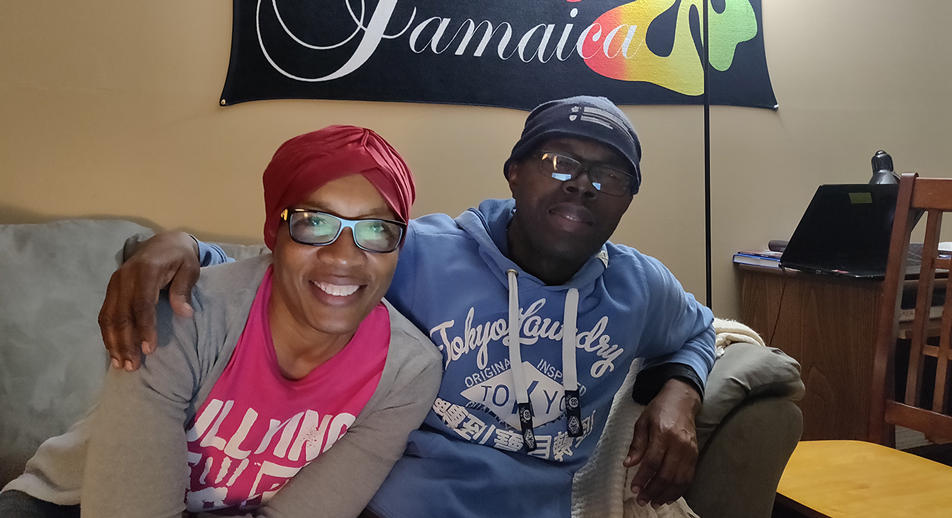
Pauline Davis likes to build bridges between destinations, and with people and cultures, which is fitting since her roots originate on the island of Jamaica. How Pauline and her partner, Oral Davis, built their latest bridge to Grassy Narrows First Nation is a long-time journey in the making.


Pauline and her husband Oral decided to move to Canada permanently in August 2013.


Pauline and Oral both had professional teaching experience in Jamaica and had visited Canada several times since the 1980s because Pauline had a sister and other relatives living in the greater Toronto area.  The Davis’ decided to move permanently to Toronto and call Canada home in August 2013. While the move to Canada was considered a permanent change, Pauline continued to travel back and forth to Jamaica for personal and professional reasons.


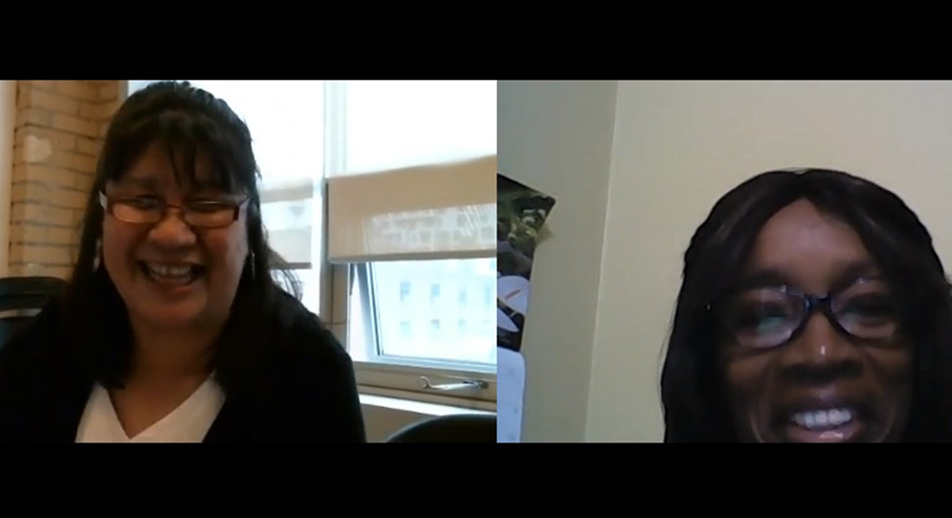
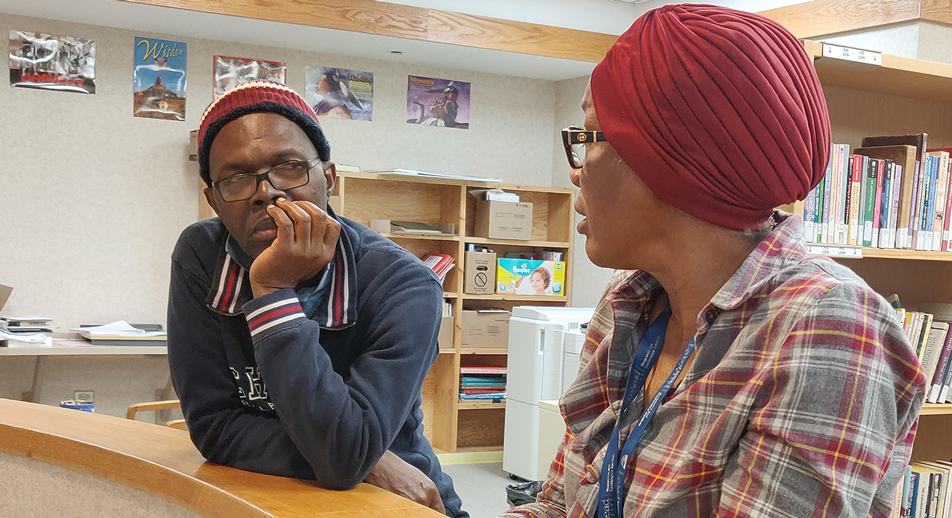
Pauline interviewed with education leaders from partner First Nations, like Nancy Waswa from Eabametoong First Nation.


It was only when Pauline discovered Teach For Canada in 2017 that she began to feel settled in Canada. The opportunity to teach in Canada was finally going to become a reality. Pauline remembers how Teach For Canada’s response to her application gave her confidence and hope about her career here. She made it through what she describes as Teach For Canada’s “unique process with rigorous interviews,” which helped make sure Pauline was truly prepared to teach in the North.


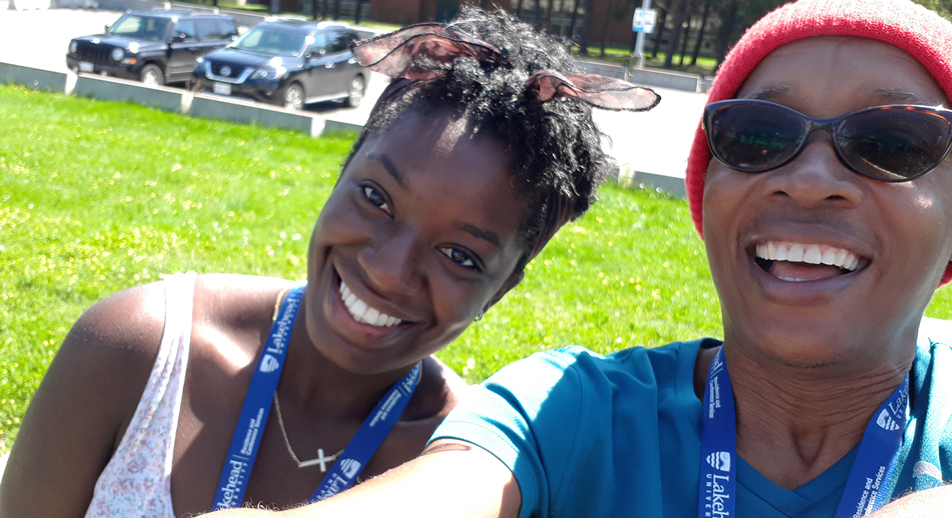
Pauline met another Teach For Canada teacher from Jamaica, Aissa, at the Summer Enrichment Program (SEP).


When Pauline headed to Teach For Canada’s Summer Enrichment Program (SEP) she flew Porter and discovered the Toronto Island Airport for the first time. It would be the start of many new “firsts” for Pauline. While she was waiting to depart for Thunder Bay, Pauline had the good fortune to bump into another Jamaican teacher and successful Teach For Canada applicant, Aissa.


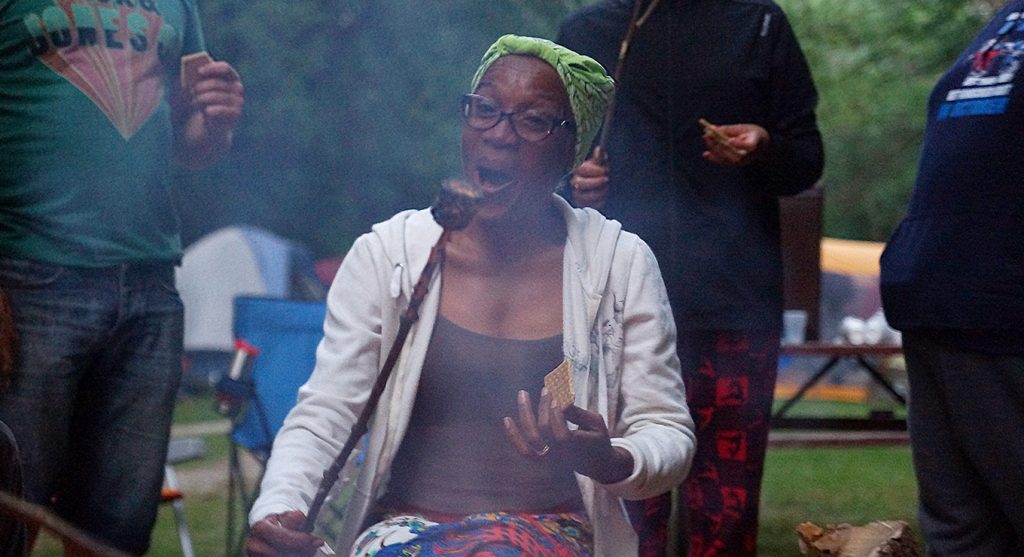
Teach For Canada teacher Pauline Davis tries a roasted marshmallow for the first time

Pauline experienced many “firsts” during SEP, including trying her first roasted marshmallow.
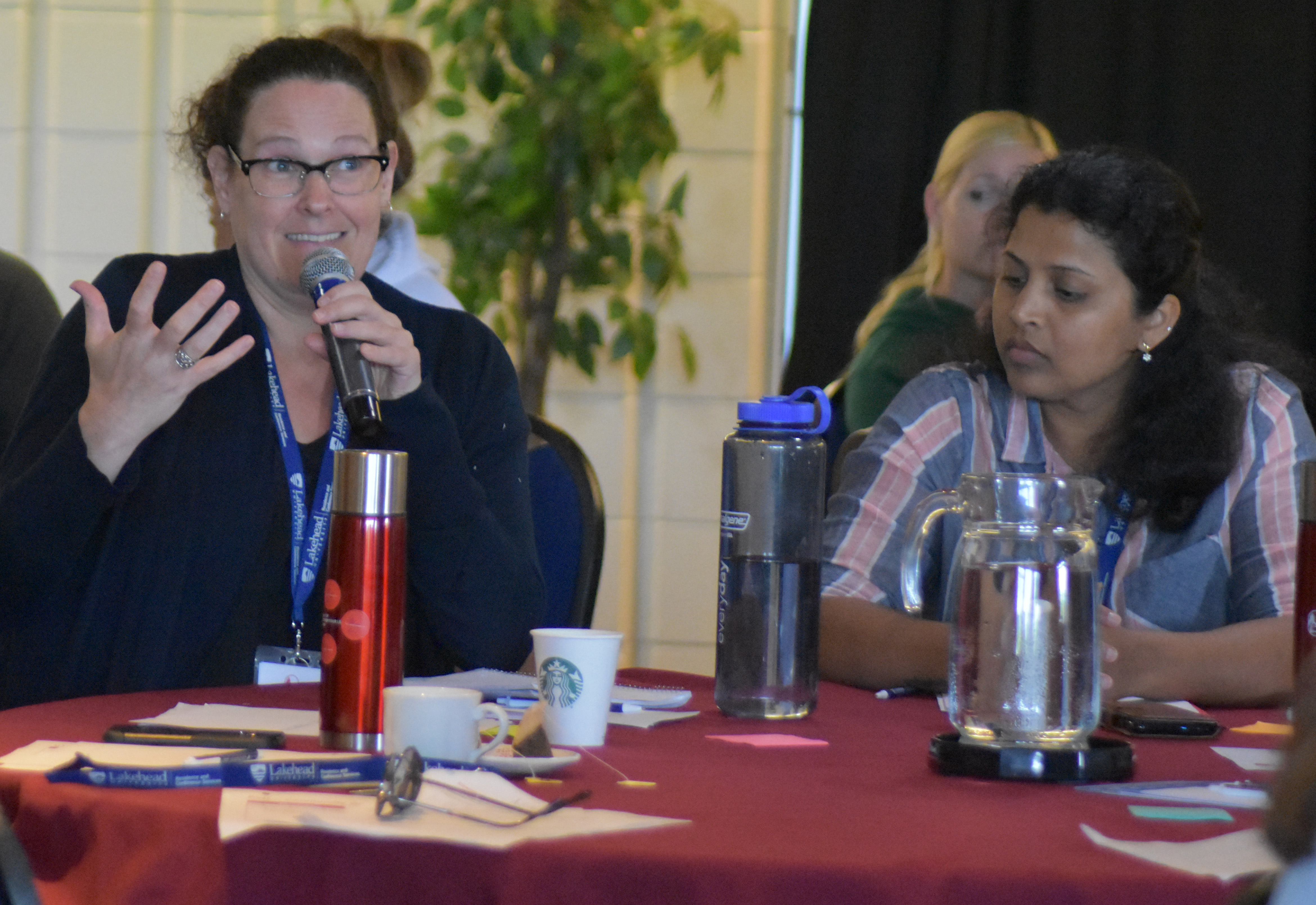
 

She also realized that many aboard her Porter flight were also headed to SEP, including a Teach For Canada staff member who helped with the recruitment process, which made for good company. She had read the teacher profiles for her cohort, which had been sent out in an email in advance, and gave her the confidence to continue her journey.
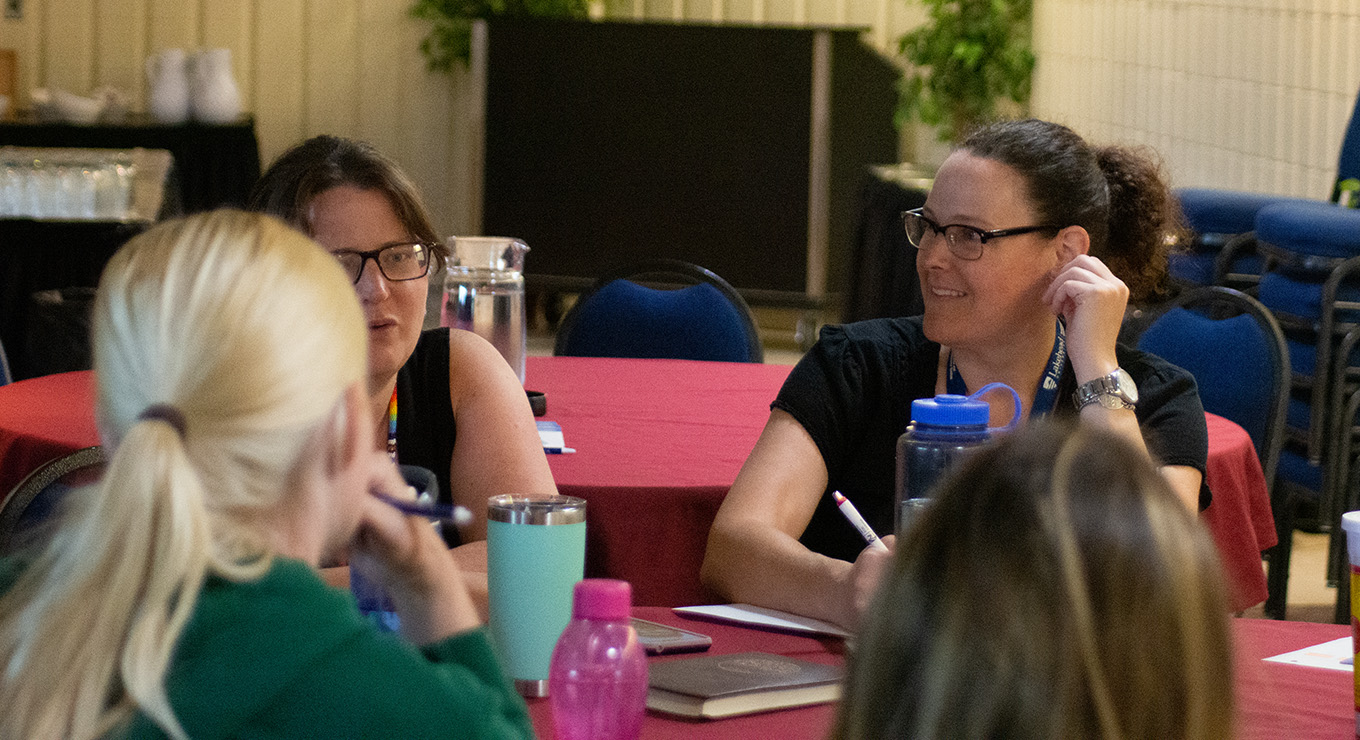


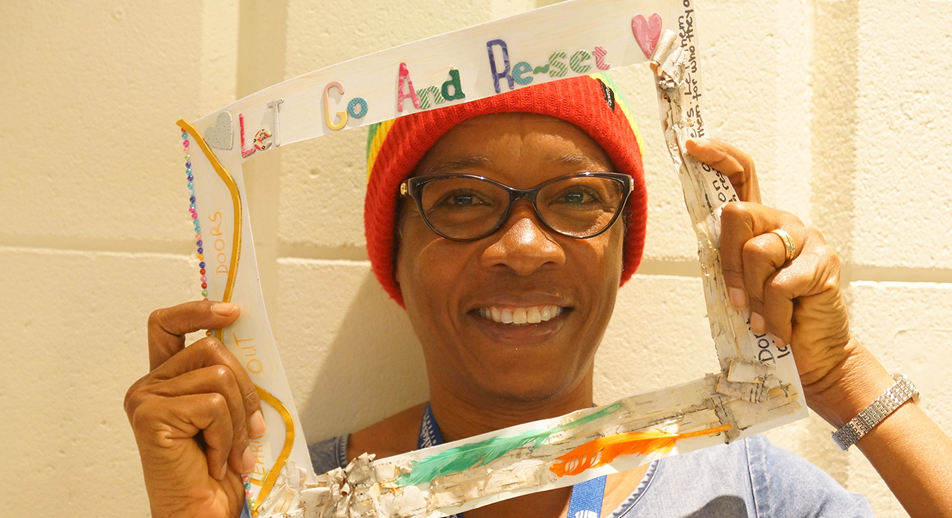
Pauline set her intention to “Let go and re-set” at SEP as she looked forward to the next two years.


The SEP training “was surreal” for Pauline. She remembers thinking: “Do I really know what I’m getting myself into?” But Pauline used the SEP experience to remain flexible and adjust her perspectives as she learned more about First Nations. She reminded herself to be open, flexible and adjust to situations quickly. She knew a good way to learn was to observe a lot.


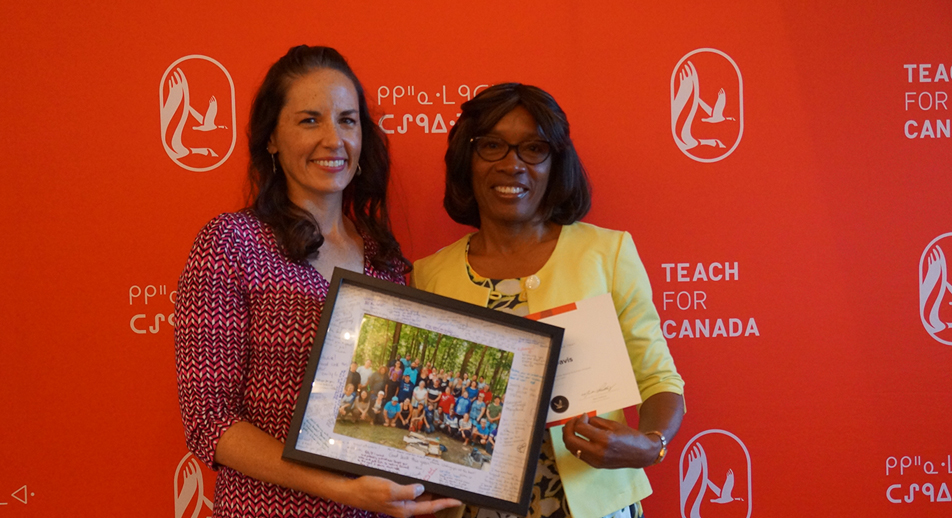
Pauline with Teach For Canada’s Director of Teacher Development, Liz Halina during the 2017 SEP closing ceremony.


This perspective continued to benefit Pauline when she moved to Grassy Narrows First Nation. Pauline admits she “didn’t see the whole picture” of going North, and knew of some of the stereotypical views some of her acquaintances held about it. Having first-hand experiences in the community really pressed upon her the value of seeing things for yourself. Pauline is proud to share her experiences and stories to change people’s perspectives.


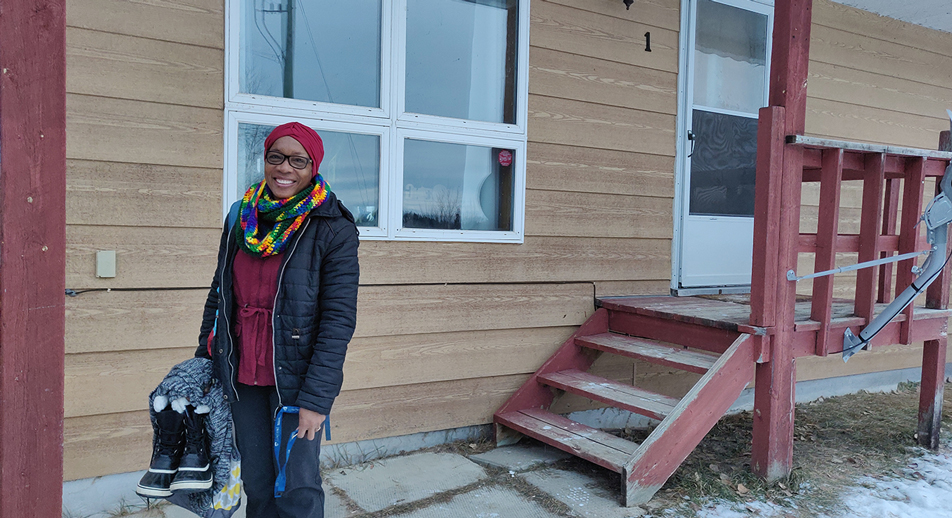
Pauline Davis stands outside the teacherage in Grassy Narrows First Nation.

Pauline stands outside her teacherage in Grassy Narrows First Nation.


As for her husband Oral, he decided to resign from his job in the private sector and come with Pauline on her adventure. Soon after arriving, he was offered a job at the school in Grassy Narrows First Nation. He was happy to work in education again. The Davis’ had become more than just partners in Grassy Narrows First Nation – they were now professional colleagues.


Pauline and her husband Oral both work at the school in Grassy Narrows First Nation together.


While it hasn’t always been easy, Pauline often reminds herself: “Why am I here? – my focus is on the students and giving my best to them.” She reflects at the end of each day and knows not to focus on the negatives. While she doesn’t ignore them altogether, she chooses to highlight the positives, which helps overcome the heavier stuff. Oral agrees, saying: “Even though there were some challenging experiences while working for the school, it has been a great opportunity to contribute to the school environment in a positive way.”  


When Pauline faces challenges, she focuses on giving the best of herself to her students.


Both Pauline and Oral learned that the best way to connect with students was to meet them “where they are.” When Pauline realized students were discouraged by corrective feedback and marks, she encouraged them to focus on writing drafts, revisions, and re-writing instead.


Pauline and Oral set up a Jamaican booth during their first Culture Day.


As for making a home in Grassy Narrows First Nation, Pauline and Oral have found it important to participate in community events and activities as much as possible. At their first Culture Day, they both set up a booth to share Jamaican culture and food. Pauline also took part in a sewing class held at the school where she learned how to make her own ribbon skirt. 


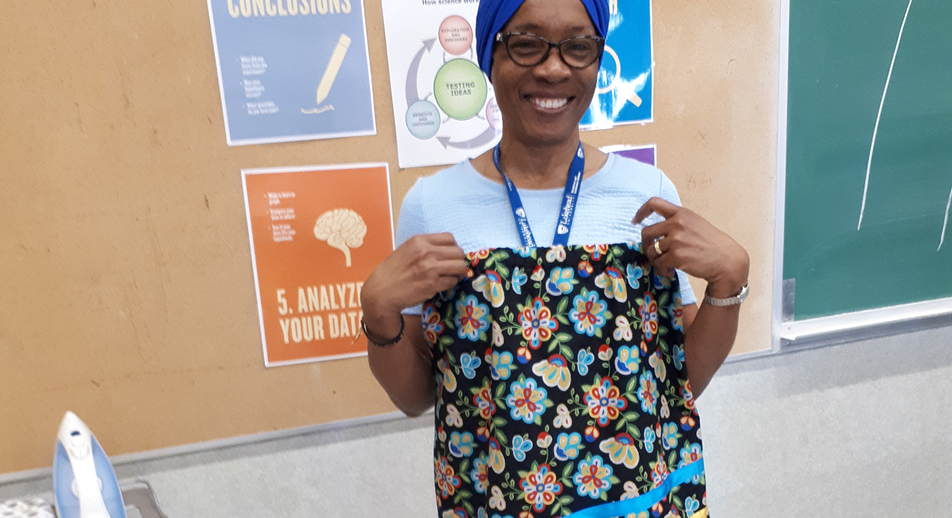
Pauline attended a local sewing class and learned how to make her own ribbon skirt.


Pauline loves the community’s beautiful outdoors and says it is therapeutic in helping her recharge and find balance with her work. Whether she goes out onto the lake, or spots a bear or a fox, “it gives you a thrill” that can become moments she shares through pictures with family or friends. She’s also forged a close friendship with fellow Teach For Canada teacher Aissa, whom she first met at the Toronto Island Airport, despite the fact that she teaches in another northern community.


Pauline and Oral have found a home in Grassy Narrows First Nation.


Pauline continues to challenge herself in a new environment and looks for opportunities to push her limits while living and teaching in Grassy Narrows First Nation. “I like it because I grow,” she says.


adfafda

Alumni Feature: Brenton Inglis

Posted by Meredith Stapon

Brenton Inglis is a Teach For Canada alumni who taught grade 2 in Deer Lake First Nation from 2015 – 2017. He has a Bachelor of Arts from Wilfred Laurier University and a Bachelor of Education from the University of Toronto. Brenton spent a year teaching English in Korea prior to going North. Hailey Appleton, his partner and fellow teacher, was also matched to teach in Deer Lake First Nation. Over the last two years Brenton he has been living and working in Toronto. He is currently teaching grade 5/6.


Brenton visiting Lac Seul First Nation during the Summer Enrichment Program in 2015.


Teach For Canada alumni Brenton Inglis returned to Toronto nearly two years ago after completing his two-year teaching commitment in Deer Lake First Nation. For Brenton, not a day goes by when he does not think of his experience or the people he formed relationships with.


Brenton taught grade 2 at Deer Lake School from 2015 – 2017.


Brenton fully immersed himself into the close-knit community – committing to learning to speak Oji-Cree, for example – and he was later accepted into a local family. He spent a lot of time outdoors with his students and with other community members. “I have never called a place home like I did up in Deer Lake,” Brenton explained. “When you make real connections with people, especially in a small town, you carry those connections with you.”


Brenton spent a lot of time enjoying the outdoors nearby Deer Lake First Nation with friends in the community.


Transitioning back to Toronto has been a challenge. Brenton sometimes finds it hard to speak about his time in the North, because it can be difficult speaking to others who haven’t shared his experiences. When he first came home, he felt like he was on The Truman Show, a movie where the main character’s life was actually a staged reality show unbeknownst to him.


For Brenton, it felt like his life in Toronto was a staged reality show, compared to how simple and natural his life had felt in Deer Lake First Nation. This is a common feeling for people experiencing re-entry shock (also called reverse-culture shock), which some people experience after they have returned home from living in a different culture.


Brenton with children in Deer Lake First Nation.


Brenton managed to bring a little piece of his second home back with him – his dog Coby from the North. “Coby is brilliant, always excited to see me, loyal, and can sleep in minus 100 degrees Celsius,” Brenton boasted. Coby is often a much-needed reminder of his life in Deer Lake First Nation.


Now with the Toronto District School Board, Brenton is using what he learned in the North in his new role. He teaches his diverse class of students about Northern Ontario and connects them with resources to learn about Indigenous cultures.


Brenton sewing a mocassin

Brenton learning how to sew moccasins at the Summer Enrichment Program in 2015.


He utilizes the Seven Grandfathers Teachings and has taken his students on a field trip to the Urban Indigenous Education Centre. His students were able to ask questions based on what they had learned in his classroom. He proudly displays his handcrafted moccasins made by Madeline Meekis for Brenton as a parting gift, and a pair of gloves given to him by Roland Pemmican.


For Brenton, teaching in the North was an opportunity to grow personally and professionally: “When it got bad, if I was lonely, I would know that my experience was still about growing through hardships. Teachers will become better people, they will know more about themselves if they have this experience,” he said, offering advice to future teachers going North.


Brenton with Cynthia Wesley-Esquimaux, Chair of Truth and Reconciliation at Lakehead University and Teach For Canada board member.


“You will become a great educator, you will get many opportunities afterwards because of your experiences. I couldn’t have asked for better students in Deer Lake. Sometimes I wish I could teleport back up there,” he shared.


Brenton is looking forward to reconnecting with friends on an upcoming fishing trip.


Brenton does his best to stay connected to Deer Lake First Nation. He is planning a fishing trip with his friends in the community for this summer and looks forward to returning “home.”

Celebrating 10 Years of Gakino’amaage | Strengthening education for generations to come. Explore Our Impact Goose Icon
This is default text for notification bar