
adfafda

Teacher Feature: Aissa Atkinson-Davis

Posted by Meredith Stapon

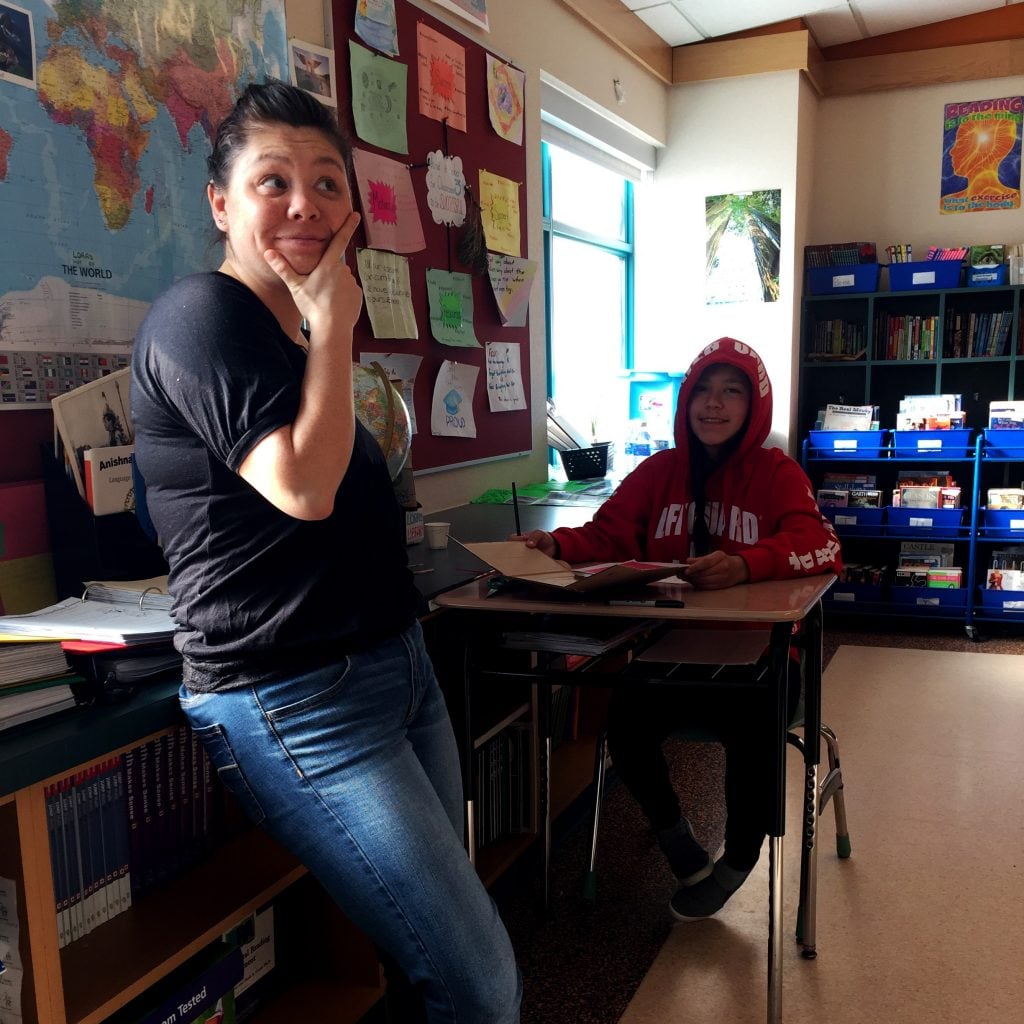
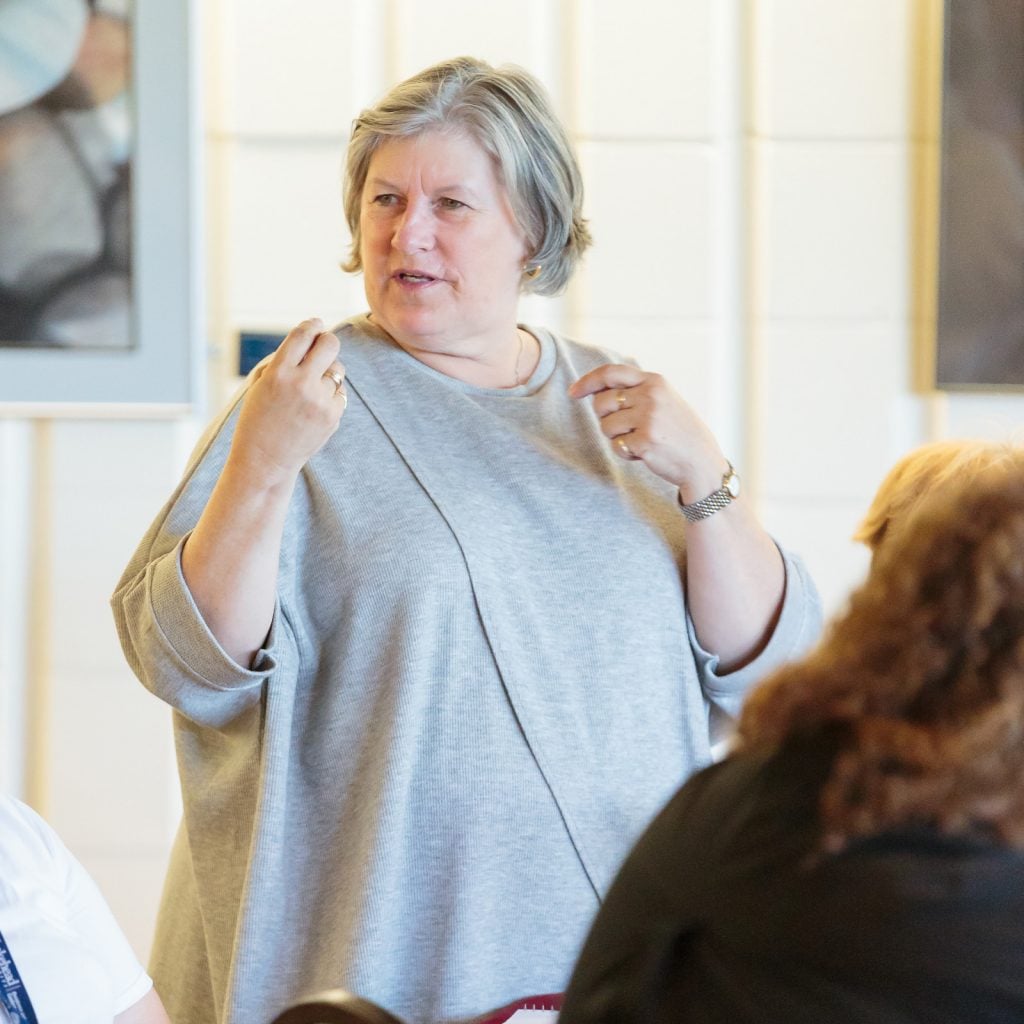
Aissa Atkinson-Davis started teaching grade 9 at John C. Yesno Education Centre in Eabametoong (Fort Hope) First Nation in September 2017. She teaches Locally Developed English, Exploring Family Studies, and General Learning Strategies. Aissa completed her Bachelor of Education at Mico University College, Jamaica. She is originally from Jamaica.
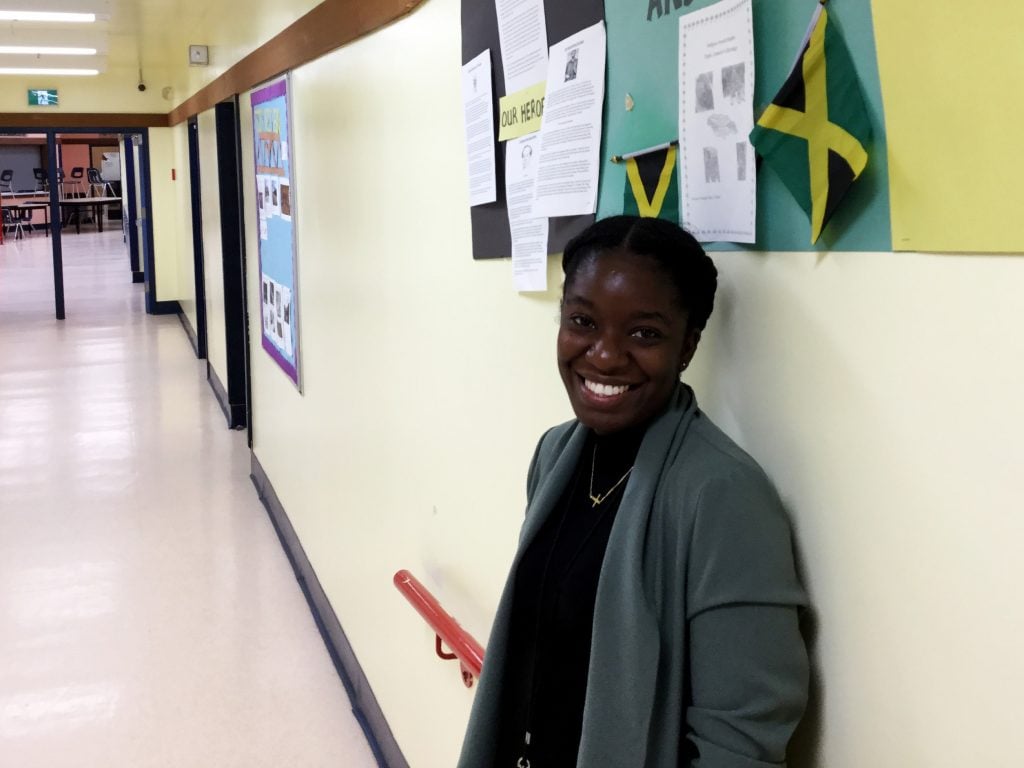
 

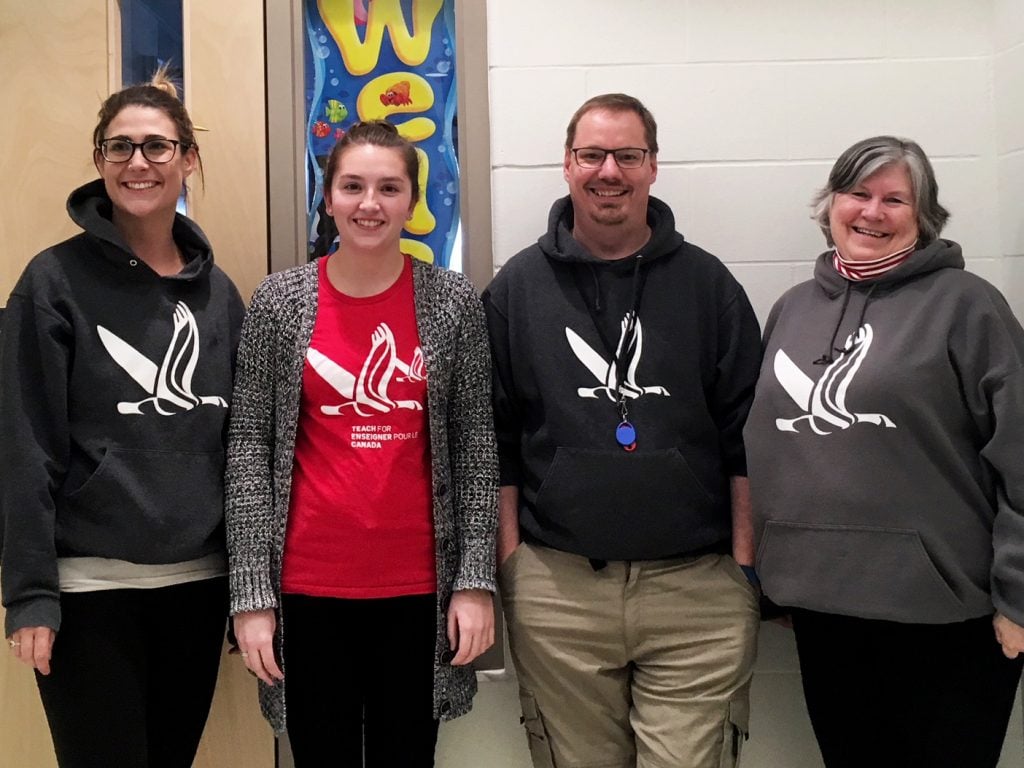
Teach For Canada Teacher Aissa Atkinson-Davis in the school hallway at John C. Yesno Education Centre

Teacher Aissa Atkinson-Davis in the school hallway at John C. Yesno Education Centre


Aissa’s transformative journey to Eabametoong First Nation, a welcoming, fly-in community in northern Ontario, started when she first left her native island of Jamaica in September 2013. At the time, she was living with her parents and raising her one-year old son Tymor Junior, or “TJ” for short.

Aissa remembers her first Canadian winter storm: “It was horrible! At the time I was staying in Brampton and working at Winners, and I was on the closing shift. It was around 10pm, and when I went outside, it was like an ice rink. I wanted to cry”.
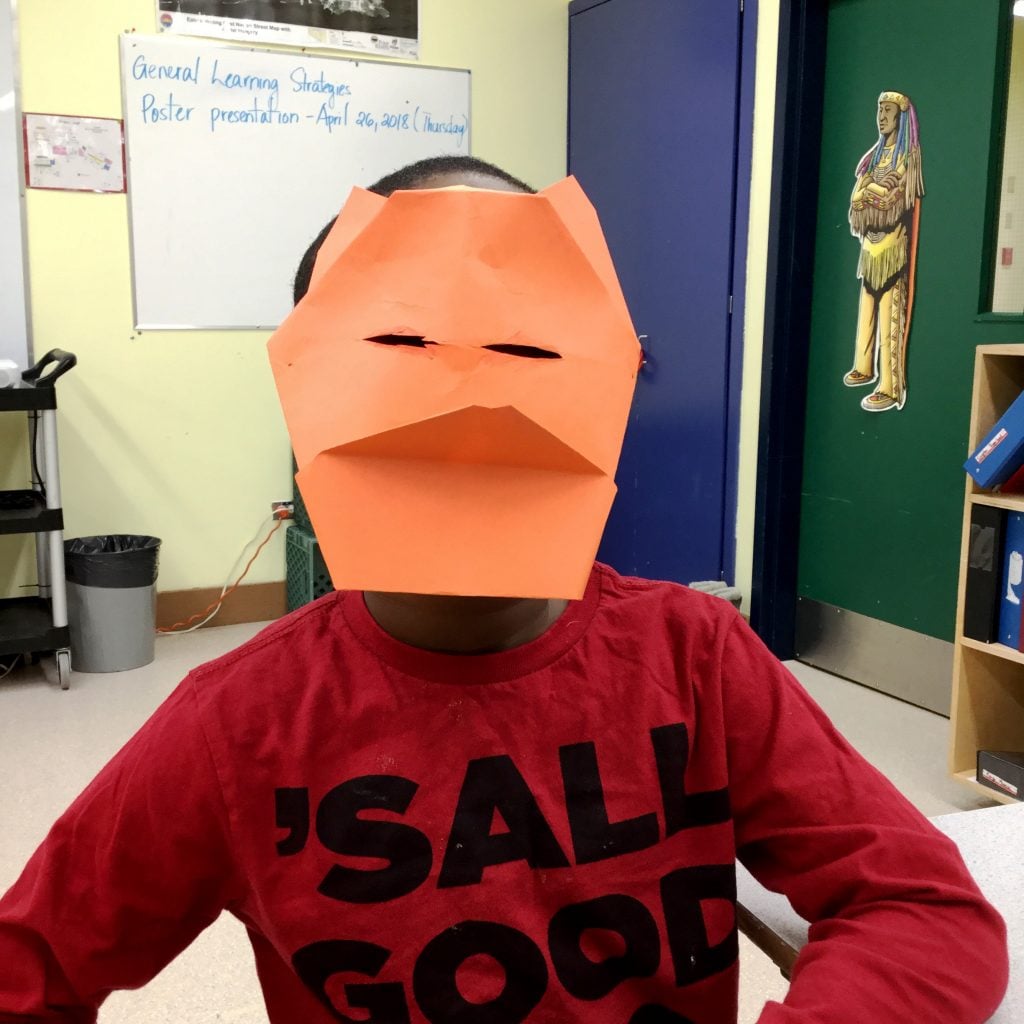
 

TJ plays around in Eabametoong

TJ plays around in Eabametoong


TJ, now six years old, remembers a particularly bad storm during his third Canadian winter. He stated matter-of-factly: “I really want to go back to Jamaica now.” However, they both toughed it out, and another winter passed. Aissa soon began tutoring during her free time from a call-centre job. She landed a private school teaching position for new English language learners in March 2016. Eventually, she found out about Teach For Canada through her sister (also a teacher, now teaching with the Toronto District School Board), who told her to apply for teaching positions in First Nations.
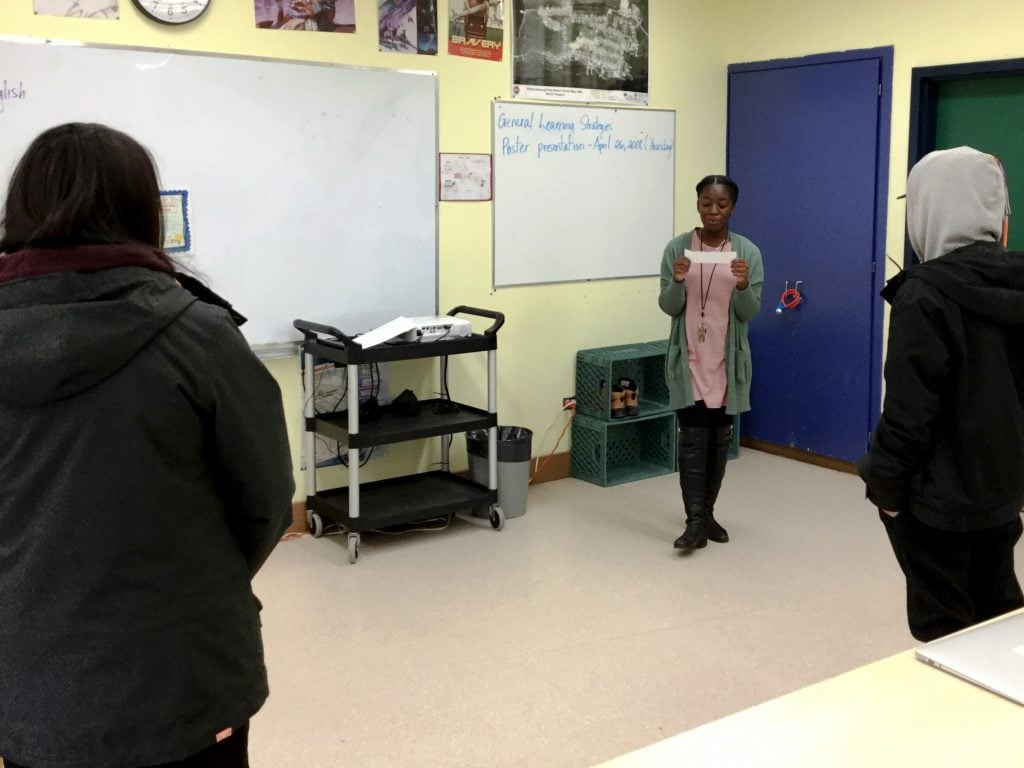
 

Aissa teaching in Eabametoong First Nation

Aissa teaching in Eabametoong First Nation


Aissa applied to Teach For Canada in March 2017 and was happily surprised to hear that she was selected for the initial interview, then the second round of interviews. While applying, she spoke with her husband about her apprehensions. “I was so anxious, so scared because I’d heard the stories about the North, and they weren’t all good. And I was worried about TJ fitting in,” Aissa confided.
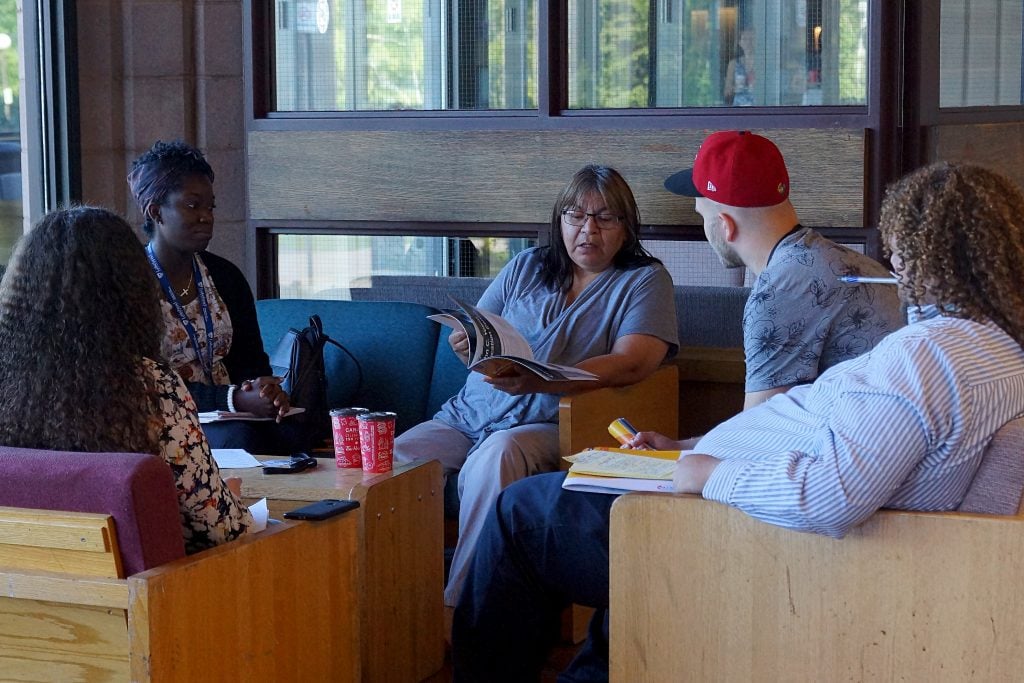
 

Aissa and other teachers going to Eabametoong ask future colleagues questions at the Summer Enrichment Program

Aissa and other teachers going to Eabametoong ask future colleagues questions at the Summer Enrichment Program


While she worried and wondered what it would be like, she also recalls turning to her faith and praying a lot to overcome her fear as she admitted to being, “Scared out of my mind.” After the Teach For Canada interviews, Aissa called the recruitment team and asked what it would be like to bring her son to the community. She was advised to call her employer, Eabametoong First Nation, directly and ask the Education Director, Nancy Waswa.

When Aissa called, she asked, “Will my son be able to go to school? Will my husband be able to work?”

Nancy was very positive and accepting of Aissa’s situation. But Aissa still hoped for more information to make such a big decision for her son. She wished she could ask other teachers who were parents in the North. She began to realize she was breaking new ground with Teach For Canada, as they didn’t have a teacher in a similar situation with whom they could connect her. This made Aissa feel both nervous and proud.
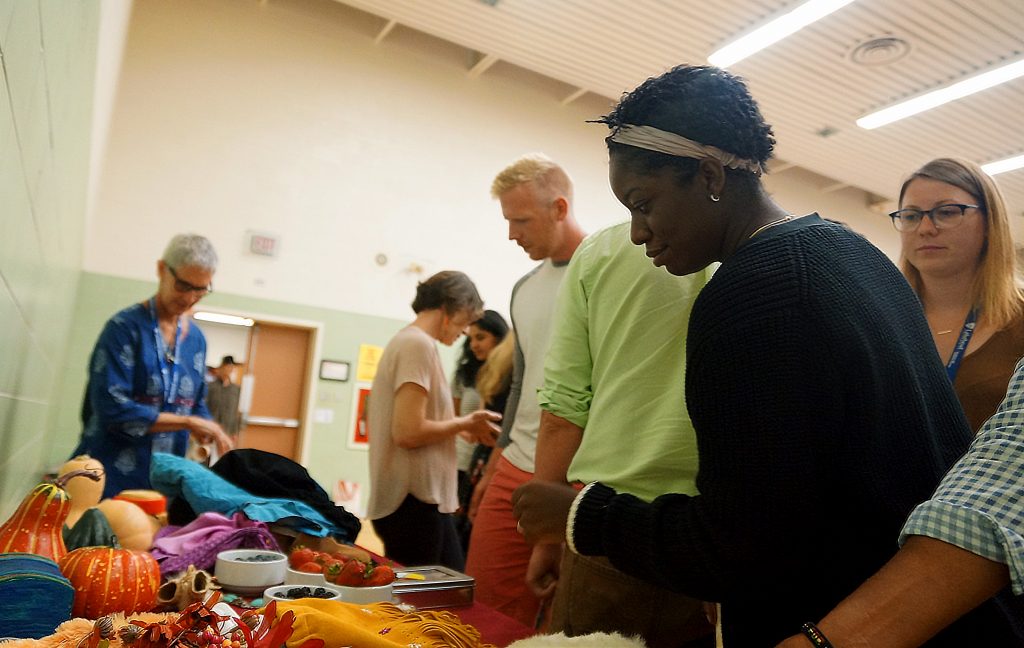
 

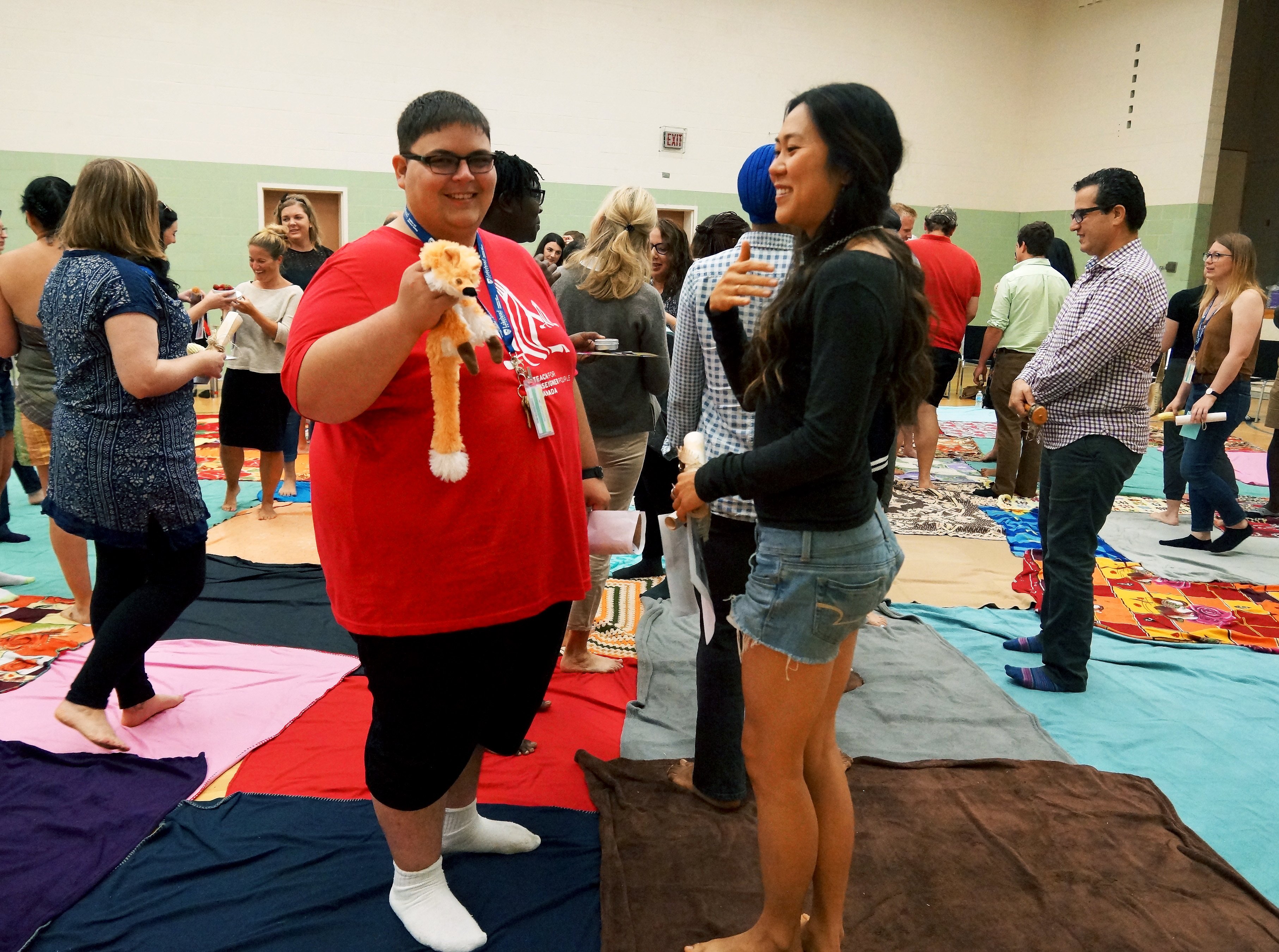
Aissa during the Blanket Exercise at the Summer Enrichment Program

Aissa during the Blanket Exercise at the Summer Enrichment Program


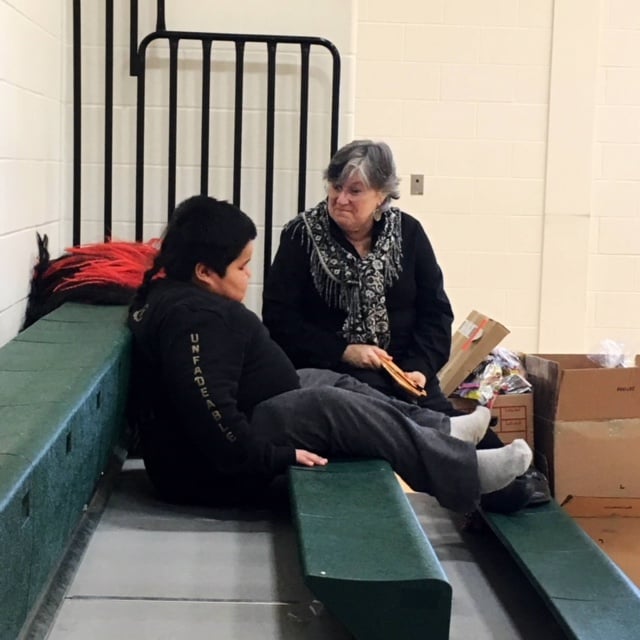
At Teach For Canada’s Summer Enrichment Program, Aissa spoke to different returning teachers about her family situation. She spoke about wanting to bring her son to the community and how she was anxious about it. Many teachers were quick to offer her words of support and comfort including suggesting that she might even have an edge when building relationships in the community! Some teachers told her that community members would love TJ and understand her situation. They would no doubt have lots of questions about her son and where they were from.
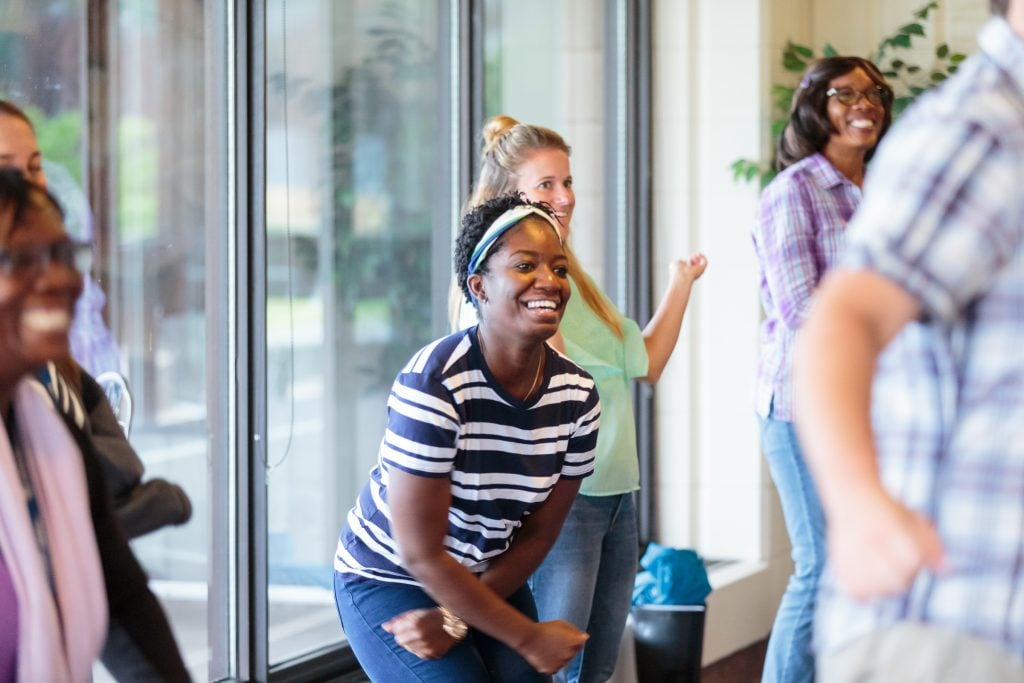
 

Teach For Canada teacher Aissa at the Summer Enrichment Program

Aissa at the Summer Enrichment Program


In the end, Aissa decided to start in Eabametoong alone, a last minute decision. But once she got to Eabametoong, she quickly learned that many community members were incredibly welcoming. They kept asking when TJ and her husband were going to join her. Aissa quickly realized that Eabametoong was not so different from the community she grew up in in Jamaica: “It’s small, very homey, and everyone knows each other. Minus the snow!”

Having experienced  such a warm reception, Aissa quickly became excited to have TJ join her. Finally, her son and husband came in January. He even liked the snow and wanted to build a snowman shortly after arriving. He was really excited about the prospect of going into the grade one class.
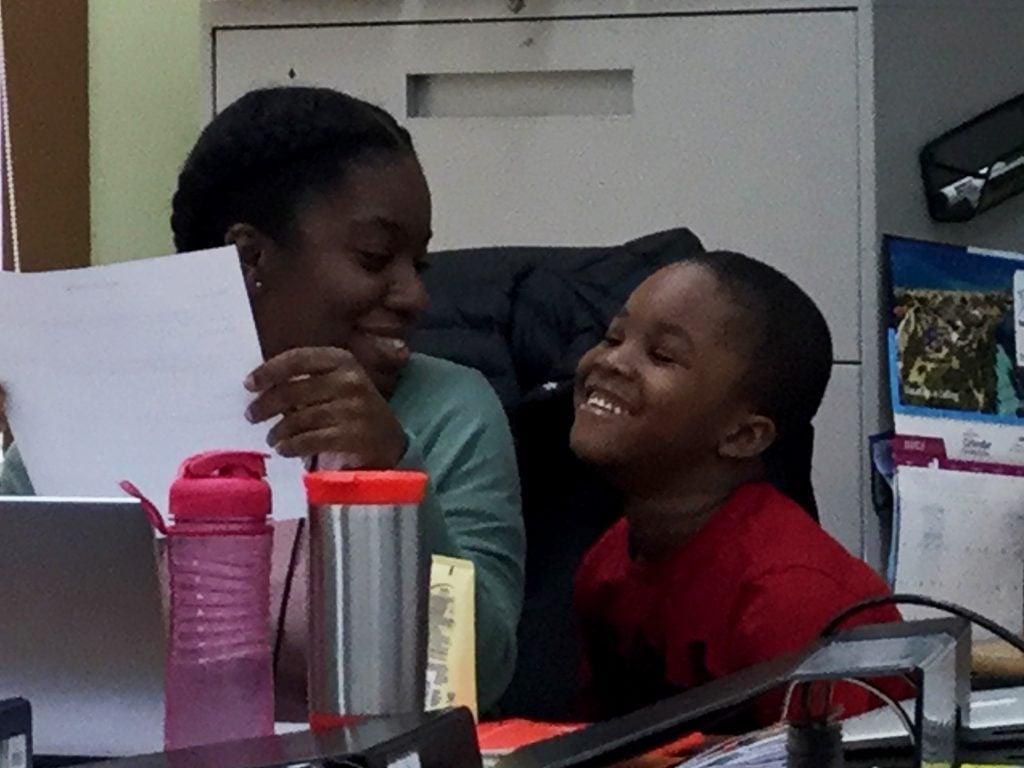
 

Teach For Canada teacher Aissa and her son TJ

Aissa and her son TJ are both having a fulfilling experience in Eabametoong First Nation


Another act of generosity confirmed Aissa’s belief in the kindness of the members of her new home community. Only a week after TJ’s arrival, he celebrated his birthday. Aissa says that’s when she realised “how amazing the people are here, as they came bearing gifts for a surprise party!”

Aissa is so happy with the support and love she has felt since her arrival. “TJ liking it here is a huge reason for staying and toughing it out despite some ups and downs,” she adds. Aissa has come to learn that where there’s great love, there’s great courage. She’s using both of these qualities to make a difference not only for her students, but for her son.
adfafda

The Necessity of Supernova Memories

Posted by Meredith Stapon

Sharon Lee started teaching grade 2/3 in Grassy Narrows First Nation in September 2017. Before going North with Teach For Canada, she taught in Toronto, Vancouver, China and Korea. Sharon completed her Bachelor of Arts and Bachelor of Education at Queen’s University. Sharon is a published poet, originally from Barrie, Ontario.


Teach For Canada teacher Sharon Lee

Teach For Canada teacher Sharon Lee teaches grade 2/3 students in Grassy Narrows First Nation


Teaching in Grassy Narrows First Nation, I’m stronger. Yes, physically stronger (a month ago I did my first ever chin-up), but I’m talking more about the mental game. Because everything is a mental game – about perception and perspective. Holding this knowledge close is what has kept me here. I’m learning about mental management, about actively cultivating how I perceive my situation. In other words, I’m learning to lean on the brighter side.
 

Students working in class

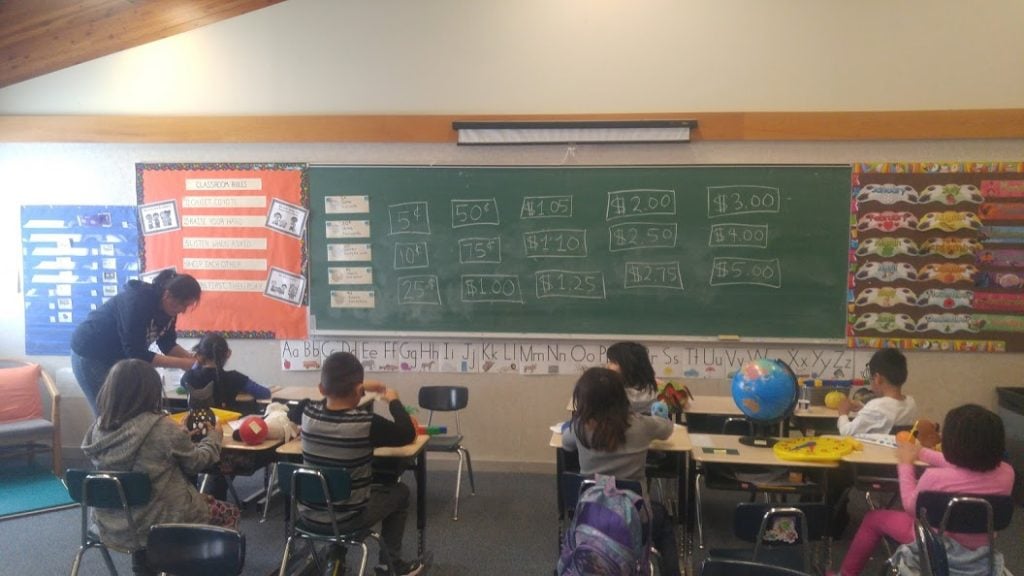
Grade 2/3 students learn about money in Grassy Narrows First Nation


Doing so isn’t easy. There is ample pain and disarray here. Enough to drive outsiders away (when you hear about high teacher turnover rates on Native reserves, it’s true). There is of course the lingering trauma caused by the sickening events of colonization, but there’s more. In Grassy Narrows, there’s the poisoning of the 1960s and 70s, when a paper mill upstream from the community dumped 9000 kilograms of mercury into the English-Wabigoon River, thereby poisoning the fish and the people, and decimating the local economy heavily dependent on fishing tourism at that time. These events have of course brought much darkness, and yet, there is much light.


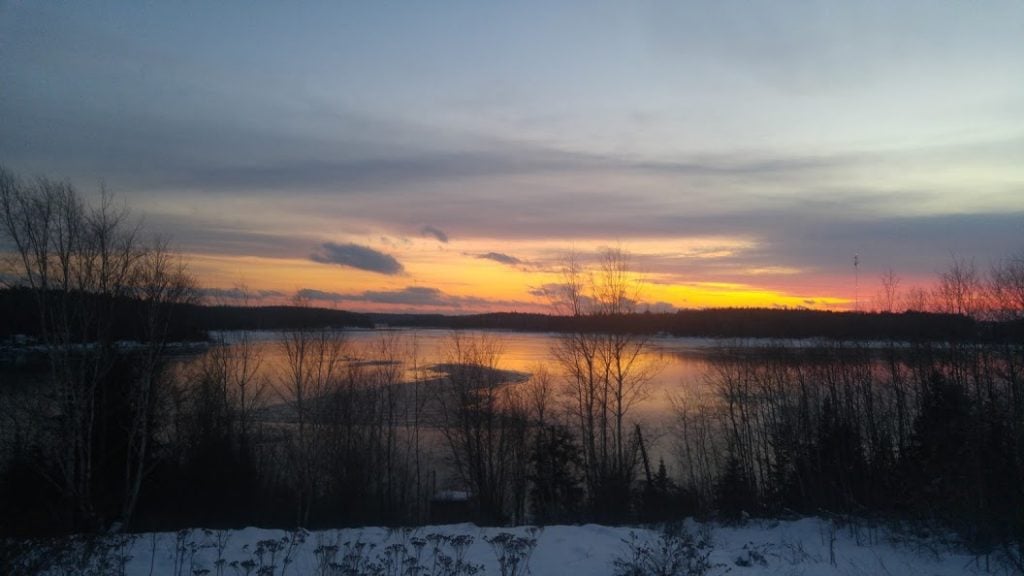
The lake in Grassy Narrows First Nation

The lake in Grassy Narrows First Nation


Light emanates from the children. They are the ones who have given me what I call my “supernova memories.” Why supernova? Because a supernova is a star that suddenly becomes brighter because of a catastrophic explosion; in other words, a star that becomes brighter amidst – and because of – the chaos. My supernova memories are comprised of my bright children, who have risen from difficult contexts. They are the ones who brighten my mental perception.
 

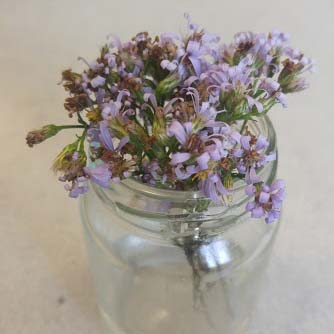
Purple wildflowers in a glass jar

A gift of wildflowers picked by a student


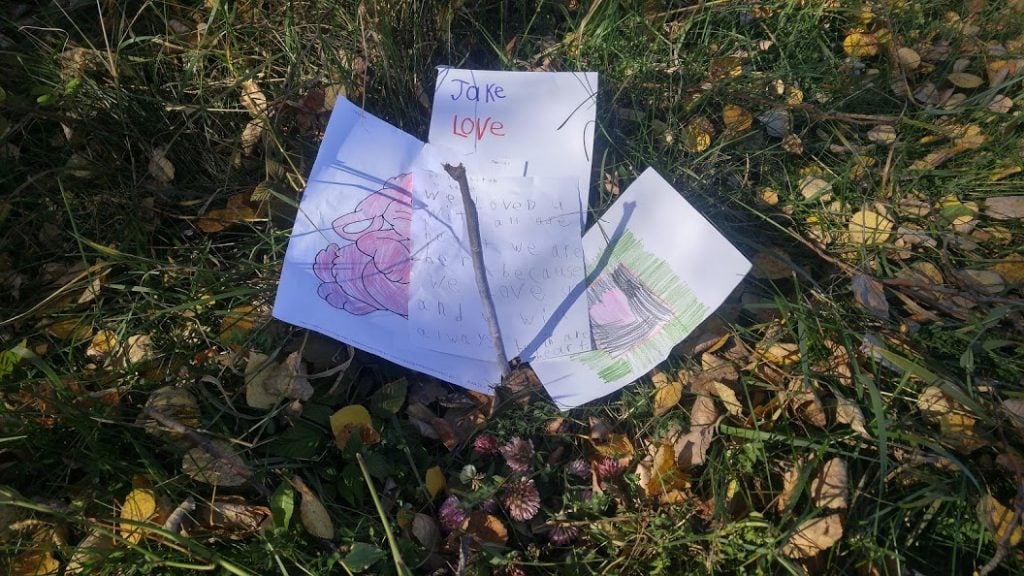
When the distress, the angst, the exhaustion try taking over, I access my supernova memories: Like the time Patience ran into class clutching a handful of purple flowers she had picked for me during morning recess. Or the time Caleb, eyes sparkling, exclaimed, “Magic IS real!” after seeing the disintegrated shell of an egg immersed in vinegar during a science experiment. Or the time Zookie’s shyness evaporated as she volunteered to read a eulogy at our ceremony for Jake, our pet fish. Or the time Honey’s face contorted to a look of equal parts horror and intrigue as Mr. Bones, our mangled class skeleton, was rolled into our classroom. Or the time Reese, after six months together, verbalized my name for the first time.


Grade 2/3 students have a small ceremony when Jake the fish dies

Grade 2/3 students have a small ceremony when Jake the fish dies


These memories reinforce what is of utmost importance. Yes, my kids drive me nuts too, but their love and laughter triumph. They teach me that love is stronger than pain. I’m learning all this and more while living and teaching in Grassy Narrows. To wrap up my thoughts, I’ll share a poem I wrote, inspired by two students in my class. I consider it no mere coincidence that they are named after two virtues essential to being a teacher in a First Nation. It’s called Hope and Patience:


Hope is a girl in my class.

She has big cherry eyes and hair

the colour of chocolate milk.


Her smile is a slice of watermelon –

seedless, mostly gums.

When she sees one seedy tooth growing out,

she grins and shouts,

Welcome to the world!


Hope likes roaming the room,

moving in circles on our coyote carpet,

over the cardinal directions.


When I ask her if she’s tired, she simply smiles

then farts. She cackles at her bum’s joke

then keeps traveling the world.


One day, Hope’s mom calls in:

Hope has hurt her ankle,

so Hope will be gone awhile.


But what will we do without Hope?


Then Patience struts in.

Clutching her bag of everlasting pistachios,

she stakes herself on the classroom carpet.


She chews steadily,

wearing her signature smile – the stubborn one.

This means Patience will be here a while,

until Hope returns.


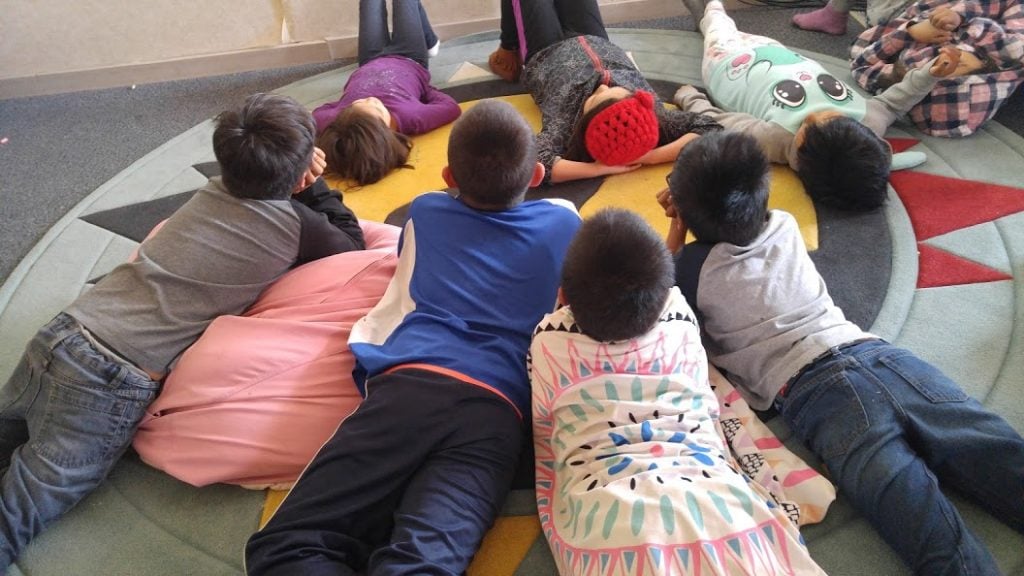
Grade 2/3 students gathered on the carpet in the class

Grade 2/3 students gathered on the carpet in the class

adfafda

Teacher Feature: Lora Kikuchi

Posted by Meredith Stapon

Lora Kikuchi started teaching grade 7/8 in Lac La Croix First Nation in September 2017. Before going North with Teach For Canada, Lora completed her Bachelor of Education at the Ontario Institute for Studies in Education (OISE), University of Toronto, and her Bachelor of Arts at York University. She has previously taught in New Zealand, Japan, and France. Lora is originally from Toronto.


Teach For Canada teacher Lora Kikuchi with a student

Lora Kikuchi has been a model of healthy living for her students


Living in northern Ontario can bring many learnings and challenges that teachers may not expect when they make the move to a place unfamiliar to them. A common challenge teachers face when they move North is maintaining healthy habits and routines. Shorter days in the winter, cold temperatures, lack of access to a variety of fresh foods, and the demands of teaching can make staying healthy a real challenge.


A Positive Role Model


Lora Kikuchi, a grade 7/8 teacher in Lac La Croix First Nation, is in her first year of teaching in the North. She has found simple ways to stay healthy and active. She offers her students an excellent example of how to stay fit and overcome the challenges of ensuring healthy living in an isolated northern community.


Women playing volleyball

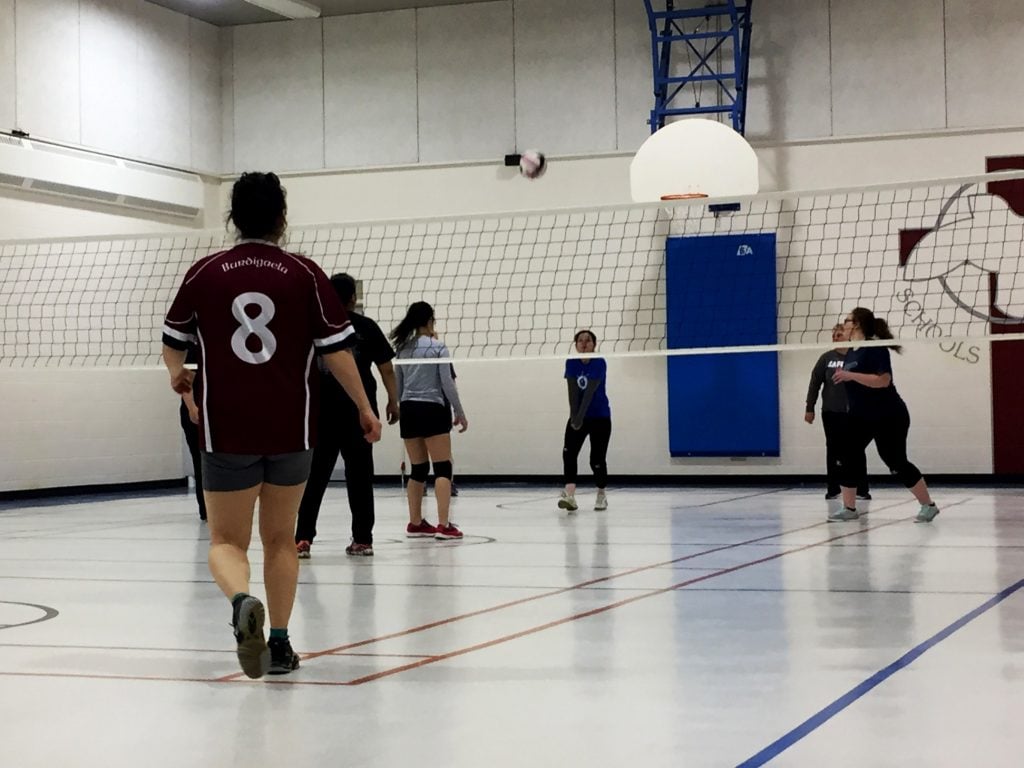
Lora plays volleyball at school and in Fort Frances, a 5 hour round trip away


Maintaining an Active Lifestyle


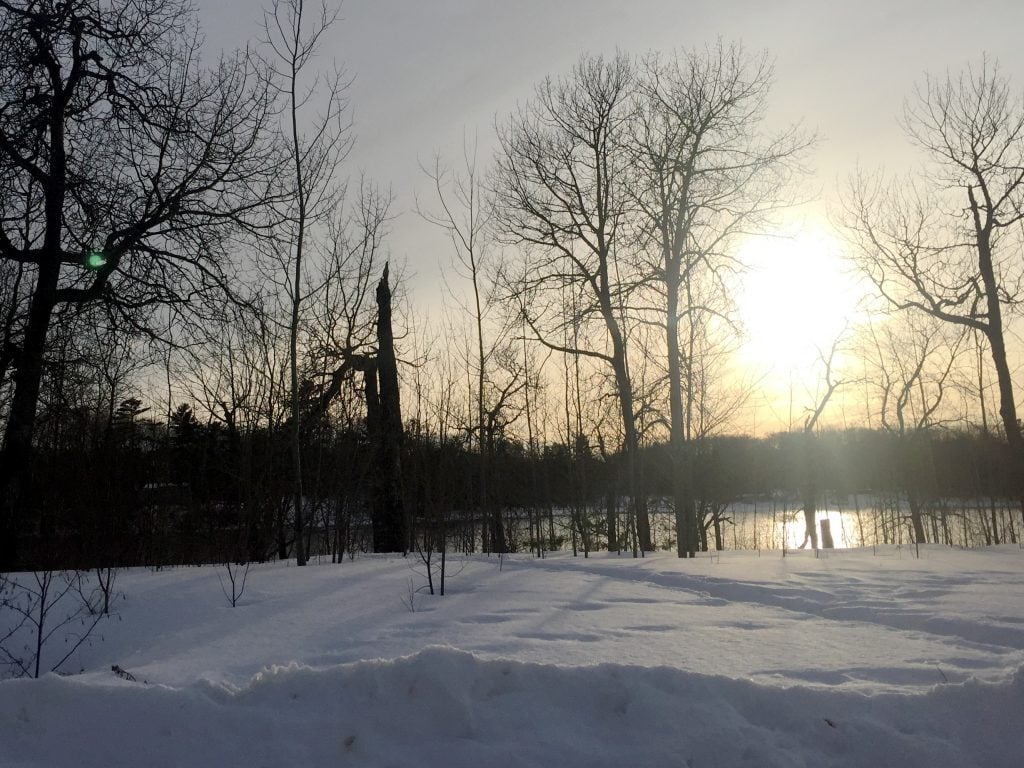
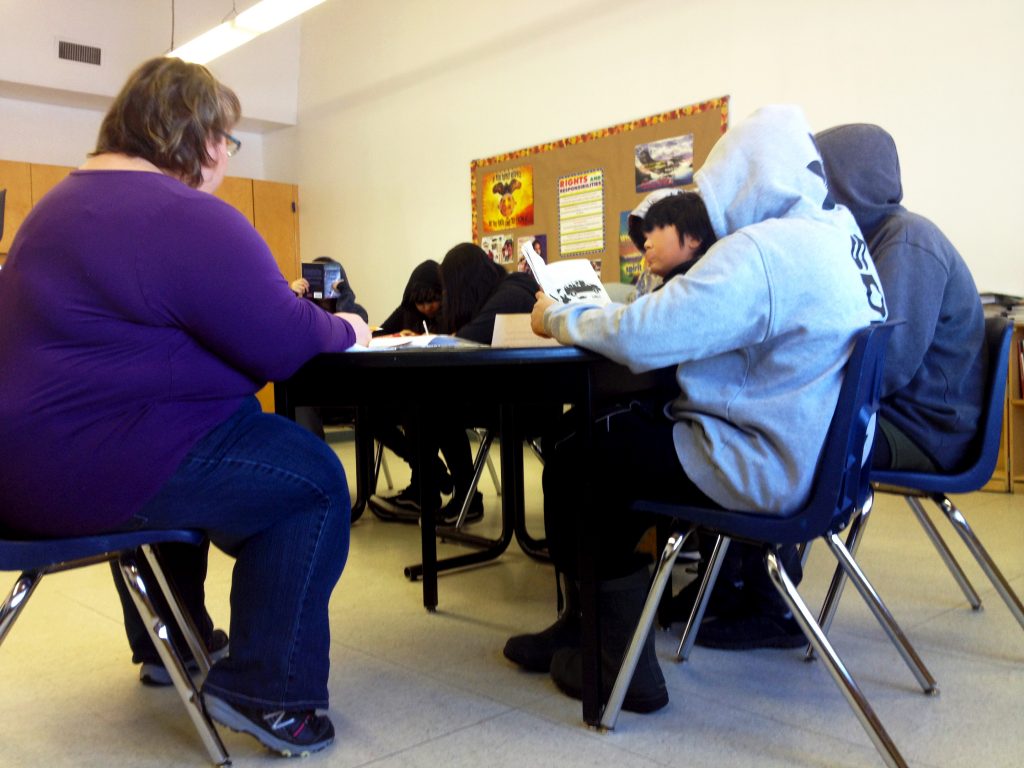
Her students regularly observe how Lora stays active and fit. For one, she participates in Outside Looking In, a dance program for students. She may not know all the moves, but she makes the effort! They also see her at the school playing volleyball on Mondays and floor hockey on Wednesdays. Even more impressive, she plays in the Fort Frances women’s volleyball league, undertaking a 5 hour round trip just to play for 40 minutes. She’s a terror on the court, smashing spikes and offering up blistering serves. On Sundays she goes for 10km runs on the main road that leads to Highway 11. “At first people weren’t sure what I was doing, but now they wave, give me a thumbs up, and roll down their windows to say hi to me,” says Lora. Clearly her active lifestyle is getting some attention!


Healthy food on a table

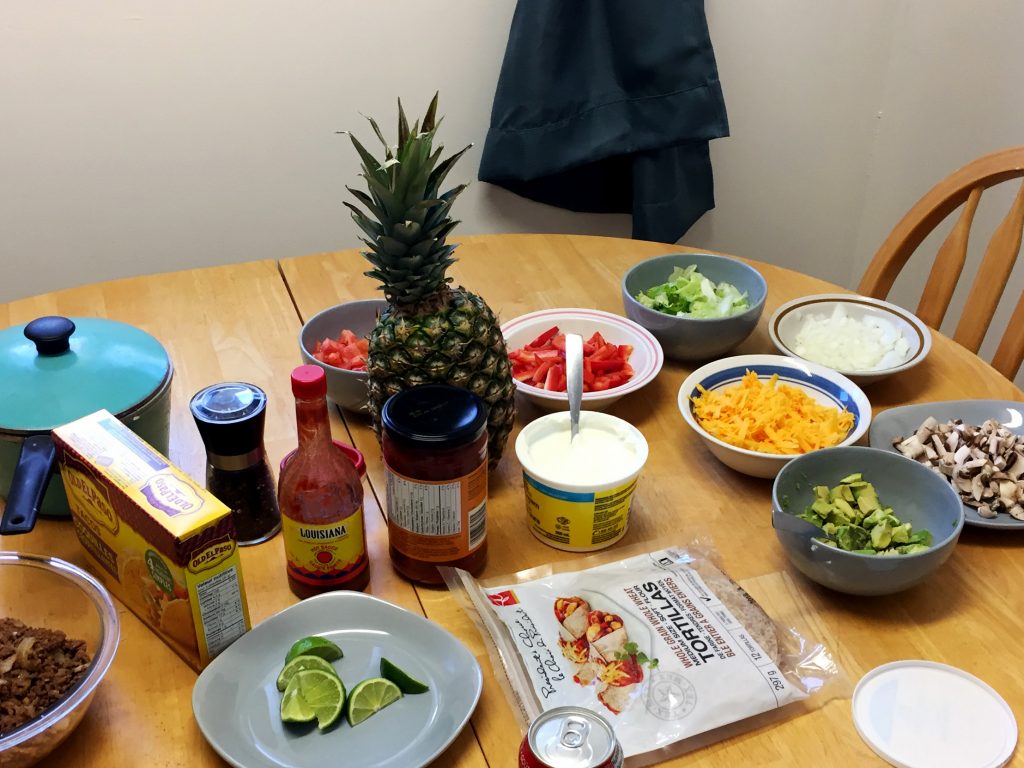
Lora plans to ensure she eats nutritious meals and snacks


Eating Healthily


Of course, exercise is only part of the battle in staying healthy. Nutrition is crucial to maintaining a healthy lifestyle. Lora models healthy eating in her class by choosing whole grain bread for her sandwiches and whatever fresh fruit and veggie snacks she can find. She can be seen walking around holding a bag with celery sticks haphazardly jutting out the top.


A Commitment to Health


Staying healthy requires a lot of planning and reflection. While Lora sometimes wonders whether she is overdoing it, she realizes that this commitment to healthy living provides her with the balance she needs to be effective in the classroom and maximize her time in the North. Connecting with the community is another motivating factor. All this activity has allowed Lora to spend time with people outside of the school staff, and this has helped her transition into her new home.


Scenery in Lac La Croix

Lora goes for 10 kilometer runs outside, even in winter


Lora’s commitment and effort is a great demonstration of work/life balance. Teaching in the North provides a unique set of challenges, that aren’t limited to the classroom. Lora shows us all how a little planning and effort can turn a challenge into a demonstration of personal strength.

adfafda

A Powerful Learning Moment

Posted by Meredith Stapon

Mary Anne Barrett started teaching grades 5-8 in Slate Falls Nation in September 2017. Mary Anne completed her Bachelor of Education at the Ontario Institute for Studies in Education (OISE) at the University of Toronto before applying to teach in a northern First Nation with Teach For Canada. She is originally from Ajax, ON.


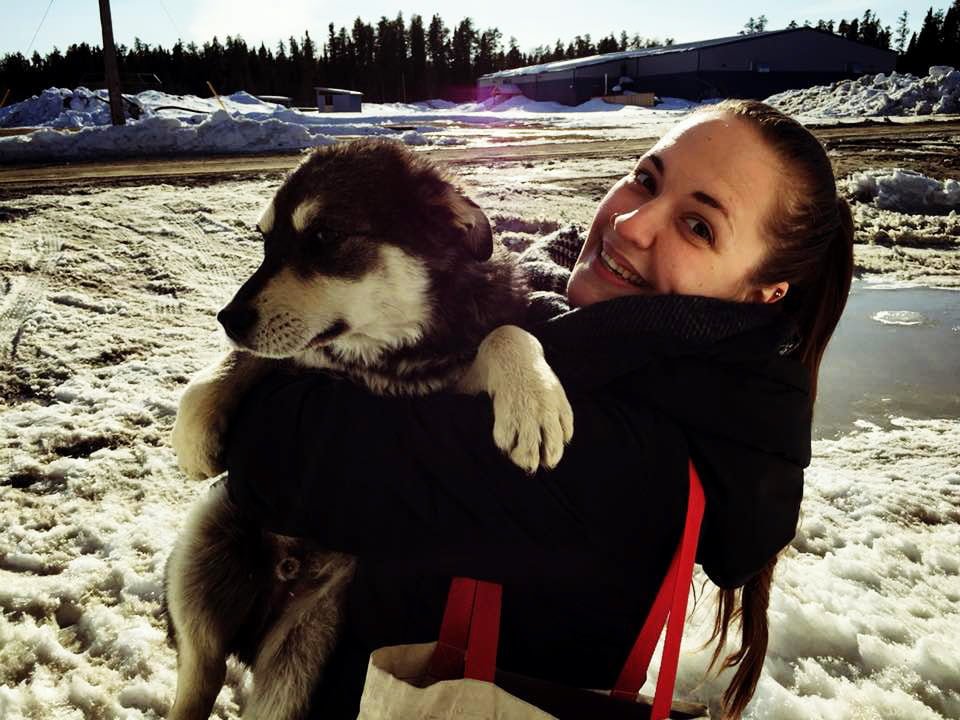
Teach For Canada teacher Mary Anne Barrett and a dog

Teach For Canada teacher Mary Anne Barrett


Recently, I experienced an incredible teaching moment, which I wish had been captured in pictures. The lesson started out like every lesson but quickly evolved into one that I will remember forever.

To get my grade 5, 6, 7, and 8 students invested in protecting and conserving the precious water around us, I decided to tell them about a young activist from Wikwemikong First Nation, Autumn Peltier. I spoke to my principal to determine whether it was an appropriate lesson for the community where I am teaching, Slate Falls Nation. She decided that it was a valuable lesson for the younger class as well. Thus, on a Friday afternoon I set out to teach a lesson to all of the students, from grade 1 to 8.


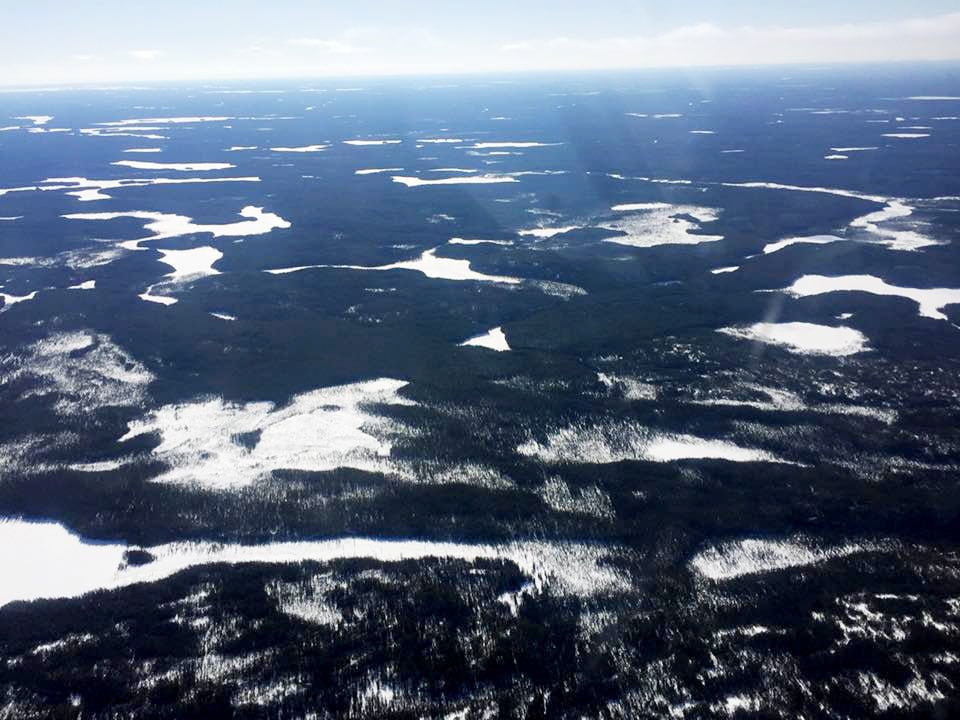
Aerial view around Slate Falls

The lakes around Slate Falls Nation


Managing Teaching and Student Behaviour


I started the class by trying to impress upon the students the serious nature of the topic, which deserved their undivided attention. We proceeded to watch a CBC video of an interview with Autumn Peltier about her life’s passion: water protection. While I was teaching, two pre-teen students were giggling in the back of the class. I stopped the lesson to remind them of the importance of respectful listening, and then attempted to continue. Unfortunately these girls were not prepared to engage with the lesson, so I had to take them to a different class where they would not distract the other students. As I returned to the group, upset by the students’ behaviour, two first grade students come up to me, hugged my waist, and said “We were listening!”. Choked up, I thanked them and the rest of the students for paying attention and listening to the young activist’s message. Together we watched the rest of the video.


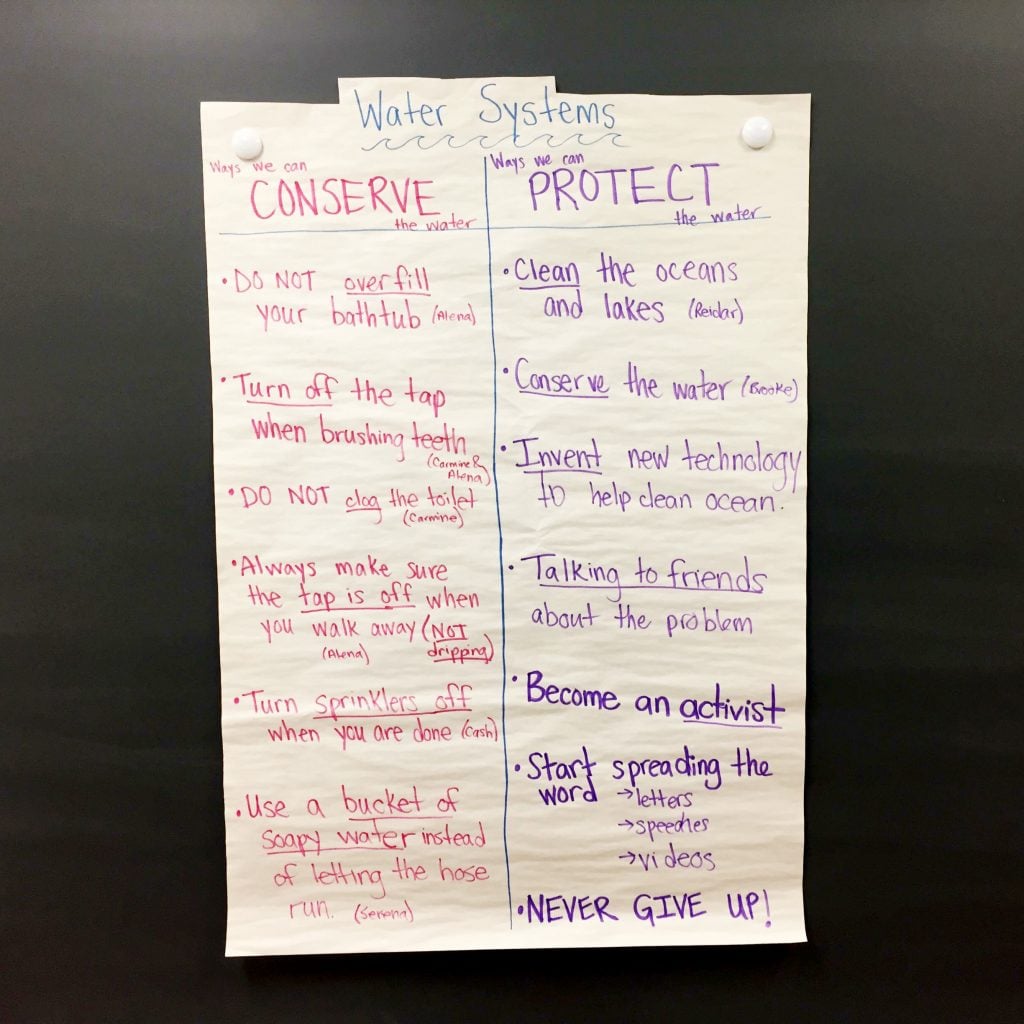
Lesson on Water Systems

Lesson on water systems led by grade 5-8 teacher Mary Anne Barrett


Taking the Lesson Outside


I then invited students to join me in offering tobacco to Bamaji Lake, the lake just a short walk from the school and teacher residences. Our extremely supportive educational assistant, Christopher Wabason, led us to the lake with a heavy electric ice auger on his back. We arrived to a partially dug hole in the ice (I had asked him to try and chop a hole in the ice with an axe earlier in the day but the ice was still too thick, despite the recent warm weather). With teamwork, he and I augered and when the 1.5 metre blade seemed to disappear, the ice gave way and water surged from the hole. Before I handing out tobacco to the students for them to give as an offering, Chris took a moment to share his knowledge of the connection between ceremony, the drum, the four directions, and the creator. After this beautiful impromptu lesson from a community member, one by one I put tobacco in my students’ left hands and they all respectfully said a little prayer for the water’s protection before placing their offering in the lake.


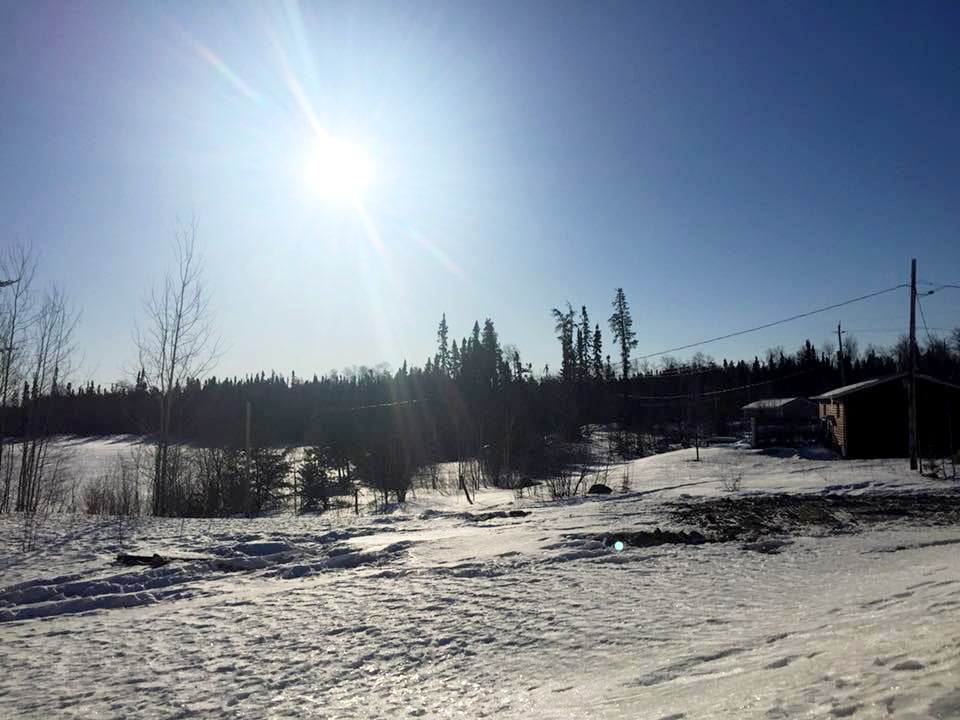
Slate Falls Nation

Slate Falls Nation


Despite not having any pictures to remember this moment, I will never forget the sight of my students respecting their culture and the land. I hope to continue creating these genuine teaching moments in the years to come with my beautifully strong Ojibwe students.

adfafda

A Principal’s Walk in the North

Posted by Meredith Stapon

Robin Chamney started as principal of Wasaho Cree Nation School in Fort Severn First Nation in September 2017. Before going North with Teach For Canada, Robin worked for 13 years as a principal and vice-principal in Kuwait and Indonesia. She has also taught high school in Fort McMurray, AB. Robin completed her Bachelor of Education at the University of Lethbridge. She is originally from Kincardine, ON.   


Robin Chamney

Robin Chamney, Principal Wasaho Cree Nation School


Wasaho Cree Nation School is the most northern school in Ontario, located on the mouth of the Severn River, where it empties into Hudson Bay. As the principal, my days are full, with no two days ever being the same. As much as I try to develop a routine, each day is different and special in its own way.


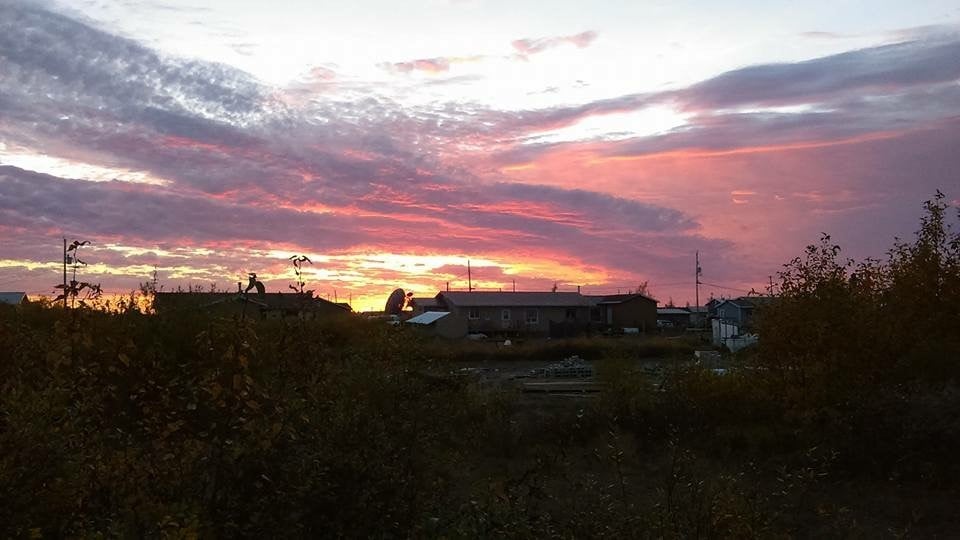
A beautiful sunrise in Fort Severn First Nation

A beautiful sunrise in Fort Severn First Nation


Morning School Rituals

My path to school each morning is lit by the rose hue of the rising sun; the heavy quiet only broken by the rhythm of the crunching snow. Once I’m at school I head straight to the kitchen to start the daily breakfast program. The school serves a cold breakfast Monday to Thursday and we serve a hot breakfast on Friday.

The children arrive shortly after 8:30 am ready for breakfast and their daily classes. Teachers and support staff greet students as they arrive and help the little ones balance their trays and juice glasses. Standing back to watch the interactions between the students and staff always makes me smile. Many of the staff are related to students and get to live, play, and work together. The interactions are gentle, guiding, and supportive.


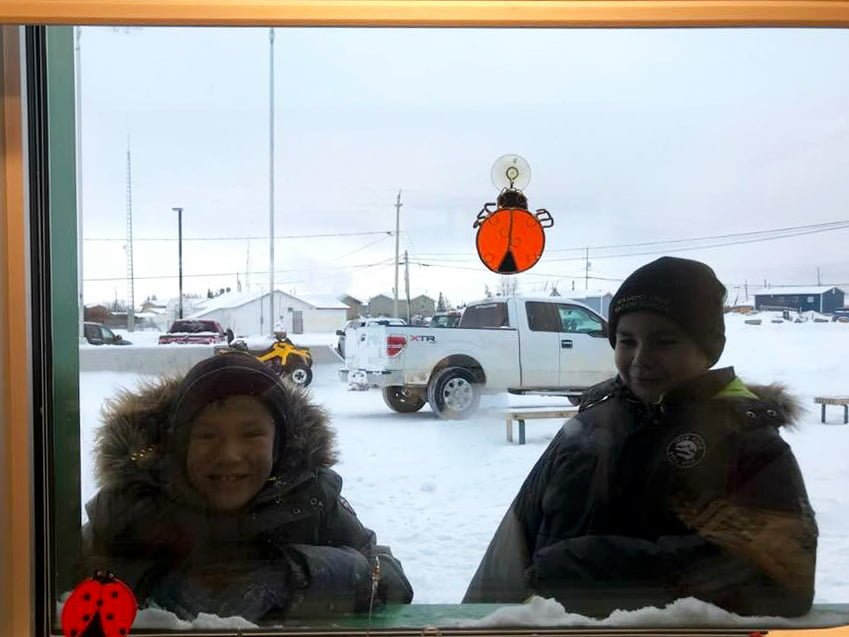
Two students looking in Robin's office window

Two students looking in Robin’s office window


Active Learning in Every Class

As 9:00 am creeps closer, adults prompt the kids to hurry because learning time is here. I head to my office to start my day by reviewing the to-do list, which was prepared the day before, before all the phone calls and emails start coming in. As often as I can, I try to sneak away from my office for my morning hall walk.

Today our former science lab turned art room is being used by the grades 3-6 students to make masks for our Masked Dance. It is a hive of activity with glue dripping, balloons everywhere, and paper strips flying right and left. There is a low hum as students are involved in their favorite activity: hands-on work.


Grade 3/4 students at Wasaho Cree Nation School

Grade 3/4 students at Wasaho Cree Nation School


Across the hall, the grade 7/8 class is busily creating a mural of their silhouettes, filling in the shapes using a woodland art painting technique.

In the wellness room, the counselor attends to students who arrived late.

All is good at this end of the hallway.


Robin Chamney speaking with a student

Robin Chamney stops to speak with a student


Joyful Learning

Down at the other end of the school, the grade 1/2 class is doing their guided reading. I’m asked to sit in a small group while the students read to me. Each student smiles after they have finished reading their page, pleased with their success and looking for approval. Across the hall is the Kindergarten classroom. It has taken me the better part of a year to learn how to sneak into the room without completely disrupting their learning. As I peek through the window I see that the students are in a circle, focused on the giant (stuffed) spider in the centre. When I enter a cacophony of enthusiasm greets me, as the students tell me all about the spider: its hairs, eyes, and many legs. I love the joy they show and most of all their looks of determination as they go about the task of learning.  


Teach For Canada's Kim Pratt, Madison Wagner, Dan MacDonall and Robin Chamney

Teach For Canada teachers Kim Pratt, Madison Wagner, Teacher Development Manager Dan MacDonald, and principal Robin Chamney


The Role of a Principal

Seeing the students busy in their classes is the balm of my day. This is why I came to the North. Yes, my job is filled with many other issues that concern the community, as well as student health and wellness. It’s also my job to take care of my staff. Loneliness and isolation are sneaky little devils that can pull the rug right out from under you. And the long dark winter days can zap everyone’s energy. Sometimes it’s hard to stay motivated.

However, I am the captain of the ship, and I have to make sure everyone on board is in a good place mentally and spiritually. Engaging with staff, students, and community; good communication; interesting projects; and lots of fun activities are all key to a healthy school. As I see it, my role here is to be a part of a positive transition in First Nation education. So much is new and we are moving together in the right direction.


adfafda

Teacher’s Best Friends

Posted by Meredith Stapon

Katherine (Kata) de Sousa has been teaching grade 7/8 in Bearskin Lake First Nation since September 2017. Before applying to teach in a northern First Nation with Teach For Canada, Kata taught in China for over two years. She also worked as a substitute teacher for a number of years in the Halifax region. Kata completed a Bachelor of Arts in Theater Studies and History from Dalhousie University and a Bachelor of Education from Memorial University. She is originally from Halifax, Nova Scotia.


Teach For Canada teacher Katherine de Sousa

Katherine de Sousa teaches grade 7/8 in Bearskin Lake First Nation


I’ve been trying to write this story for nearly eight months, and today I seem to have found my way to bring those on the outside into the little-known world of teaching in a fly-in First Nation.

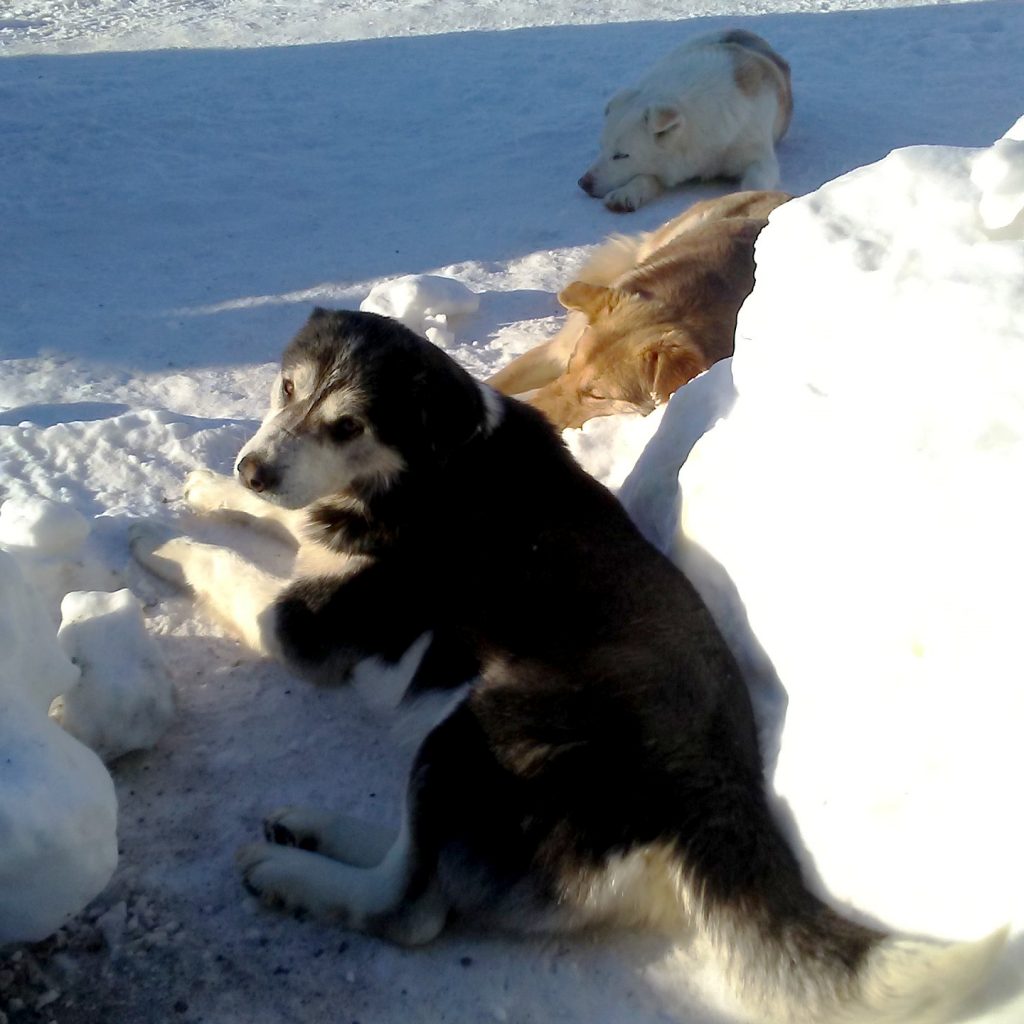
Once upon a time there were three dogs.

I met these three dogs shortly after arriving in Bearskin Lake First Nation, Ontario. We were informed during our Teach For Canada preparation that there would be many “rez dogs” in our new homes. I knew before I got here that I should be wary of the dogs I met. As an animal lover, I lose my heart immediately to whatever animal is nearby. I just do.


Teach For Canada teacher Kata befriended these three dogs shortly after moving to Bearskin Lake First Nation

Kata befriended these three dogs shortly after moving to Bearskin Lake First Nation


Making New Friends in the North

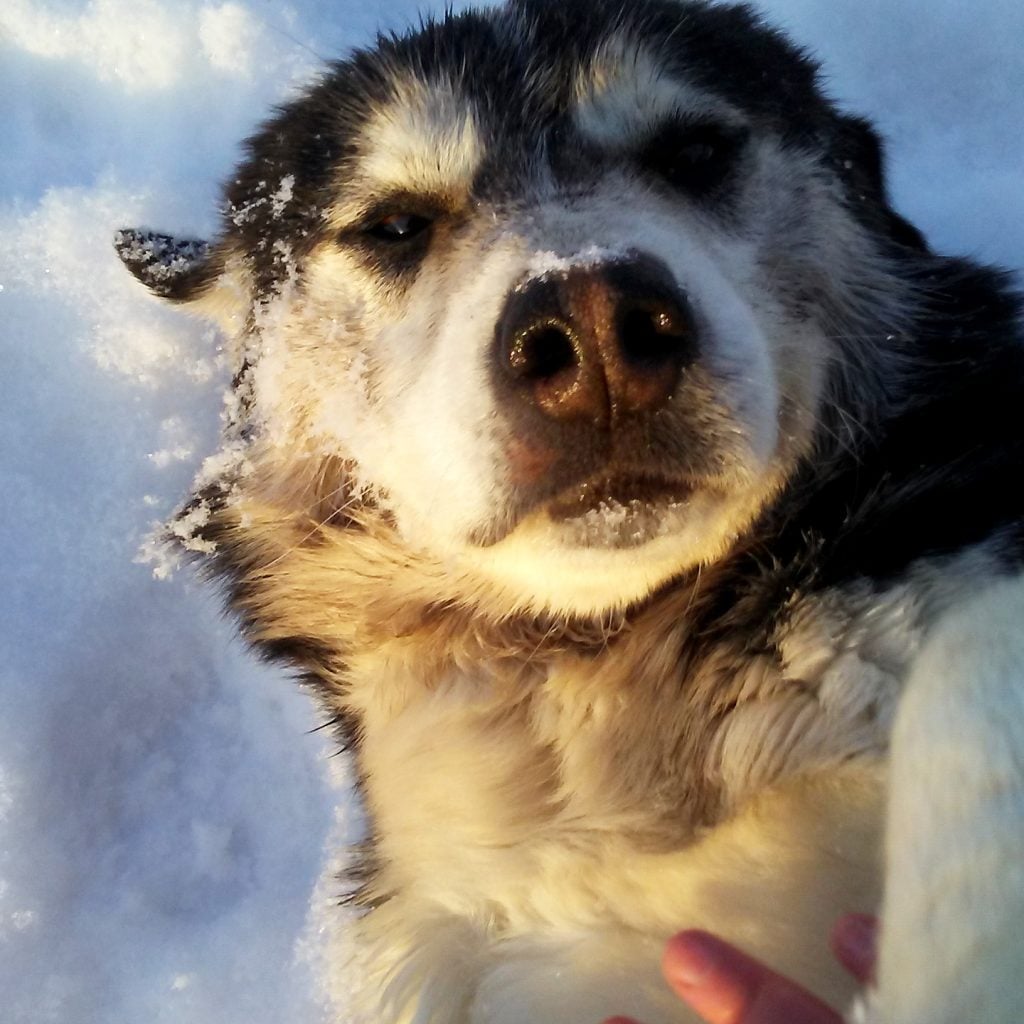
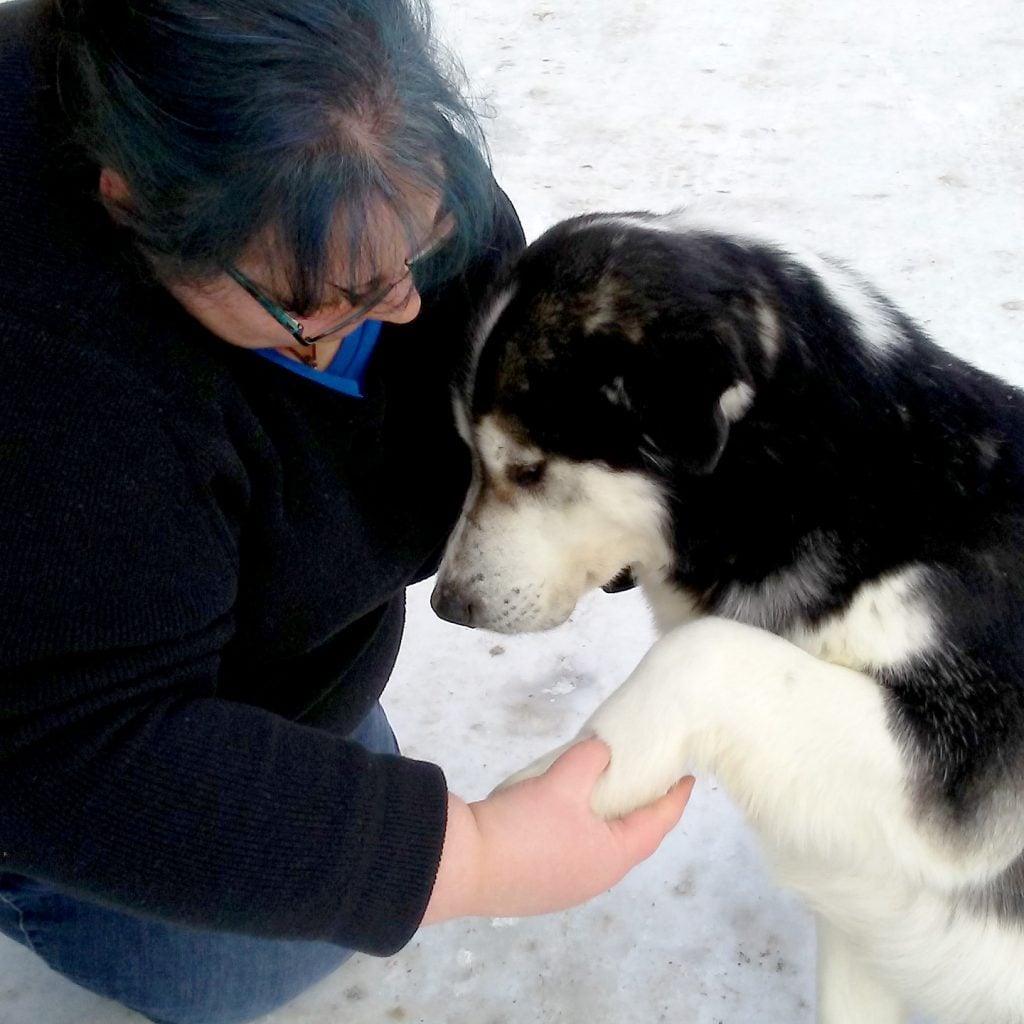
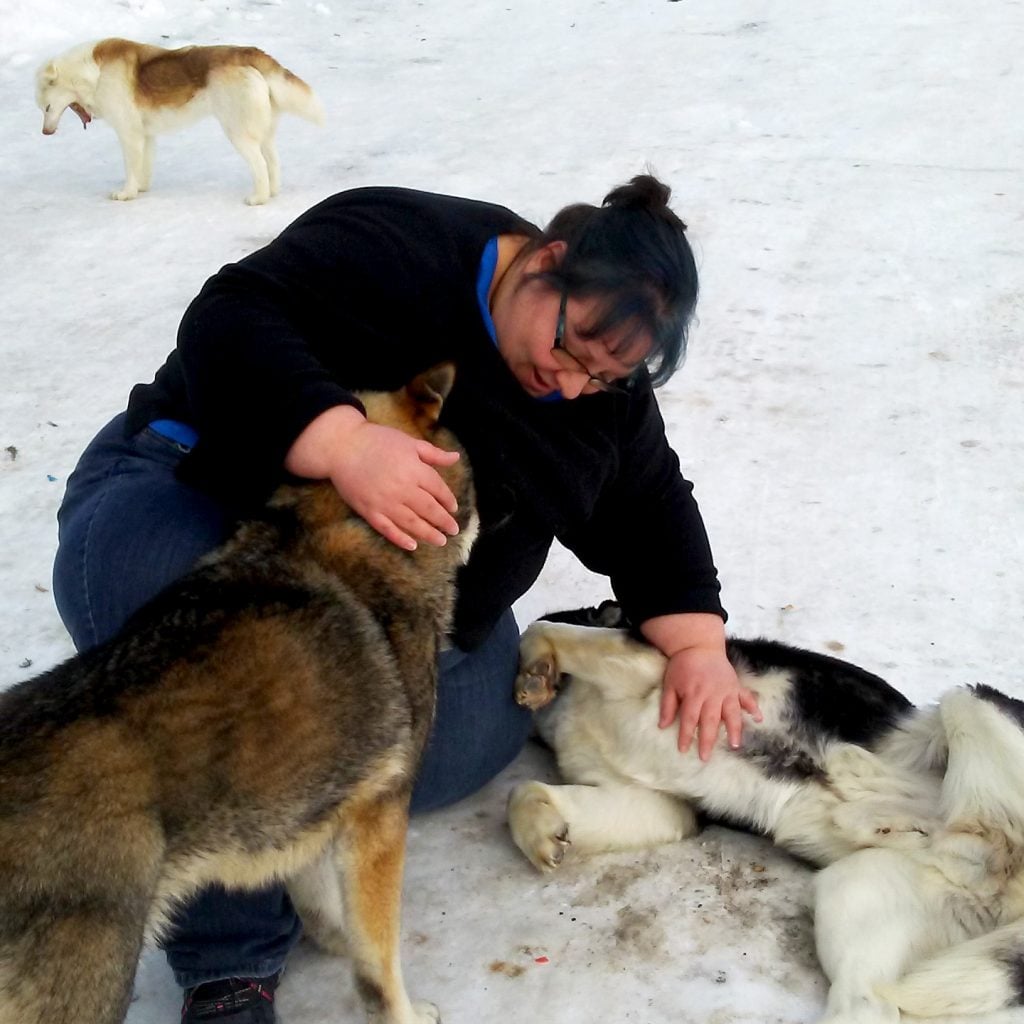
This trio of dogs is made up of a dominant male and two females. I tried to learn their names, but who their actual owners was and what their names were was initially rather ambiguous.  I needed to call them something, so I decided that the great black-and-white beast of an alpha male would be Brutus. He’s broad, massive pawed, and actually a real sweetheart. He was the first of the trio to roll over and ask for belly rubs. 


Brutus was the first of the three dogs to accept belly rubs

Brutus was the first of the three dogs to accept belly rubs


The second member of our triumvirate I dubbed Jamie. At the time I didn’t know she was a female. I named her for her multi-hued red fur, which reminded me of a favourite character from a recently popular TV show. After I realized Jamie was a she, the name still seemed to fit, so I kept using it.


Jamie the dog has a multihued coat

Jamie has a multihued coat


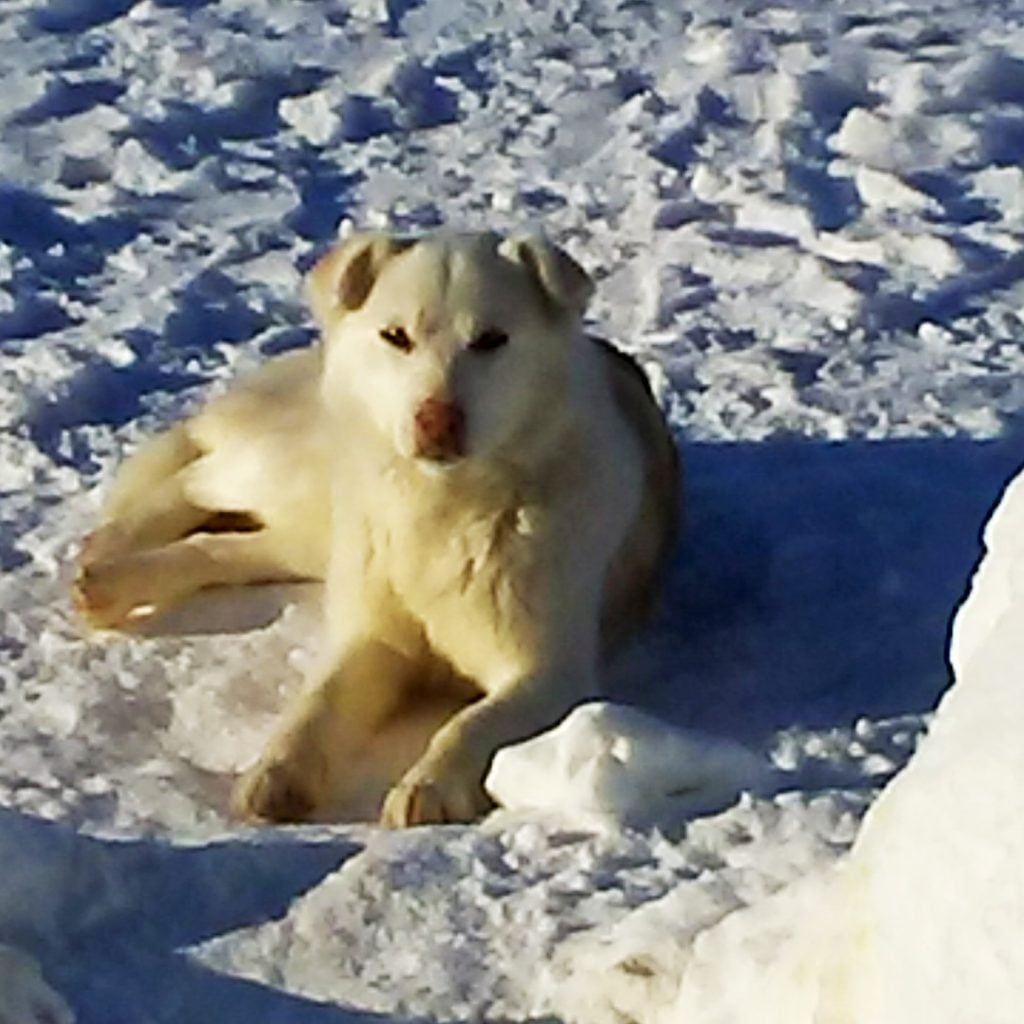
Our third musketeer is Kai, short for “Chimera”, as she seemed to be two different coloured dogs mushed together. Her head, legs, belly, and most of her back is white, but she has a huge auburn splotch across her back and tail.


Kai's fur is mostly white with a large auburn patch

Kai’s fur is mostly white with a large auburn patch


Building Individual Relationships

The first thing to know is that all these dogs, like most dogs, are hungry. All the time. Because I am a sucker, I bought a box of dog treats and started keeping a few in my coat pocket in case I saw them on the way to school (which happened often in the fall) or during a recess break, or after school. After offering cookies, and even buying actual dog food and feeding them, they began to hang around the school and the teacherage, hoping for a snack.  Our relationship has developed to the point that my trick is standing at the school door and whistling three times. If they are within earshot (they usually hang out near our Co-Op store; their owner works there) they’ll come running, tails wagging, eager for a treat. We have become friends; but what that looks like is very different for each dog.

Brutus will lick your hands, let you ruffle his ears, and even offer a paw. He’s the most affectionate of the bunch. He’ll even roll over and paw the air, universal dog language requesting belly rubs. This is a huge sign of trust. Don’t try to stroke his back, or head…he wants belly rubs, and that’s it. He’s willing to be vulnerable in that way only.      


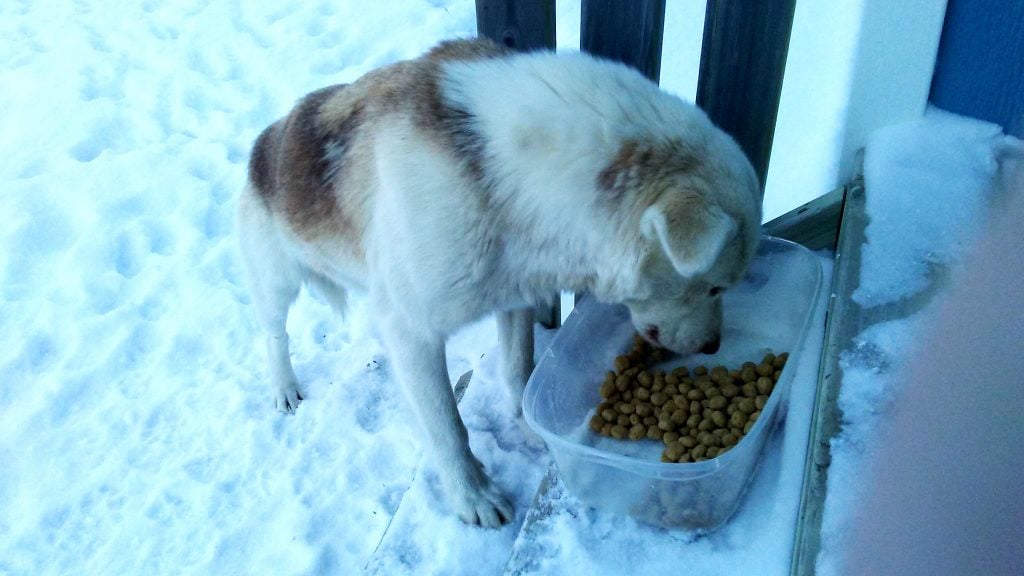
Kai the dog eating

Kai is more timid and will wait for a chance to eat


Jamie is much, much more skittish. She’s less dominant (her tail is often between her legs), and it took many weeks of speaking softly, moving slowly and deliberately, and offering cookies for her to stay when I took a step toward her. Now, she’ll come right over when I whistle (if I’m alone), and the first day she licked my fingers in greeting was a fist-pump, brag to all my friends, I just won the lottery kind of feeling!            

Kai is the least physical of the group. Often hanging back, watching the others, and hoping to sneak in for a treat when the others aren’t pushing her away. She has graduated to finger-sniffing to say hello, and as you can imagine, that was a fantastic day.


Doggie Love

It is the highlight of my days, especially the discouraging, frustrating, or enraging ones, to open the school door, feel the blast of frigid air on my face, hear my own whistle echo seemingly forever across the frozen lake, and watch these three beautiful creatures come bounding toward me, all wagging tails and doggy smiles. (Yes, I am well aware that some people believe that dogs don’t have feelings, and that some people believe this behavior is entirely food motivated. But it heals my heart to imagine I am loved by these dogs, and so I will continue to believe it is true.).


Brutus the dog shaking paws with Teach For Canada teacher Kata

Brutus learned how to shake paws with Kata


As our relationship has progressed I have even taught this trio to sit for treats and not to jump up on people who might have food. It’s not always successful, but I have watched these three clever animals figure it out. Kai, especially, took some time to learn. She would watch Brutus and Jamie, and I could practically see the doggy thoughts in her head, trying to figure out what behavior was going to get her the cookie. She has gotten it and I’m very proud. Brutus and Jamie have had struggles, too. Brutus has a waggly, manic energy, so it is a real feat for him to sit still long enough for the treat he wants so badly. Jamie was the first to learn, but struggles with her own fears and lack of confidence. If there are other people around and too much noise, she’ll lose her nerve and won’t try for a cookie.


Brutus the dog in Bearskin Lake First Nation

Brutus has learned to control his manic energy to get a treat


Drawing Parallels with Classroom Teaching

It came to me today, after an especially difficult week, that my relationship with these three dogs is a lesson for my relationship with my students, the other students in the school, the staff, and the wider community.

In the beginning Brutus could only take the cookie if you threw it up into the air and he caught it. He was too rough and eager and would bite your fingers. As he calmed down over time he wouldn’t jump or snap at your fingers, but he would still turn his head away if you offered the cookie near his nose. I’m delighted to say he’s progressed to taking the cookie from my fingers, but I have to read him and see if he’s calm first. If he’s too excited he doesn’t remember “gentle” and I end up with stinging fingers.

Jamie went from taking the cookie from the ground if you threw it, to sitting and jumping for it in the air, to finger-licks to say hello, to taking the cookie very, very gently from your hand, to eating from a bowl placed inside the door, but no petting. She’s just not able to do that.

Kai will jump for the cookie after sitting, even though she’s not very coordinated and often doesn’t catch it, she’ll sniff your fingers hello and sometimes lick, but most importantly, this dog who won’t let people touch her will actually roll on her back for belly rubs if she feels safe. It was truly amazing to watch her contort herself and try to roll over, but still try and stay standing because she’s afraid. We’ve managed full belly rubs a few times now, and I always feel grateful that she trusts me.


Teach For Canada teacher Kata gives dogs a belly rub

The dogs show their trust in Kata by allowing her to rub their bellies


Some people might think this is an awful lot of effort for very little, and very individualized, progress. Where are the face-licks, snuggles, fetching, and all the other behaviors people think of when they imagine a relationship with a dog? This is the metaphor that has been following me around on twelve paws since I came to Bearskin Lake.


Teach For Canada teacher Kata workins with her grade 7/8 students in Bearskin Lake First Nation

Kata working with her grade 7/8 students


A Unique Teaching Experience

When you live and work in the North, there are many things that will possibly make you crazy. Your students will not necessarily act like the students you are used to, or the ones you imagine you’ll have as a new teacher. They will do and say things that will amuse you, sadden you, and sometimes just perplex you. Not all your students will be at grade level. Not all your students will show up regularly. Each one will have their own ideas about what they can and cannot do; what they are willing to try, and where are the lines they won’t cross. You may teach more about a single subject than you thought you would, or miss some subjects altogether.  

Each of your students will have a unique (and sometimes sad) journey to that chair in your classroom, and you will have to learn from them.

You will not take a class with challenges and turn them into a group of Rhodes Scholars in a month, or even a year, but you can reach them, all of them, in some way. Progress will be individual, it will sometimes take enormous amounts of work, it will not necessarily feel rewarding at the time, and it might not look how you expected it to.

Progress looks different in the North. Expectations are different in the North. Closing the education gap, and healing the relationships between settler and Indigenous peoples is going to take time; a long time. More time than my short-lived attention span can often understand. I think it will be a more organic process than I had ever imagined, not with hair-on-fire sweeping changes, but with brick-by-brick building. Teaching in the North may be the hardest thing you ever do, but that doesn’t mean it isn’t worth it.

adfafda

Teacher Feature: Emily McCartney-Maracle

Posted by Meredith Stapon

Emily McCartney-Maracle started teaching grade one at Lawrence Wesley Education Centre in Cat Lake First Nation in September 2017. Before going to teach in a northern First Nation with Teach For Canada, she completed a Bachelor of Arts and Science (Hons) and a Bachelor of Education at Queen’s University. Emily is from Tyendinaga Mohawk Territory.


Emily McCartney-Maracle prioritises integrating local culture into her teaching

Emily McCartney-Maracle prioritises integrating local culture into her teaching


Leprechauns are known to be mischievous tricksters, but who would believe that one of them could trick an entire class of grade one students into learning? Emily McCartney-Maracle did. The grade one teacher knew that having a magical friend visit her class would engage her students. Still, she had no idea what she was unleashing.


Grade one student working in Cat Lake First Nation

Grade one student working in Cat Lake First Nation


A Challenging Start to the School Year

Emily didn’t start out the school year knowing how to capture and keep the attention of her rambunctious grade one students. In her first few days, she discovered that some of her students had forgotten most of the alphabet over the summer. She needed to find a balance between getting students up to speed, while also moving forward in the grade one curriculum. She needed to help students transition from the entirely play-based approach of Kindergarten to a mix of play-based learning and direct teaching. Emily tried a number of approaches to connect with the 12 boys and three girls that made up her class. There was trial and error and quite a few challenging days.


“There were multiple moments when I doubted myself and whether I was the right person to teach this class,” Emily shared.


Integrating Culture into the Classroom

One thing Emily never doubted when going to teach in Cat Lake First Nation was her desire to integrate local culture into her classroom. Emily, a First Nation woman from Tyendinaga Mohawk Territory, remembers how fundamental her culture and language were to her education. She wanted the same for her students. “I want them to grow up to know who they are and for them to be able to take care of themselves,” she explains.


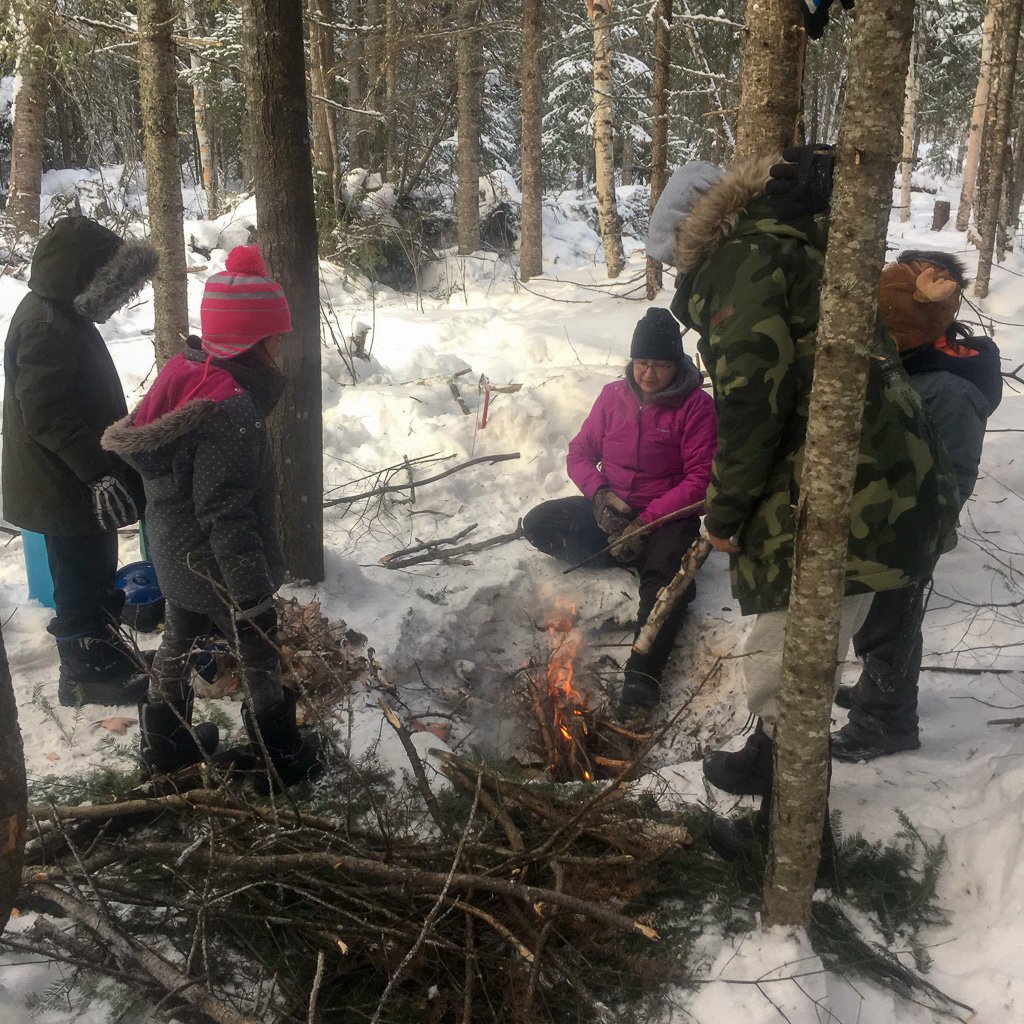
An Elder teaches students what kind of kindling they should use to build a fire

An Elder teaches students what kind of kindling they should use to build a fire


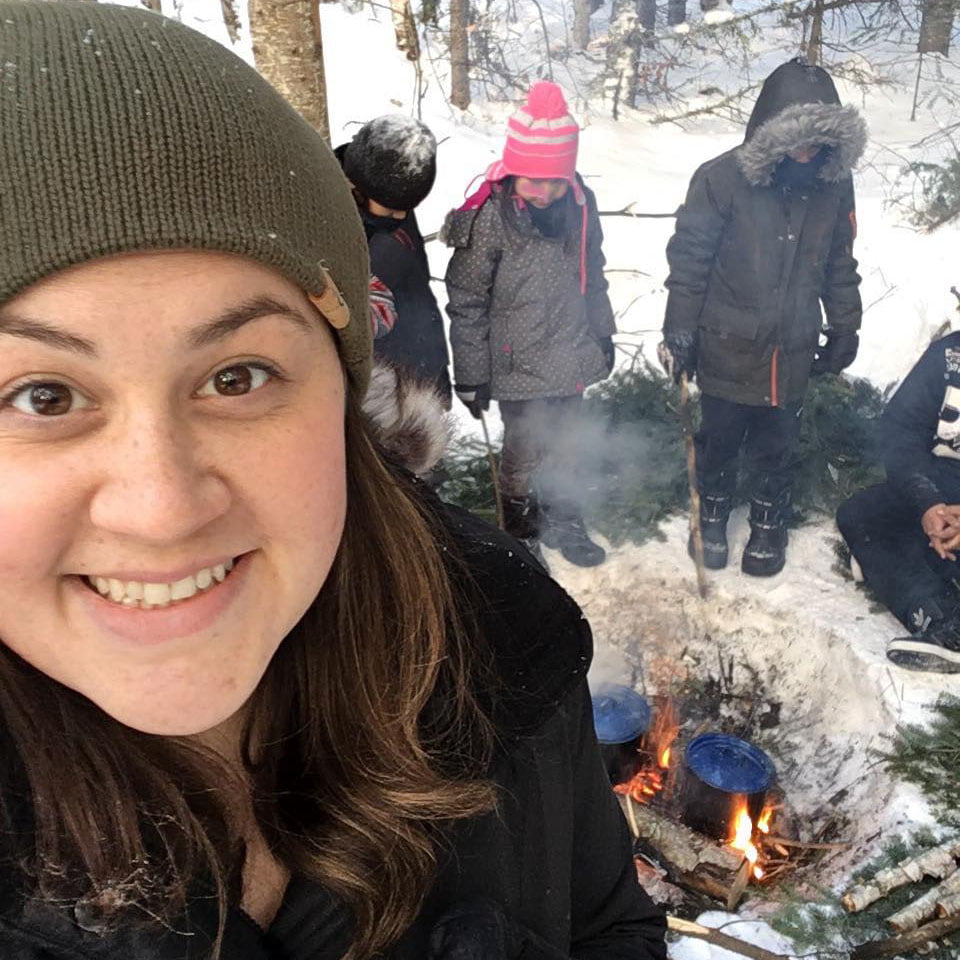
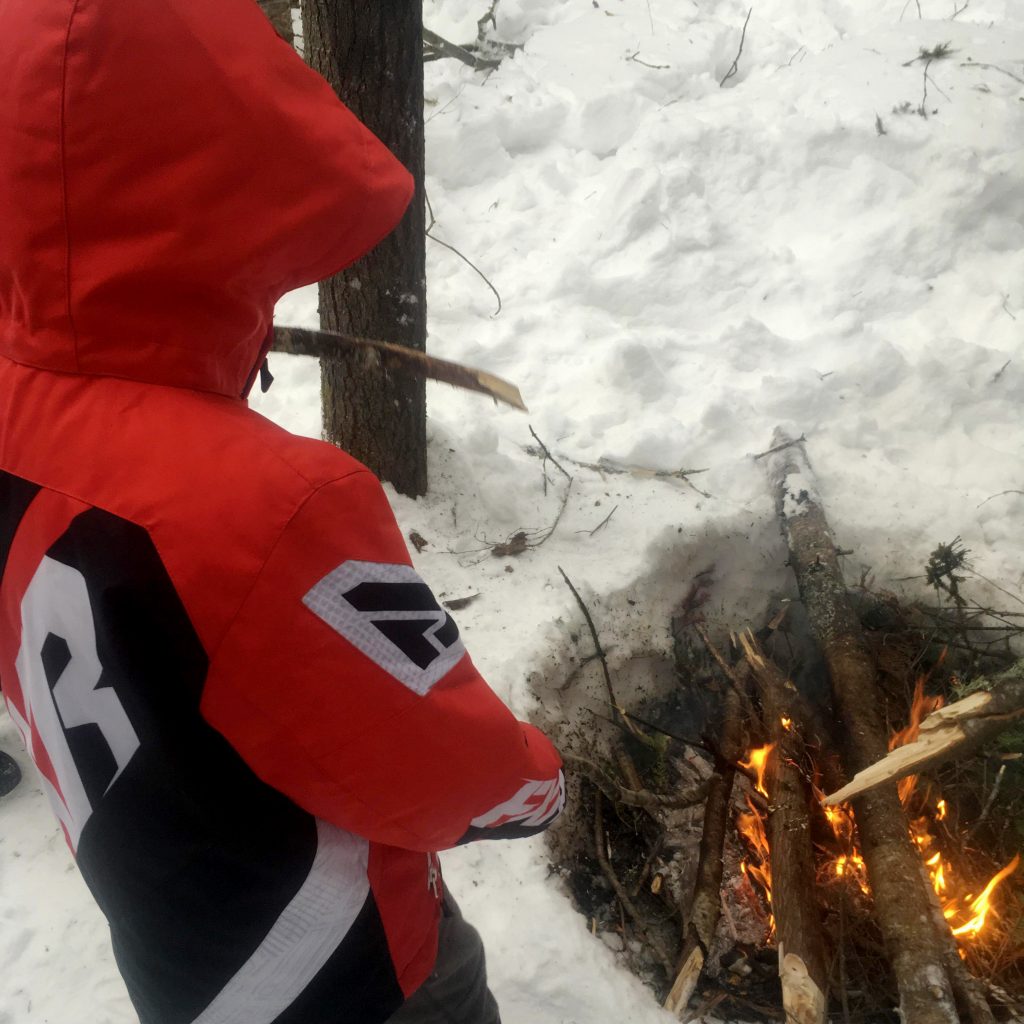
So, Emily took every opportunity presented by the school to organize cultural activities with community members, both inside and outside the classroom. Early on, an Elder took her class out on to the land to learn how to make shelters, how to tie different knots, and what to use for kindling. The focus was on traditional teachings and experiential learning.

Her students loved it.


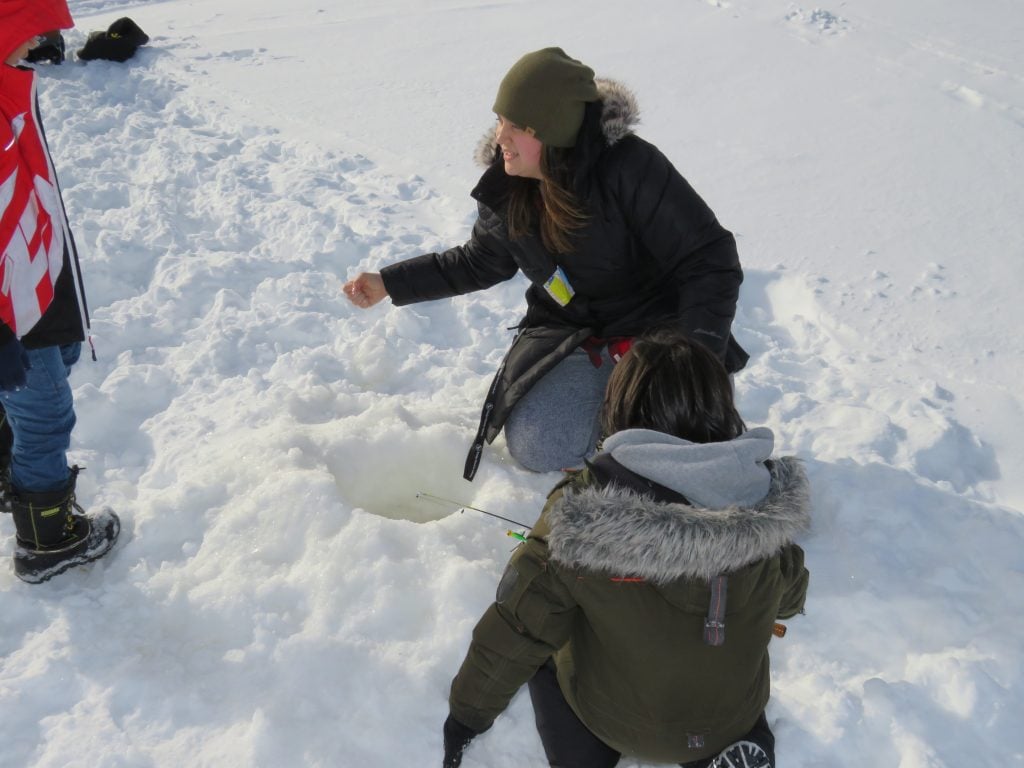
Emily goes ice fishing with her grade one students in Cat Lake First Nation

Emily goes ice fishing with her grade one students in Cat Lake First Nation


Seeing what worked, Emily strove to use culture, outdoor education, and play-based learning in various ways to engage her students. They took part in snowshoeing, rabbit snaring, and ice fishing. Her students were clearly energized by these traditional activities. Emily is working on other ways to use culture and language in her classroom.


Students learn how to make a fire in Cat Lake First Nation

Students learn how to make a fire in Cat Lake First Nation


A St Patrick’s Day Visitor

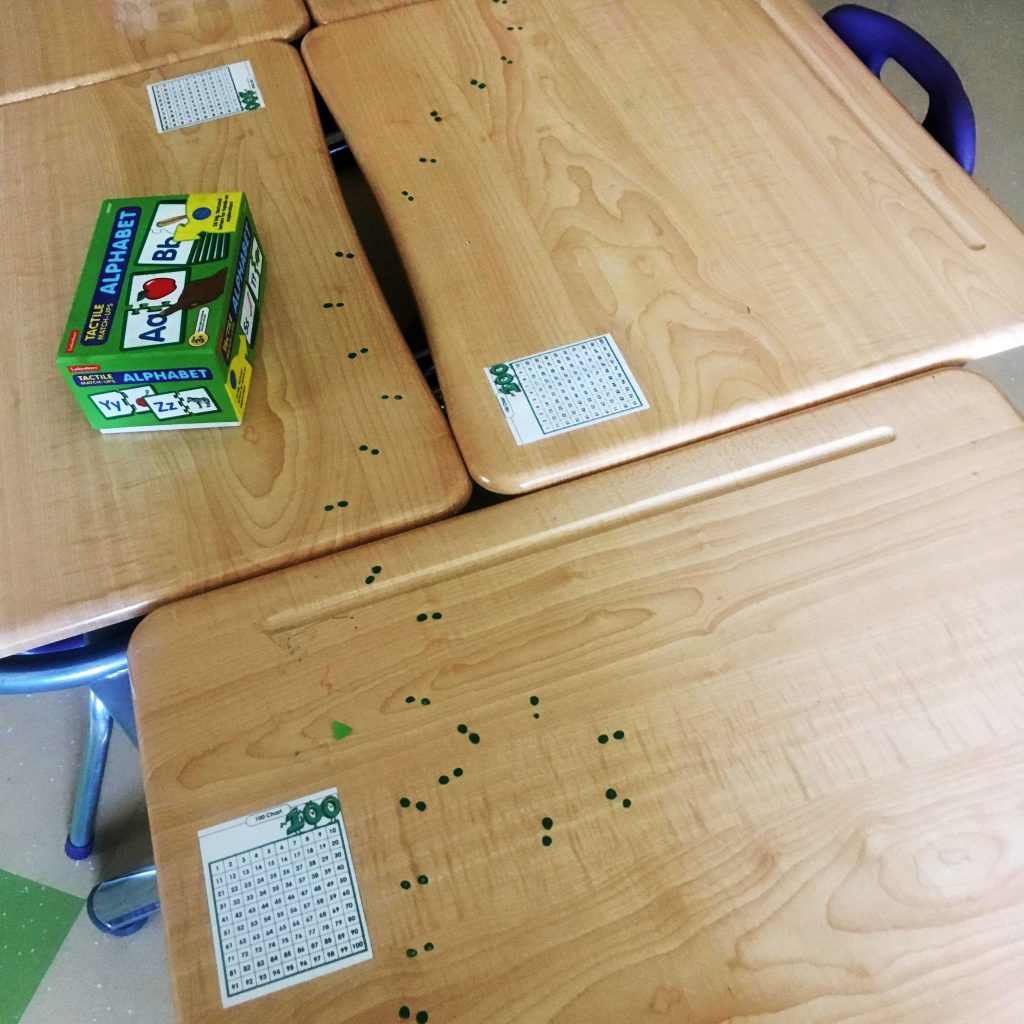
By the time March grew near, Emily knew her students and what they enjoyed. A Leprechaun for St Patrick’s Day would be just the thing to capture their imaginations! The Leprechaun visits at night, leaving behind a trail of footprints and “games” for the students to play. The first was a writing “game”, a task the students normally don’t like. “I thought they would see right through it,” admits Emily “but they didn’t!” In fact, they didn’t see it as work at all.


Leprechaun footprints indicate that he has visited the grade one class in Cat Lake First Nation

Leprechaun footprints indicates that he has visited the grade one class in Cat Lake First Nation


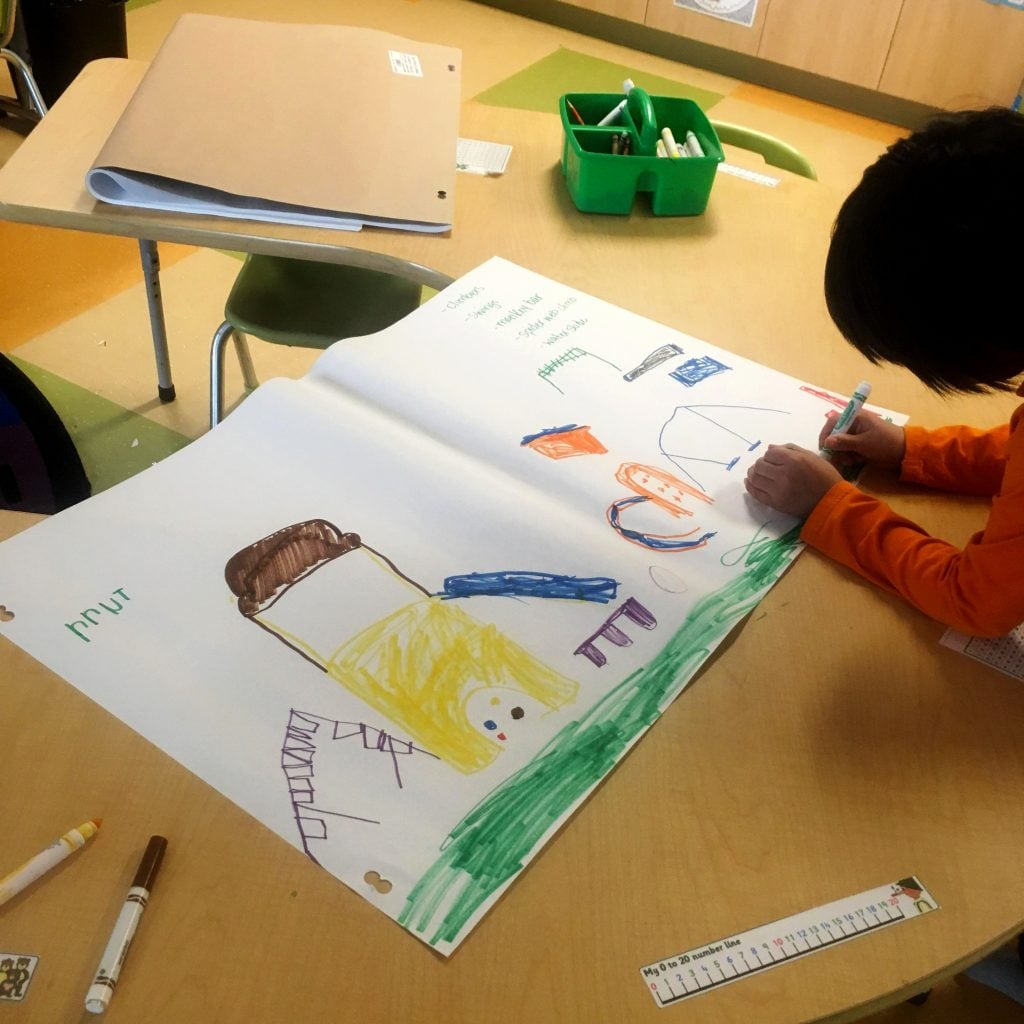
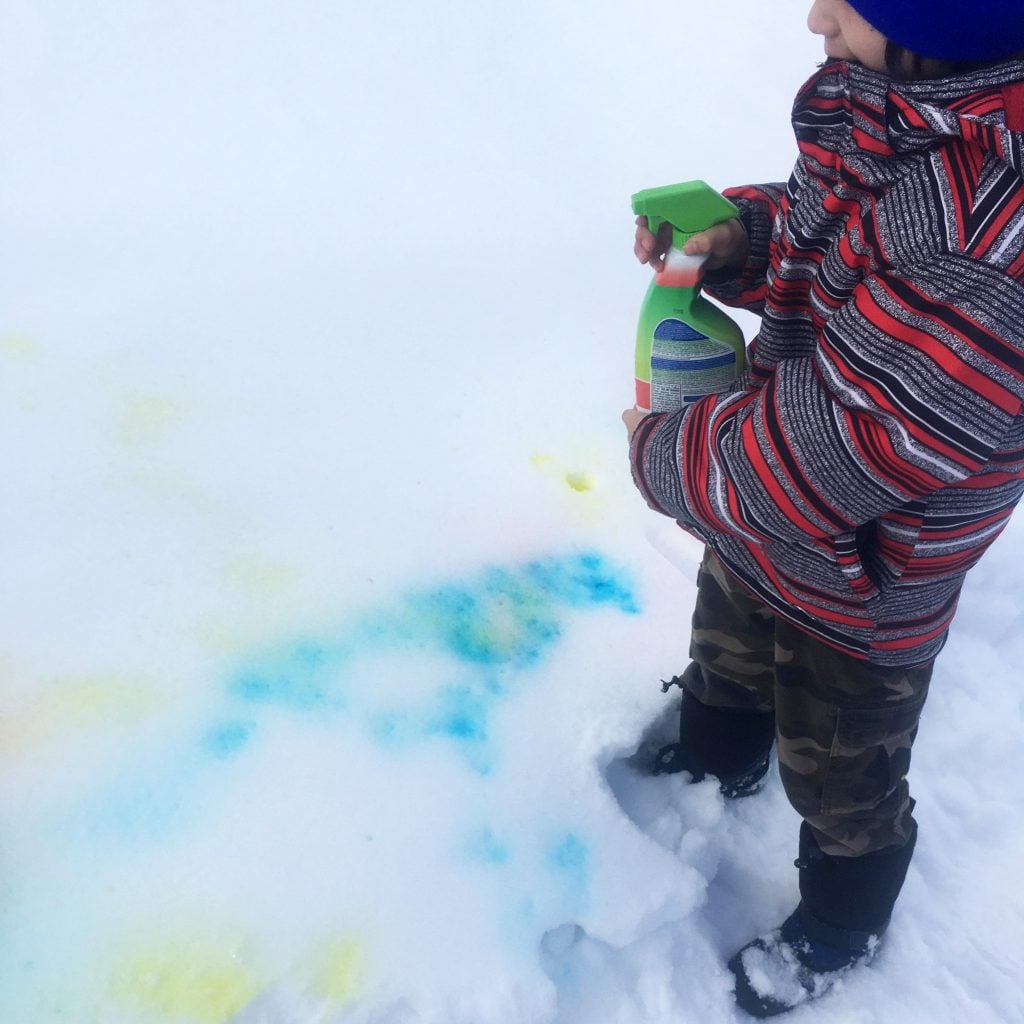
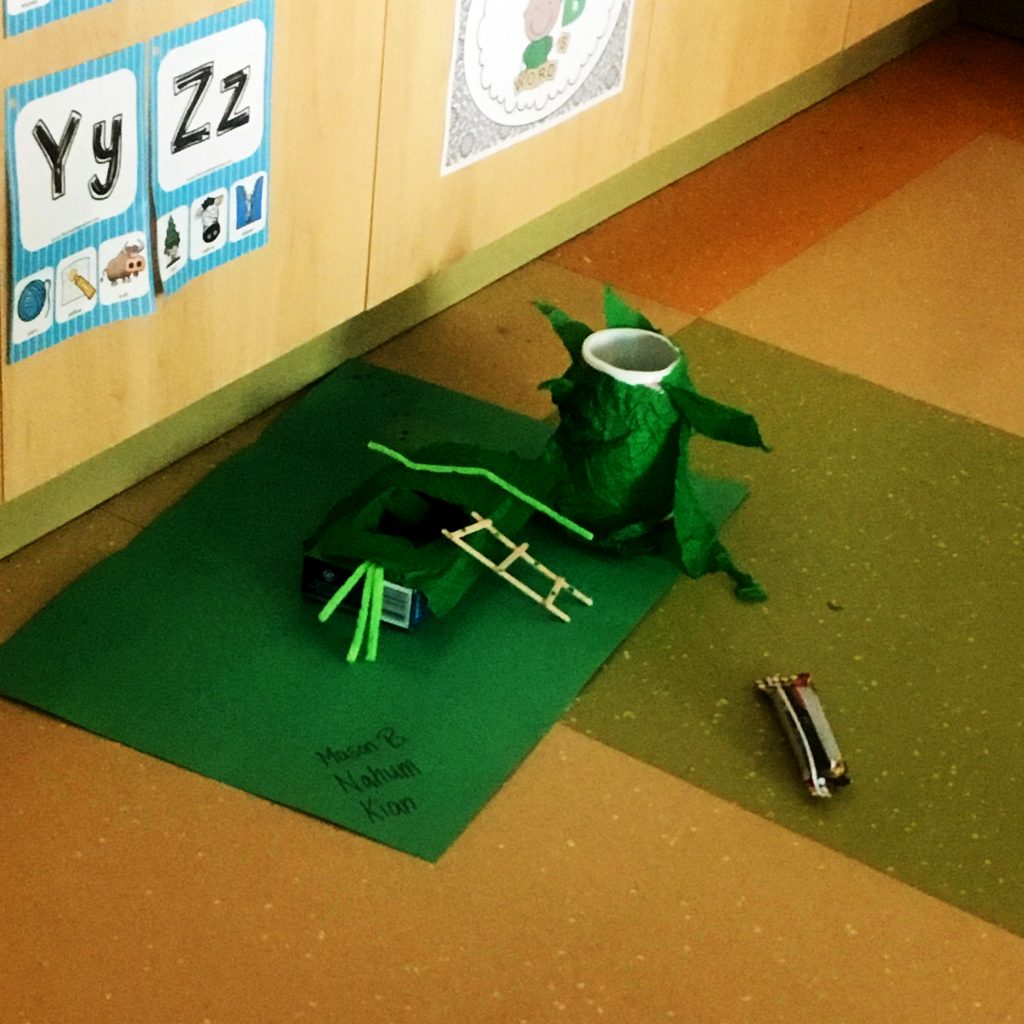
Over the last few weeks, they have learned about rainbows, mixing colours, and the weather. They have learned about structures by building Leprechaun traps using recyclable materials. They have written questions to learn more about the Leprechaun. Every lesson has direct ties to the curriculum.


Grade 1 sudents learn about colour mixing outside in Cat Lake First Nation

Grade one sudents learn about colour mixing outside in the snow in Cat Lake First Nation


The biggest and most unexpected success for Emily was when the traps proved unsuccessful in catching the Leprechaun. The students came up with their own solution. “They wanted to write him notes, completely on their own. They walked around the classroom. I have the alphabet and words on the walls, and they were writing him notes and putting them in traps.”


Students learn about structures by building Leprechaun traps

Students learn about structures by building Leprechaun traps


Hard Work that Has Paid Off

When Emily was applying to teach in the North a year ago, she never imagined doing St Patrick’s Day themed activities with her students. But she took the time to get to know them, understand what motivated them, and she adapted her lessons accordingly. Clearly, focusing on traditional, cultural teachings was a hit, and adding the playful nature of the Leprechaun visits got her students learning while having fun.


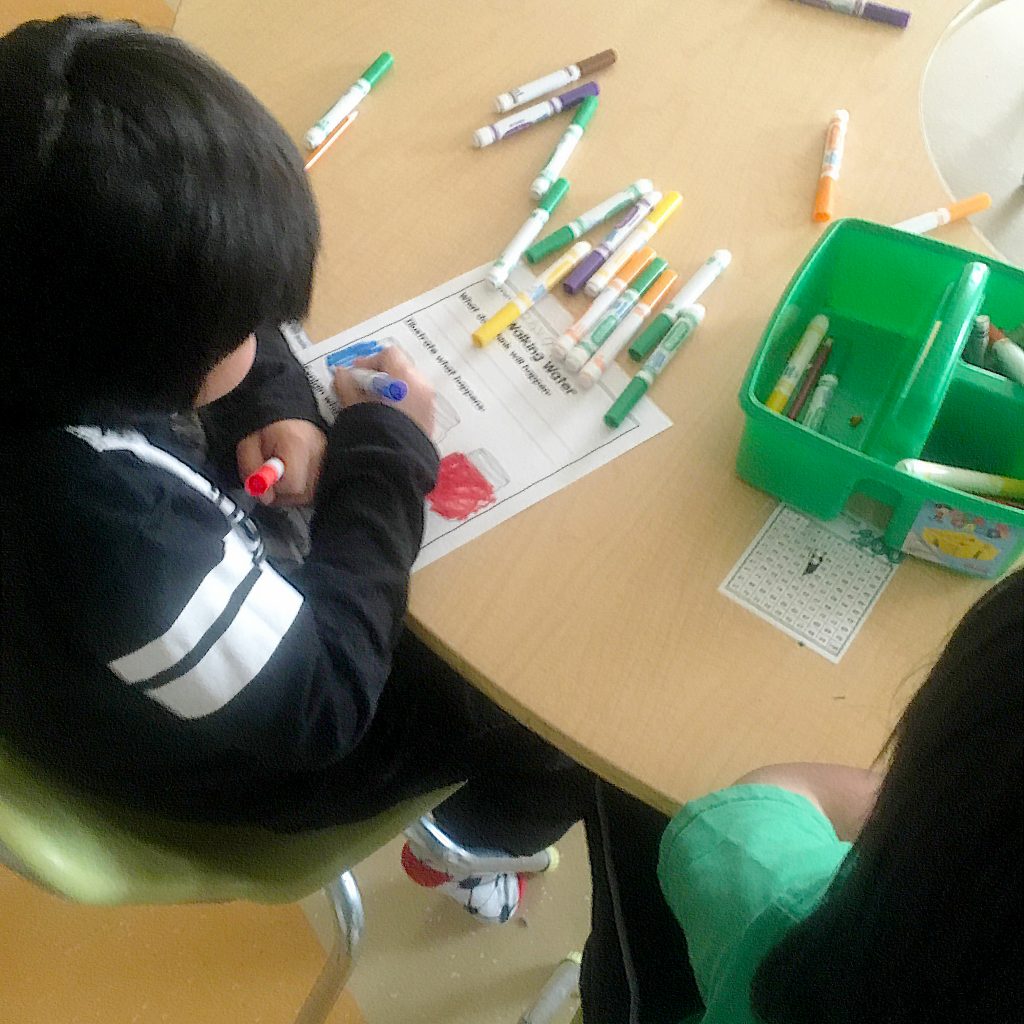
Students are interested in learning about colour mixing and rainbows after the Leprechaun visits

Students learn about colour mixing and rainbows after the Leprechaun visits


“When I see how far they have come, it is so great and I can say that all the time and effort was worth it. They are excited, they like to come to school, and they like to do the stuff that we do. Everything I have gone through, it makes it completely worth it.”


Emily expects that Peter Rabbit will be visiting her classroom some time soon…

adfafda

The Importance of Showing Students You Care

Posted by Meredith Stapon

Matt Fairley started teaching grade 7/8 in Cat Lake First Nation in September 2017. Before deciding to go North to teach with Teach For Canada, Matt completed his Bachelor of Arts (Hons) and Bachelor of Education at Brock University. He is originally from Thorold, Ontario.


Matt Fairley during the KAIROS Blanket Exercise at the Summer Enrichment Program

Matt Fairley during the KAIROS Blanket Exercise at the Summer Enrichment Program


Why go North?

From the moment I told my friends and family that I was moving North to teach, I was mainly asked two questions: why was I going? What was I expecting once I got there? I thought about the first question a lot more than the second, particularly as it came up several times throughout Teach For Canada’s selection process.

My decision to move to a northern First Nation to teach is rooted in my love of history. For years I was taught a version of Canada’s history that was twisted to hide the atrocities and injustices of our nation’s past. Thanks to a handful of great teachers, I was introduced to these issues at a young age and it shaped the way that I came to see history. During each history class, there were always a few weeks dedicated to the Indigenous perspective, however it was typically presented as a passing story. I became tired of learning about Indigenous Peoples in Canada as victims or names on pages; I wanted to expand my knowledge of their histories and cultures.

Teach For Canada provided me with the opportunity to do just that. As for what I expected once I moved North, I was truly clueless. It was at the Summer Enrichment Program in Thunder Bay that I started to get an idea of what I was getting myself into, however no amount of preparation can ready you for the real experience.


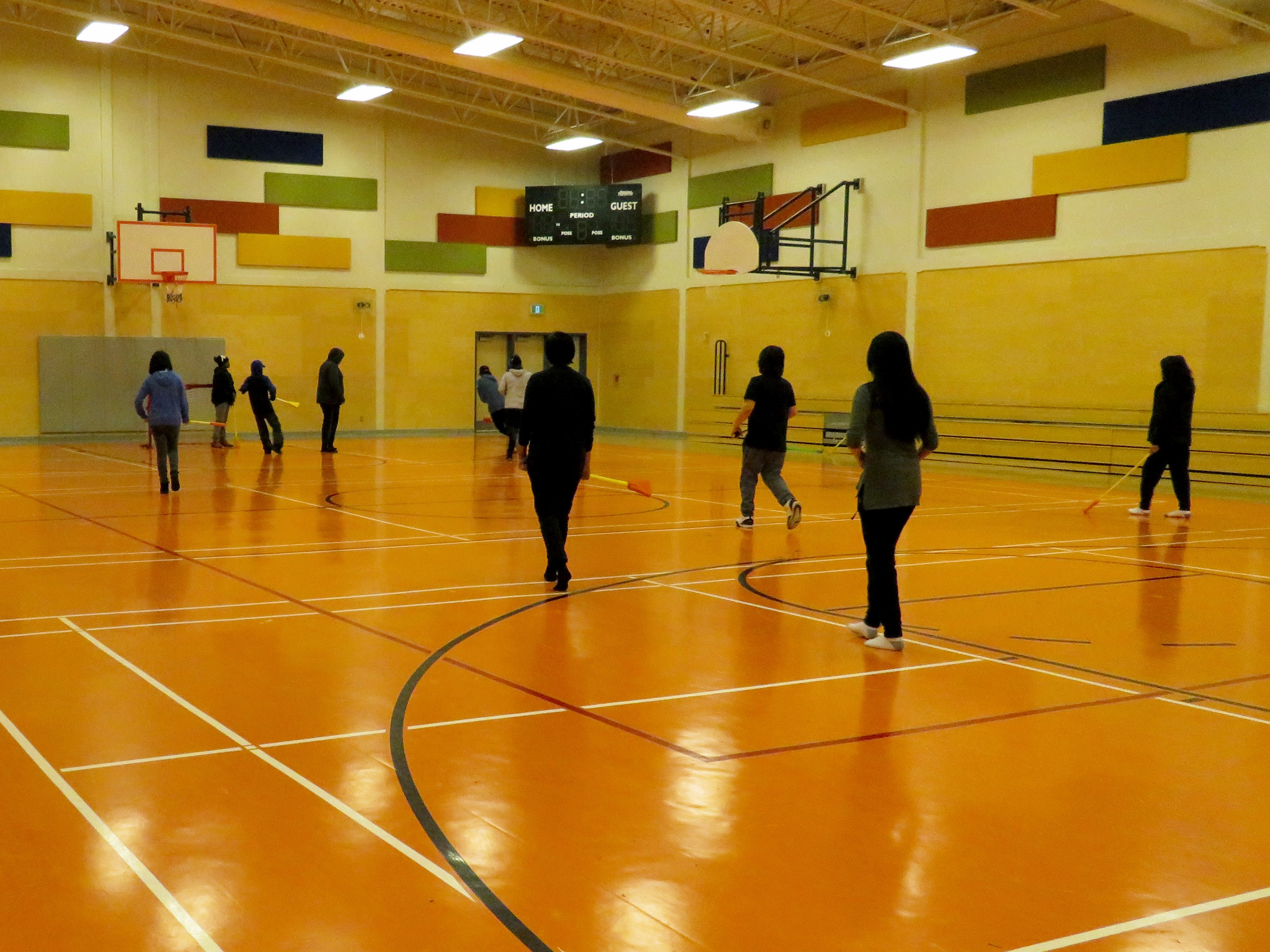
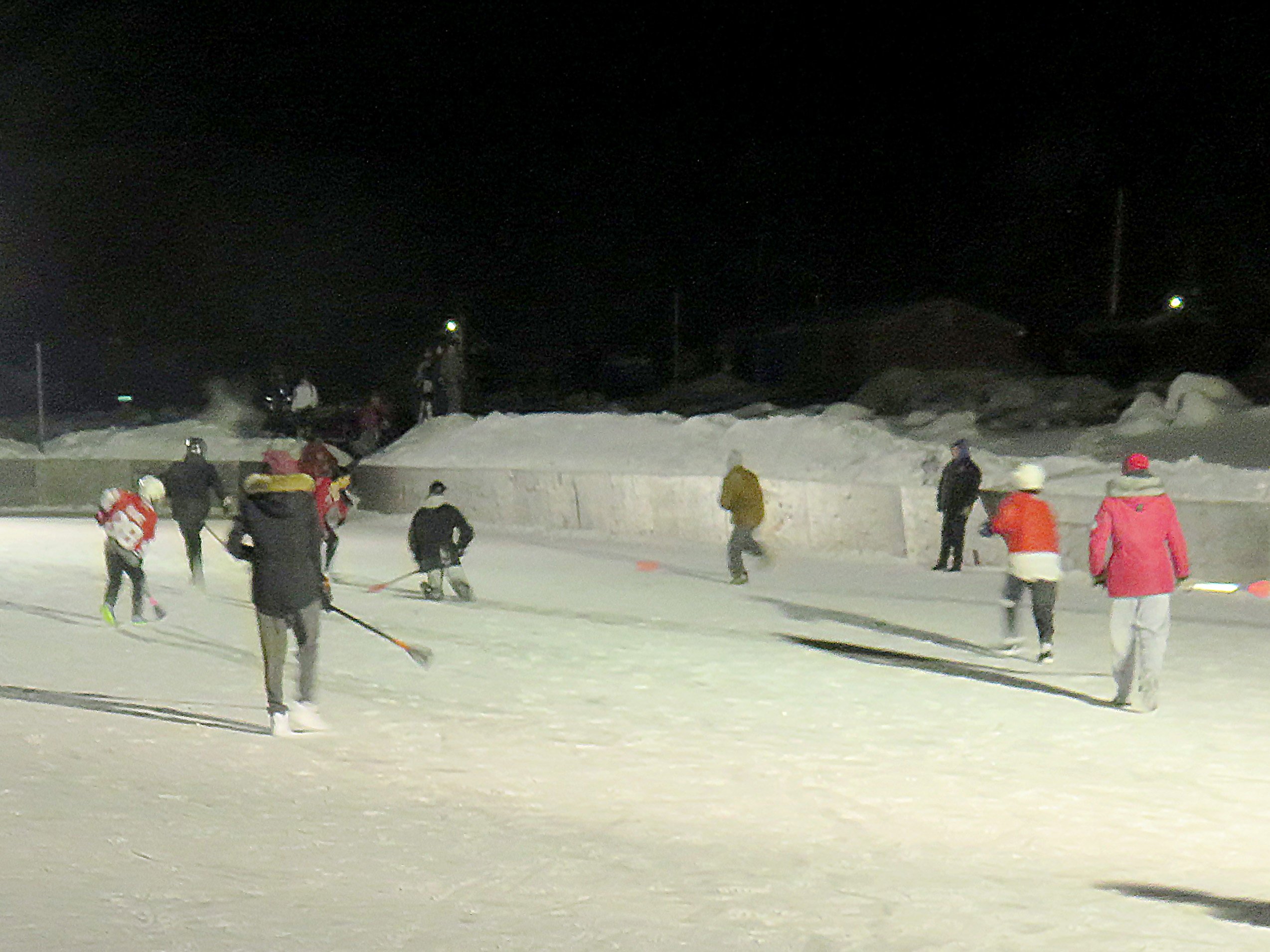
Kids playing broomball in Cat Lake First Nation

Kids playing broomball in Cat Lake First Nation


First Year of Teaching

As a first-year teacher, my biggest fear coming into this adventure was whether or not I would be able to handle the classroom behaviours that I would likely face. I had been told that the best way to get the students on my side would be to get involved in activities outside of class. So when the staff was signing up for various duties, I volunteered to help run a boys’ youth night and to help coach girls’ broomball (even though I had no idea how to play). I chose to help with these two extracurricular activities because it would allow me to interact with all of my students outside of the classroom.


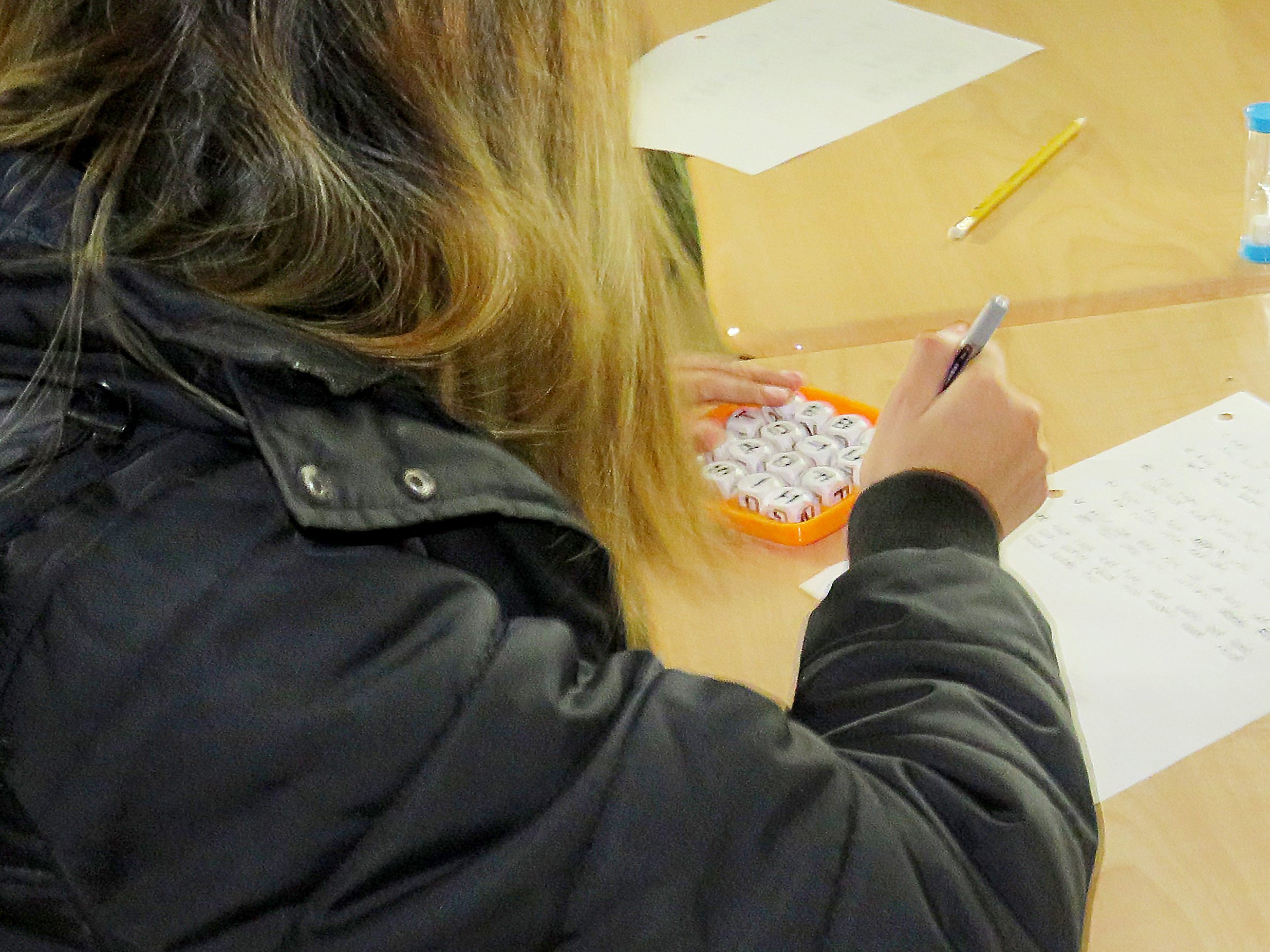
Student playing Boggle in Cat Lake

Student playing Boggle in Cat Lake


From day one my fears became a reality, and I found myself trying on a daily basis to keep my classroom contained and safe for the students, the teaching assistant, and myself. Having a class of 25 grade seven and eight students, ranging in age from 11 to 17, was definitely a handful. All of the students were testing me and seeing what they could get away with. For the first two months, it was like they took turns seeing who could get under my skin. I could not predict which of my students I had to keep an eye on. However, one student seemed particularly intent on picking arguments with me and testing whether he could push me until I broke.


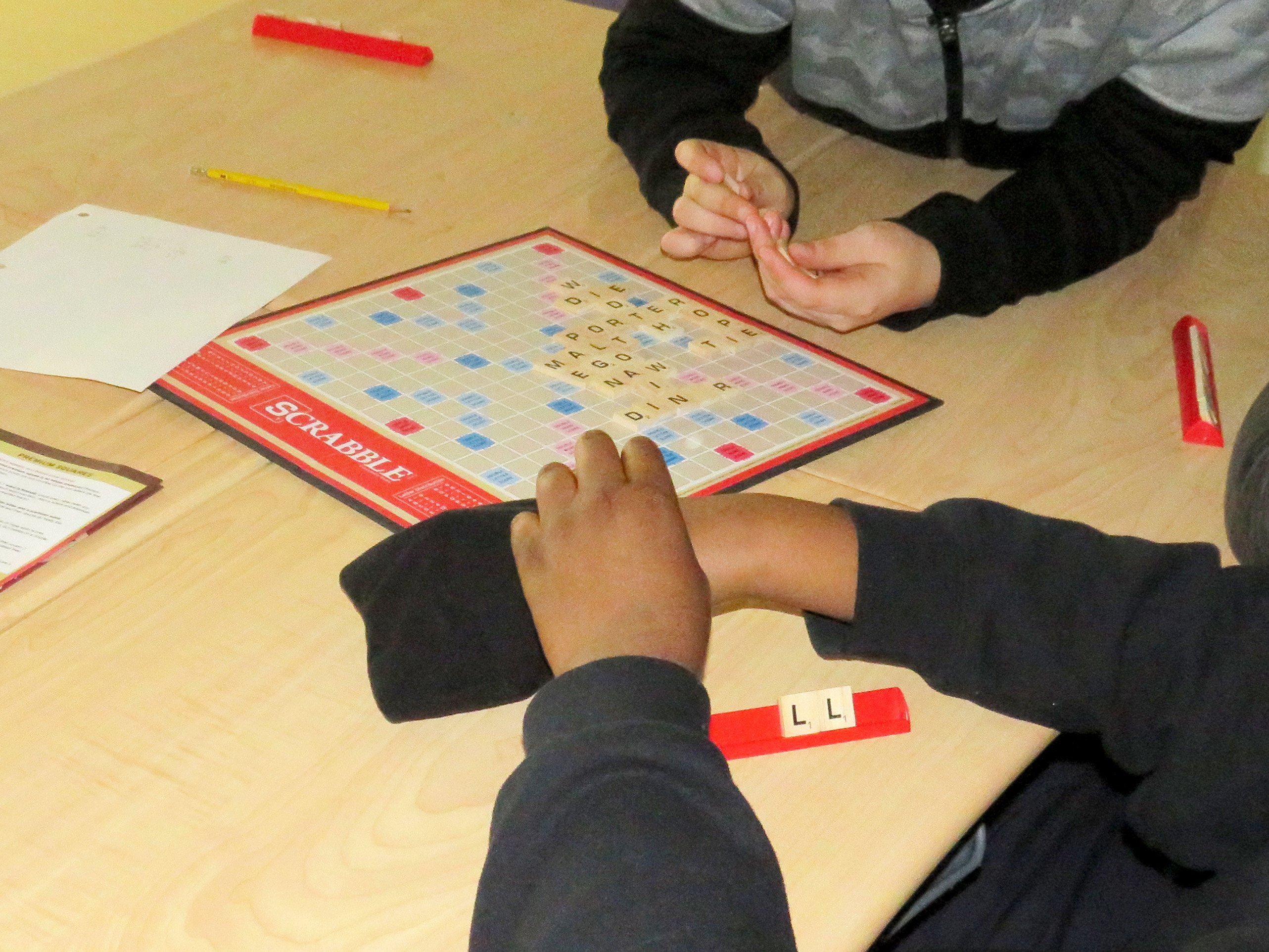
Students playing Scrabble in Cat Lake First Nation

Students playing Scrabble in Cat Lake First Nation


For the majority of the first two months of school, this particular student (Student ~) made my life incredibly difficult. I was attempting to build a rapport with him during the boys’ youth night but I couldn’t seem to get through. Student ~ was constantly telling me that I was only “acting nice” and his behaviour was actually getting worse. I was at a complete loss as to what to do. I was starting to think that I should resign myself to accepting that Student ~ would act this way for the rest of the year. It was difficult for me to think that I might give up on him. I came into this experience knowing that I would not be able to reach every student. Yet, there is a difference between knowing something intellectually and experiencing it in real life.


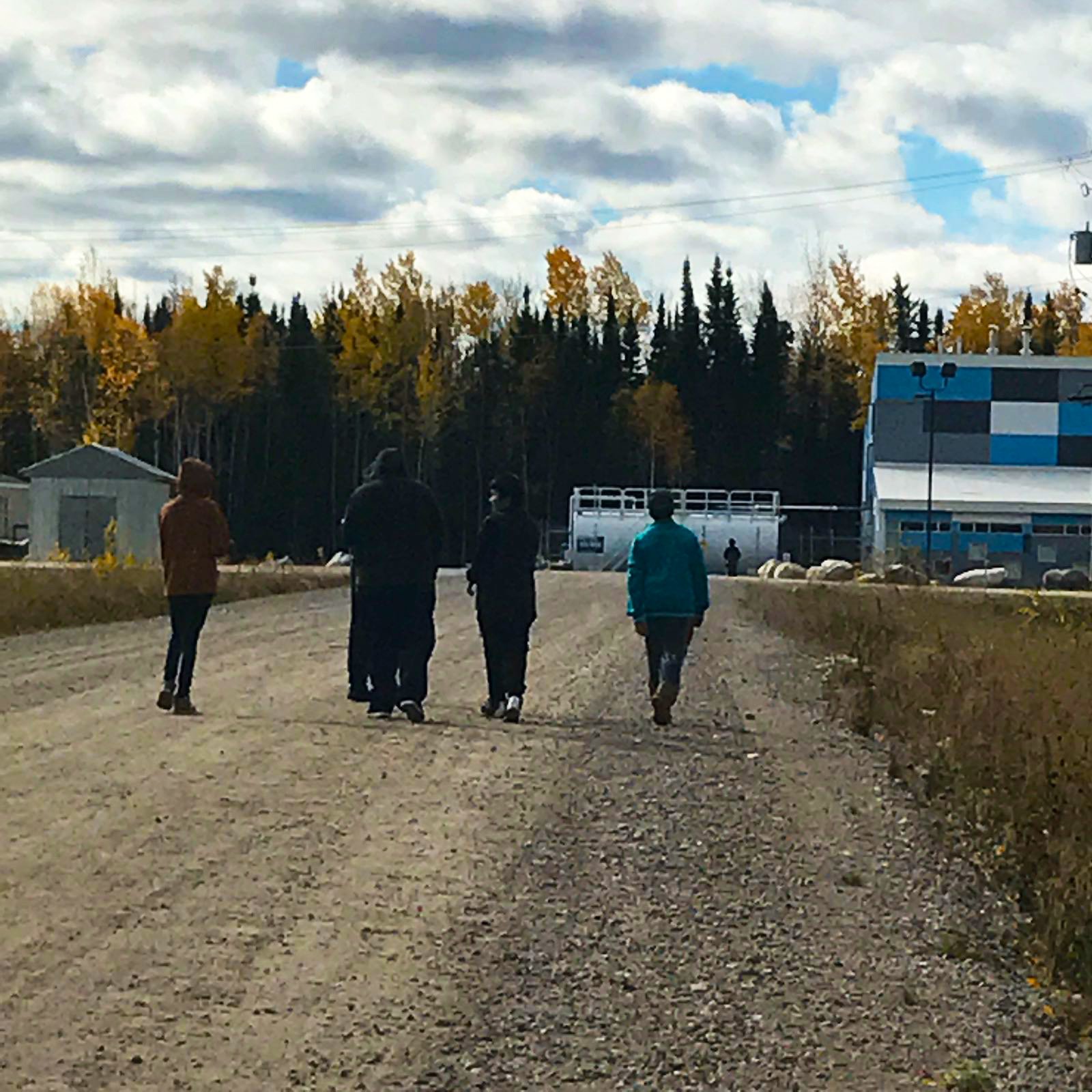
Students walking in Cat Lake First Nation

Students walking in Cat Lake First Nation


A Challenging Fall at School

In addition to the challenges I was facing in the class, there was an extended period when there was no school principal. Fortunately, the Education Director stepped up to the task to offer some school leadership. Still, it was a challenging time. What made things worse is that I kept hearing something that made me feel like a complete failure. “They weren’t like that last year.” While not meant to hurt me, hearing it repeatedly from a number of people in the school and the community, made me feel like the students behaviour was my fault.


Outdoor broomball in Cat Lake First Nation

Outdoor broomball in Cat Lake First Nation


Turning a Corner with Student ~

It was not until late November that I finally realized that the time and energy I was investing to build a rapport with Student ~ was beginning to pay off. The first sign that I was making progress with him came when I was being evaluated. The students were curious when I told them that an evaluator was coming.

After I explained his role, Student ~ emphatically said, “We believe in you Matt.”

The comment did not really sink in until lunch, when I had time to reflect on the morning.

After the Christmas break, I invited a few students to the school one Saturday night to watch the New England Patriots game on the smartboard in class. Student ~ gladly agreed to come, which I figured was because he liked football. When I asked him if he enjoyed watching the game, he replied no. So I asked him why he had chosen to come.  To my surprise, he responded: “Well I am starting to like you.”


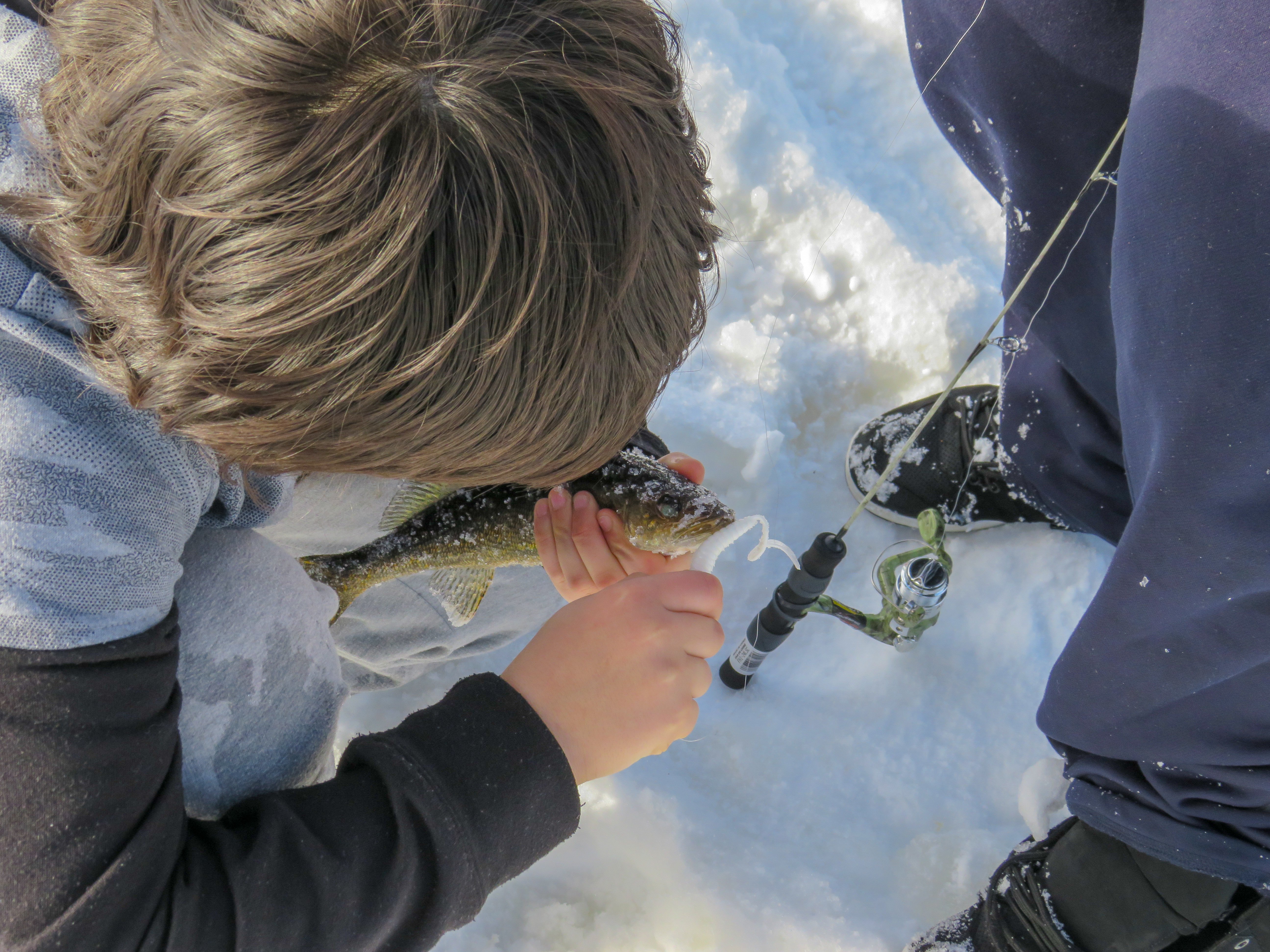
A student unhooking a fish caught ice fishing in Cat Lake First Nation

A student unhooking a fish caught ice fishing in Cat Lake First Nation


A Classroom Leader

Incidents with Student ~ are now far fewer and smaller. In the end, I never gave up trying to understand him better outside of the classroom. With some persistence, I was able to break through and have him become one of the best-behaved students in the classroom, as well as one of the best young leaders in the school. What I learned is that no student, no matter how difficult or hopeless things may seem, is a lost cause. This is especially true in the North, where there are more opportunities to get to know the students outside of the classroom. I have learned quite a bit about Student ~ and his home life through my efforts to build a rapport with him. Having this particular student on my side for the past few months has made the day-to-day challenges of being a first-year teacher more manageable.

Student ~ has taught me one of the most valuable lessons that I think I could have learned as first-year educator: never underestimate the importance of showing students that you care.

Even when it feels like there is no way you are getting through to them, you really are.

It may take days, weeks, months or even years, but eventually they will begin to believe that you truly care about them. My first months of teaching could have been much less stressful and I could have had a better behaved class. But I would not trade my experience with my current group of students for anything.

adfafda

Teacher Feature: Kurtis Hansen

Posted by Meredith Stapon

Since the fall of 2016, Kurtis Hansen has been teaching Kindergarten in Big Grassy River First Nation. Before going to teach in the North through Teach For Canada, Kurtis taught in the United Kingdom. Kurtis holds a Bachelor of Arts (Hons) and a Bachelor of Education from Laurentian University. He is originally from Greenwood, Pickering.  


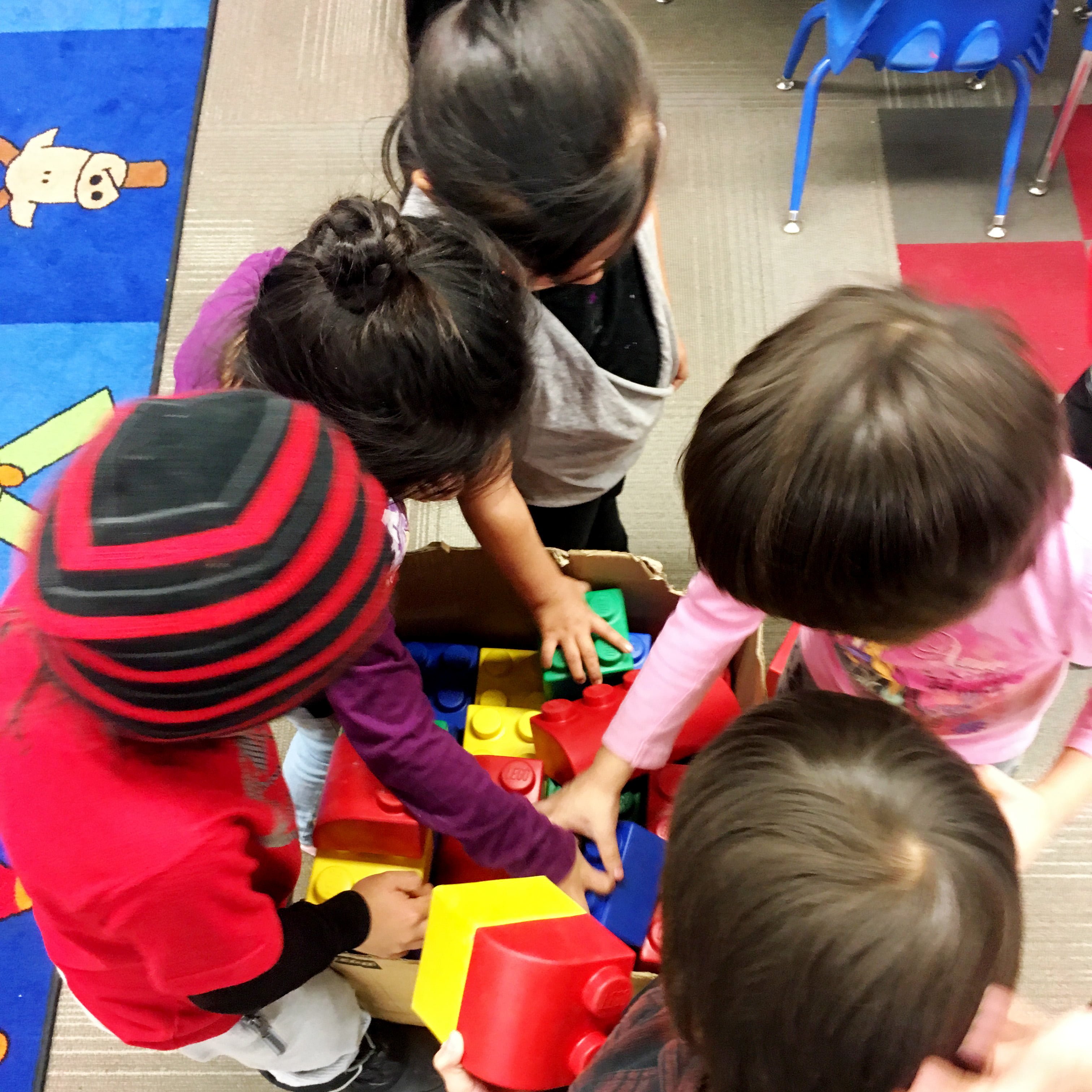
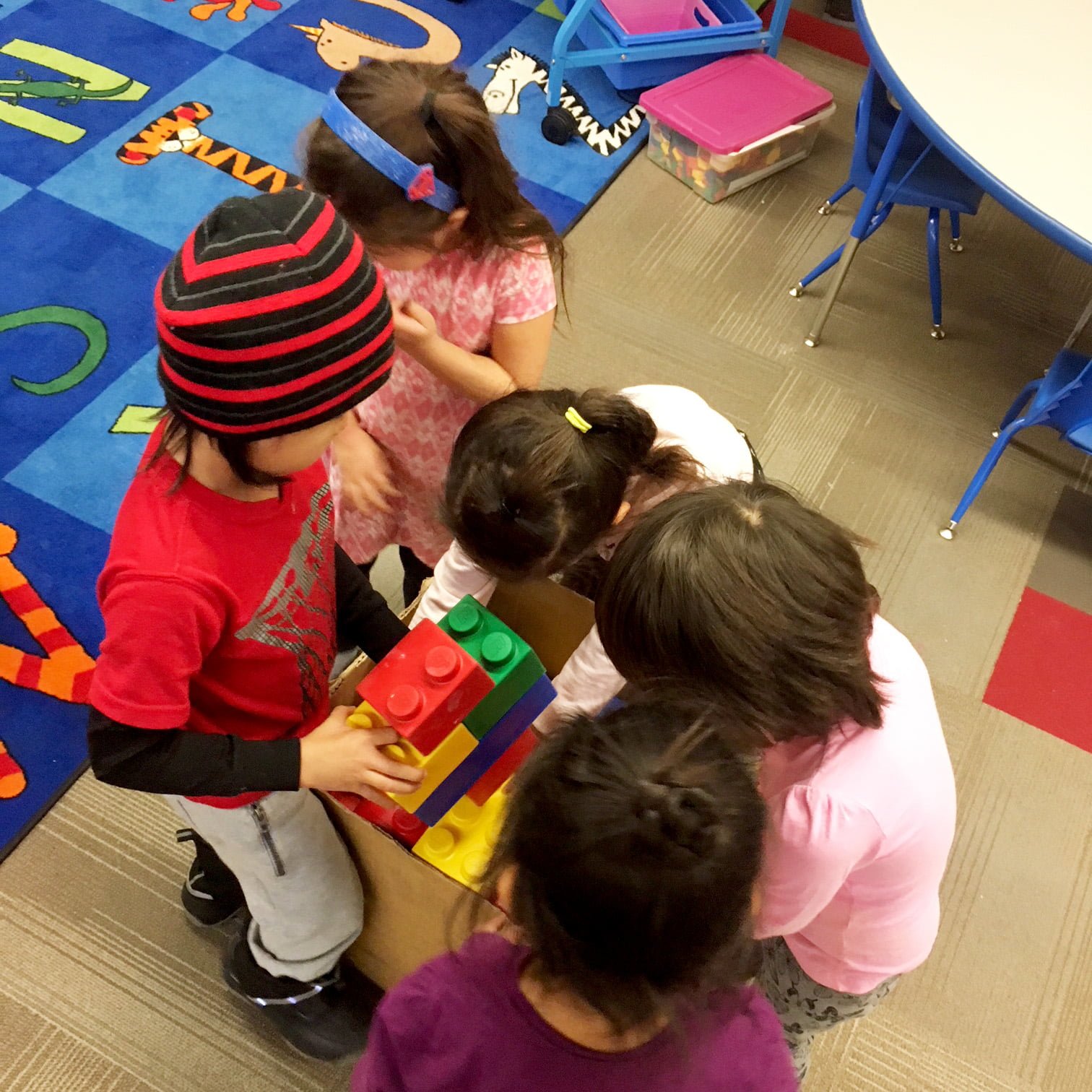
Kindergarten students choosing a toy

Kindergarten students choosing a toy


Teaching Kindergarten is not for everyone. Four and five year old children are at the very beginning of their academic journeys and can be a lot to handle. They’re just beginning to build their skill sets. With the right person teaching them, however, they can make massive leaps in social as well as academic skill levels.

Teach For Canada teacher Kurtis Hansen did not intend to teach Kindergarten. Originally looking for a position teaching older children, he took a leap and accepted the only open position at Pegamigaabo Elementary School in Big Grassy River First Nation in the middle of the school year in the fall of 2016. It couldn’t have worked out better for everyone involved.


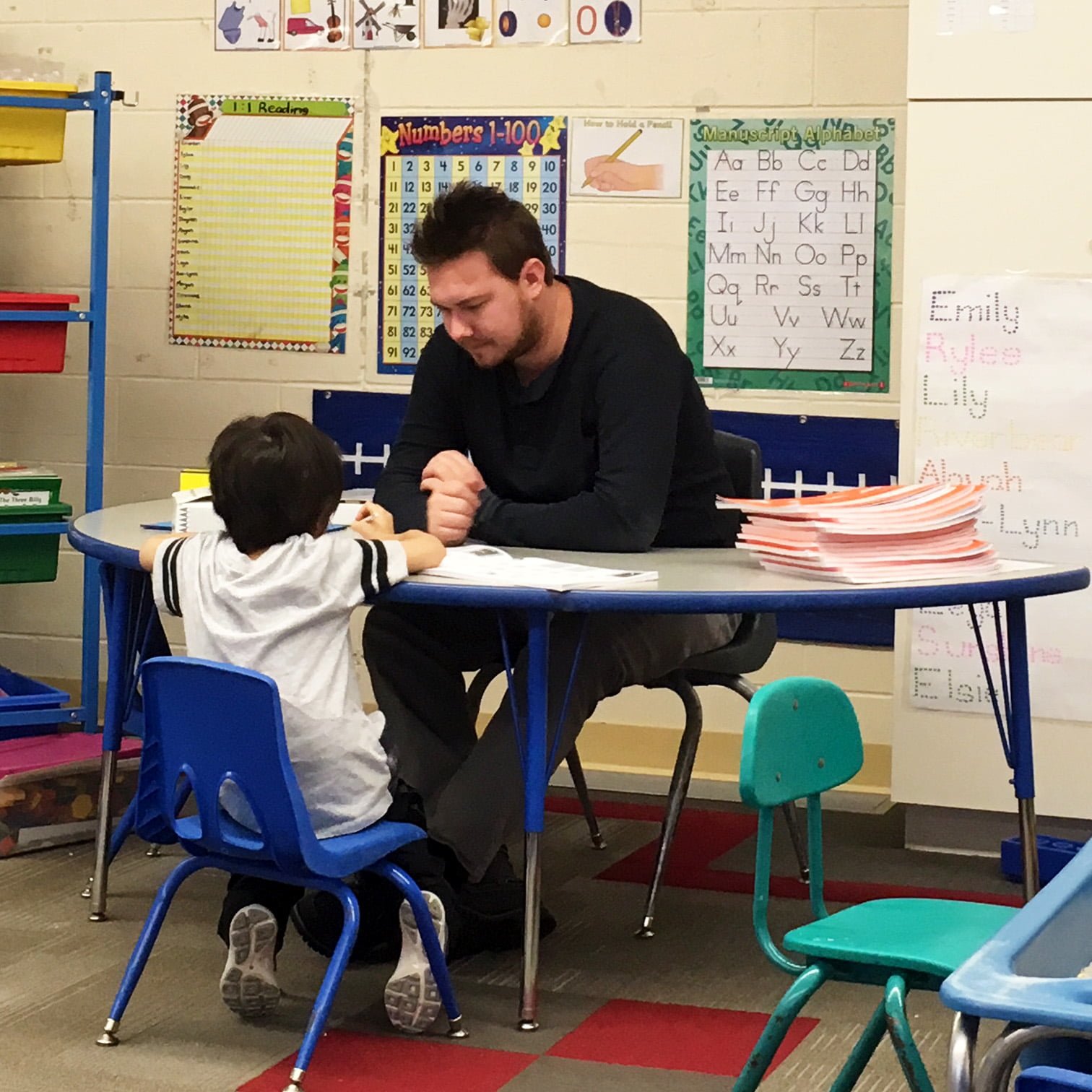
Kurtis works one-on-one with a student

Kurtis works one-on-one with a student


One reason for this success is that Kurtis sets very high standards for himself and his students. His level of preparation is inspiring. He stays several steps ahead of his lesson plan. While the students are working on one thing, the next two are already prepared and waiting. It’s wonderful to see Kurtis and the education assistant, Kim, work in constant coordination. They have their preparation routines down to a science.


Kids learn through play in Kurtis's class

Kids learn through play in Kurtis’s class


Kurtis recognizes the value of play, but won’t give up his learning goals for his students. So they play. They play all the time. But everything they do has learning objectives. Art sessions include socialization outcomes as well as shape recognition. Letters to Santa at Christmastime are highly individualized to encourage each student to make progress on his or her skills. Some are able to write some of the words, others trace letters. Everyone works according to his or her level and grows.


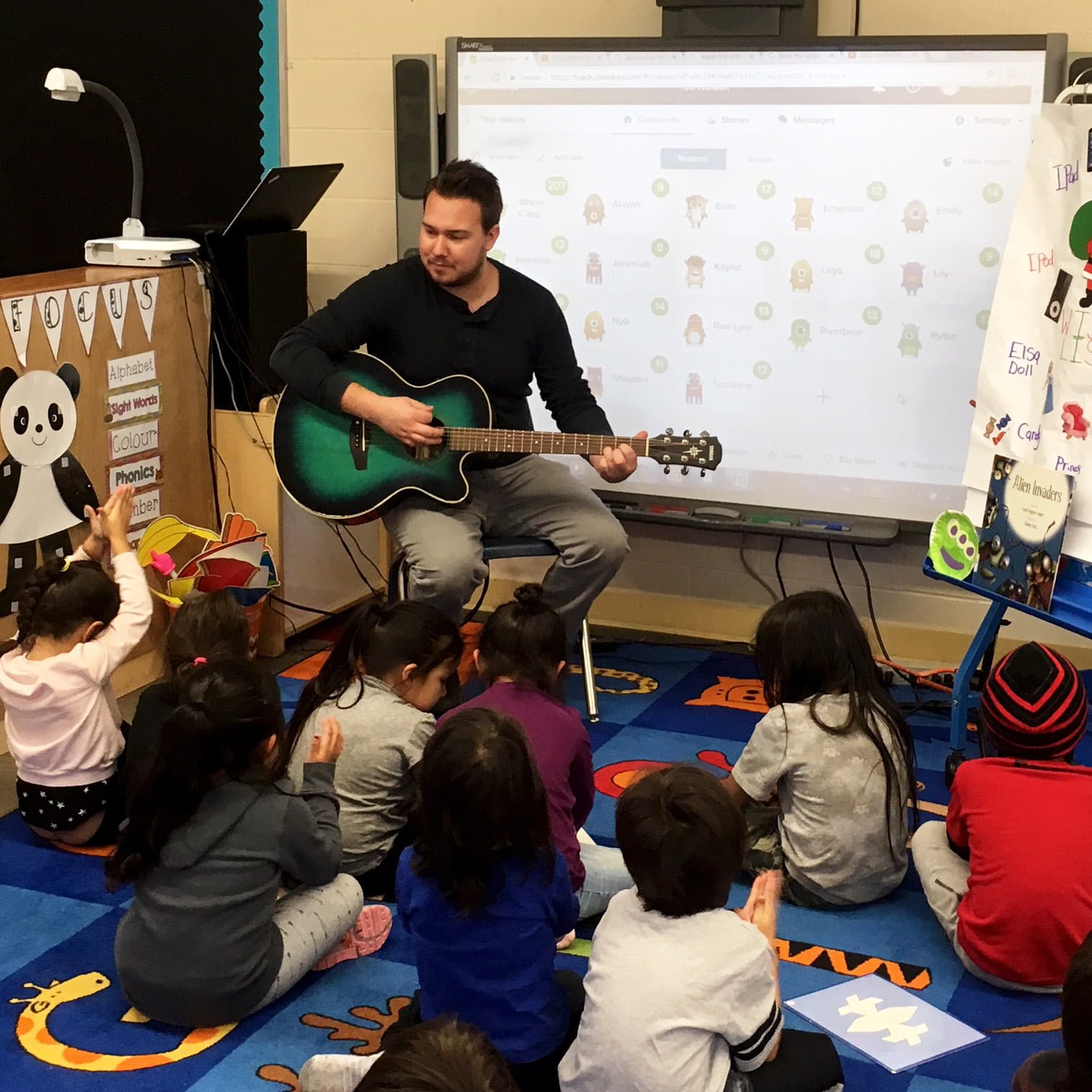
Kurtis plays the guitar to help with transitions

Kurtis plays the guitar to help with transitions


Transitions are one of the most difficult challenges at this age. Any parent who has to tell their four year old that it’s time to leave the park or put down their colouring knows that kids that age struggle with going from one activity to another. Kurtis certainly knows this challenge. But he has solutions. Transition songs, cues, and positive reinforcement for those who shift from one learning activity to another quickly, all work well in his class. His station-based learning methods make these transitions go smoothly and the children benefit from his firm schedule.

It’s a pleasure watching Kurtis, Kim, and the Kindergarten students engage with their work.

At times it almost feels like a children’s educational program on television as Kurtis sings the students through a lesson or through a transition to the next activity.

One thing is for certain, the Kindergarten students in Pegamigaabo Elementary School are learning from a gifted teacher.

adfafda

Teacher Feature: Benjamin Gallup

Posted by Meredith Stapon

Benjamin started teaching high school English, Learning Strategies, and Physical Education in Keewaywin First Nation in September 2016 with Keewaytinook Internet High School (KiHS). Originally from Ottawa, Benjamin completed his Bachelor of Arts, Honours, and his Bachelor of Education at the University of Ottawa, before going to teach in the North with Teach For Canada.


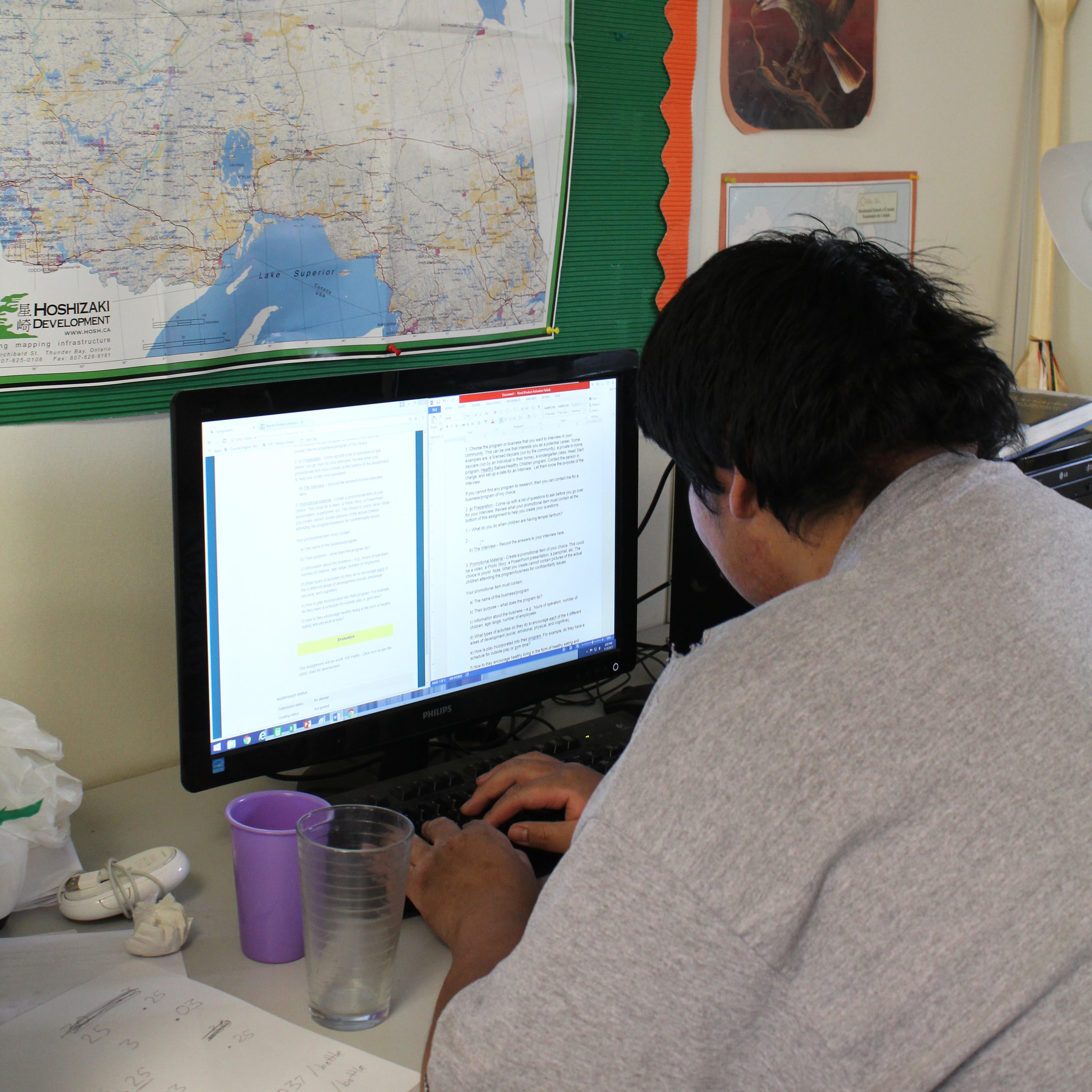
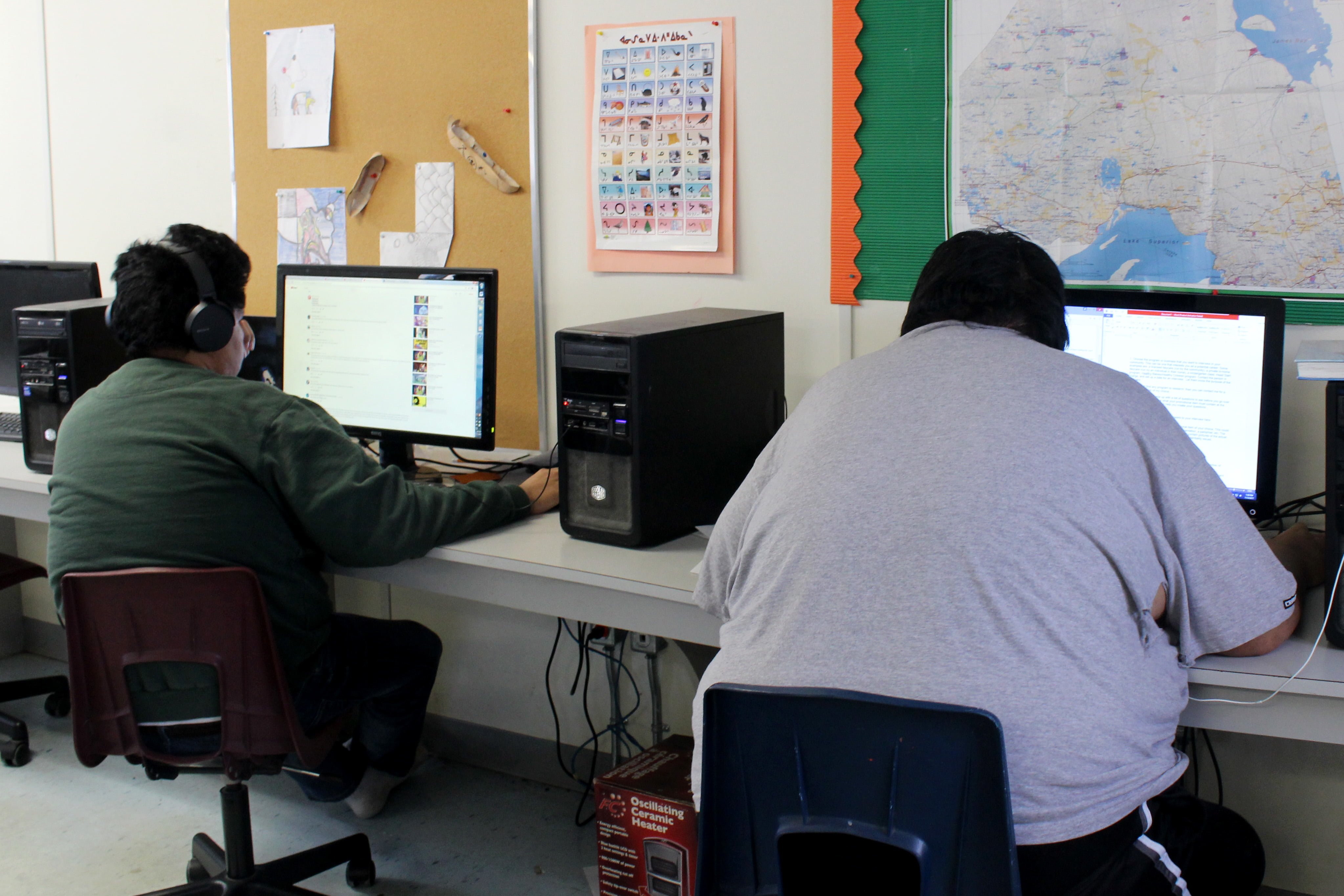
High school student working on a computer in Keewaywin First Nation

High school student working on a computer in Keewaywin First Nation


High school education in most northern First Nations differs significantly from the options that exist in the South. Many communities do not have a high school because of a lack of infrastructure, funding, and smaller populations.  Students who wish to pursue their studies after grade eight need to leave the community to go to high school in cities such as Dryden or Thunder Bay. Some First Nations, however, offer an alternative to leaving. Keewaywin First Nation is one of those communities.


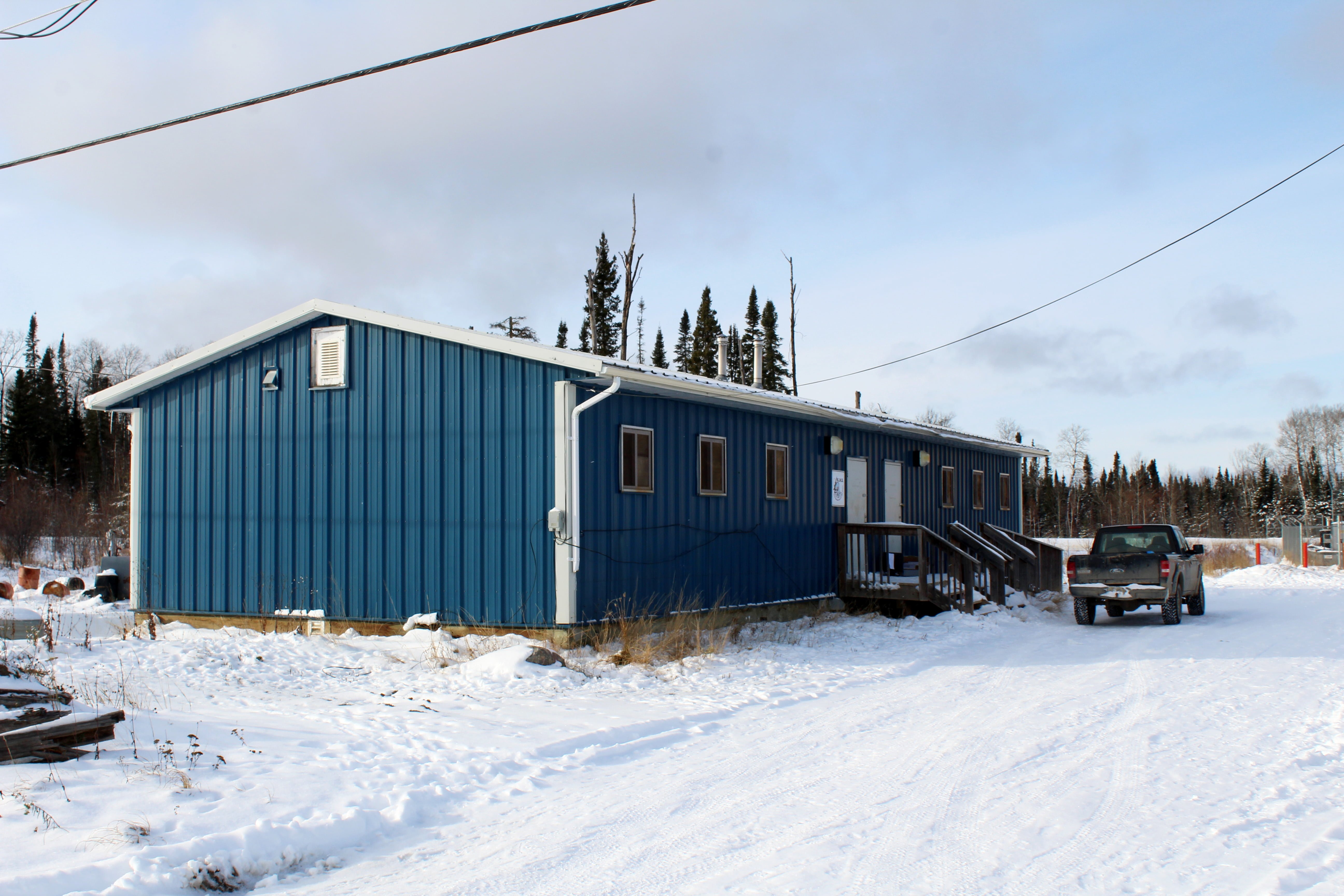
Keewaytinook Internet High School portable in Keewaywin First Nation

Keewaytinook Internet High School portable in Keewaywin First Nation


Students in Keewaywin who decide to stay at home can pursue their high school diploma through the Keewaytinook Internet High School (KiHS). Their classroom is a bright blue portable and their teacher is Benjamin Gallup. While Benjamin’s teachable subjects are English and History, he teaches a wide range of subjects, such as  math, science, and Oji-Cree to students in Keewaywin, as well as to students in other First Nations who are part of the KiHS network. He also supports his students’ learning in other topics, taught by teachers located in other First Nations.


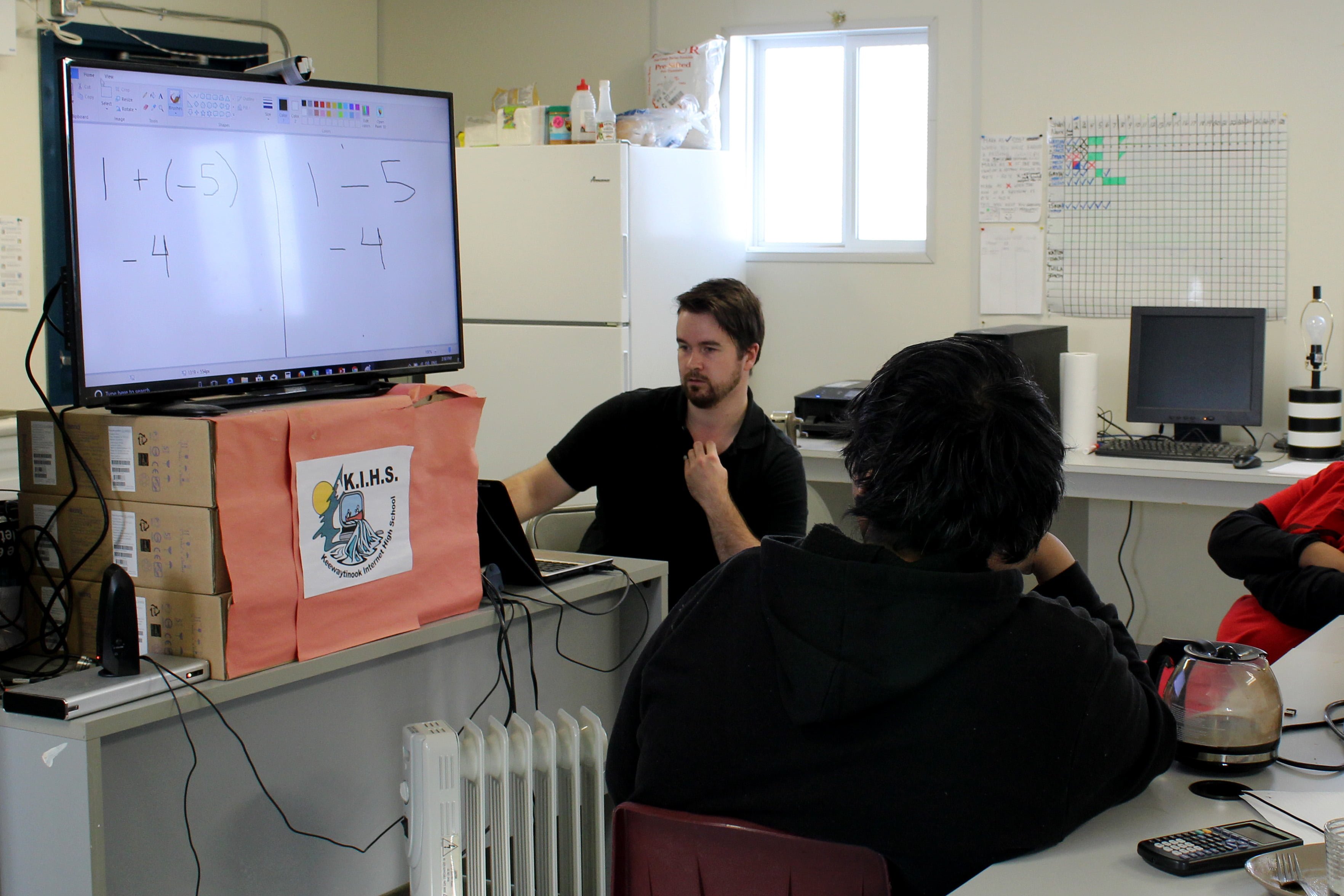
Benjamin Gallup working with two students on a math problem

Benjamin Gallup working with two students on a math problem


A recent afternoon class illustrates the dexterity Benjamin demonstrates daily as a teacher in Keewaywin. Two of his grade 9 students were doing a math assignment, given to them by a teacher located in another fly-in First Nation. To make sure the assignment was completed, Benjamin offered them some assistance. He patiently worked through math questions on a computer, hooked up to the class television. Step-by-step, the two math students reasoned out loud as they solved the problem. The practice questions completed, they returned to their seats to complete their math assignment. Meanwhile, his five other students were working on other assignments.     


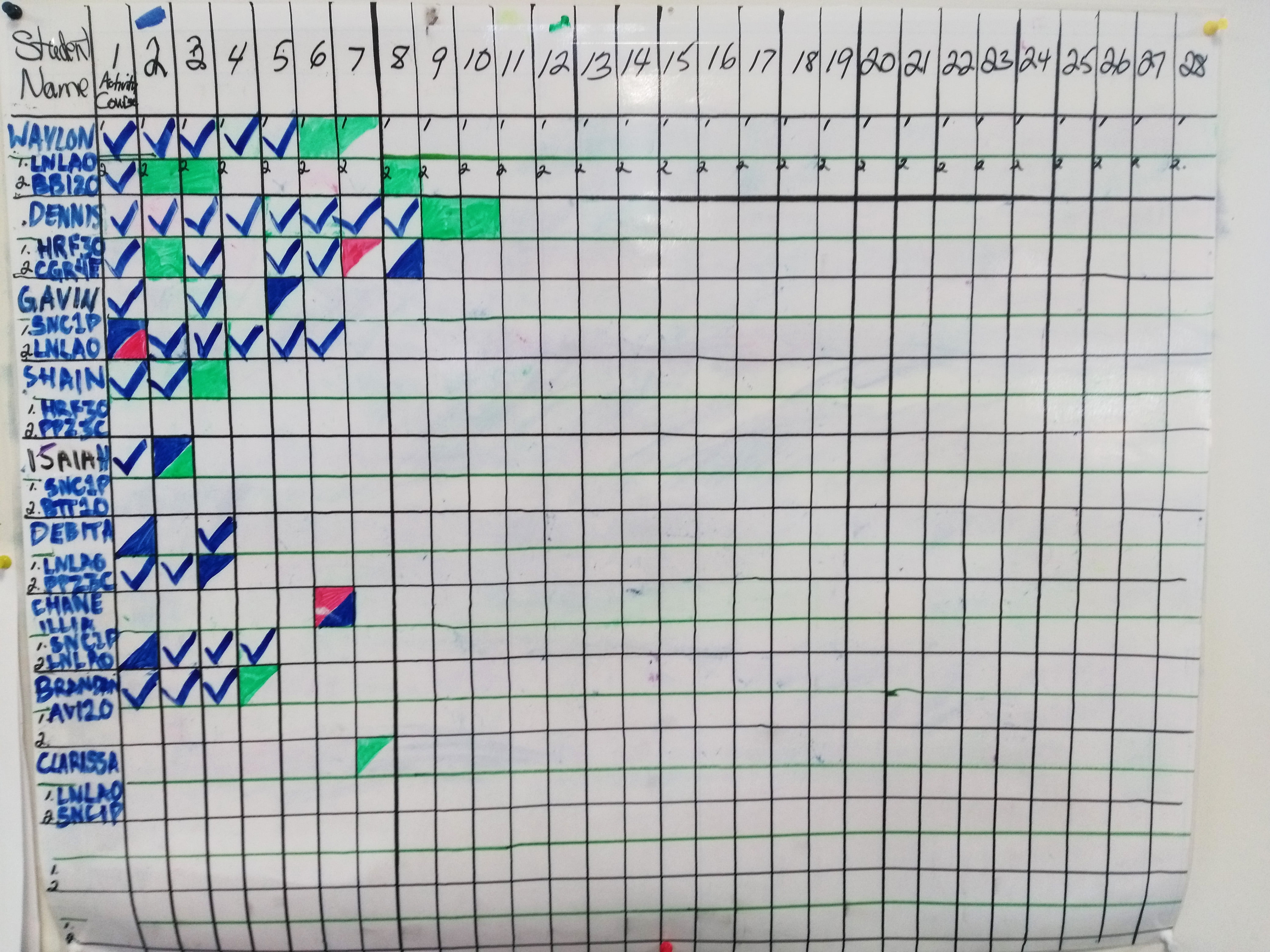
Benjamin has created a tracking chart to help his students track their assignments

Benjamin has created a tracking chart to help his students track their assignments


Benjamin works hard to ensure that his students remain healthy, motivated, and on task in their course work. On the wall, he has made a chart with students’ names and the due dates for their various assignments. Benjamin has created a legend to allow students to track their progress.  “[KiHS] doesn’t require it but I find it very useful as a means of tracking student progress and I’ve had students tell me they find the visual reminder helpful,” he explains. Students regularly refer to the chart to see what assignment they need to finish or which they should get started.


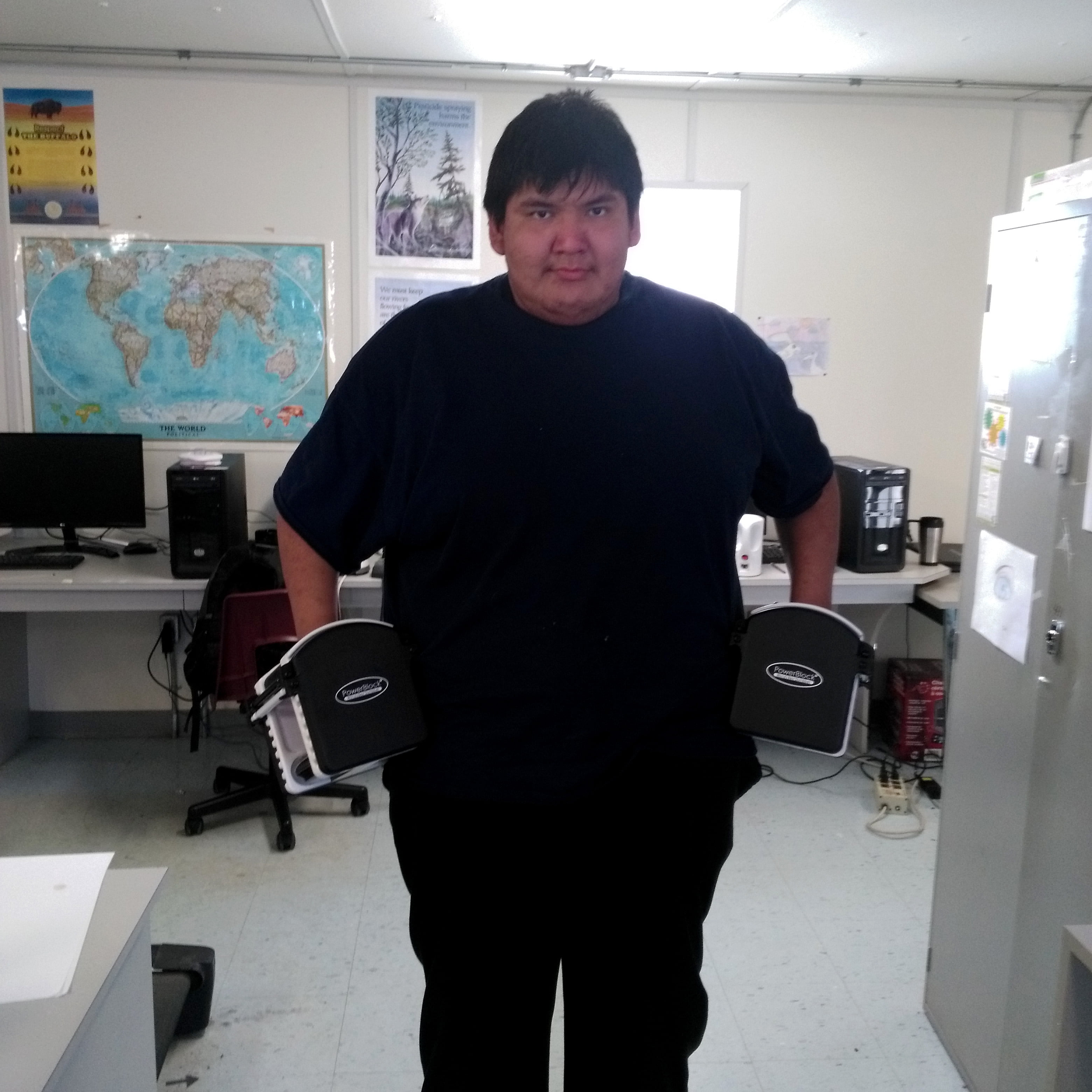
Students regularly use the weights Benjamin got for his class

Students regularly use the weights Benjamin got for his class

There is also a treadmill in the portable. Benjamin explains that during his first year of teaching, he was running outside when a community member pulled up next to him and offered him a treadmill. He decided this would be a great addition for his classroom. He also got some weights for students. The exercise equipment has proven successful: “Students started using the treadmill almost immediately. I’ve coached students in proper and safe use of the sports equipment as an extracurricular,” says Benjamin.

Benjamin has surmounted a number of challenges in his role, including the wide range of tasks and responsibilities that are expected of him. As a teacher, he did not expect to be assisting students with choosing their grade 9 courses. “In provincial schools, a guidance counselor would do that, but here I am that person” shares Benjamin. But he is grateful for everything he has experienced and learned since he first moved to Keewaywin a year and a half ago. He also appreciates the support KiHS provides, including the internet high school’s Land Based Learning teacher Dylan MacDonnell (a Teach For Canada alumni), who came to Benjamin’s class to do land based activities with his students.

Benjamin’s greatest accomplishment is the mutual respect he has fostered with his students.

One student beamed with pride when sharing that he was on track to graduate and obtain his high school diploma in June.

With equal pride, Benjamin confirmed that the student had worked incredibly hard to complete his courses on time in order to graduate.


Students working independently

Students working independently


Distance high school education wasn’t exactly the experience Benjamin had expected when he decided to go North to teach. But Benjamin has responded to each surprise with resilience, flexibility, and an innovative spirit. While the role and the classroom may not be conventional, Benjamin has proven himself to be a model high school teacher.

Celebrating 10 Years of Gakino’amaage | Strengthening education for generations to come. Explore Our Impact Goose Icon
This is default text for notification bar