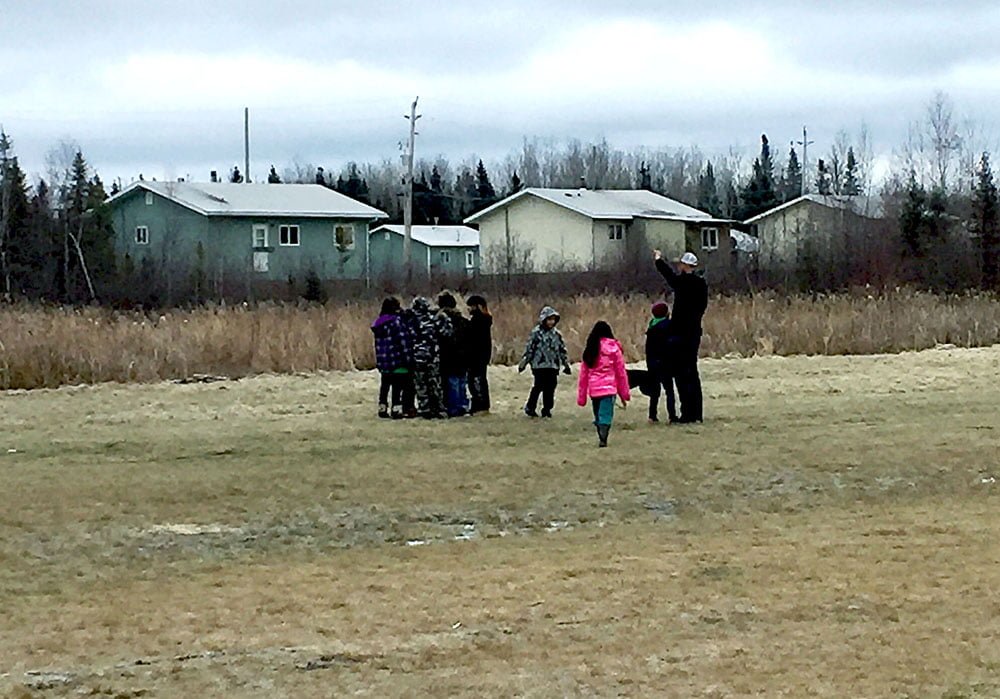

adfafda

Not Just the Place Where I Work

Posted by Meredith Stapon

Kelly Ryan has been teaching grade 4 in Deer Lake First Nation since September 2015. Originally from Keswick, ON, Kelly completed a Bachelor of Arts in Music and a Bachelor of Education at Laurentian University before applying to go North through Teach For Canada.
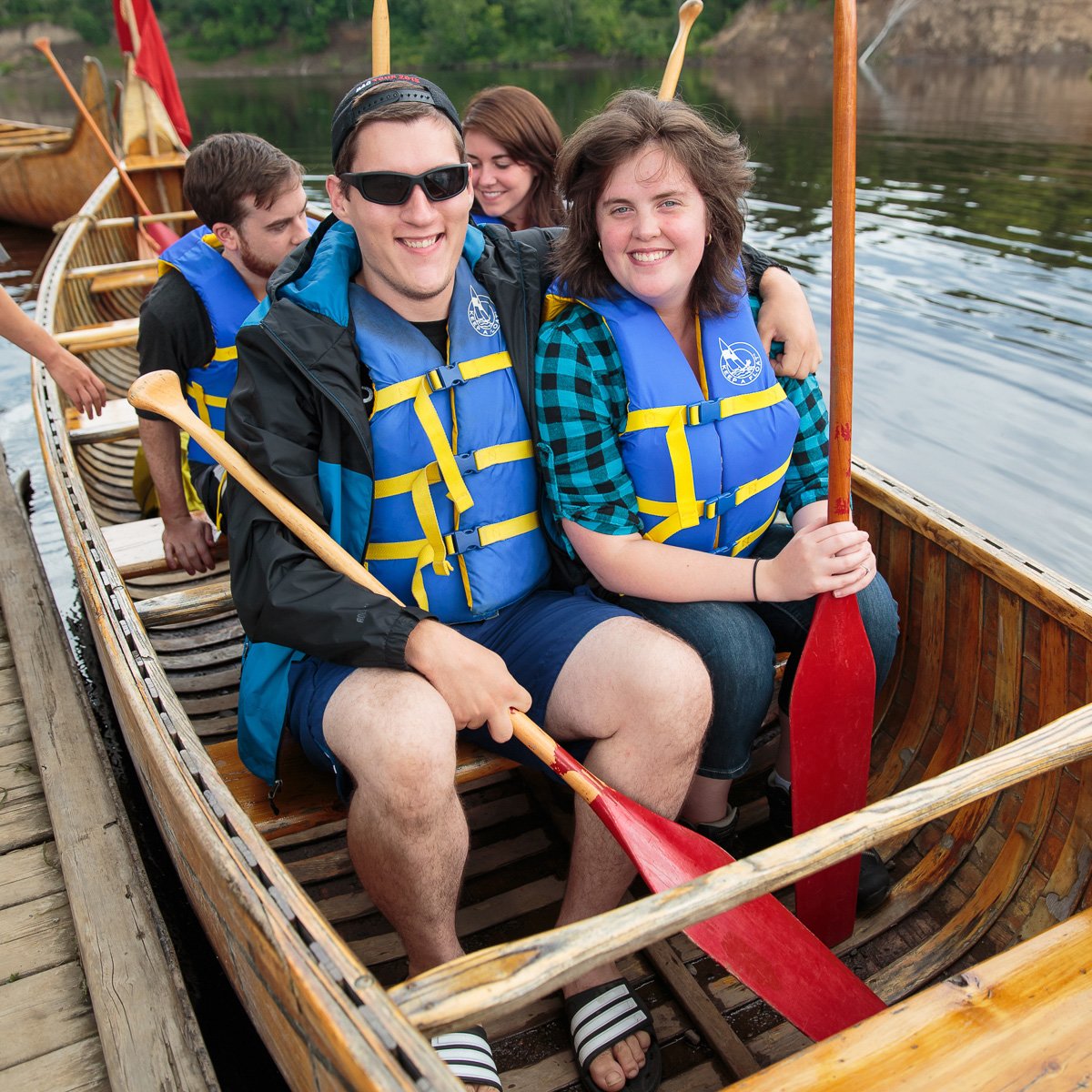
 

Myles and Kelly Ryan at the Summer Enrichment Program in 2015

Myles and Kelly Ryan at the Summer Enrichment Program in 2015


I came to Deer Lake First Nation with my now husband, Myles Ryan in September of 2015. We were both members Teach For Canada’s first cohort of teachers. Our time at the Summer Enrichment Program (SEP) prepared us to live and teach in Deer Lake First Nation. It helped us by teaching us more about First Nation traditions, teachings, and some of the language. It prepared us for different challenges that we might face both inside and outside of the classroom. We also met so many good friends and made connections with fellow teachers who we still contact to share resources and to offer each other support.
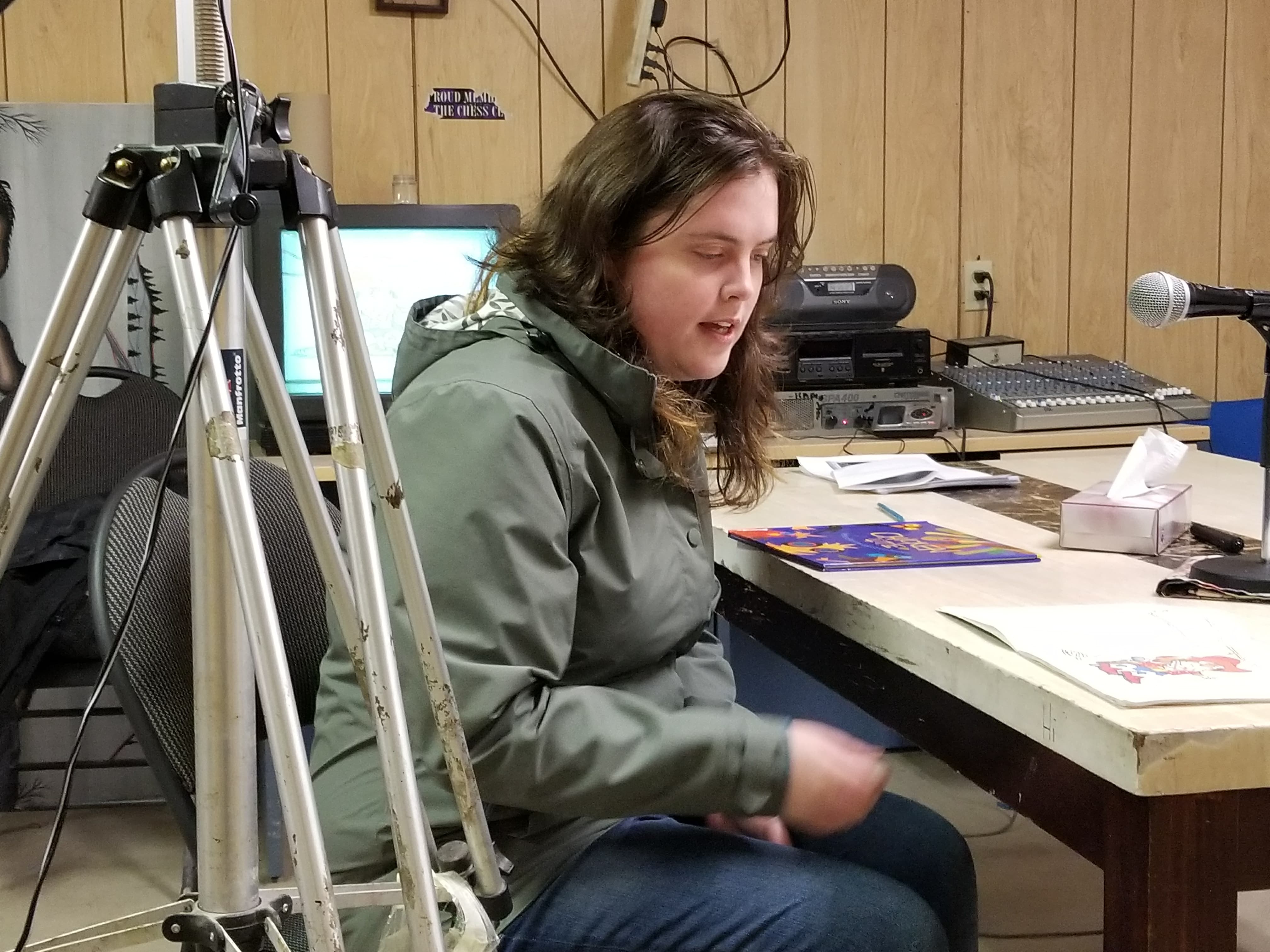
 

Kelly Ryan reading bedtime stories at the Deer Lake TV station

Kelly Ryan reading bedtime stories at the Deer Lake TV station


In my first year of teaching I relied heavily on what I learned at the Summer Enrichment Program. The knowledge and connections that I gained from my time at SEP is one of the main reasons why I am still teaching here in Deer Lake. Now, looking back on my very first year as the grade 4 teacher in Deer Lake, I can see how much I’ve grown, both as a teacher and as a person. Each new group of students that I have taught has in turn taught me something new. I’ve learned how to laugh at myself, the value of patience, and to never underestimate anyone.
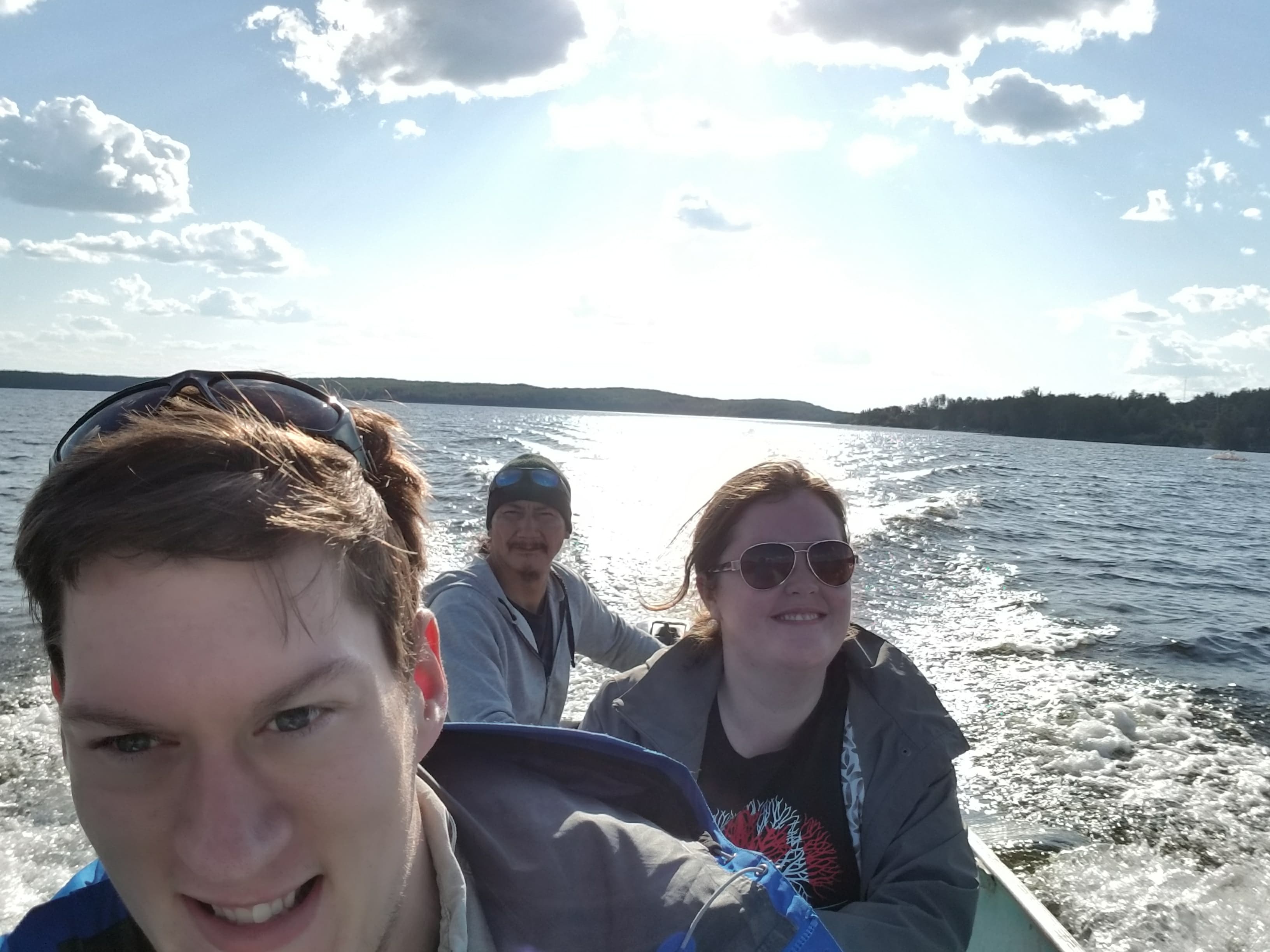
 

Kelly and Myles with their friend Terry going out for a day of fishing

Kelly and Myles with their friend Terry going out for a day of fishing


It is a really amazing to continue to see my former students grow and mature. For each additional year of teaching that we have spent in Deer Lake, I have had the chance to see them grow even more. I too have grown. Compared to my first year, I am now more relaxed and comfortable in my role as a teacher in Deer Lake. I have gained amazing friendships, both with the teachers and with local community members. It is such a fantastic feeling to get a hug and hear “Welcome home!” as you get off the plane in Deer Lake. You truly feel part of the community.
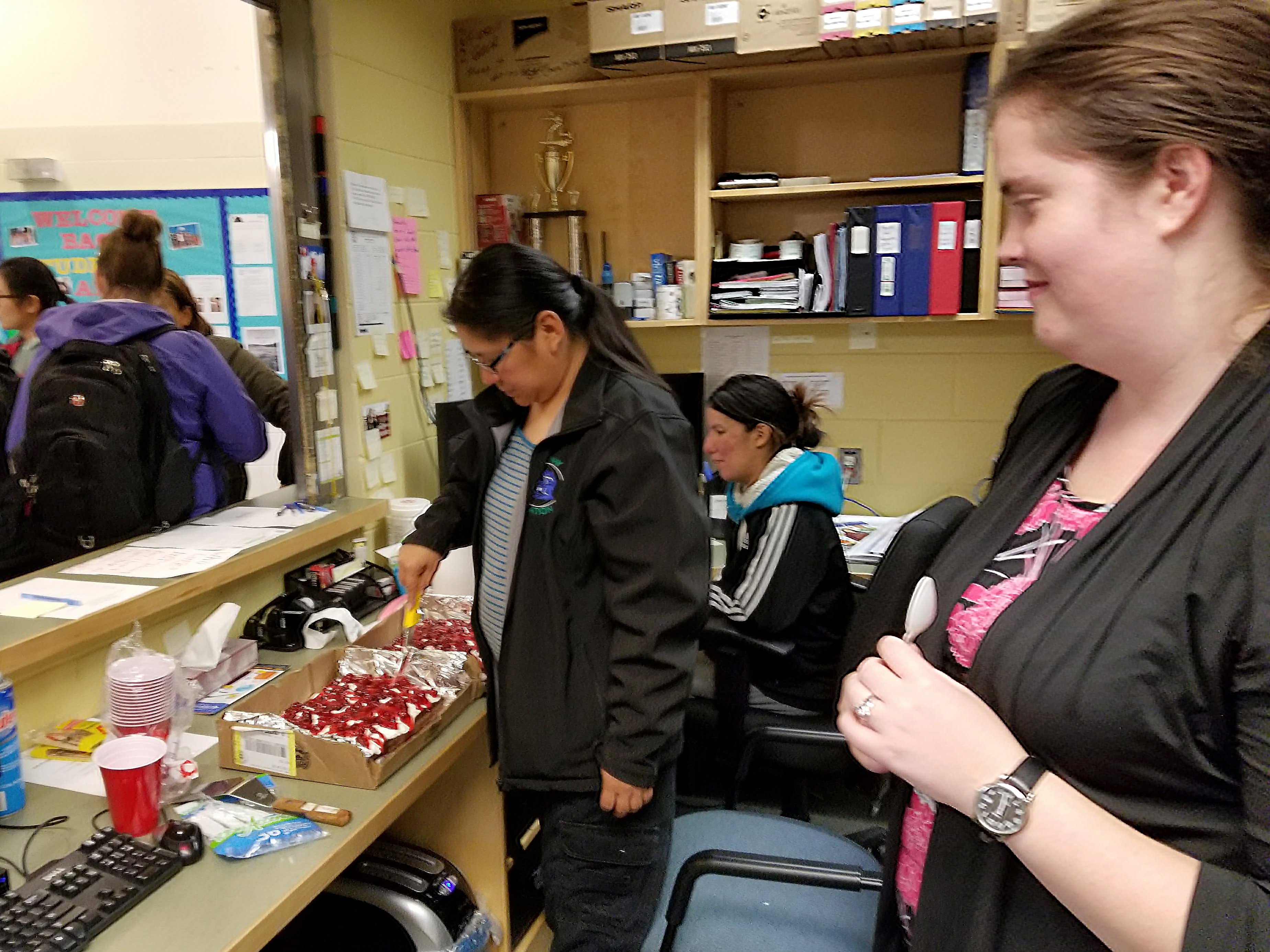
 

School staff celebrating Kelly's birthday with a cake

School staff celebrating Kelly’s birthday with a cake


My biggest piece of advice for prospective Teach For Canada teachers is to jump into this experience with both feet. As soon as you can, start to learn about the community and language, and then never stop learning. Get out and do different activities that might be outside of your comfort zone; make connections with people in the community. Students and community members will trust and respect you when they realize you are committed, involved, and there for the long term. Deer Lake is now not just the place where I work, it has become home.
adfafda

Teacher Feature: Juanita Muise

Posted by Meredith Stapon

Juanita Muise started teaching grade 5/6 in Bearskin Lake First Nation in September 2017. Originally from Qalipu First Nation in Newfoundland, Juanita completed her Bachelor of Education at Nipissing University and her Master of Professional Education at the University of Western Ontario.


Juanita Muise singing

Juanita Muise singing


What do you do when you’re an Indigenous person from Qalipu First Nation in Newfoundland, who values the importance of successfully incorporating First Nations, Metis, and Inuit culture and history into the classroom? You teach! Which is why Juanita Muise ended up teaching grade 5/6 at Michikan Lake School in Bearskin Lake First Nation. Juania wanted to “work in a school where local First Nation culture is at the heart of the curriculum and pedagogy”.


Michikan Lake School, Bearskin Lake First Nation

Michikan Lake School, Bearskin Lake First Nation


Juanita is passionate about providing an Indigenous perspective and ‘touch’ to the learning environment, something that is evident in the lessons she creates for her students. She particularly expresses her culture through the arts.

Her love of music, singing, and visual arts allow her to connect with her students and to incorporate a learning and understanding of Indigenous culture into her lessons.

In her classroom she has taught a wide range of lessons: hand drumming with her traditional drum, African drumming, body percussion, creating art inspired by Indigenous artists, and Picasso’s cubism.


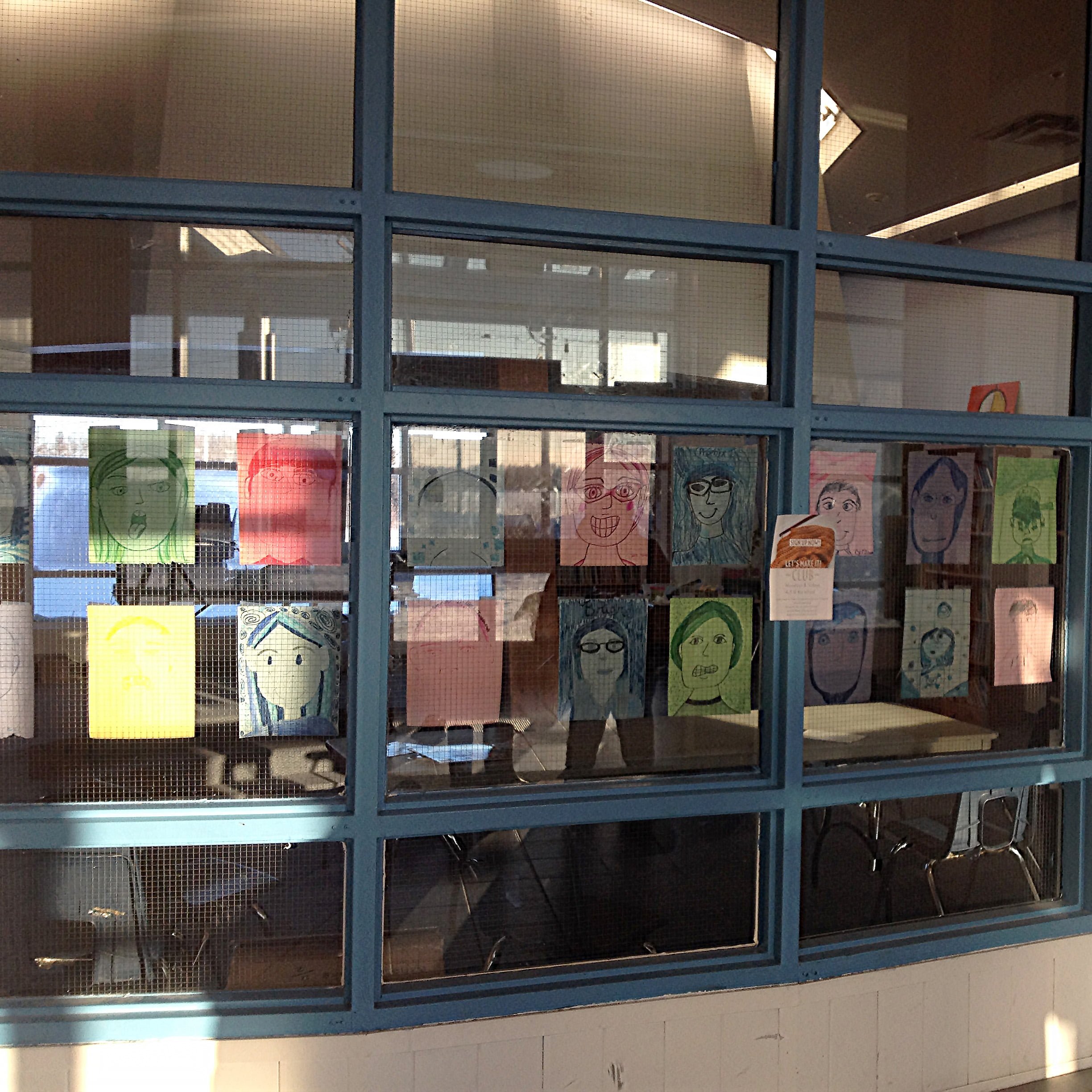
Student artwork in the hallway of Michikan Lake School

Student artwork in the hallway of Michikan Lake School


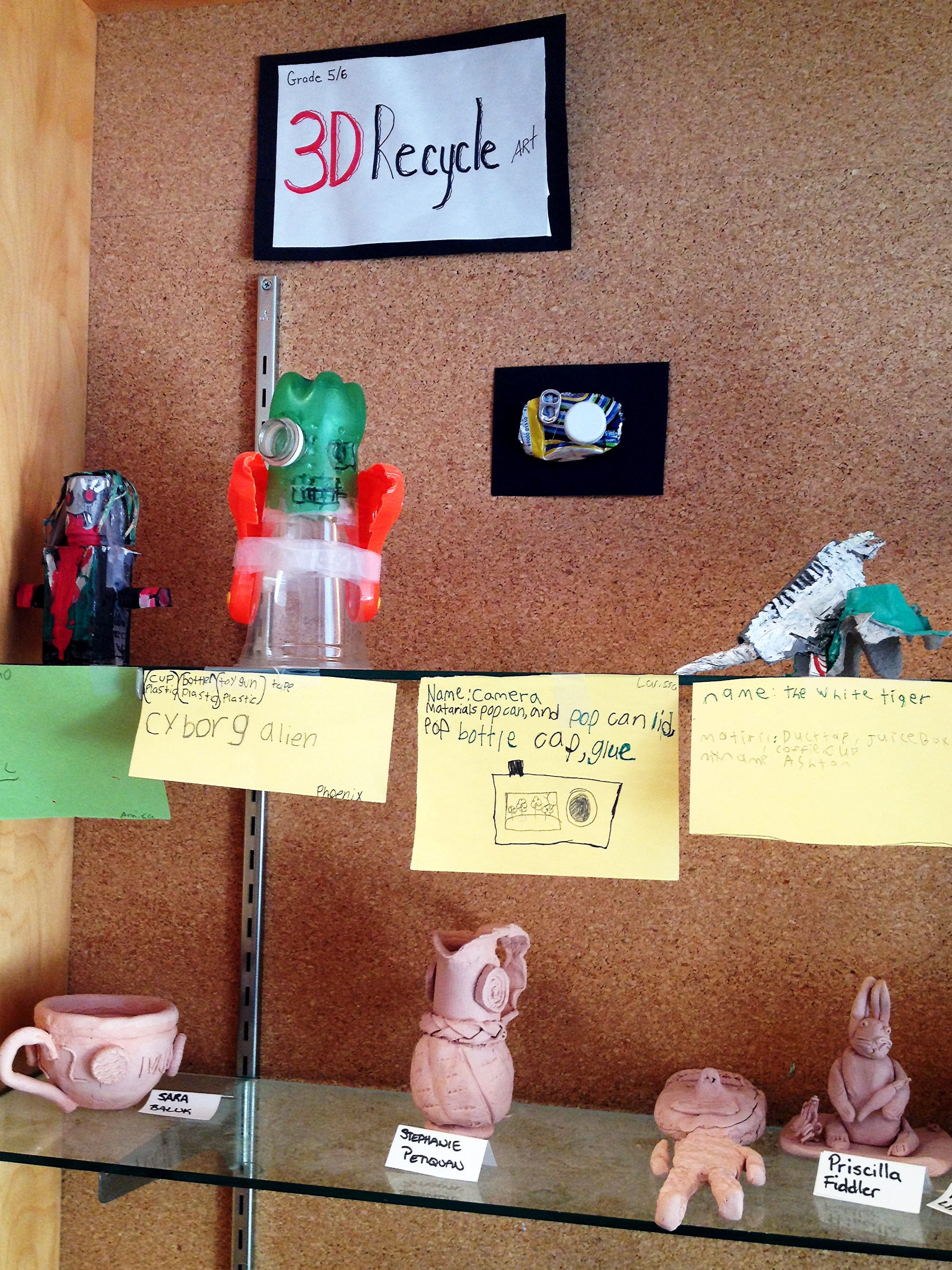
Throughout the school, everyone can see the opportunities Juanita has created for her students to learn language and critical thinking skills through art. From covering the entrance to the school with students’ artwork, to helping decorate the stage for the Christmas concert, to showing the students how art can be found in recycling garbage, to displaying African hand drums in the classroom, Juanita has nurtured her students’ creativity. She also helps the students maintain a relationship with nature by taking them out sliding, organising wiener roasts, going for traditional medicine walks, playing cultural hunting games, and setting rabbit snares. “Unlike any school [I’ve be in] in the South I showed up for work [to find] a dead caribou in the lobby. My students learned to skin and cut the meat and helped prepare a feast for everyone in the school,” Juanita shares.


Recycled Art in Bearskin Lake First Nation

Recycled Art in Bearskin Lake First Nation


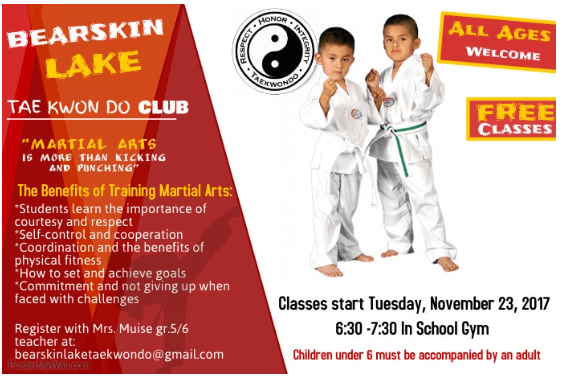
The learning Juanita shares with her students continues after class as well. She has started a Taekwondo club, open to everyone in the community. The experience she brings as a brown belt allows her to teach the self-defense sport as well as foster a health-conscious and disciplined environment. She also participates in beading nights, feasts, and festivals to learn more of the community and its culture, as well as showing the students how invested she is in the Bearskin community. At home, she practices with her North Bay choir, Near North Voices, every Wednesday evening via Skype. The choir will actually be performing Dan Forrest’s Requiem for the Living at Carnegie Hall in New York! (March 19th if you’re in New York and want to check it out.)


Taekwondo Course Poster

Taekwondo Course Poster


At the end of the day, she spends her downtime with her dog Niibin, thinking of ways to promote greater Indigenous culture and learning in her classes and beyond. Juanita explains that she is a First Nation woman who wants to “model and share with my students the importance of education and how important it is to reclaim our Indigenous ways of learning.” The way she sees it, the more Indigenous voices there are in education, the more influence they will have on policy, curriculum, and pedagogy for change. Juanita is also looking into PhD programs that offer the learning and support she needs to develop an interactive education tool using Indigenous technological platforms.

“The more I teach, the more I’m convinced to see my dreams through,” Juanita concludes.

adfafda

A Warm Welcome Back to Fort Severn

Posted by Meredith Stapon

Madison Wagner started as the Reading Intervention Teacher in Fort Severn First Nation in September 2017. Originally from Stayner, Ontario, Madison completed her Bachelor of Education at Nipissing University.


Madison by the Severn River, Fort Severn First Nation

Madison by the Severn River, Fort Severn First Nation


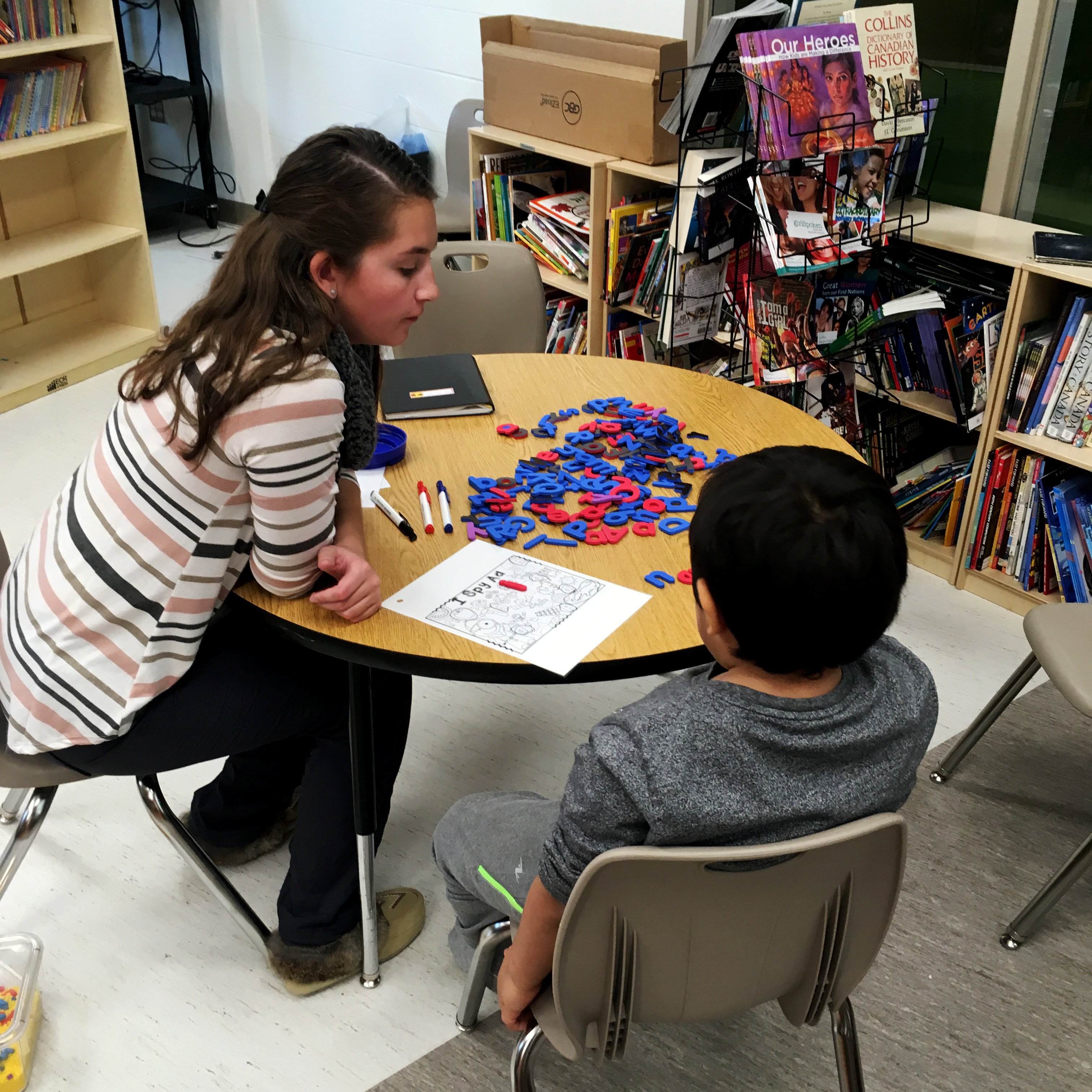
As the Reading Intervention teacher, I have the pleasure of working and connecting with a variety of students at Wasaho Cree Nation school, where I work. Connecting with my students and letting them know that I care about them and want them to succeed is my number one priority. By engaging them in meaningful activities based on their interests, I am able to further connect with them and increase their desire to learn.


Madison Wagner working with a student

Madison Wagner working with a student


In all honestly, after spending a lot of time and energy connecting with students in the fall, the exhaustion had started to set in when December rolled around. I was counting down the days until the holidays, not because I was looking forward to leaving the community that I had grown quite fond of, but because I was looking forward to spending time with family and friends back home. I was particularly looking forward to some much deserved relaxation. Little did I know, I would be spending a great deal of time thinking about my students and wondering how they were doing during my break.


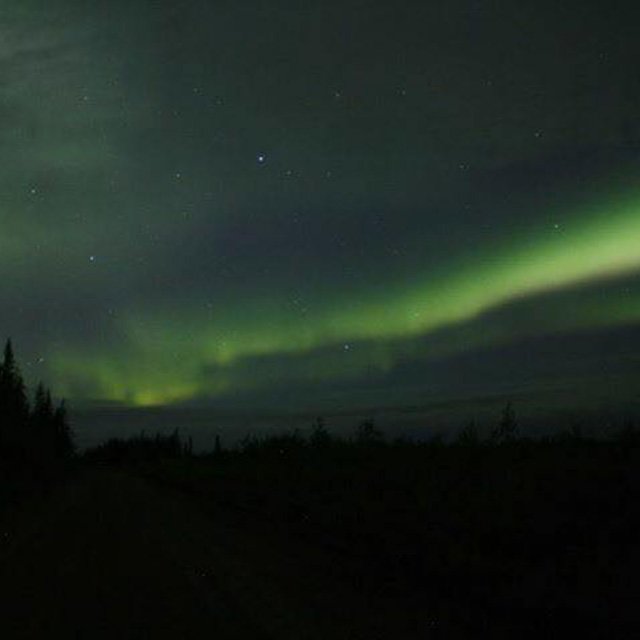
The northern lights as seen in Fort Severn First Nation

The northern lights as seen in Fort Severn First Nation


While at home, I went out for a snowmobile ride, which made me think of my students towing each other on sleds behind their ski-doos for hours every night after school, yelling and waving to me as they zoomed by. When I went to the grocery store and saw kids running around, I thought of the smiling faces and warm greetings I would get when my students saw me shopping at the Northern Store. All of these memories inside and outside the classroom made me miss those goofy kids.


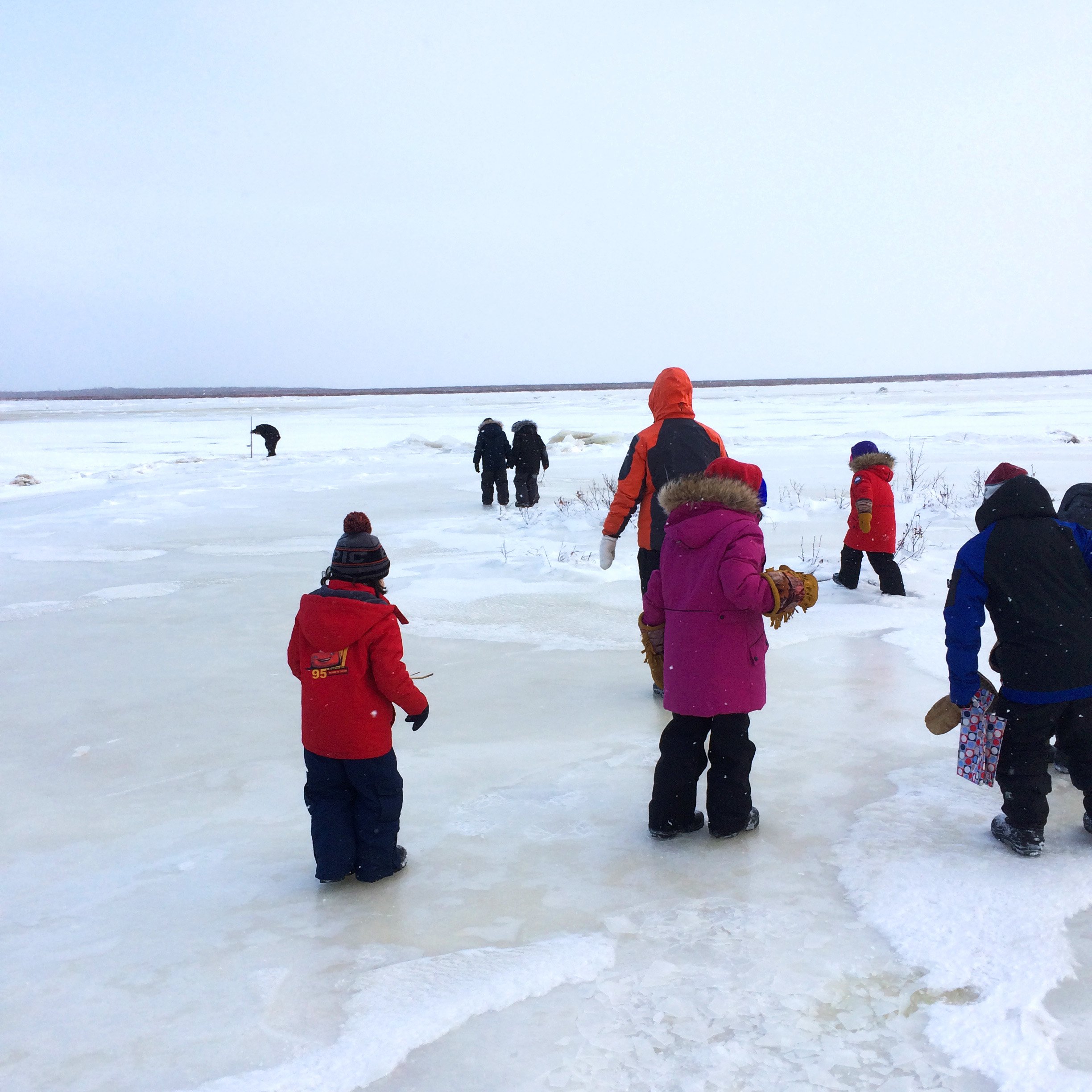
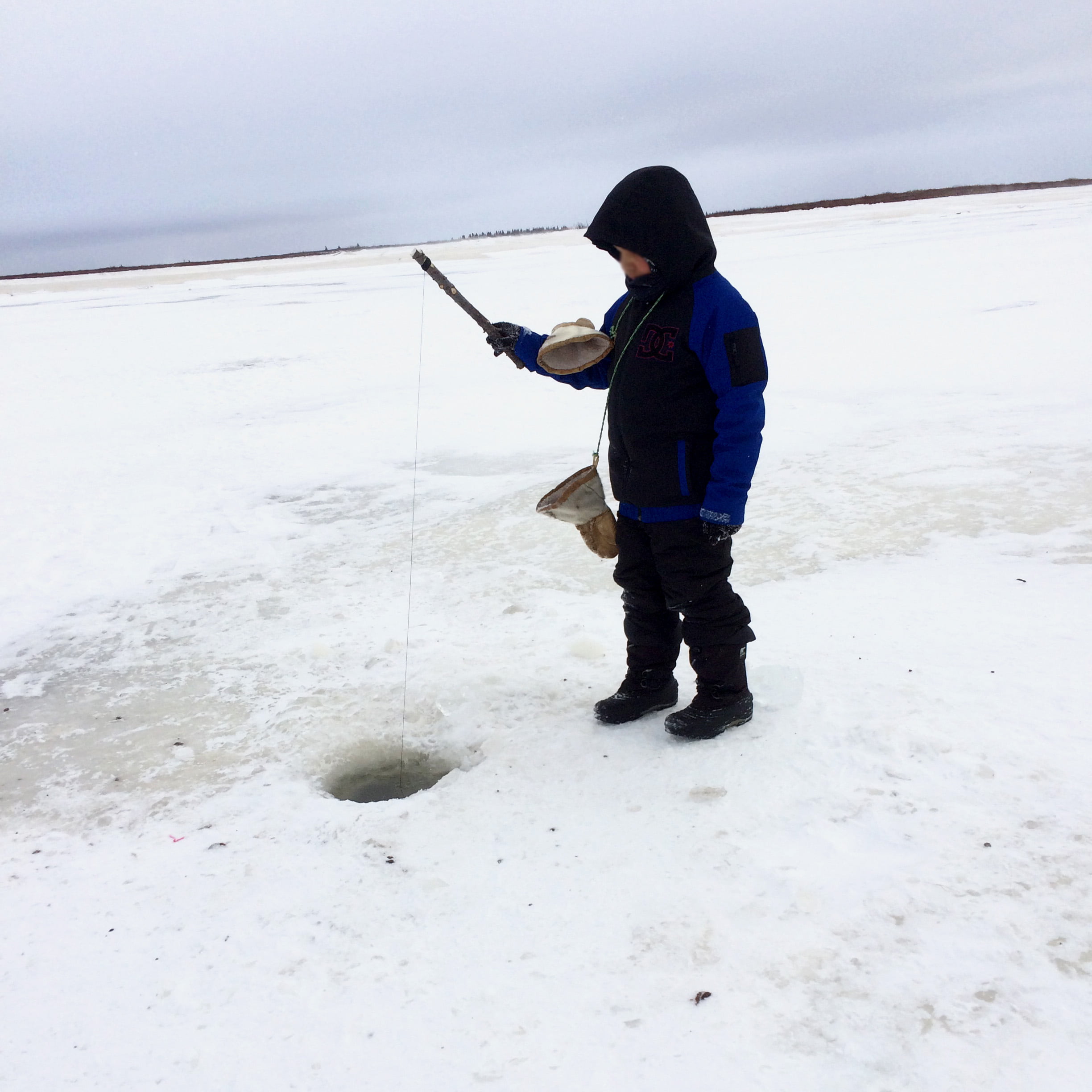
Students go ice fishing in Fort Severn First Nation

Students go ice fishing in Fort Severn First Nation


After the holidays and a good rest, I couldn’t help but be excited to see my students again the first Monday morning back at school. It was humbling to see the excitement that my students showed me. The grins, hugs, and sly smiles made my return that much brighter. While not every student was excited to be back at school, I made sure to let them know that I had missed them and was excited to see them again.


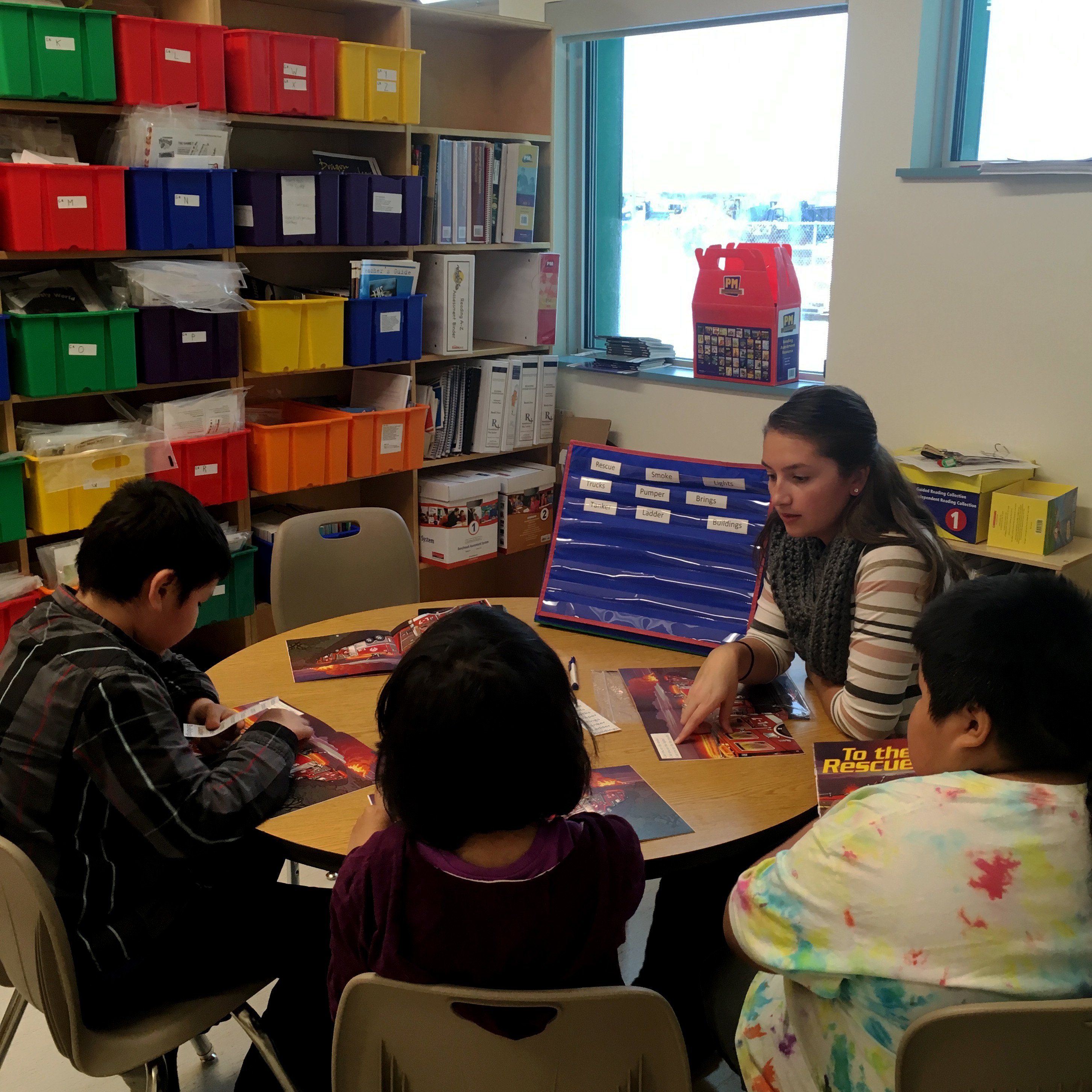
Madison Wagner reading with three students

Madison Wagner reading with three students


When it was time for my daily oral language lesson with the Kindergarten students, I made my way down to their classroom. I brought a group of students to the carpet to engage them in some pretend play and, to my surprise, was greeted with a big bear hug and a smooch on the cheek from one of my students. While this is not encouraged, it is also not condemned.


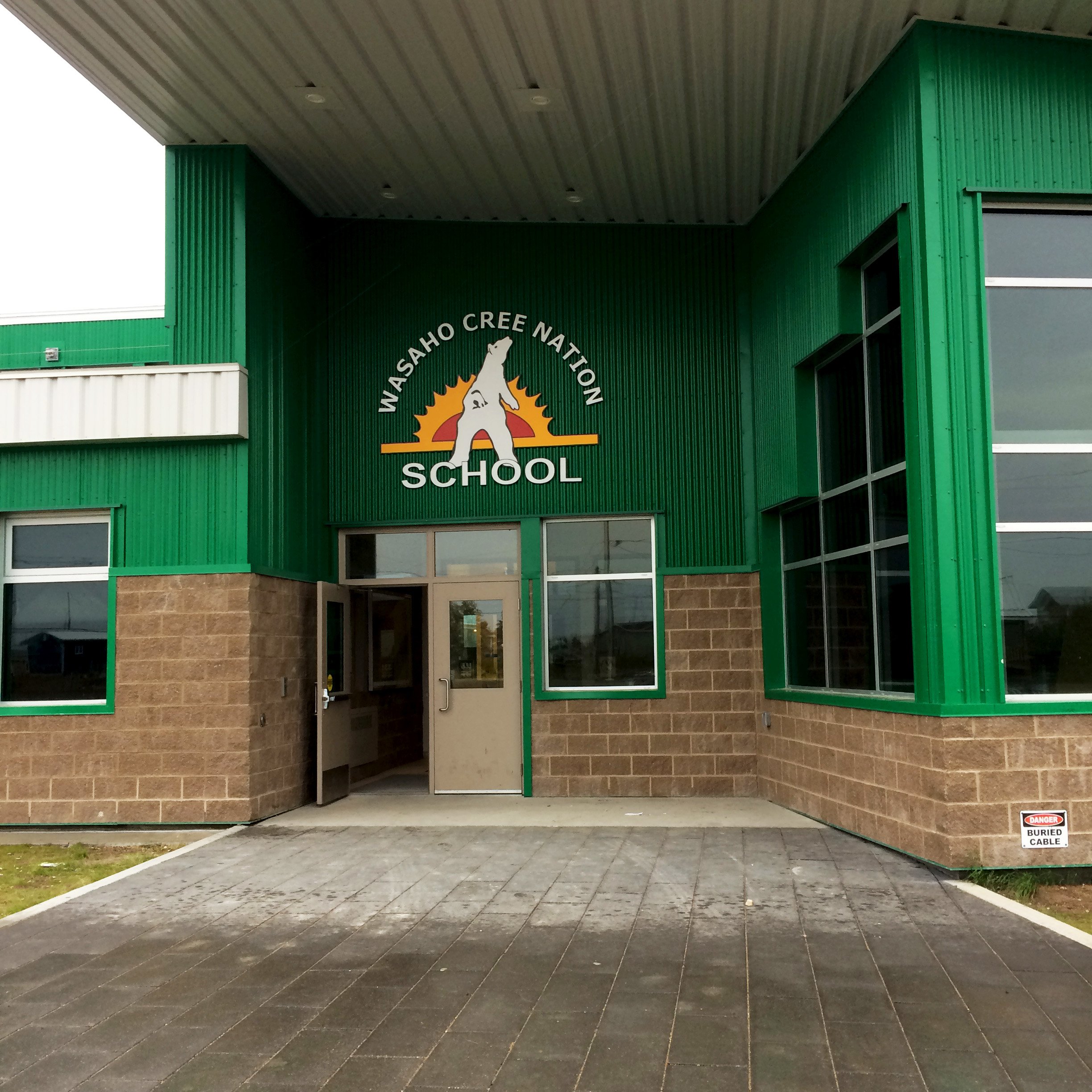
Entrance to Wasaho Cree Nation school

Entrance to Wasaho Cree Nation school in Fort Severn First Nation


In my students’ eyes, I passed the first big test. My return showed them that I do love and care about them; that I do want to be here with them.


Student ice fishing in Fort Severn First Nation

Student ice fishing in Fort Severn First Nation


These past few months have been the most challenging and rewarding months of my life. I have grown both personally and professionally. I have learned so much from my students and I am excited to continue learning and growing alongside them. This unexpectedly warm welcome back after the holidays makes the experience even more worthwhile.

adfafda

Teacher Feature: Clark Ashenhurst

Posted by Meredith Stapon

Clark Ashenhurst started teaching grade 9/10 in Kitchenuhmaykoosib Inninuwug in September 2017. Clark completed his Bachelor of Education at Nipissing University. He is originally from Uxbridge, Ontario.


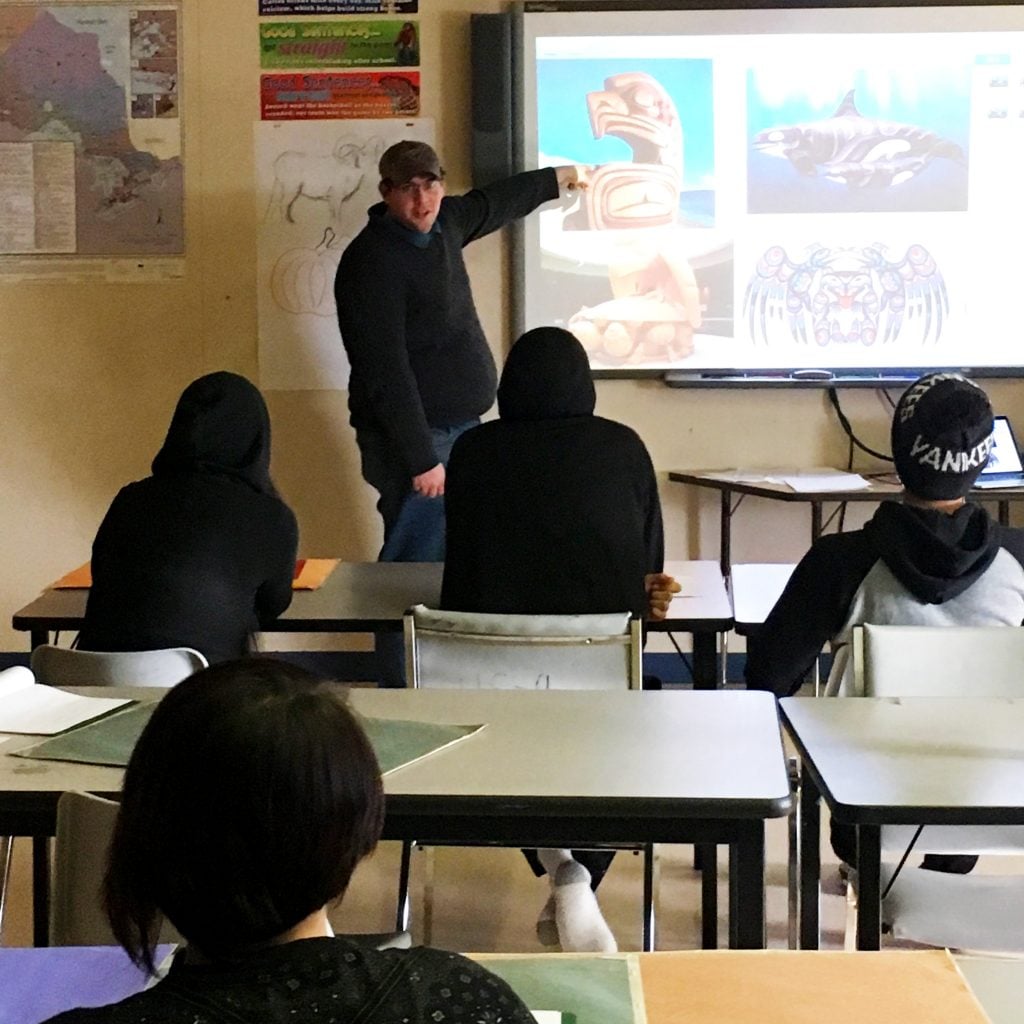
Teacher in front of SMART board with students listening

Clark Ashenhurst teaching using a SMART Board in KI


Teachers are special people. The time and commitment that teachers have to give to be successful is never easy but always worthwhile. Teaching is always challenging, but teaching in an isolated northern community really takes a special touch, particularly when the teacher comes from a different set of circumstances and culture. Clark Ashenhurst, a teacher in his first year at the Aglace Chapman Education Centre in Kitchenuhmaykoosib Inninuwug (KI) is one of those special teachers. Though he was planning on teaching in a drive-in First Nation (one accessible year-round by car), he has found himself in KI, a fly-in First Nation in northern Ontario. Coming from Uxbridge, Ontario—a town not far from Toronto—Clark is demonstrating all the best qualities of a successful teacher already.


Student working in class

Student working in class


Clark utilizes a relationship-building approach in his classroom. As soon as the students in his grade 9 and 10 classes walk through his door, he’s quick to greet them and acknowledge them. He chit chats. He asks about their lives and families. He jokes around. He asks about why they missed class if they weren’t present the day before. The message to his students is clear: he sees them, respects them, and appreciates them. And then they get to work. In Clark’s classroom, no one is unnoticed. Every classroom has that one kid who can answer a teacher’s questions, but Clark makes a point of ensuring that he hears from all the students in his class. He doesn’t pressure them, but he does guide them when they struggle to come up with the answers. He goes back and works on the things they missed. He knows exactly which students were there on the day when he taught the lesson he is building upon, and he makes sure to adjust seating to allow the students to support each other. In short, he is receptive to his students, notices when they struggle, and adjusts to the room.


teacher and student in class

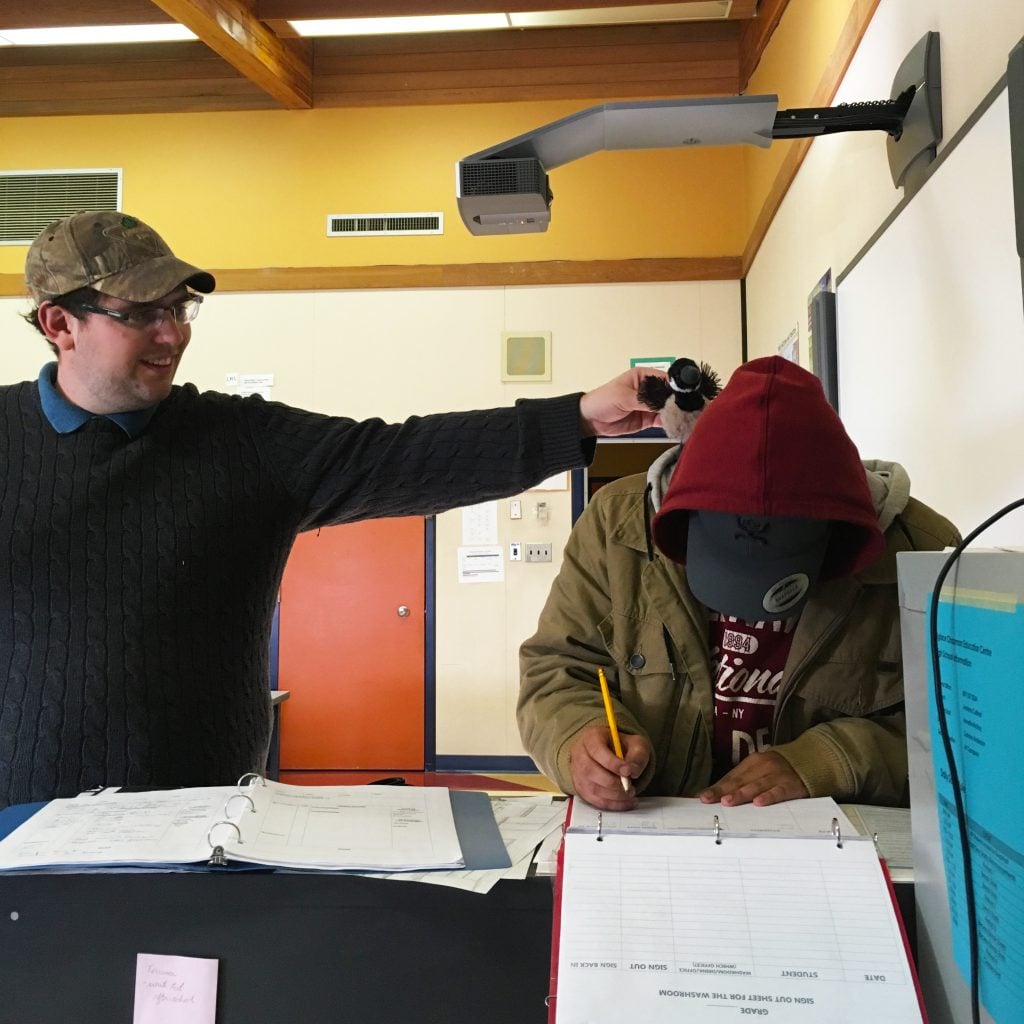
Clark teases his students with Teach For Canada mascot Goosey


But Clark isn’t their friend. He’s their teacher, and he makes sure that his standards are kept high. During his Native Studies class, he walked his students through a reading of selected clauses from Treaty 9, the treaty that applies to KI, as well as a huge swath of northern Ontario. Have you ever tried to read a government document? The level of legalese is always high, but when you’re reading a government document from the 1800s, it is even more so. And when English isn’t your first language, it’s even more of a challenge. But Clark takes his time and ensures that the students understand the material before he moves to the next section. He isn’t there simply trying to get through the material, as unsuccessful teachers do. He’s there to ensure that his students have a firm grasp on the subject matter and he cares enough to try different methods and make sure that his students leave his room with a better understanding and a better knowledge base than they had when they walked in.


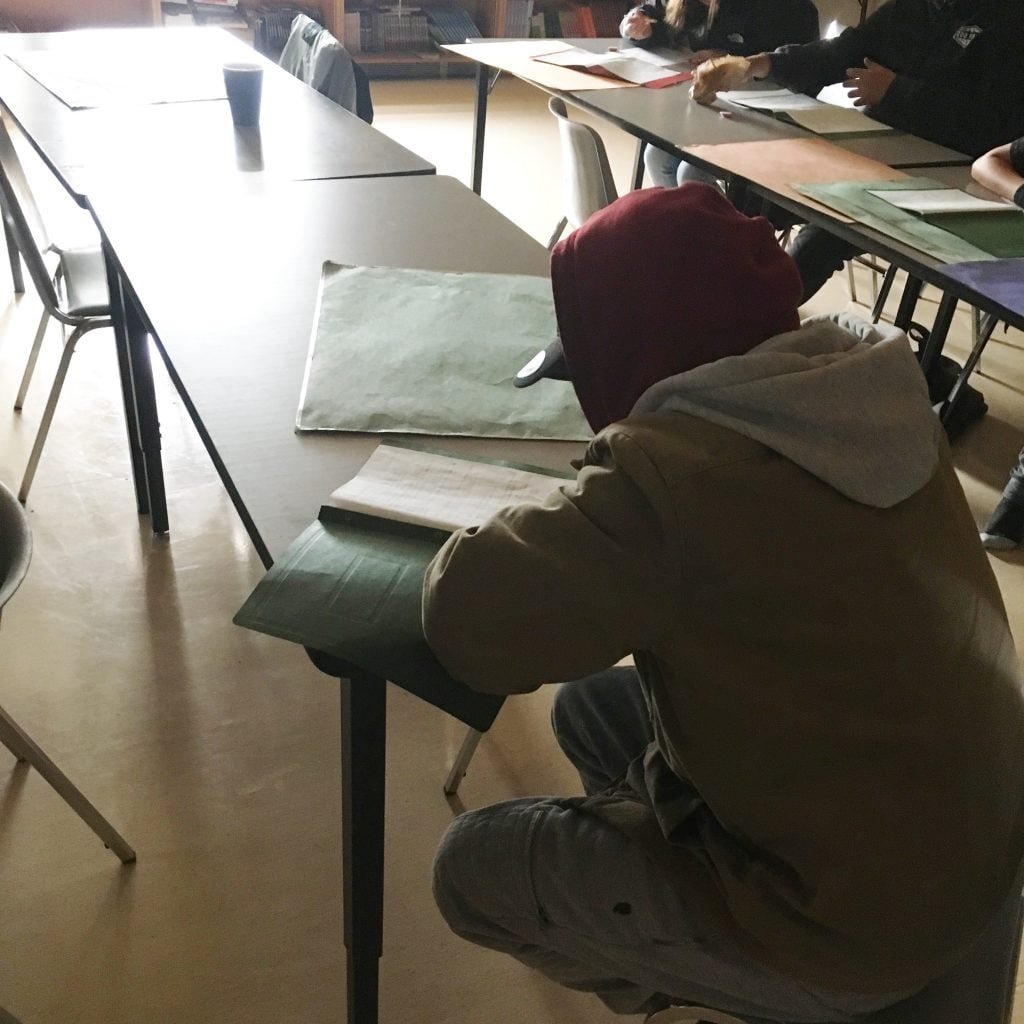
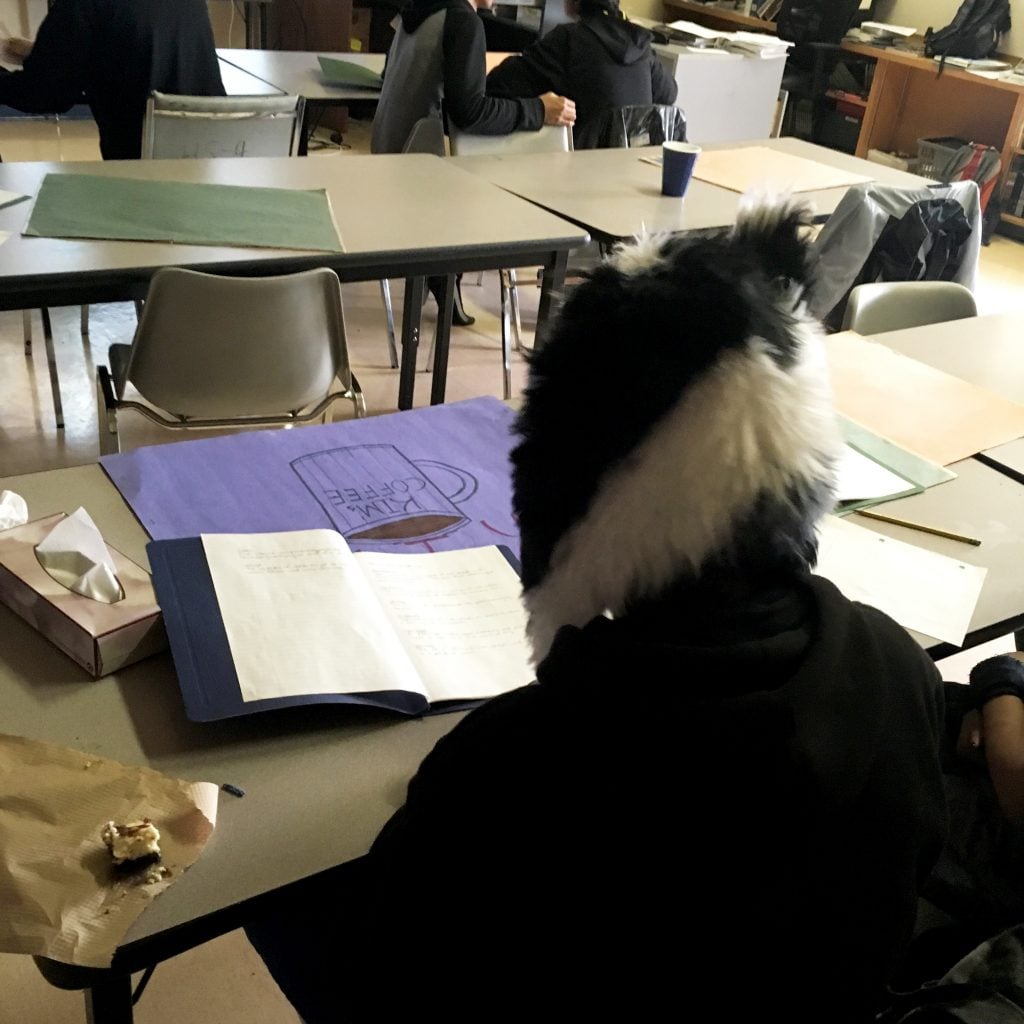
Student working, wearing a hat

Student working, wearing a hat


When visiting Clark’s classroom, it is immediately clear that he has developed relationships and trust with his students. His students make important personal connections that would not be possible without a clear understanding of the material. Clark also models humility, as seen when he asks a particularly bright and articulate student to check his spelling on a word, which reinforces the student’s confidence and shows that it’s ok to make mistakes. And that is how you reach students.

Clark is a humble, interested, adaptable, respectful, and considerate teacher doing what great teachers do best.

Clark makes a difference for his students by the minute.

adfafda

Teacher Feature: Reanne Lucek

Posted by Lena Sarchuk

Reanne Lucek has been teaching Kindergarten at Morris Thomas Memorial Christian School in Whitefish Bay, Lac Seul First Nation, since September 2015. Reanne graduated from the combined Wilfred Laurier University and Nipissing University Concurrent Education program. She is originally from Lynden, Ontario. Reanne is going back to school in September to pursue a Masters of Social and Cultural Context in Education at Brock University.

When Reanne Lucek looks out of the window of her teacherage, she sees kids climbing, swinging, sliding, and having endless fun.

“Every time I open up my window and look outside, I can see the playground. It is so great to see the kids playing on the playground.”

It is a new sight, one that fills her with pride, as it is the fruit of two years of persistence and hard work.

When Reanne Lucek arrived in Whitefish Bay to teach Kindergarten at Morris Thomas Memorial Christian School in the fall of 2015, she was struck by the single red slide that made up the play area for students at her school. While there had been a playground in the past, all that remained was the slide. “The kids would use the slide like crazy because it was the only structure,” remembers Reanne.

Soon after starting the school year, Reanne was discussing the lack of a playground with her colleagues, primary teacher Charles Dollin and principal and intermediate teacher, Pam Capay. Together, they decided that the children in their community deserved a full playground, and they set about making it happen.

A bit of research revealed that Winnipeg-based company Playgrounds R Us offered two options: the purchase and construction of a playground for $45,000 or the structure and support of two supervisors for half the price. Reanne, Charles and Pam opted for the second option, which meant they had to find the labour and machinery to put the structure together.

Nearly two years of tireless fundraising and planning ensued. Countless taco bags and baked goods were sold at fundraisers. Letters were sent to elected officials and political bodies to get support. A video was produced to raise awareness, both inside and outside the community, and encourage people to give.

Reanne and her co-conspirators also discovered the complexities of building such a structure. “It was complicated and a lot of work to figure out where to get equipment. We were asking questions like where to find an augur, things we’d never even talked about in our lives!”

With the help of Whitefish Bay councillor and parent, Wade Bull, and Lac Seul Chief and Council, the teachers found the equipment they needed and were connected with people in the community who could help with the construction.

In early June, the end goal was near: the funds were raised, the playground was on its way, the volunteers were mobilised. On Thursday, June 6th, the school staff were joined by community members Eddy Botham and Eric Ackewance to start putting together the pieces. Reanne’s parents, Nick and Beverly Lucek, who had supported her throughout the process, travelled to Lac Seul First Nation to help with the construction. Reanne’s partner, Zackery Watts, also rolled up his sleeves.

The volunteers split into two teams: one took care of digging and levelling, the other put together the structure. “Everything was pieced together like a puzzle,” explains Reanne.

It was a long tiring day of work, followed by several more hours of work the next day, but late Friday night, Reanne was able to inform the kids and parents of Whitefish Bay that the playground would be open on the weekend. It was an instant success.

“The kids just love it. They ask me when recess is going to be as soon as they get to school; all they want to do is play outside. Even the big kids. You’d think they wouldn’t enjoy it, but even they are on the swings and the structure.”

The playground is also popular in the evenings, with many parents taking their kids out to play. “It’s so nice to see families bonding. The parents sit on the swings while the kids are climbing on the structure.”

As her time in Whitefish Bay draws to a close, the completion of this project makes it a little bit easier for the Kindergarten teacher to leave the community that has come to feel like home.
“It makes me happy knowing that even though I’m not going to be in the community anymore, that a part of me is. Because definitely I owe this community and these children so much of myself. They have taught me so much.”

She hopes that when she returns to Whitefish Bay for a visit, the next project will be complete: a new basketball court next to the playground.

Reanne thanks the many individuals and the following organisations for their generous donations: Lee Academy, Gold Corp Red Lake Gold Mines, Lac Seul Education Authority, BEMP Holdings Incorporated, Old Time Retro Candy and Teach for Canada. Reanne also recognises the contributions of Justin Simmers and Hilda Bottle.

adfafda

Teacher Feature: Kelly O’Halloran

Posted by Lena Sarchuk

Kelly O’Halloran has been teaching grade 4 in Deer Lake First Nation since September 2015. Originally from Keswick, ON, Kelly completed a Bachelor of Arts in Music and a Bachelor of Education at Laurentian University.


Day in and day out, whether on Facebook, Snapchat or Instagram, via cell phone, laptop or tablet, students everywhere are immersed in technology – posting status updates, using the newest filters and listening to their favourite music. Seeing this desire to always be plugged in, Kelly O’Halloran, grade 4 teacher at Deer Lake First Nation School, saw an incredible and exciting opportunity to incorporate her students’ love of technology into the classroom: by taking them on virtual field trips.


Through an interactive program called Connected North, Kelly has been able to bring the field trips to her students. For example, students participated in a virtual visit of the Royal Tyrrell Dinosaur Museum in Alberta to explore fossils. Students have also been speaking to different Indigenous peoples across Canada, from British Columbia to Nova Scotia, even as far north as Nunavut!


“Some of my fondest memories in school were going on field trips to further extend our knowledge of what we were learning in class. Students in remote First Nations communities do not get to experience going on field trips, which are a fun and regular activity in southern schools,” explained Kelly.


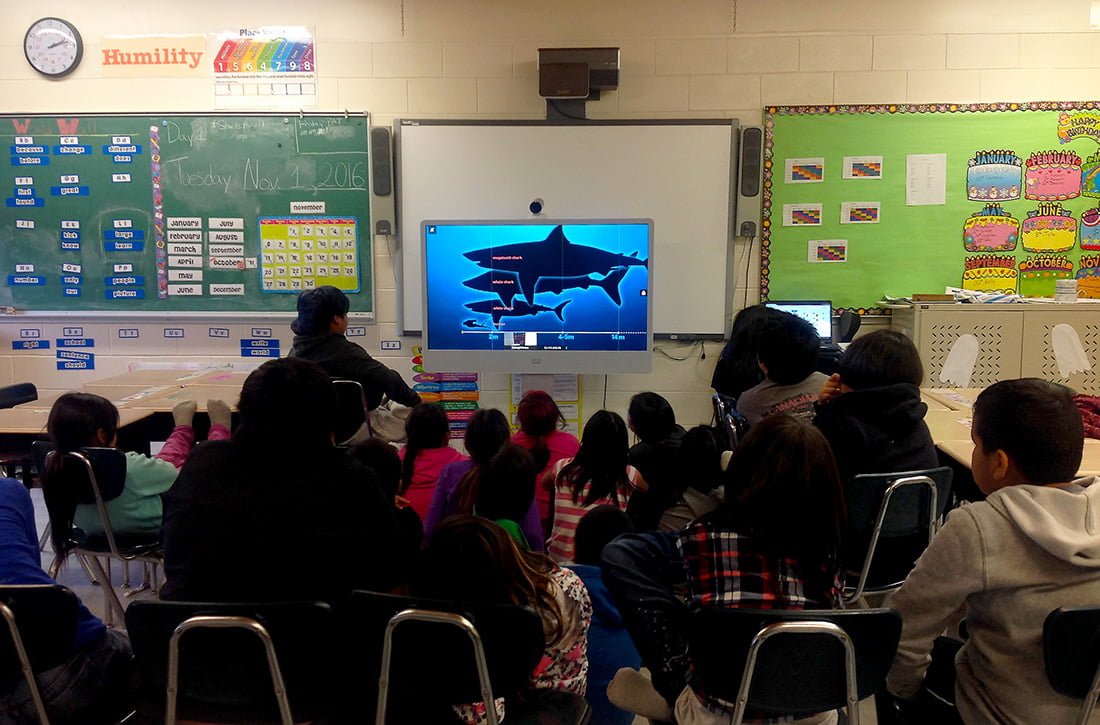
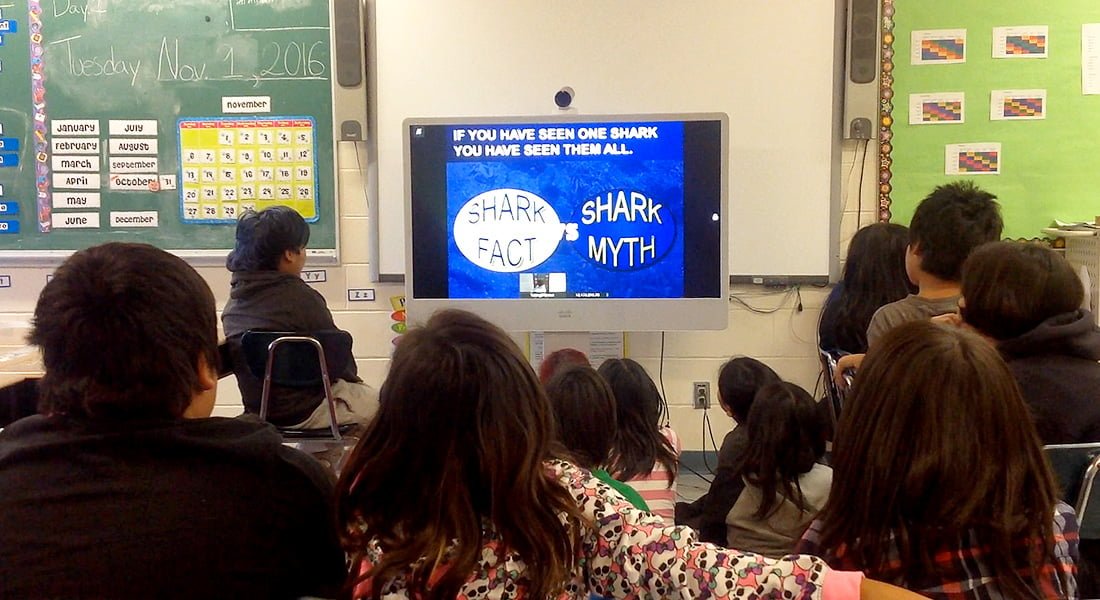
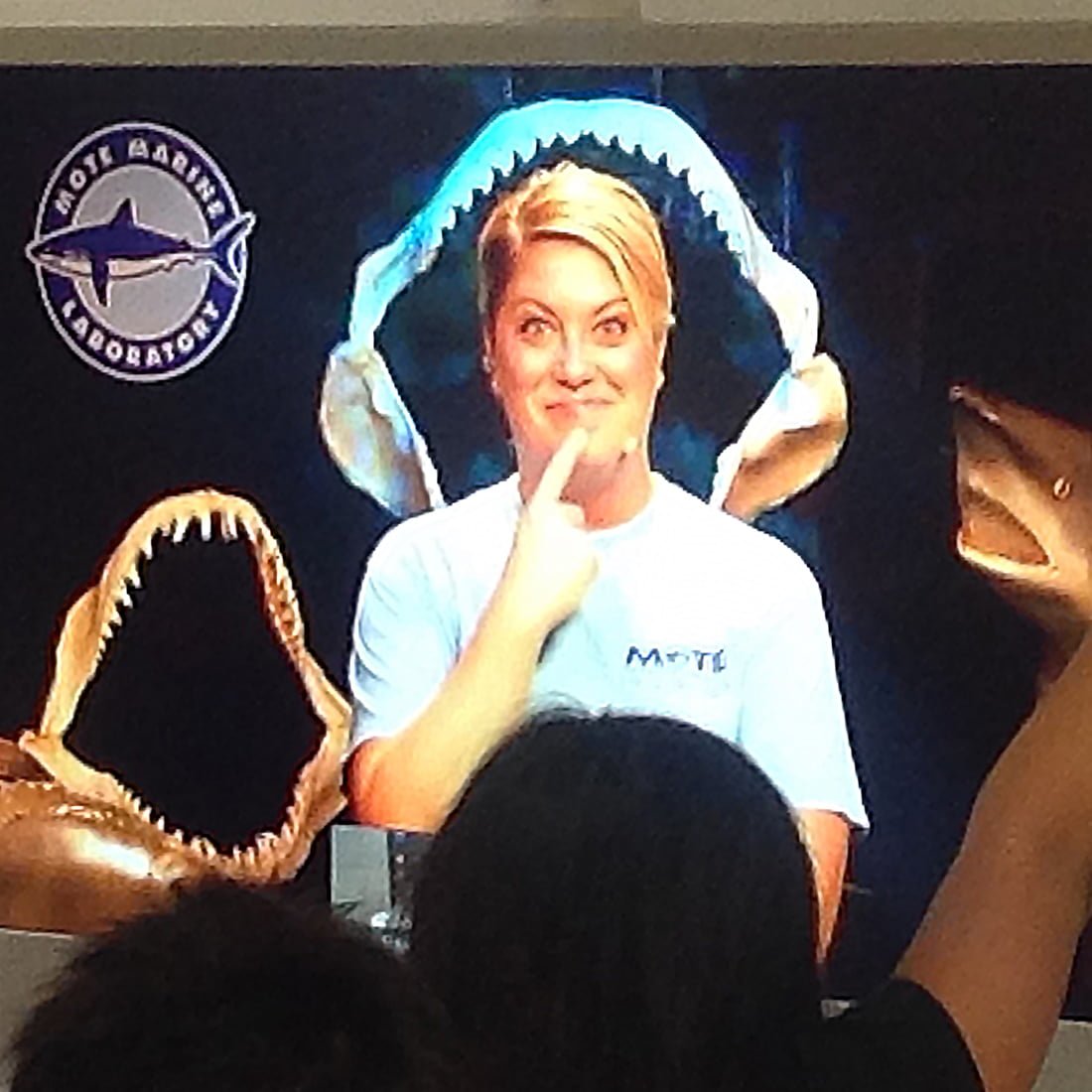
On the class’s most recent virtual field trip, students learned about sharks. Led by Maggie, an Ocean Expert, they travelled to the Mote Marine Laboratory in Sarasota, Florida – over 3000 km away!


The grade 4 students dove right into a lively discussion, unpacking common misconceptions about sharks that are spread largely through popular movies like Jaws. During a Family Feud style game, students answered “Fact vs. Myth” questions, which student Jaelyn Meekis said “was a lot of fun”. The students learned new facts, including that only an average of 25 people are bitten by sharks each year in the United States, and that it is actually more common for people to be injured by toilets. Yes, toilets — over 40,000 Americans are injured by toilets every year!


The class then dove deeper to learn about the more than 300 species of sharks, which have different shapes, habitats, and lifestyles. Many students had previously heard of the Great White Shark and were excited to learn about others. Desiree Beardy said, “My favourite shark was the Leopard Shark because it has spots.” A few other favourites were the Caribbean Lantern Shark which can glow in the dark and the Tasselled Wobbegong — a carpet shark with a name that is tons of fun to say out loud. For Samaria Meekis, “It was a lot of fun seeing the sharks get fed.”


Coming back to the surface, the virtual field trip ended with an interactive Q&A session where students asked questions such as why do sharks need their fins? (To move & steer when they are swimming.) Why do sharks have stripes or spots on their skin? (They serve as camouflage, to blend in with the ocean.)


“I liked being able to ask Maggie questions about sharks,” said Lexie Meekis.


Above all, through the creative integration of technology in the classroom, grade 4 students from Deer Lake First Nation School were encouraged and motivated to take control of their own learning. For Kelly, it was a wonderful opportunity to see her students engaged and having so much fun. No doubt at the end of the day, many of them shared those learnings on Facebook, Snapchat, Instagram and beyond.


adfafda

Teacher Feature: Jordan Walker-Martin

Posted by Lena Sarchuk

Jordan Walker-Martin started teaching grade 3/4 in North Spirit Lake First Nation in September. Jordan did his undergraduate degree and his Bachelor of Education at Laurentian University in Sudbury. Jordan orginally hails from Barrie, Ontario.

Jump up, get down and move it all around! Words that have come to define Mr. Jordan’s grade 3/4 class in North Spirit Lake First Nation. The 18 movers and shakers that spend their days with Mr. J are almost always doing just that.


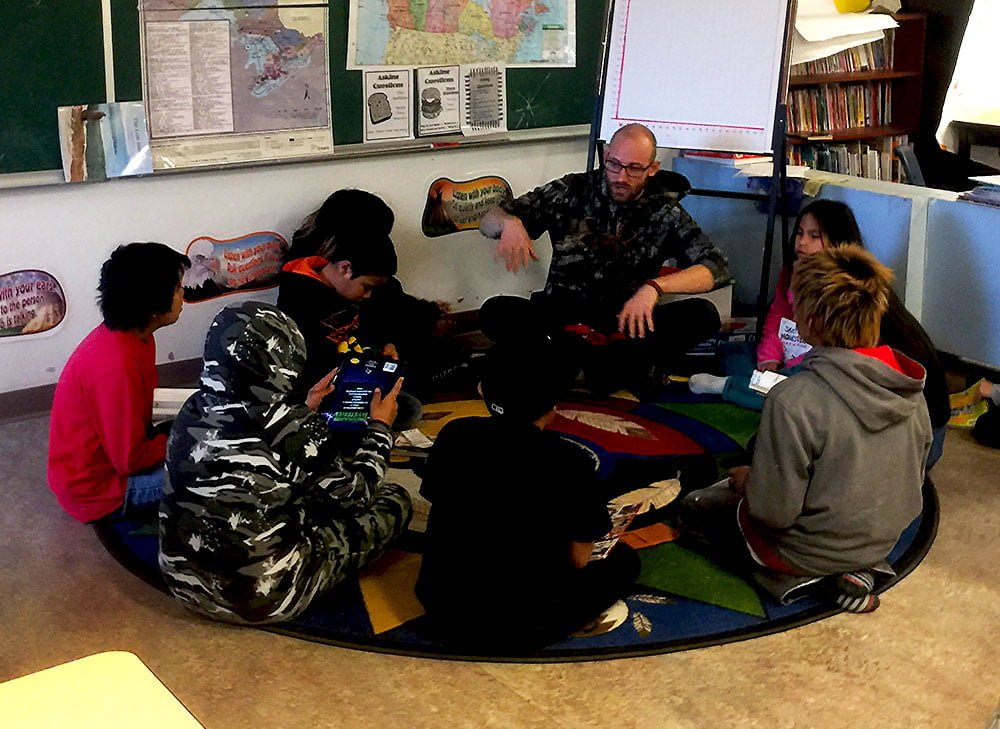
Their day often begins on the class carpet for stop number one: a game in which Mr. Jordan hides an item from the classroom in his little pink bag and students can ask 21 questions about it. As their curiosity bubbles, they learn about different types of questions that help them figure out what’s hiding in the bag. Once they figure out what is in the bag, students then ask Mr. J other questions about the item or about another item in the classroom, and, sometimes, about life in general. At their next stop, students will build on what they learned during this session of questions.

Stop number two: it’s time for these active learners to move on to the literacy circuit, which includes silent reading, journal writing, guided reading with Mr. J, and the ever popular “I Wonder” station. There, students have the chance to jump on their Chromebooks and look into the tricky questions that have been on their minds since the 21 questions game. Last week at the “I Wonder” station, students were busy learning how dinosaurs were born and how long it takes to get to the moon.


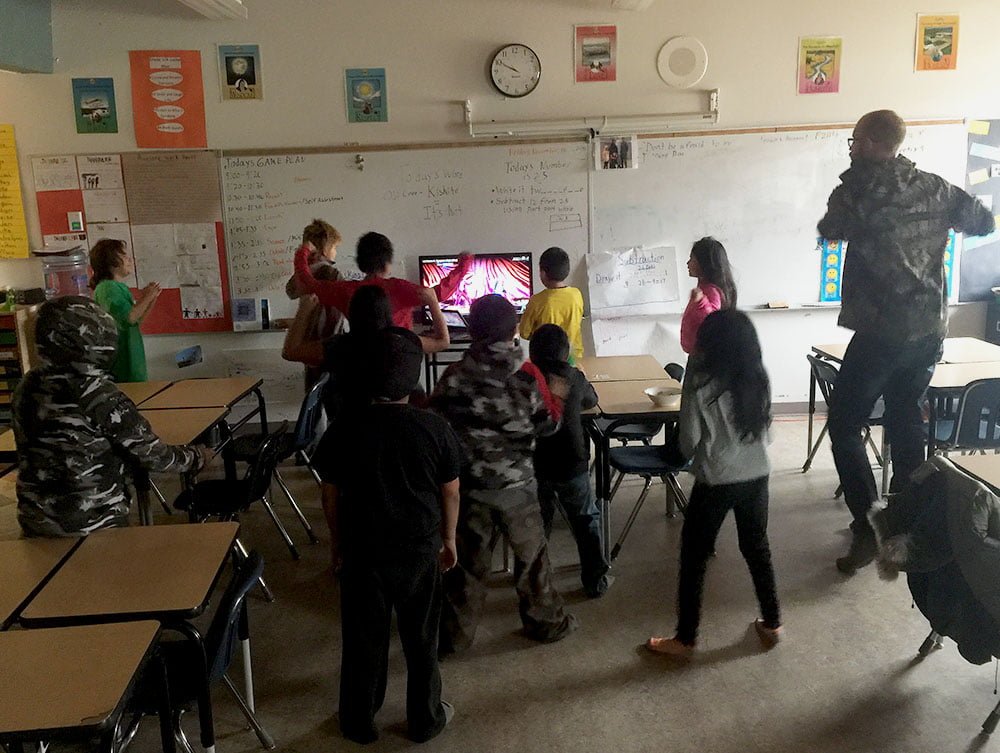
It’s almost time for recess and energy levels are rising. Perfect timing for stop number 3. Everyone heads to the front of the class for a daily crack at “Just Dance”. With the choreography up on the screen, all 18 hip hoppers and their funky teacher show off their moves before dancing out the door to recess. Phew! Time for a break.


YOU’RE IT! Everyone goes crashing into stop number four, which is outside on the field, where the routine game of freeze tag unfolds. Although Mr. Jordan’s long legs seem to give him an unfair advantage, his learners have become experts on how to dodge, dart, and scoot their way around him. As recess comes to an end, everyone is ready to roll back inside to warm up and refuel with a snack.


It’s now time for stop number five, the last stop of the morning: math. To complete a unit on subtraction, Mr. Jordan becomes host of his own game show, where contestants are urged to “COME ON DOWN!” to test their skills and review what they’ve learned on the board. As the contestants excitedly jot down answers to the game’s questions, their peers cheer them on and volunteer to face the next challenge. As the last contestant is called upon, the game ends with hands still up and students still ready to show the math questions who’s boss.

But the beloved lunch hour has finally arrived and, in a straight line, Mr. Jordan’s class heads out the door and down the hallway to pick up their lunches and catch the school bus home.
Research shows that tactile, kinesthetic learning improves classroom outcomes for most students. Mr. Jordan’s students are no exception. Since the beginning of the year, he has seen a significant increase in completed work, a sharp rise in reading stamina, and a newly fostered love for math. The energy and excitement Mr. J brings to his class every day is contagious and has, in a few short months, created an environment where students can have fun, are excited to learn, and actively participate in every part of the school day.


adfafda

Teacher Feature: Allison Norman

Posted by Lena Sarchuk

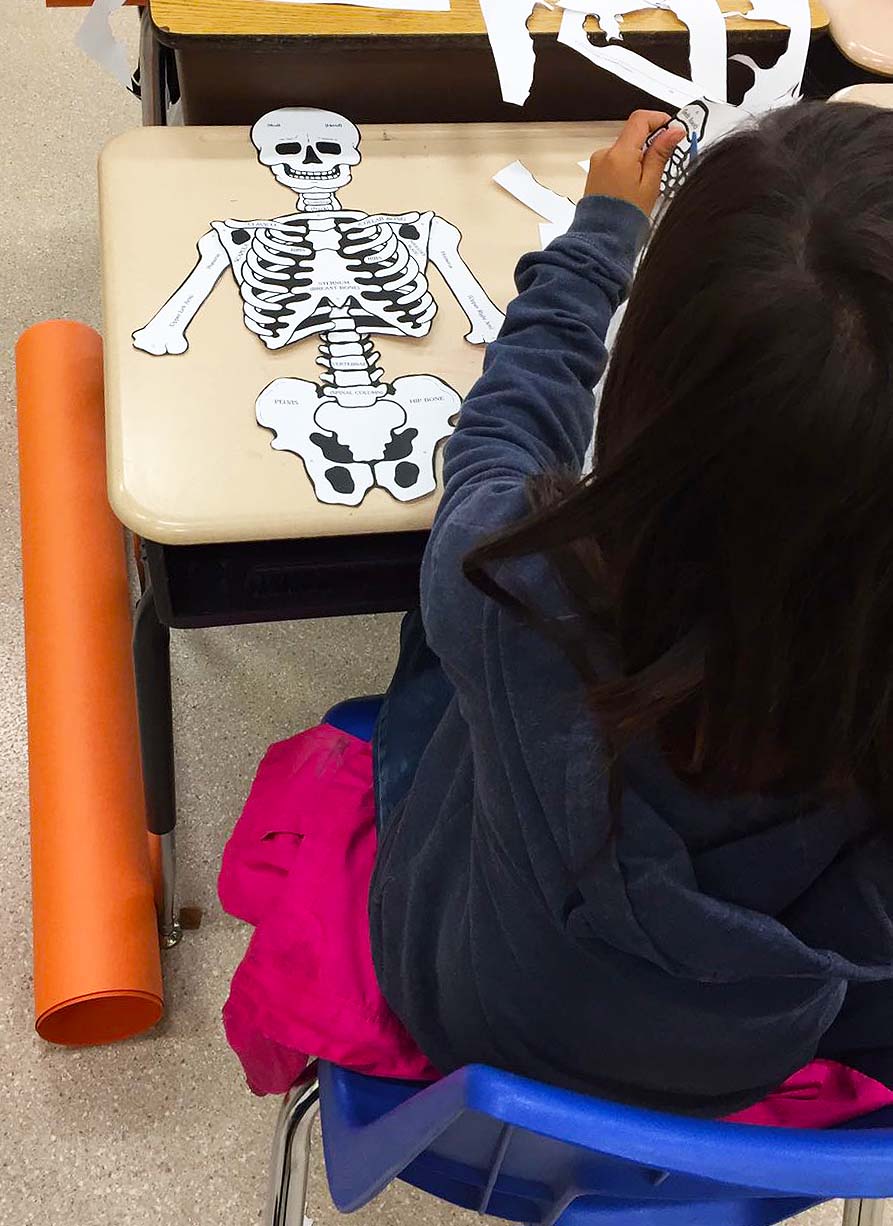
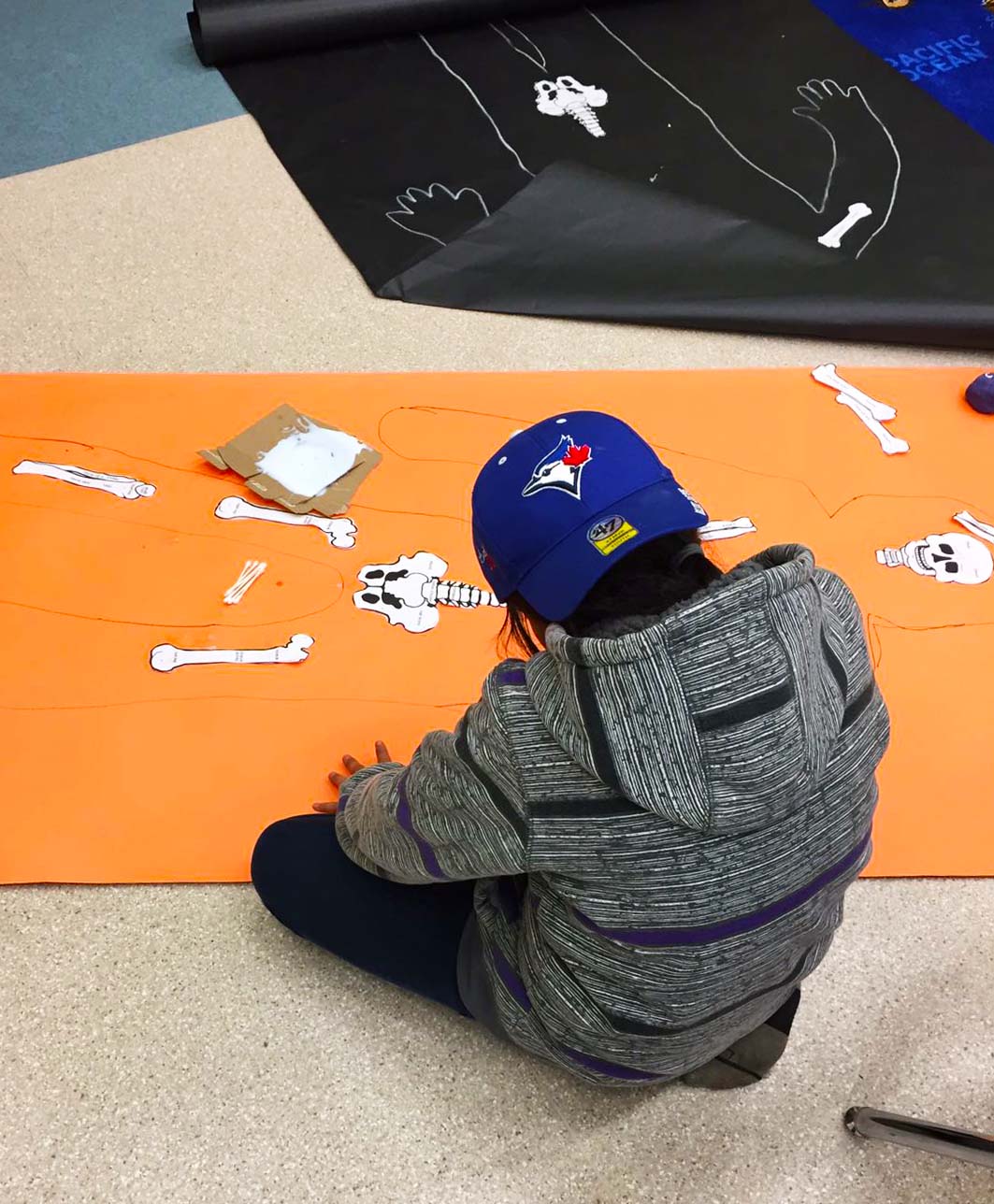
Something spooky is going on in Eabametoong First Nation, and it is happening in the grade 5 class. Allison Norman, the teacher of this spook-tacular class, is using Halloween to bring students to begin to explore systems in the human body – starting with the skeletal system.


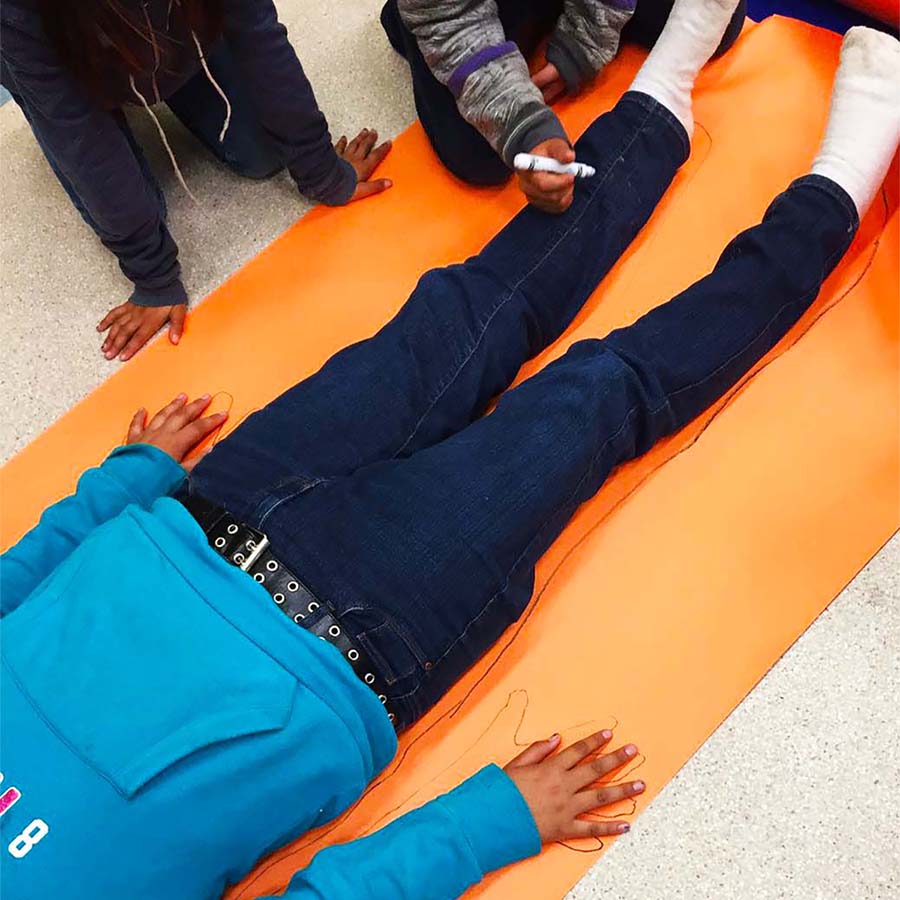
Students traced their bodies and then correctly placed the bones of the body onto a life-size paper version of themselves. These not only serve as amazing Halloween decorations, but also reinforce the learning the students have done on the skeletal system. We can’t wait to see how they learn about the remaining systems of the human body.


Allison Norman is from Toronto, ON and this is her first year teaching in Eabametoong First Nation at John C. Yesno School. Allison’s 22 grade 5 students are full of energy and always ready to learn and have fun.


Allison’s approach to the classroom is to integrate learning into hands-on activities and approaches that are relevant for students. This allows them to connect their learning to their own lives. And if you thought this classroom couldn’t get any cooler, they also have frequent limbo competitions, so get ready to go low!


Celebrating 10 Years of Gakino’amaage | Strengthening education for generations to come. Explore Our Impact Goose Icon
This is default text for notification bar